Can You Put Coconut Oil on Dogs? The Science Behind Topical Use
Can you put coconut oil on dogs safely? We examine the veterinary science, skin physiology, dosing by weight, risks, and practical application methods.
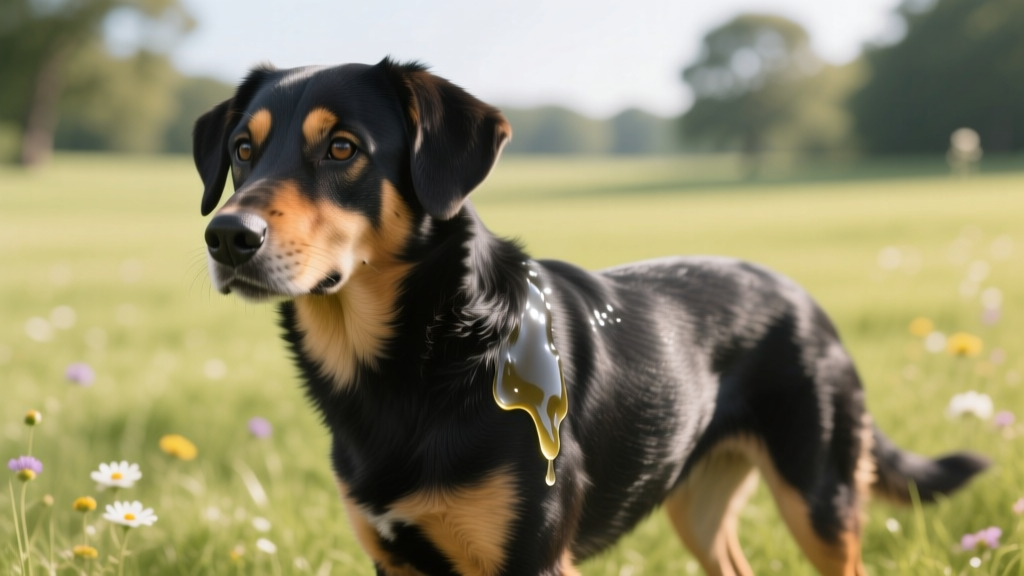
The internet is saturated with claims about coconut oil being a miracle cure for everything from itchy skin to digestive problems in dogs. As a dog care writer who has spent years reviewing veterinary dermatology literature and speaking with board-certified veterinary dermatologists, I want to separate what the science actually supports from what's simply marketing hype. Let's look at the evidence.
The Science of Coconut Oil on Canine Skin
What Makes Coconut Oil Unique?
Coconut oil (Cocos nucifera) is composed of approximately 90% saturated fat, which is unusual among plant-based oils. Its key active component is lauric acid, a medium-chain fatty acid (MCFA) that makes up roughly 47-50% of its total fatty acid profile. Lauric acid converts to monolaurin in the body, a compound with demonstrated antimicrobial properties in laboratory settings.
Other notable fatty acids include:
- Myristic acid (~18%) — contributes to the oil's solid-at-room-temperature texture
- Caprylic acid (~8%) — studied for antifungal activity
- Capric acid (~7%) — has shown activity against certain bacteria
- Palmitic acid (~9%) — an emollient that can soften skin
The critical distinction: most of the antimicrobial studies on lauric acid and monolaurin have been conducted in vitro (in petri dishes) or on human skin models. Direct veterinary clinical trials on coconut oil's efficacy for canine dermatological conditions remain limited as of 2026.
How Canine Skin Absorbs Topical Oils
Understanding whether coconut oil actually benefits your dog requires understanding how canine skin works — and it's quite different from human skin.
Dog skin has a significantly thinner epidermis than human skin. The canine epidermis is approximately 3-5 cell layers thick compared to 10-15 layers in humans. This means topical substances can potentially penetrate more readily, but it also means the skin barrier is more easily compromised by inappropriate products.
The canine skin surface pH ranges from approximately 6.2 to 7.4 (close to neutral), while human skin sits at a more acidic 4.5 to 5.5. This pH difference matters because coconut oil has a pH around 7-8, which is closer to the canine skin's natural range than many human skincare products — one reason it's generally well-tolerated topically.
When you apply coconut oil to your dog's skin, the medium-chain triglycerides (MCTs) interact with the lipid matrix between skin cells. The lauric acid molecules are small enough to penetrate the stratum corneum (outermost skin layer), where they can provide an emollient effect — essentially filling gaps between skin cells to reduce moisture loss.
Evolutionary Context: Why Dogs Don't Produce This Naturally
Ancestral wolves and wild canids evolved with skin that produces its own protective oils through sebaceous glands distributed across the body. These natural sebum secretions contain squalene, wax esters, and triglycerides that maintain the skin barrier, provide waterproofing, and carry antimicrobial peptides.
Modern domestic dogs — particularly certain breeds — often have compromised skin barrier function due to thousands of years of selective breeding for coat traits (hairlessness, double coats, corded fur) that never existed in wild ancestors. Breeds like the Chinese Crested, Xoloitzcuintli, and American Hairless Terrier lack the protective fur coat that would normally work in concert with sebum, making their exposed skin more vulnerable to environmental damage and moisture loss.
This evolutionary mismatch is precisely why some dogs benefit from supplemental topical lipids like coconut oil — their skin barrier needs support that their own sebaceous glands can't fully provide, especially in dry climates or during winter months with indoor heating.
What the Research Actually Shows
Let's look at what published veterinary and dermatological research tells us — and just as importantly, what it doesn't.
| Claim | Evidence Level | What Studies Show |
|---|---|---|
| Moisturizes dry skin | Moderate (extrapolated from human studies) | A 2014 study in the International Journal of Dermatology found virgin coconut oil effective as a moisturizer for mild-to-moderate xerosis in humans. No direct canine equivalent study exists, but the emollient mechanism is species-independent. |
| Antibacterial properties | Low for dogs (in vitro only) | Lauric acid shows activity against Staphylococcus pseudintermedius in lab cultures, but topical application on living canine skin has not been shown to reduce bacterial colony counts in clinical trials. |
| Treats yeast infections | Low (preliminary) | Caprylic acid demonstrates anti-Malassezia activity in vitro. However, concentrations needed exceed what thin topical application delivers. Veterinary antifungal shampoos (chlorhexidine/miconazole) remain far more effective. |
| Heals wounds | Insufficient | No peer-reviewed veterinary studies support coconut oil for wound healing in dogs. Applying oil to open wounds can trap bacteria and delay healing. |
| Reduces inflammation | Very low | Unlike omega-3 fatty acids (EPA/DHA from fish oil), coconut oil's saturated fats do not have well-documented anti-inflammatory pathways in canines. |
The honest assessment: coconut oil's strongest evidence is as a mild emollient for intact, non-infected skin. Claims that it treats infections, heals wounds, or replaces prescription dermatological treatments are not supported by current veterinary literature. For a comprehensive review of canine dermatological treatments, the Merck Veterinary Manual remains the gold-standard reference.
Practical Application Guide: How to Use Coconut Oil on Your Dog
Choosing the Right Product
Not all coconut oil is equal for topical canine use. Here's what to look for:
- Type: Virgin (unrefined) coconut oil — NOT fractionated coconut oil (which has lauric acid removed) and NOT refined/bleached/deodorized (RBD) oil
- Processing: Cold-pressed or expeller-pressed — heat extraction degrades beneficial fatty acids
- Certification: USDA Organic is preferable to avoid pesticide residue transfer to skin
- Cost range: Expect to pay $8-$18 for a 16 oz jar of quality virgin coconut oil (brands like Nutiva, Dr. Bronner's, or Garden of Life are widely available and consistently tested)
- Storage: Keep at room temperature (68-76°F / 20-24°C). Solid below 76°F, liquid above. Shelf life is approximately 2 years unopened, 6-12 months after opening.
Dosage by Dog Size for Topical Application
| Dog Weight | Amount Per Application | Frequency | Application Area |
|---|---|---|---|
| Under 10 lb (under 4.5 kg) | ⅛ teaspoon (0.6 mL) | 1-2x per week | Small localized areas (paw pads, elbow calluses, nose) |
| 10-25 lb (4.5-11 kg) | ¼ teaspoon (1.2 mL) | 1-2x per week | Localized areas or light full-coat application |
| 25-60 lb (11-27 kg) | ½ teaspoon (2.5 mL) | 1-2x per week | Targeted spots; up to 1 tsp for full coat |
| 60-100 lb (27-45 kg) | 1 teaspoon (5 mL) | 1-2x per week | Full coat application acceptable |
| Over 100 lb (over 45 kg) | 1-2 teaspoons (5-10 mL) | 1-2x per week | Full coat or multiple targeted areas |
Application method: Warm the oil between your palms until liquid (if solid), then work into the skin using your fingertips — not just the coat surface. For paw pad application, apply before bedtime and consider cotton dog socks to prevent licking and tracking on floors. Allow 15-20 minutes of absorption time before letting your dog onto furniture.
Breed-Specific Considerations and Skin Physiology Variations
Not all dogs respond identically to topical coconut oil. Breed-specific skin characteristics significantly affect both the potential benefits and risks.
Breeds That May Benefit Most
- Hairless breeds (Chinese Crested, Xoloitzcuintli, American Hairless Terrier): Exposed skin is prone to dryness and sun damage. Light coconut oil application can supplement the skin barrier. Apply SPF-rated canine sunscreen over coconut oil for outdoor exposure.
- Double-coated breeds in dry climates (Siberian Husky, Alaskan Malamute, Samoyed): The undercoat can trap dry air against the skin in low-humidity environments. Applying oil at the skin level (parting the coat) may help.
- Senior dogs of any breed: Sebaceous gland output decreases with age, leading to naturally drier skin in dogs over 8-10 years.
Breeds Requiring Extra Caution
- Brachycephalic breeds (English Bulldog, Pug, Shar-Pei): Deep skin folds already trap moisture and create environments for bacterial and yeast overgrowth. Adding oil to skin folds can worsen intertrigo (fold dermatitis). Avoid applying coconut oil in wrinkle folds entirely.
- Atopy-prone breeds (West Highland White Terrier, German Shepherd, Labrador Retriever, Golden Retriever): These breeds have high rates of atopic dermatitis. While coconut oil won't cause allergies, it also won't treat the underlying immune-mediated inflammation. Rely on your veterinarian's prescribed protocol (often oclacitinib/Apoquel or lokivetmab/Cytopoint) rather than substituting coconut oil.
- Oily-coated breeds (Basset Hound, Cocker Spaniel): These breeds already produce excess sebum. Adding more lipid to the coat can lead to greasy buildup and potentially worsen seborrhea oleosa.
Common Myths vs. What Veterinary Science Tells Us
| Myth | Fact |
|---|---|
| "Coconut oil cures hot spots" | Hot spots (acute moist dermatitis) are bacterial infections requiring veterinary treatment — typically clipping, cleaning with chlorhexidine, and often oral antibiotics. Applying oil traps moisture and bacteria, worsening the lesion. |
| "It's a natural flea repellent" | No peer-reviewed evidence supports coconut oil as an effective flea or tick repellent. Lauric acid shows mild insect-repelling properties in lab settings at concentrations far higher than topical application delivers. Use veterinary-approved preventives instead. |
| "Dogs can safely eat as much coconut oil as you apply" | Oral coconut oil is calorie-dense (120 calories per tablespoon) and high in saturated fat. Excessive dietary intake can cause pancreatitis in predisposed dogs (Miniature Schnauzers, Yorkshire Terriers, Cocker Spaniels). Dietary use should be discussed with your vet. |
| "It replaces medicated shampoo" | Medicated shampoos contain precisely dosed active ingredients (chlorhexidine 2-4%, ketoconazole 1-2%, etc.) with proven efficacy. Coconut oil has no standardized active ingredient concentration and cannot deliver therapeutic doses to infected skin. |
| "All natural means zero side effects" | Coconut oil can cause contact dermatitis in rare cases, comedone (blackhead) formation in acne-prone breeds, and gastrointestinal upset if licked in large amounts. "Natural" does not mean risk-free. |
When Coconut Oil Use Might Signal a Bigger Problem
Stop Using Coconut Oil and Contact Your Veterinarian If:
- Your dog's skin condition worsens after applying coconut oil (increased redness, swelling, or new lesions)
- You notice a yeasty or musty odor developing on treated skin — this may indicate Malassezia overgrowth, which oils can fuel
- Your dog obsessively licks the application site, which could indicate underlying pruritus (itching) from allergies, parasites, or pain
- Existing dry patches don't improve within 2-3 weeks of consistent application
- You observe hair loss (alopecia), crusting, pustules, or bleeding at any application site
- Your dog develops vomiting, diarrhea, or signs of abdominal pain after licking coconut oil off their coat — possible pancreatitis trigger
These symptoms suggest an underlying condition (atopic dermatitis, hypothyroidism, Cushing's disease, demodicosis, or bacterial pyoderma) that requires professional diagnosis and treatment. Coconut oil is a supportive measure, not a diagnostic tool or primary treatment.
How Does Canine Skin Differ from Human Skin in Absorbing Oils?
This question comes up frequently, and the answer matters for understanding why coconut oil works differently on dogs than on people.
Beyond the epidermal thickness and pH differences mentioned earlier, canine skin has a much faster cell turnover rate — approximately 20-21 days compared to 28 days in humans. This means the stratum corneum is constantly renewing, and topical products need to be reapplied more frequently to maintain any benefit.
Additionally, dogs have a far higher density of hair follicles per square inch than humans (aside from our scalp). Each follicle is surrounded by sebaceous glands and apocrine sweat glands, creating a complex microenvironment that topical oils must navigate. In heavily coated breeds, most of the coconut oil you apply may sit on the hair shaft rather than reaching the skin surface at all — which is why parting the coat and applying directly to the skin is essential for any therapeutic effect.
One more critical difference: dogs lack eccrine sweat glands across their body (they only have them on paw pads). This means their skin doesn't have the same natural water-based cleansing mechanism that human skin does. Oils applied to canine skin persist longer and aren't washed away by perspiration, which is both an advantage (longer-lasting emollient effect) and a risk (longer exposure if the oil causes irritation).
Frequently Asked Questions
Can I put coconut oil on my dog's nose?
Yes, this is one of the safest and most practical uses. Apply a tiny amount (grain-of-rice sized for small dogs, pea-sized for large dogs) to a dry, cracked nose 1-2 times daily. The nose has a thick keratinized surface that tolerates oil well. However, if cracking is severe, bleeding, or accompanied by depigmentation, see your veterinarian — these can be signs of autoimmune conditions like discoid lupus erythematosus or pemphigus.
Is coconut oil safe for puppies?
Topical coconut oil is generally safe for puppies over 8 weeks of age in very small amounts. Puppy skin is more sensitive and still developing its barrier function, so start with a patch test: apply a tiny dab to a small area and wait 24 hours for any reaction. Avoid use on puppies under 8 weeks unless directed by your veterinarian. Never use coconut oil as a substitute for prescribed puppy parasite treatments or vaccinations.
Can coconut oil help with my dog's itchy skin?
It may provide mild temporary relief for simple dryness-related itchiness. However, most canine pruritus (itching) is caused by environmental allergies (atopic dermatitis), food allergies, flea allergy dermatitis, or parasitic infections — none of which coconut oil treats. If your dog is scratching more than occasionally, a veterinary workup including skin cytology, flea combing, and potentially allergy testing is the appropriate path. According to the American Kennel Club, skin allergies are among the most common reasons dogs visit the veterinarian.
What's the difference between coconut oil and fish oil for dogs?
These serve entirely different purposes. Coconut oil is primarily saturated fat (lauric acid) used topically as an emollient. Fish oil contains omega-3 fatty acids (EPA and DHA) that work systemically as anti-inflammatories when given orally. Fish oil has far stronger veterinary evidence for managing allergic skin disease, osteoarthritis, and kidney disease. Many veterinary dermatologists recommend oral fish oil supplementation (dosed at 20-55 mg EPA+DHA per kg of body weight daily) as part of a comprehensive skin health protocol — something coconut oil cannot replicate.
Will coconut oil make my dog's coat greasy?
Yes, if you over-apply. The most common mistake owners make is using too much. Start with the lowest recommended amount for your dog's weight class and increase only if needed. If the coat feels oily to the touch 30 minutes after application, you've used too much. A greasy coat attracts dirt, mats more easily, and can develop an unpleasant odor. For show dogs or dogs with fine coats (Afghan Hounds, Silky Terriers), coconut oil may not be ideal — consider a veterinary-formulated leave-in conditioner instead.
Can I use coconut oil on my dog's ears?
Proceed with caution. A very small amount can help soften debris in the outer ear flap (pinna), but you should never put coconut oil into the ear canal. Oil in the canal can trap moisture and worsen otitis externa (ear infections), which are extremely common in floppy-eared breeds. If your dog has ear discharge, odor, redness, or head-shaking, see your veterinarian for proper ear cytology and prescribed cleansers. The AVMA recommends professional evaluation for any ear concerns rather than home remedies.
Related Topics Worth Exploring
If you're researching topical coconut oil, you may also want to investigate:
- Fish oil supplementation for canine skin health — stronger evidence base for managing inflammatory skin conditions
- Oatmeal-based canine shampoos — colloidal oatmeal has more clinical support for soothing itchy canine skin than coconut oil
- Vitamin E oil for dogs — another topical option with antioxidant properties, sometimes recommended by veterinary dermatologists for scar tissue
- Ceramide-based skin barrier sprays — newer veterinary products (like Douxo S3 or Allerderm Spot-On) that directly replenish the skin lipid barrier with ingredients more closely matching canine sebum composition
Veterinary Disclaimer: This article provides educational information about topical coconut oil use in dogs. It is not a substitute for professional veterinary advice, diagnosis, or treatment. Always consult your veterinarian before starting any new topical or dietary supplement regimen, especially for dogs with pre-existing health conditions, puppies, pregnant dogs, or dogs on medication. If your dog has ingested a potentially harmful substance, contact the ASPCA Animal Poison Control Center at (888) 426-4435 (24/7, consultation fee applies).
Priya Sutaria
All our authors care for dogs every day — read more of their work on the authors page.


