Canine Science
The science behind how dogs think, feel, and live — evidence-based deep dives.

Matted Dog Hair: The Science of Why It Happens and How to Fix It
Matted dog hair explained through canine coat science.
Tom Renshaw
The Science of Grieving the Loss of a Dog: What Research Reveals
Explore the science behind grieving the loss of a dog.
Aaron Whyte
Dogs and Tomatoes: The Science of Canine Solanine Sensitivity
Explore the science behind dogs and tomatoes — why ripe fruit is safe but stems and leaves are toxic, plus the evolutionary biology of canine solanine sensitivity.
Dr. Hannah Wickes
Why Do Dogs Lick My Face? The Science Behind This Behavior
Discover why do dogs lick my face from a scientific perspective — explore evolutionary roots, brain chemistry, breed differences, and when it signals a problem.
Priya Sutaria
Why Do Dogs Sleep With Their Bum Facing You? Canine Science Explained
Discover why dogs sleep with their bum facing you — from evolutionary wolf pack behavior to canine communication science and what it means for your bond.
Priya Sutaria
ACV for Dogs: What the Science Says About Apple Cider Vinegar
ACV for dogs: evidence-based guide covering safety, dosage by weight, pH physiology, myths vs. facts, and when apple cider vinegar helps or harms your dog.
Dr. Hannah Wickes
Can Drug Dogs Smell Nicotine? The Science of Canine Olfaction
Can drug dogs smell nicotine? Explore the science behind canine olfaction, detection dog training, and what nicotine means for working and pet dogs.
Robin Maitland
Dog Is Scratching Constantly: The Science Behind Canine Itching
Why is your dog scratching constantly? Explore the science of canine pruritus, from neural itch pathways to evolutionary origins, plus practical relief strategies.
Robin Maitland
Pordor Dog Behavior Explained: the Poodle's Intelligence
Explore the canine science behind the 'pordor dog'—a term for the Poodle's remarkable intelligence, trainability, and behavioral traits backed by research.
Anouk Beaumont
How to Get Dog Smell Out of Couch: The Science Behind the Stink
Learn how to get dog smell out of your couch using science-backed methods. Understand why dog odor lingers and discover proven cleaning solutions.
Beth Carrasco
American Dog Breeds: The Science Behind Their Unique Traits
The science of American dog breeds—their origins, physiology, behavior
Robin Maitland
How to Keep Dogs Off Couch: The Canine Science of Surface Preference
Learn how to keep dogs off couch using canine behavioral science.
Marcus Aldridge
Annual Dog Vaccines: The Science of Canine Immune Memory
The science behind annual dog vaccines: how canine immune memory works, which shots dogs truly need yearly, and what veterinary immunology research reveals.
Marcus Aldridge
Height Dog Vision: How Dogs Perceive Size, Distance & Elevation
How does a height dog perceive elevation, size, and distance?
Robin Maitland
The Science Behind Boarding Training for Dogs: What...
Explore the canine science behind boarding training for dogs.
Anouk Beaumont
Thyro-Tabs for Dogs: The Science of Canine Hypothyroidism Treatment
How Thyro-Tabs for dogs work, the science behind levothyroxine, dosing guidelines, side effects, and what canine thyroid research reveals about treatment.
Priya Sutaria
Dog Stool Softener: The Science of Canine Constipation Relief
How dog stool softeners work, the science behind canine constipation, safe options, dosages, and when to see a vet. Evidence-based relief guide.
Anouk Beaumont
Dog Sled Athletes: How Canines Are Built to Pull
Explore the canine science behind dog sled athletes — from evolutionary physiology and muscle composition to pulling mechanics and breed adaptations.
Anouk Beaumont
Black Dog Syndrome
Explore the science behind Black Dog Syndrome — why large black dogs face adoption bias, the psychology behind it, and what owners should know.
Tom Renshaw
Can You Take Dogs on Amtrak? The Complete 2026 Pet Travel Guide
Can you take dogs on Amtrak? Yes — with restrictions.
Jonas Cole
Surgery Suit for Dogs: The Science of Post-Op Recovery Wear
Explore the science behind surgery suits for dogs — how they reduce stress, protect wounds, and compare to e-collars based on veterinary research.
Marcus Aldridge
Dogs With Longer Snouts: The Science of Dolichocephalic Breeds
Explore the science behind dogs with longer snouts. Learn how dolichocephalic skull shapes affect vision, smell, health, and daily care for these breeds.
Aaron Whyte
Rabies Injection for Dogs: The Science of How the Vaccine Works
How the rabies injection for dogs works at the cellular level, why it's legally required, vaccination schedules, side effects, and the science behind immunity.
Marcus Aldridge
Lacy Dog Herding Instinct: The Science Behind the Blue Lacy's Drive
Explore the science behind the Lacy Dog's legendary herding instinct — from evolutionary origins and brain physiology to practical training guidance for owners.
Robin Maitland
Shiba Uno and the Science Behind the Shiba Inu Smile
What made Shiba Uno famous? Explore the canine science behind the Shiba Inu smile, facial expressions, and breed-specific communication behaviors.
Priya Sutaria
The Science, Signs, and Compassionate Decisions
Evidence-based guidance on when to euthanize a dog, covering quality-of-life science, physiological mechanisms, veterinary protocols, and practical decision frameworks.
Priya Sutaria
Dogs Kick Their Legs When You Scratch Them?
Why do dogs kick their legs when you scratch them? Discover the neuroscience behind the scratch reflex, evolutionary origins, and what it means for your dog.
Dr. Hannah Wickes
Is Rawhide Bad for Dogs? The Science Behind the Chew Controversy
Is rawhide bad for dogs? We break down the veterinary science, digestive risks, and safer alternatives backed by research and expert guidance.
Beth Carrasco
Early Signs of Pyometra in Dogs: What the Science Tells Us
Learn the early signs of pyometra in dogs, the physiological mechanisms behind this life-threatening infection, and when to seek emergency veterinary care.
Jonas Cole
Scent Training for Dogs: The Science Behind Their Superpower
Discover the science behind scent training for dogs — olfactory anatomy, evolutionary origins, breed differences, and practical exercises you can start today.
Dr. Hannah Wickes
Do Dogs Like Catnip? The Canine Science Behind the Reaction
Do dogs like catnip? Discover the science behind canine reactions to catnip, how nepetalactone affects dogs vs cats, safe alternatives, and practical tips.
Anouk Beaumont
Why Your Dog Photo Looks Different
Ever wonder why your dog photo looks odd? Learn the science of canine vision, color perception, and how dogs see cameras and screens in 2026.
Marcus Aldridge
Why Is My Dog So Lazy? The Science Behind the 'Lassy
Is your dog just lazy, or is there science behind it? Explore the evolutionary, physiological, and breed factors behind the 'lassy dog' behavior.
Tom Renshaw
Paw Balm for Dogs: The Science of Canine Paw Pad Health & Care
Discover the science behind paw balm for dogs — how paw pads function, why they crack, and evidence-based care strategies for every season and terrain.
Jonas Cole
How to Get Dog Urine Smell Out of Hardwood Floors: The...
Learn how to get dog urine smell out of hardwood floors using science-backed enzymatic methods, plus the canine biology behind why urine odor lingers.
Jonas Cole
The Catahoula Leopard Dog: Science Behind Louisiana's State Dog
Explore the canine science behind the Catahoula Leopard Dog, Louisiana's state dog — from its unique coat genetics to its working-dog instincts and care needs.
Marcus Aldridge
Can Dogs Get Bird Flu? What the Science Says About H5N1 in Canines
Can dogs get bird flu? We break down the science of H5N1 avian influenza risk in dogs, transmission routes, symptoms, and what owners need to know.
Jonas Cole
Dog Stomach Issues: The Science Behind Your Dog's Digestive System
Explore the science behind dog stomach issues, from evolutionary gut adaptations to physiological mechanisms, common causes, and evidence-based management strategies.
Tom Renshaw
Dogs, Collars, and Leashes: What Your Dog Feels on Walks
Explore the canine science behind dogs, collars, and leashes — from tracheal pressure physiology to leash reactivity and the evolutionary roots of pulling behavior.
Jonas Cole
Why Is My Dog Throwing Up? The Science Behind Canine Vomiting
Why is your dog throwing up? Explore the canine science of vomiting, from evolutionary roots to physiological triggers, and learn when to call the vet.
Robin Maitland
Why Do Dogs Get Stuck Together During Mating? The Science Explained
Why do dogs get stuck together during mating? Learn the science behind the copulatory tie, how long it lasts, what to do, and when to call a vet.
Marcus Aldridge
Inside the Brain of the Dog: How Canine Cognition Actually Works
Explore the brain of the dog through veterinary neuroscience — from cortical neurons to emotional processing — and learn what your dog is really thinking.
Dr. Hannah Wickes
Adequan Killed My Dog?
Worried Adequan killed your dog? Learn the real science behind Adequan side effects, safety data, contraindications, and what veterinary research actually shows.
Priya Sutaria
Types of Long Haired Dogs: The Science Behind Canine Coat Genetics
Explore the science behind types of long haired dogs — from FGF5 gene mutations to evolutionary coat adaptations, plus practical grooming guidance for owners.
Robin Maitland
Why Your Dog Keeps Licking Their Paw
Discover the science behind why your dog keeps licking their paw — from evolutionary grooming instincts to medical red flags that need veterinary attention.
Dr. Hannah Wickes
What Do Dogs Dream About? The Science Behind Canine Sleep
What do dogs dream about? Veterinary sleep science reveals how canine REM cycles, brain activity, and evolutionary instincts shape your dog's dreams.
Anouk Beaumont
Temporary Fencing for Dogs: Canine Containment Behavior
Explore the science behind why dogs test boundaries and how temporary fencing for dogs works with their natural containment behavior instincts.
Priya Sutaria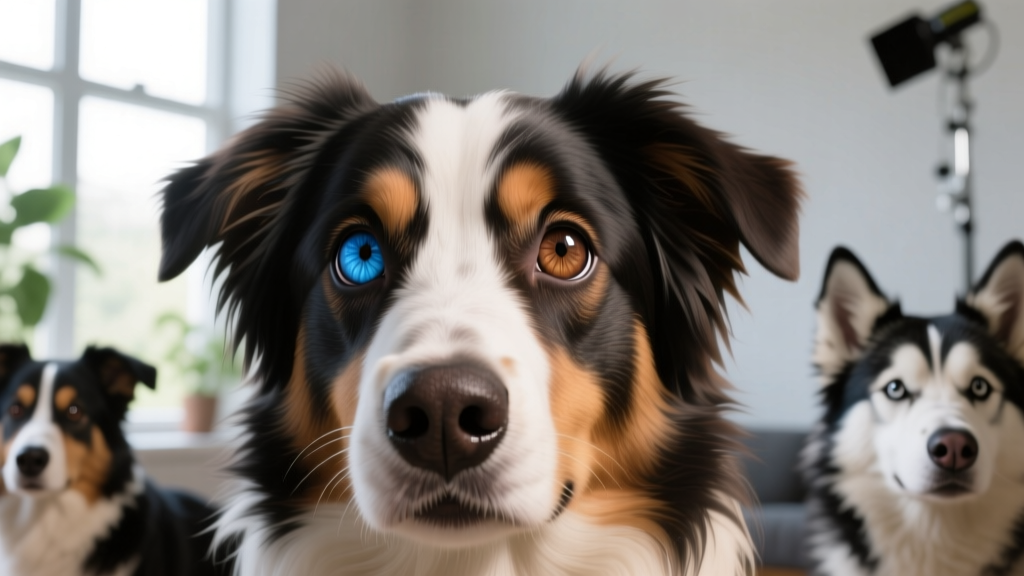
Heterochromia Iridum in Dogs: The Science Behind Two-Toned Eyes
What causes heterochromia iridum in dogs? Explore the genetics, melanin science, breed predispositions, and health implications of two-colored eyes in canines.
Anouk Beaumont