Canine Science
The science behind how dogs think, feel, and live — evidence-based deep dives.

Canine Bowel Blockage
Understand the science behind canine bowel blockage — from evolutionary scavenging instincts to gastrointestinal physiology, risk factors, & what every...
Robin Maitland
Dog Licking Paws Remedies
Explore the canine science behind paw licking and discover evidence-based dog licking paws remedies that address root causes, not just symptoms.
Marcus Aldridge
My Dog Drank Coffee: Toxicity Science, Symptoms & What to Do Now
Your dog drank coffee — here's the science behind caffeine toxicity in canines, exact toxic doses by weight, symptom timelines, and emergency steps to take.
Aaron Whyte
The Science of Dog Love
Explore the neuroscience behind dog love, including oxytocin research, evolutionary origins, and what your dog's affection really means.
Aaron Whyte
McNabb Dog Origins and Canine Science: What Makes This Lineage Unique
Explore the McNabb dog lineage through canine science—evolutionary traits, physiology, behavior, and what this working heritage means for modern owners.
Aaron Whyte
Largest Dog Species: The Science Behind Giant Breed Size & Growth
Explore the science behind the largest dog species and giant breeds.
Jonas Cole
Why Your Dog Keeps Coughing and Gagging: Causes and Science
Your dog keeps coughing and gagging — learn the science behind this behavior, when it signals illness, and what to do next with expert-backed guidance.
Tom Renshaw
Dog Noise Science: How Dogs Produce, Hear, and Process Sound
Explore the canine science behind dog noise — how dogs produce vocalizations, process sound, and why their auditory world differs so dramatically from ours.
Aaron Whyte
What Makes Good Protection Dogs? Canine Guarding Behavior
What makes good protection dogs? Explore the evolutionary, neurological, and behavioral science behind canine guarding instincts and what it means for owners.
Tom Renshaw
Canine Pale Gums: Causes, Diagnosis, and When to Worry
Canine pale gums can signal serious health issues. Learn the science behind gum color, common causes, diagnostic steps, and when to seek emergency veterinary care.
Beth Carrasco
Canine College: The Science Behind How Dogs Learn and Think
Explore canine college concepts — how dogs learn, process information, and develop behaviors through the lens of veterinary science and evolutionary biology.
Jonas Cole
Enlarged Spleen in Dogs: The Science Behind Splenomegaly
Understand the science behind an enlarged spleen in dogs — causes, physiological mechanisms, breed risks, and what the latest veterinary research reveals.
Anouk Beaumont
Science Behind Short Hair in Small Dogs: Genetics,...
Explore the canine science behind short hair in small dog breeds — genetics, thermoregulation, coat physiology, and evidence-based care tips for owners.
Aaron Whyte
How Old Is 2 Dog Years in Human Years? The Science-Based Answer
How old is 2 dog years in human years? Science says it's not 14.
Tom Renshaw
Dogs Constantly Lick Their Paws? the Behavior
Discover why dogs constantly lick their paws — from evolutionary grooming to allergy triggers, pain signals, and anxiety.
Tom Renshaw
Airlines That Allow Dogs in Cabin: Canine Stress at Altitude
Which airlines allow dogs in cabin? Explore the science of how altitude, noise, & confinement affect canine physiology, plus 2026 carrier rules &...
Tom Renshaw
Terranova Dog Water Rescue Instinct: The Science Behind the Swim
Why does the Terranova dog (Newfoundland) excel at water rescue?
Robin Maitland
Dog and Thyroid Problems: The Science Behind Canine Hypothyroidism
Understand the science behind dog and thyroid problems — from autoimmune mechanisms and evolutionary roots to symptoms, diagnosis, and daily management.
Anouk Beaumont
Dog Anthropomorphic Thinking
Explore the science behind dog anthropomorphic thinking—why owners project human emotions onto dogs, what research reveals, and how it affects training and care.
Jonas Cole
My Dog's White Fur Turning Brown or Pink?
Discover the science behind why white dog fur stains brown or pink.
Priya Sutaria
Benazepril for Dogs: How This ACE Inhibitor Protects...
Learn how benazepril for dogs works as an ACE inhibitor to manage heart failure and kidney disease.
Tom Renshaw
Green Feces in Dogs: The Science Behind Why It Happens
Why is your dog's poop green? Explore the science, evolutionary context, and health implications of green feces in dogs with expert guidance.
Beth Carrasco
Why Do Dogs Roll in the Grass? The Science Behind This Instinct
Discover why dogs roll in the grass with science-backed explanations covering evolution, scent communication, and practical tips for owners.
Marcus Aldridge
How a Microchipped Dog Is Found: The Science of RFID Pet Recovery
How does a microchipped dog get identified? Explore the RFID science, recovery statistics, migration risks, and practical steps that reunite lost pets with owners.
Robin Maitland
Swimmers Tail in Dogs: The Science Behind Limber Tail Syndrome
What causes swimmers tail in dogs? Learn the veterinary science, symptoms, treatment options, and prevention strategies for limber tail syndrome.
Beth Carrasco
All Natural Dog Foods: The Canine Science Behind Digestion
Explore the science behind all natural dog foods, canine digestion, and evolutionary nutrition to understand what truly benefits your dog's health.
Jonas Cole
Understanding Short Fluffy Dogs
Explore the genetics, evolution, and physiology behind short fluffy dogs. Learn why breeds like Pomeranians and Corgis developed their signature traits
Anouk Beaumont
Anal Dog Sex: Why Dogs Mount Each Other's Rear Ends Explained
What does anal dog sex behavior mean? Learn the science behind canine mounting, rear-end humping, and what this behavior signals for your dog.
Jonas Cole
Can a Dog Catch Strep From a Human? The Science Explained
Can a dog catch strep from a human? We break down the science of Streptococcus transmission between species, zoonotic risks, and what owners should know.
Tom Renshaw
Foxtail Dog Dangers: The Science of Grass Awn Injuries in Dogs
Learn the science behind foxtail dog injuries — how grass awns migrate through tissue, which dogs are at risk, symptoms to watch.
Priya Sutaria
Corgi Dog Science: Why the Corgy Dog Was Built So Low to the Ground
Explore the canine science behind the corgy dog's short legs, herding instincts, and big-dog personality.
Robin Maitland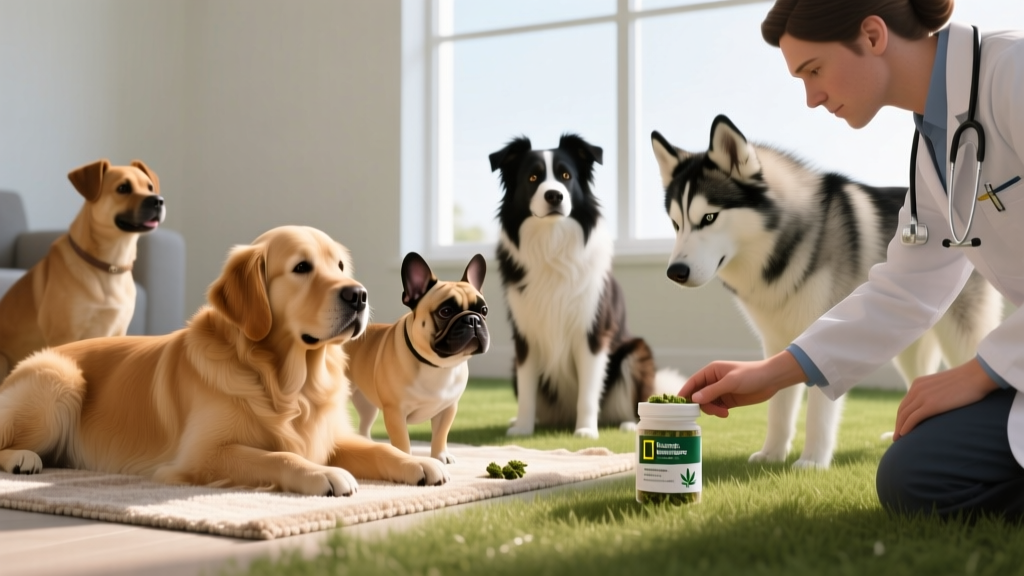
CBD Oil for Dogs: The Science Behind Cannabinoids and Canine Health
Explore the science of CBD oil for dogs — how the endocannabinoid system works, what research shows, dosing guidelines, and practical guidance for owners.
Dr. Hannah Wickes
Do Dogs Get Stomach Flu? Canine Gastroenteritis Science Explained
Do dogs get stomach flu? Explore the science behind canine gastroenteritis, viral and bacterial causes, symptoms, and what owners need to know.
Jonas Cole
Seresto Collars for Dogs: How They Work and Safety Facts
How do Seresto collars for dogs actually work? We break down the pharmacology, safety data, efficacy timelines, and common misconceptions with veterinary science.
Aaron Whyte
How Old Is 5 Dog Years? The Science Behind Canine Aging
How old is 5 dog years really? We break down the science of canine aging, debunk the 7:1 myth, and show you accurate age conversions by breed size.
Robin Maitland
Telmisartan for Dogs: This Kidney & Heart Medication
How telmisartan for dogs works at the molecular level to manage hypertension and protein-losing kidney disease — mechanisms, dosing, and what owners need to know.
Beth Carrasco
Hypoallergenic No Shed Dogs: The Science Behind Dog Allergens
Explore the science behind hypoallergenic no shed dogs — what Can f 1 proteins really are, why no dog is truly allergen-free, and which breeds come closest.
Jonas Cole
Dog Enrichment Toys: The Science Behind Why They Work
Discover the canine science behind dog enrichment toys, including how they stimulate your dog's brain, reduce stress, and satisfy evolutionary drives.
Marcus Aldridge
Dog Safe Essential Oils: The Science of Canine Olfaction and Safety
Explore the science behind dog safe essential oils.
Jonas Cole
Cough Tablets for Dogs
How cough tablets for dogs work, the science behind canine cough reflexes, when medication is needed, and what every owner should know about treating dog coughs.
Robin Maitland
Why Dogs Sniff Butts
Why do dogs sniff each other's rear ends? Discover the canine science behind anal gland communication, evolutionary origins, and what it means for your dog.
Dr. Hannah Wickes
Why Do Dogs Get Hiccups? The Science Behind Canine Hiccups
Discover why dogs get hiccups, the physiological mechanism behind canine hiccups, when they signal health issues, and what owners can safely do about them.
Tom Renshaw
Patella Luxation in Dogs: The Science Behind Kneecap Slipping
Understand patella luxation in dogs — the biomechanics, evolutionary origins, grading system, and what science says about treatment and prevention.
Aaron Whyte
Moustache Dog Breeds: The Science Behind Whiskered Canine Faces
Why do some dogs have moustaches? Explore the canine science behind facial whiskers, wire-haired coats, and the breeds famous for their moustache dog looks.
Beth Carrasco
Why Dogs Chew Dog Jewelry: Canine Science & Safety Guide
Explore the canine science behind why dogs chew jewelry.
Beth Carrasco
Is Diatomaceous Earth Safe for Dogs? The Science Explained
Is diatomaceous earth safe for dogs? We break down the science, health risks, dosage data, and veterinary consensus on using DE for flea control and deworming.
Tom Renshaw
Dog Coughing: The Science Behind Why Dogs Cough and What It Means
Dog coughing explained through canine science: physiological mechanisms, evolutionary origins, common causes, and when to consult your veterinarian.
Aaron Whyte
How Much Is It to Spay and Neuter a Dog? 2026 Cost Guide...
How much is it to spay and neuter a dog in 2026? We break down exact costs by dog size, age, clinic type, and region — plus the science behind why...
Jonas Cole