CBD Oil for Dogs: The Science Behind Cannabinoids and Canine Health
Explore the science of CBD oil for dogs — how the endocannabinoid system works, what research shows, dosing guidelines, and practical guidance for owners.
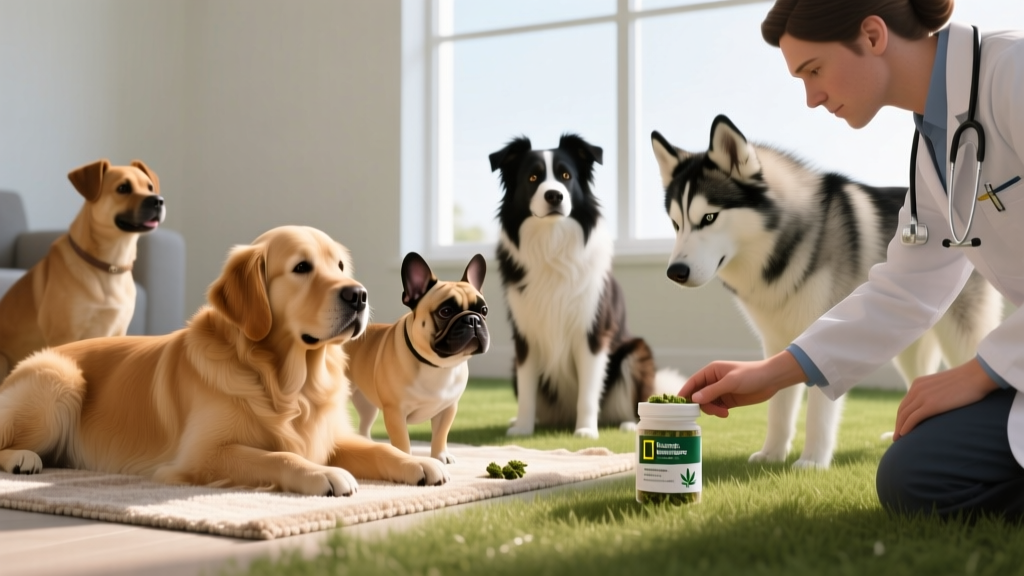
Quick Answer: CBD (cannabidiol) oil interacts with your dog's endocannabinoid system — a network of receptors found in all mammals — to potentially support pain management, anxiety reduction, and seizure control. While early research from institutions like Cornell University and Colorado State University shows promising results for osteoarthritis pain and epilepsy, the FDA has not approved CBD for veterinary use, and product quality varies widely. Always consult your veterinarian before starting CBD, especially if your dog takes other medications, as CBD can alter how the liver processes certain drugs.
The pet CBD market has exploded past $2 billion in recent years, with shelves stocked full of tinctures, chews, and capsules promising relief for everything from thunderstorm anxiety to hip dysplasia. But strip away the marketing, and what does the science actually say about CBD oil for dogs? As someone who has followed the emerging veterinary cannabinoid research closely — and watched clients navigate the confusing product landscape — I want to walk you through the real physiology, the honest data, and what you need to know before giving your dog a single drop.
The Endocannabinoid System: Why Dogs Respond to CBD
How the Endocannabinoid System Works in Dogs
Every mammal — including your dog — possesses an endocannabinoid system (ECS), a complex cell-signaling network discovered in the early 1990s. The ECS consists of three core components:
- Endocannabinoids: Molecules your dog's body naturally produces, primarily anandamide (AEA) and 2-arachidonoylglycerol (2-AG)
- Receptors: CB1 receptors (concentrated in the brain and central nervous system) and CB2 receptors (found primarily in immune cells and peripheral tissues)
- Enzymes: Fatty acid amide hydrolase (FAAH) and monoacylglycerol lipase (MAGL), which break down endocannabinoids after they've served their purpose
CBD doesn't bind directly to CB1 or CB2 receptors the way THC does. Instead, it acts as a negative allosteric modulator of CB1 receptors and inhibits the FAAH enzyme, effectively increasing your dog's circulating levels of their own natural endocannabinoids. This indirect mechanism is why CBD doesn't produce intoxication — it amplifies the system your dog's body already runs.
The Evolutionary Basis: Why Mammals Have an Endocannabinoid System
Evolutionary Origin: The endocannabinoid system is ancient — it evolved over 600 million years ago and is present in all vertebrates, including the gray wolf (Canis lupus) ancestors of domestic dogs. The ECS developed as a master regulatory system for maintaining homeostasis — the body's ability to keep internal conditions stable despite external changes.
In ancestral canids, the ECS played critical survival roles: modulating pain response after injury (allowing a wolf to keep moving to safety), regulating the stress response after a threat passed (preventing chronic cortisol elevation), and controlling inflammatory responses to infections. When your dog takes CBD, you're essentially supporting a regulatory system that evolved in Pleistocene wolves to help them survive physical trauma, food scarcity, and predator encounters.
The ECS regulates a remarkably wide range of physiological processes in dogs, which explains why CBD seems to affect so many different conditions:
- Pain perception and nociception
- Inflammatory response modulation
- Anxiety and stress response (HPA axis regulation)
- Appetite and nausea control
- Sleep-wake cycles
- Immune system function
- Seizure threshold modulation
What the Research Actually Shows: CBD Studies in Dogs
Let's separate marketing claims from published, peer-reviewed evidence. Here's what controlled studies have demonstrated so far:
Osteoarthritis Pain (Strongest Evidence)
A landmark 2018 study from Cornell University's College of Veterinary Medicine found that 2 mg/kg of CBD oil administered twice daily significantly increased comfort and activity levels in dogs with osteoarthritis. The study used force-plate analysis — an objective measurement of weight-bearing — and found that over 80% of dogs showed measurable improvement in pain scores. Owners reported decreased limping and increased willingness to climb stairs.
Epilepsy and Seizure Control
Colorado State University's veterinary school conducted a clinical trial published in the Journal of the American Veterinary Medical Association examining CBD as an adjunct therapy for dogs with idiopathic epilepsy. Dogs receiving CBD alongside their existing anti-seizure medications showed a median reduction in seizure frequency of approximately 33%. Importantly, this was an add-on therapy — CBD was not used as a replacement for phenobarbital or potassium bromide. Research is ongoing, with CSU's larger trials seeking to establish optimal dosing protocols.
Anxiety and Stress
Evidence for CBD's anti-anxiety effects in dogs remains preliminary. A 2023 study published in Frontiers in Veterinary Science examined CBD's effects on dogs exposed to stressors like car travel and unfamiliar environments. Results suggested reduced stress-related behaviors, but sample sizes were small and more rigorous controlled trials are needed. Many owners report subjective improvements in noise phobia and separation anxiety, but controlled data is still catching up to anecdotal experience.
Key Published Studies
- Gamble et al. (2018) — Cornell University: Pharmacokinetics and clinical efficacy of CBD in osteoarthritic dogs. Frontiers in Veterinary Science.
- McGrath et al. (2019) — Colorado State University: Randomized blinded-controlled trial of CBD in epileptic dogs. JAVMA.
- Morris et al. (2023) — CBD effects on canine stress responses. Frontiers in Veterinary Science.
Dosing, Products, and Practical Guidance for Dog Owners
This is where most dog owners get lost — and where mistakes happen. Here's the practical framework you need:
| Dog Weight | Starting Dose (mg) | Frequency | Typical Product Volume |
|---|---|---|---|
| 10–20 lb / 4.5–9 kg | 5–10 mg | Twice daily | 0.25–0.5 mL (at 20 mg/mL concentration) |
| 21–50 lb / 9.5–23 kg | 10–25 mg | Twice daily | 0.5–1.25 mL (at 20 mg/mL concentration) |
| 51–80 lb / 23–36 kg | 25–40 mg | Twice daily | 1.25–2.0 mL (at 20 mg/mL concentration) |
| 81+ lb / 36+ kg | 40–50 mg | Twice daily | 2.0–2.5 mL (at 20 mg/mL concentration) |
Start low, go slow. Begin at the lower end of your dog's weight range and increase gradually over 2–3 weeks while monitoring response. The Cornell protocol used approximately 2 mg/kg twice daily as the therapeutic target, but individual dogs vary significantly in their response.
What to Look for on a CBD Product Label
The pet CBD market is largely unregulated. A 2020 study found that nearly 70% of pet CBD products were mislabeled regarding CBD concentration. Protect your dog by requiring these verifications:
- Certificate of Analysis (COA): Every reputable brand provides a batch-specific COA from an independent third-party lab showing exact CBD content, THC levels (must be below 0.3%), and testing for heavy metals, pesticides, and residual solvents
- Broad-spectrum or isolate: Choose broad-spectrum (CBD + other cannabinoids, no THC) or CBD isolate. Avoid full-spectrum products for dogs, as even trace THC can cause toxicity in canines
- Carrier oil listed: MCT oil (coconut-derived) or hemp seed oil as the carrier — these improve CBD bioavailability
- No xylitol or artificial sweeteners: Xylitol is acutely toxic to dogs. If you suspect xylitol ingestion, contact ASPCA Animal Poison Control at (888) 426-4435 immediately (24/7, consultation fee applies)
- NASC seal: The National Animal Supplement Council quality seal indicates the manufacturer has passed independent facility audits
Realistic Cost Expectations
Quality CBD oil for dogs isn't cheap, and the cheapest option is usually the cheapest for a reason. Expect to pay:
- Budget range: $30–$45 per 30 mL bottle (15–20 mg/mL concentration) — verify COA rigorously at this price point
- Mid-range: $50–$80 per 30 mL bottle (20–30 mg/mL) — most veterinary-recommended brands fall here
- Premium: $85–$130 per 30 mL bottle (30–60 mg/mL) — often organic-certified, veterinary-specific formulations
For a 50 lb dog at therapeutic doses, expect monthly costs of $40–$90 depending on product concentration.
Drug Interactions and Safety: What You Must Know Before Starting
This is the section I wish every dog owner would read before buying CBD. CBD is metabolized by the cytochrome P450 enzyme system in the liver — the same pathway that processes many common veterinary medications. This means CBD can alter blood levels of other drugs your dog takes.
⚠️ Medications with Known or Suspected CBD Interactions
- Phenobarbital and potassium bromide (seizure medications) — CBD may alter therapeutic blood levels
- NSAIDs (carprofen, meloxicam, deracoxib) — potential for increased GI side effects
- Trazodone and gabapentin (anxiety/pain medications) — additive sedation possible
- Cyclosporine (immune suppressant) — CBD may increase blood concentration
- Heart medications (atenolol, enalapril) — potential blood pressure interactions
Always consult your veterinarian before combining CBD with any prescription medication. Your vet may recommend blood work to monitor liver enzymes and drug levels during concurrent use.
Side Effects to Monitor
Reported side effects of CBD in dogs are generally mild and dose-dependent:
- Sedation/drowsiness — most common, especially at higher doses; usually resolves with dose adjustment
- Dry mouth — increased thirst; ensure fresh water is always available
- Lowered blood pressure — transient; watch for light-headedness signs (wobbliness, reluctance to stand)
- GI upset — loose stool or decreased appetite; typically resolves by reducing dose or switching carrier oil
- Elevated liver enzymes (ALT) — documented at high doses; your vet should run baseline and follow-up liver panels
Myths vs. Facts: Clearing Up CBD Misconceptions
| Myth | Fact |
|---|---|
| "CBD will get my dog high" | CBD is non-intoxicating. THC causes psychoactive effects. Legitimate pet CBD products contain less than 0.3% THC — far below any intoxication threshold. If your dog shows signs of THC toxicity (staggering, dilated pupils, urinary incontinence, vomiting), seek emergency veterinary care immediately. |
| "All CBD products are basically the same" | Product quality varies enormously. Extraction method (CO2 vs. solvent), hemp source, third-party testing, and formulation all affect safety and efficacy. Human CBD products may contain flavorings, higher THC levels, or carrier oils unsuitable for dogs. |
| "CBD cures cancer in dogs" | No published clinical evidence supports CBD as a cancer cure in dogs. Some preliminary laboratory studies suggest anti-tumor properties in isolated cells, but this is far from clinical proof. CBD may help manage cancer-related pain and appetite loss as a supportive therapy alongside conventional treatment. |
| "More CBD is always better" | CBD follows a biphasic dose-response curve — meaning that beyond an optimal dose, higher amounts may actually reduce effectiveness or increase side effects. This is why starting low and titrating upward is essential. |
| "My vet is against all supplements" | Many veterinarians are open to CBD as an adjunct therapy. The challenge is that the FDA has not approved CBD for animal use, which limits what vets can legally recommend. Bring a specific product COA to your appointment and ask for guidance — most vets appreciate an informed owner. |
Breed Variations and When CBD May Be Particularly Relevant
While the endocannabinoid system functions similarly across all dog breeds, certain breeds carry higher predispositions to conditions where CBD research is most advanced:
- Large and giant breeds (German Shepherds, Labrador Retrievers, Golden Retrievers, Great Danes): Higher osteoarthritis and hip dysplasia rates make them candidates for CBD-supported pain management. A 75 lb Lab with bilateral hip dysplasia may benefit from the Cornell osteoarthritis protocol alongside conventional treatment.
- Breeds prone to epilepsy (Border Collies, Australian Shepherds, Belgian Tervuren, Bernese Mountain Dogs): Idiopathic epilepsy prevalence is higher in these breeds, and the CSU adjunct-therapy research is particularly relevant. Note: Border Collies show a specific epilepsy phenotype that may be more treatment-resistant.
- Anxiety-prone breeds (Greyhounds, German Shepherds, Border Collies, rescue dogs from high-stress backgrounds): While anxiety research is still emerging, these breeds often have hyperactive stress responses where ECS modulation may offer support alongside behavioral modification and conventional anxiety medications.
- Brachycephalic breeds (French Bulldogs, Pugs, Bulldogs): Chronic inflammation related to brachycephalic obstructive airway syndrome (BOAS) is an area where CBD's anti-inflammatory properties are being explored, though no breed-specific studies exist yet.
When CBD Response Might Signal a Deeper Problem
If your dog's symptoms don't improve with properly dosed CBD — or worsen — this is clinically meaningful information. Conditions that fail to respond to ECS modulation warrant thorough veterinary investigation:
- Pain that doesn't improve: May indicate a structural problem (torn cruciate ligament, spinal disc disease) requiring surgical or interventional treatment rather than pharmacological management alone
- Seizures that increase in frequency: Could signal a brain tumor, metabolic disease (hepatic encephalopathy), or toxin exposure rather than idiopathic epilepsy
- Anxiety that escalates: May indicate an underlying pain condition (dogs in chronic pain often present as "anxious"), thyroid dysfunction, or cognitive dysfunction syndrome in senior dogs
- New symptoms after starting CBD: Vomiting, severe lethargy, ataxia (staggering), or jaundice (yellow gums/eyes) require immediate veterinary evaluation — these could indicate liver toxicity, product contamination, or a drug interaction
How CBD Processing Differs Between Dogs and Humans
Dogs are not small humans, and their CBD metabolism reflects key physiological differences:
- Faster gastrointestinal transit: Dogs have shorter digestive tracts with faster transit times (typically 8–10 hours vs. 24–72 hours in humans), which affects oral CBD absorption. This is why oil tinctures administered sublingually or mixed with a high-fat food (which slows gastric emptying) show better bioavailability in dogs than capsules.
- Different liver enzyme profiles: Canine cytochrome P450 enzymes (primarily CYP2C and CYP3A families) metabolize CBD differently than human CYP3A4 and CYP2C19. This means human dosing guidelines cannot be directly translated to dogs.
- Higher CB1 receptor density in certain brain regions: Dogs have proportionally more cannabinoid receptors in the cerebellum and brainstem than humans. This is partly why THC is more dangerous for dogs — and why ensuring your CBD product contains negligible THC is non-negotiable.
- Lower oral bioavailability: Published pharmacokinetic data suggests oral CBD bioavailability in dogs ranges from roughly 13–19%, meaning the majority of an oral dose is metabolized before reaching systemic circulation. Liposomal formulations and oil-based delivery improve this, but the numbers explain why effective doses may seem high relative to body weight.
Practical Takeaways for Dog Owners
- Consult your vet first. Especially if your dog takes any prescription medications. Bring the product COA to your appointment.
- Choose broad-spectrum or isolate. Never give your dog a full-spectrum product containing THC.
- Start at the low end of the dosing range for your dog's weight and increase gradually over 2–3 weeks.
- Track your dog's response. Keep a simple daily log noting pain level (1–5 scale), activity duration, anxiety triggers, and any side effects. Share this with your vet at follow-up.
- Administer with a fat-containing food (a spoonful of plain yogurt, a bit of salmon oil) to improve absorption.
- Request baseline blood work before starting and a follow-up liver panel at 4–6 weeks to monitor ALT levels.
- Don't replace proven treatments. CBD works best as an adjunct — alongside NSAIDs, seizure medications, or behavioral therapy — not as a standalone replacement.
Frequently Asked Questions
How long does it take for CBD oil to work in dogs?
For acute effects (calming before a vet visit, for example), oral CBD typically reaches peak blood levels in 1–2 hours in dogs. For chronic conditions like osteoarthritis, meaningful improvement usually takes 2–4 weeks of consistent twice-daily dosing as the ECS reaches steady-state modulation. Don't judge efficacy after a single dose — commit to a minimum 3-week trial at therapeutic levels before deciding whether CBD is working for your dog.
Can I give my dog my own CBD oil?
Technically, human CBD oil that is broad-spectrum or isolate with a verified COA showing less than 0.3% THC and no xylitol can be dosed for dogs. However, human products often contain higher concentrations, flavorings (citrus, mint), or carrier oils that may cause GI upset in dogs. Pet-specific formulations are dosed more appropriately and avoid risky additives. The safest approach is a product specifically formulated and tested for canine use.
Is CBD oil safe for senior dogs?
CBD can be used in senior dogs, but extra caution is warranted. Older dogs are more likely to have compromised liver or kidney function, take multiple medications, and have reduced metabolic clearance. Start at 50% of the standard dose, monitor closely for sedation and GI effects, and ensure your vet runs a senior blood panel before and during CBD use. Senior dogs with osteoarthritis are actually among the most common candidates for CBD therapy in veterinary practice.
Will CBD show up on a drug test if my dog is a working or competition dog?
Standard drug screening in canine sports (AKC agility, obedience, field trials) does not currently test for CBD specifically. However, some full-spectrum products may contain enough THC to trigger a positive result. If your dog competes in any regulated sport, use only CBD isolate (zero THC) and keep the COA on file. Check with your specific governing body for their current cannabinoid policies.
What's the difference between CBD oil and hemp seed oil?
Hemp seed oil is pressed from hemp seeds and contains negligible cannabinoids — it's essentially a nutritional oil rich in omega-3 and omega-6 fatty acids. CBD oil is extracted from the flowers, leaves, and stalks of hemp plants and contains measurable cannabidiol. If a product label says "hemp oil" without specifying CBD content in milligrams, you're likely looking at hemp seed oil, which has nutritional value but will not provide ECS-modulating effects.
Dr. Hannah Wickes
All our authors care for dogs every day — read more of their work on the authors page.


