Canine Science
The science behind how dogs think, feel, and live — evidence-based deep dives.

Why Do Dogs Lick? The Science Behind Licking Dogs and What It Means
Why do dogs lick people, objects, and themselves? Explore the evolutionary biology, neuroscience, and practical meaning behind licking dogs in this science-based guide.
Priya Sutaria
Dogs and Fruits and Vegetables: What They Can Digest
Explore the science of dogs and fruits and vegetables — how canine digestion evolved, what the research says, and which produce is safe or toxic.
Priya Sutaria
Blood Groups in Dogs to Canine Blood Types & Transfusions
Learn about blood groups in dogs, including DEA types, universal donors, transfusion compatibility, and why knowing your dog's blood type matters for emergencies.
Marcus Aldridge
Pekinese Dog Breathing Science: Why Brachycephalic Anatomy Matters
The science behind Pekinese dog breathing: brachycephalic anatomy, BOAS mechanisms, evolutionary origins, and what owners need to know for daily care.
Marcus Aldridge
Can Dogs Eat Watermelon? The Science Behind Watermelon for Dogs
Can dogs eat watermelon safely? Explore the canine science of watermelon digestion, sugar metabolism, hydration benefits, and serving guidelines by weight.
Anouk Beaumont
How to Express Anal Glands in Dogs: A Science-Based Guide
Learn the science behind canine anal glands, when to express them, how the process works, and what research reveals about this often-misunderstood anatomy.
Tom Renshaw
The Mutts Dog Genome
Explore the canine science behind the mutts dog genome, hybrid vigor, genetic diversity, and what mixed-breed DNA means for health, temperament, and longevity.
Marcus Aldridge
Dog Squinting Explained: The Science Behind Why Dogs Squint
Why do dogs squint? Explore the science, evolutionary roots, and health implications of dog squinting — from communication to eye disease warning signs.
Beth Carrasco
What Does It Mean When a Dog's Ears Are Back? A Canine
What does it mean when a dog's ears are back? Discover the science behind canine ear positions, from fear and submission to relaxation and breed-specific signals.
Anouk Beaumont
How Often Should You Bathe a Dog? The Science of Canine
How often should you bathe a dog? Veterinary science explains canine skin biology, breed-specific bathing schedules, and the risks of over-bathing.
Beth Carrasco
Pharaoh Dog Blushing: The Science Behind This Unique Canine Trait
Why do Pharaoh Hounds blush? Explore the science, evolution, and physiology behind the Pharaoh dog's famous color-changing nose and ears.
Dr. Hannah Wickes
Pregabalin for Dogs: How This Nerve Pain Medication...
Learn how pregabalin for dogs works at the neurological level, when vets prescribe it, correct dosages, side effects
Robin Maitland
CBD for Dog Pain: What the Science Actually Shows in 2026
science behind CBD for dog pain — how cannabinoids interact with canine physiology, what peer-reviewed studies reveal, and practical dosing guidance.
Dr. Hannah Wickes
Why Do Dogs Put Their Paw on You? The Science Behind This Behavior
Discover why dogs put their paw on you — from oxytocin bonding and evolutionary roots to breed differences and when pawing signals a problem.
Priya Sutaria
Dog Deodorant Science: Why Dogs Smell and What Actually Works
Explore the science behind dog odor, how canine skin and coat produce smell, and whether dog deodorant products are safe and effective for your pet.
Marcus Aldridge
Belgian Tervuren Intelligence & Herding Instinct: The
Explore the science behind the Belgian Tervuren's herding drive, intelligence, and working behavior — from evolutionary roots to practical owner guidance.
Dr. Hannah Wickes
Dogs in Myths
Dogs in myths have shaped how we view canine behavior for centuries.
Dr. Hannah Wickes
Biggest Dog on Earth: The Science of Giant Breed Size & Growth
What makes the biggest dog on earth so massive? Explore the genetics, physiology, and evolutionary science behind giant dog breeds and what it means for owners.
Jonas Cole
New Guinea Singing Dog: The Science Behind Their Unique Vocalizations
Explore the science behind the New Guinea Singing Dog's unique vocalizations — evolutionary origins, physiology, and what makes them unlike any other canid.
Aaron Whyte
Why Dogs Stick Their Tongue Out: The Science of Canine Bleps
Why do dogs leave their tongues hanging out? Explore the science, evolution, and health signals behind dogs with tongue out — and when to worry.
Anouk Beaumont
Dogs and Lungworm: Infection, Prevention, and Treatment
Everything you need to know about dogs and lungworm: the science of how infection happens, symptoms to watch for, treatment protocols.
Robin Maitland
Tea Tree Oil for Dogs: The Science of Toxicity and Safe Alternatives
Is tea tree oil safe for dogs? Explore the canine science behind tea tree oil toxicity, safe exposure limits, symptoms of poisoning, and vet-recommended alternatives.
Beth Carrasco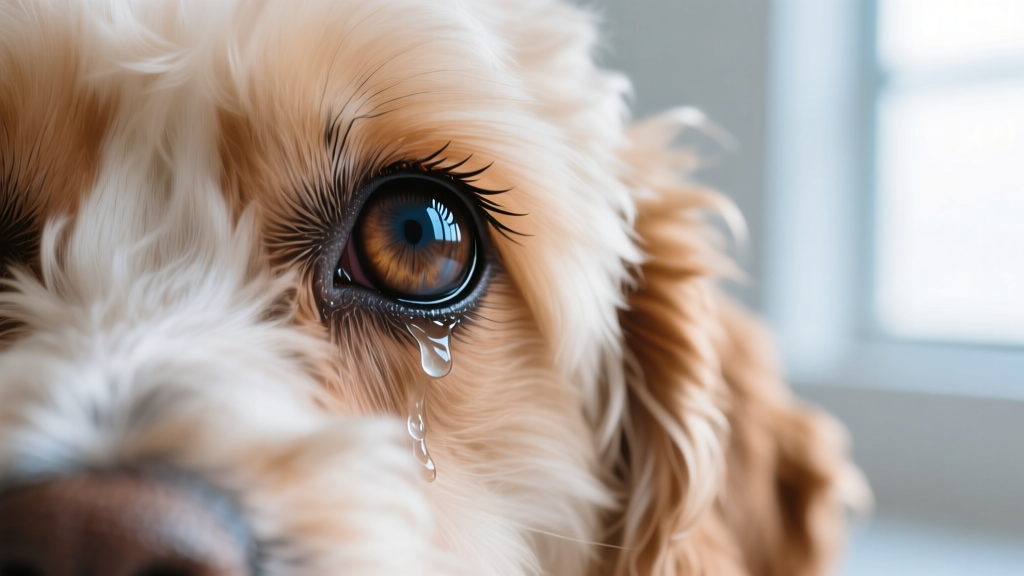
Water Eyes in Dogs: The Science Behind Canine Tears
Explore the science of water eyes in dogs — why dogs tear up, the physiology of canine lacrimal systems, and when watery eyes signal health issues.
Robin Maitland
Signs of Blockage in Dogs: The Science of Gastrointestinal Obstruction
Learn the key signs of blockage in dogs, the physiological science behind GI obstruction, and what owners need to know about diagnosis, treatment, and prevention.
Robin Maitland
Female Dog Peeing Blood But Acting Normal: Causes & What to Do
Why is your female dog peeing blood but acting normal? Explore UTIs, stones, estrus, and more. Learn when to see the vet and what tests to expect.
Marcus Aldridge
Chinese Dog Breeds: The Science Behind Their Unique Traits
Explore the canine science behind Chinese dog breeds — from the Shar-Pei's wrinkles to the Chow Chow's blue tongue.
Tom Renshaw
Types of Lab Dogs: Working Line vs. Show Line Labradors
Explore the types of Lab dogs through canine science — working line vs. show line Labradors differ in genetics, physiology, temperament, and behavior.
Tom Renshaw
Why Pomeranian Dogs Bark So Much: The Science Behind the Vocal Spitz
Why do Pomeranian dogs bark so much? Explore the canine science behind Pomeranian vocalization — evolutionary roots, brain mechanisms, and practical training tips.
Beth Carrasco
Dogs and Tuna: The Science Behind Canine Fish Nutrition
Explore the science of dogs and tuna — from evolutionary biology to mercury risks, safe serving sizes, and what canine physiology reveals about fish-based diets.
Beth Carrasco
Dog Shoes for Summer: The Canine Science of Paw Pad Heat Protection
Discover the canine science behind why dog shoes for summer matter — paw pad physiology, heat thresholds, burn risks, and evidence-based protection strategies.
Anouk Beaumont
Average Heart Rate for a Dog: Canine Science Explained
What is the average heart rate for a dog? Learn the science behind canine cardiovascular function, breed variations, and when to call your vet.
Anouk Beaumont
Canine Worm Infections: How Parasites Hijack Your Dog's Body
Explore the science behind canine worm infections — how intestinal parasites evolved, their physiological mechanisms, and what modern dog owners need to know.
Priya Sutaria
The Firehouse Dog: Science Behind the Dalmatian-Fire Station Bond
Why are Dalmatians the iconic firehouse dog? Explore the canine science, evolutionary traits, and history behind this legendary role.
Robin Maitland
Dog Dry Coughing: Causes, Science, and When to Worry
Understand why your dog is dry coughing, the physiological mechanisms behind it, common causes from kennel cough to heart disease, and when to see a vet.
Jonas Cole
Presos Dog Explained: The Canine Science Behind Prey Drive
What is a presos dog? Learn the science behind prey drive in dogs, evolutionary origins, physiological mechanisms, and practical training tips for owners.
Priya Sutaria
My Dog Ate an Acorn: Is It Toxic and What to Do Next
Your dog ate an acorn — here's what veterinary science says about toxicity risks, gallotannin poisoning symptoms, and exactly what to do next.
Robin Maitland
Dog Always Licking Paws: The Science Behind This Common Behavior
Why is your dog always licking paws? Discover the canine science behind paw licking, from evolutionary roots to medical red flags and practical solutions.
Dr. Hannah Wickes
Dog FCE (Fibrocartilaginous Embolism): What Owners Need to Know
Learn about dog FCE (fibrocartilaginous embolism) — causes, symptoms, diagnosis, treatment, and recovery outlook for this sudden spinal cord condition.
Marcus Aldridge
Dog Tear Stains: The Science of Porphyrins, Epiphora, and Eye Health
Discover the canine science behind dog tear stains — porphyrin pigments, epiphora causes, breed predispositions, and evidence-based prevention strategies.
Tom Renshaw
Dog Breathing Heavily
Why is your dog breathing heavily? Explore the science of canine respiration, evolutionary origins, breed risks, and red-flag symptoms that require a vet visit.
Aaron Whyte
English Field Cocker Spaniel: The Science Behind Their Scenting Drive
Discover the canine science behind the English Field Cocker Spaniel's legendary scenting ability, evolutionary roots, & what their nose-driven behavior...
Tom Renshaw
Dog Normal Temperature: What's Normal, When to Worry, and Why
Learn the science behind dog normal temperature (101–102.5°F), how canines regulate heat, breed variations, and when a fever signals an emergency.
Marcus Aldridge
The Science of Dog Skin Care
Discover the science behind dog skin care — how canine skin physiology, pH, and evolutionary adaptations differ from humans and what it means for daily care.
Robin Maitland
Dog Mind Stimulation: The Science Behind Canine Cognitive Enrichment
Explore the science of dog mind stimulation — how canine brains process enrichment, why cognitive exercise matters, and evidence-based ways to keep your
Beth Carrasco
The Science Behind the Comfort Dog: How Canines Detect...
Discover the science behind how comfort dogs detect human emotions through physiological cues, evolutionary history, and breed-specific abilities.
Priya Sutaria
Catnip for Dogs
Does catnip work on dogs? Explore the science behind anise and fennel as canine stimulants, safety data, breed variations, and practical use tips.
Jonas Cole
Inca Orchid Dog: This Hairless Breed's Unique Traits
Discover the science behind the Inca Orchid Dog's hairless coat, dental traits, and thermoregulation. Expert-backed insights on this rare Peruvian breed.
Jonas Cole
Dogs Present Their Bum Hole: The Science Behind Canine...
Why do dogs sniff each other's bum hole? Discover the evolutionary, physiological, and chemical science behind canine rear-end greetings and what it means.
Dr. Hannah Wickes