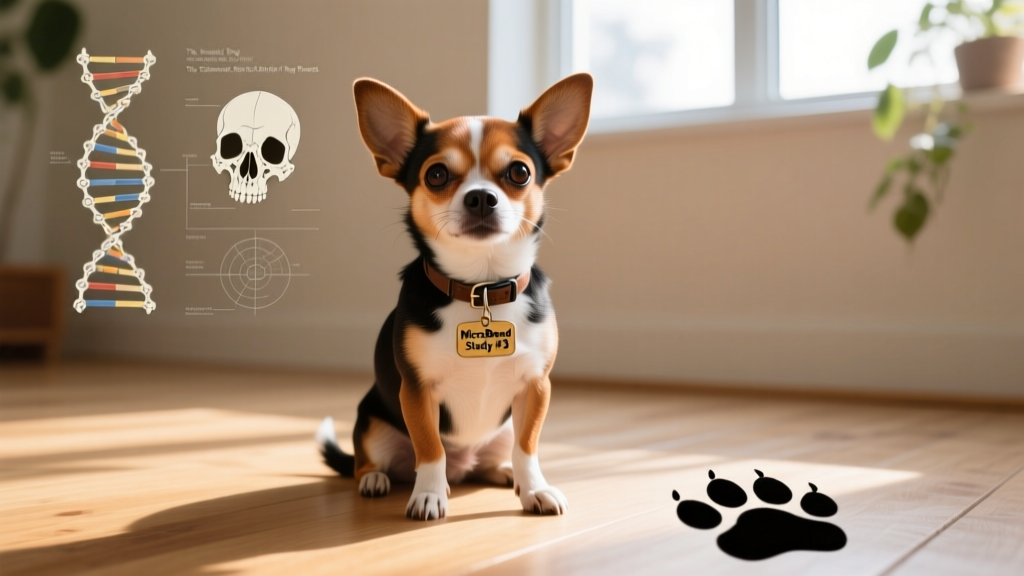
Why Does My Dog Smell Like Corn Chips? The Science Behind
Why does my dog smell like corn chips?

Quick Answer: Why Does My Dog Smell Like Corn Chips?
The corn chip smell coming from your dog's paws — colloquially known as "Frito feet" — is caused by a combination of naturally occurring bacteria and yeast that colonize the paw pads. The two primary microorganisms responsible are Pseudomonas bacteria and Proteus bacteria, along with the yeast Malassezia. When these microbes metabolize the oils, sweat, and dead skin cells on your dog's paw pads, they produce volatile organic compounds (VOCs) — specifically pyrazines and other nitrogen-containing molecules — that smell remarkably similar to corn chips, tortilla chips, or popcorn. This is entirely normal in most dogs and is not a sign of poor hygiene.
If you've ever buried your nose in your dog's paws and caught a whiff of something that smells like it came straight out of a snack aisle, you're not alone. This phenomenon is so widespread among dog owners that it has earned its own nickname: Frito feet. While the smell can be amusing (or mildly off-putting), understanding the biology behind it reveals a fascinating intersection of canine microbiology, evolutionary adaptation, and skin physiology.
This article breaks down the exact microbial mechanisms at work, explores why dogs evolved to host these specific organisms, and explains when that familiar corn chip scent crosses the line from normal to concerning.
The Microbiology of Frito Feet: What's Actually Living on Your Dog's Paws
The Key Microorganisms
Your dog's skin — like yours — is home to a complex ecosystem of bacteria, yeast, and fungi collectively called the cutaneous microbiome. The paw pads, however, host a uniquely concentrated community due to their structure and function.
The three primary organisms responsible for the corn chip odor are:
- Pseudomonas species — Gram-negative bacteria that thrive in moist environments. They produce a distinctive yeasty, slightly sweet odor that many people associate with corn snacks. Pseudomonas is ubiquitous in soil and water, meaning dogs pick it up constantly during walks.
- Proteus species — Another Gram-negative bacterium commonly found on canine skin and in the environment. Proteus produces a characteristic "corn tortilla" smell when it breaks down amino acids on the skin surface.
- Malassezia pachydermatis — A lipophilic (oil-loving) yeast that is a normal resident of canine skin, particularly in areas with higher concentrations of sebaceous glands. While paw pads don't have sebaceous glands, the interdigital spaces (between the toes) do, and the yeast migrates to the pad surface.
How the Corn Chip Smell Is Produced
The odor isn't produced by the bacteria themselves — it's a byproduct of their metabolism. Here's the step-by-step biochemical process:
- Sweat and oil accumulation: Dogs have eccrine sweat glands in their paw pads (the only place on their body where these glands are concentrated). These glands secrete a watery fluid that keeps the pads supple and provides traction.
- Microbial feeding: Pseudomonas and Proteus bacteria feed on the proteins, lipids, and dead skin cells (keratinocytes) present in this sweat and on the pad surface.
- Volatile compound release: As these bacteria metabolize amino acids — particularly isoleucine, leucine, and valine — they release pyrazines, a class of heterocyclic nitrogen compounds. Pyrazines are the exact same molecules that give roasted corn, toasted bread, and yes, corn chips their characteristic aroma. Food scientists actually use synthetic pyrazines as artificial corn flavoring.
- Enclosed amplification: The interdigital spaces between your dog's toes create a warm, dark, humid microenvironment — essentially a fermentation chamber. This accelerates microbial activity and concentrates the VOCs, making the smell strongest when you spread the toes apart.
Research published in the Merck Veterinary Manual confirms that canine skin normally harbors diverse bacterial populations, and the specific composition varies by body region — with paw pads hosting a distinctly different community than, say, the abdomen or ear canals.
The Evolutionary Basis: Why Dogs Carry These Microbes
Ancestral Function of the Paw Microbiome
The bacteria and yeast that produce Frito feet aren't accidental hitchhikers — they serve ecological functions that benefited ancestral canids long before domestication.
Wolves, coyotes, and other wild canids travel enormous distances daily — wolves cover 10-30 miles per day on average — across varied terrain including soil, rock, snow, and water. Their paw pads are the primary interface with the environment, and the microbial communities that colonize them serve several adaptive purposes:
- Competitive exclusion: A well-established population of Pseudomonas and Proteus on the paw pads occupies ecological niches that might otherwise be colonized by more pathogenic organisms. In microbiology, this is known as competitive exclusion — the resident bacteria consume available nutrients and produce metabolic byproducts that inhibit the growth of harmful competitors.
- Environmental sensing: The canine vomeronasal organ (Jacobson's organ) and the olfactory epithelium process scent information collected by the paws. When a dog walks across terrain, microbes and chemical compounds adhere to the pads. Later, when the dog licks or sniffs its paws — a behavior observed in all canid species — it essentially "reads" the chemical information gathered during travel. This is part of how wolves track prey and assess territorial boundaries.
- Pad integrity maintenance: The slightly acidic pH created by bacterial metabolic byproducts (typically pH 5.5-6.8 on canine skin) helps maintain the structural integrity of the keratinized pad surface and inhibits fungal overgrowth that could cause cracking or infection.
Domestic dogs have retained these microbial communities despite thousands of years of living alongside humans. The corn chip smell is essentially a vestige of a functional system — your dog's paws are still doing what wolf paws do, just on your kitchen tile instead of the tundra.
How Canine Paw Physiology Differs From Human Skin
Understanding why dogs get Frito feet but humans generally don't requires looking at the structural differences between canine and human skin:
| Feature | Dog Paw Pads | Human Skin (Feet) |
|---|---|---|
| Sweat gland type | Eccrine glands (watery secretion) | Eccrine glands (more numerous, ~600/cm²) |
| Keratin layer thickness | Thick, hyperkeratinized (up to 2mm) | Moderate (0.4-1.4mm on soles) |
| Surface pH | 5.5-7.2 (more neutral) | 4.0-5.5 (more acidic) |
| Hair follicles | Absent on pads, present between toes | Sparse on soles |
| Shoe coverage | Rarely covered (barefoot 24/7) | Usually covered (shoes/socks) |
| Environmental exposure | Direct contact with soil, grass, pavement | Filtered through footwear |
The more neutral pH of canine skin is a critical factor. Human skin's higher acidity (lower pH) inhibits bacterial growth more aggressively. Dog skin's relatively neutral pH is more hospitable to bacterial colonization, which is why Pseudomonas and Proteus thrive so readily on paw pads. This pH difference is also why dogs are more prone to bacterial skin infections (pyoderma) than humans.
Additionally, dogs walk barefoot on every surface they encounter. Every patch of grass, every puddle, every square of public sidewalk deposits new microbial passengers onto those pads. By contrast, human footwear creates a physical barrier that drastically limits microbial acquisition from the environment.
Is the Corn Chip Smell Normal? Separating Fact From Fiction
Because Frito feet is so common, a lot of misinformation circulates about what it means and what to do about it. Let's address the most persistent myths:
| Myth | Fact |
|---|---|
| "My dog's feet smell like corn chips because they ate corn products." | Diet has minimal direct impact on paw odor. The smell comes from external microbial activity, not systemic digestion. However, food allergies can increase skin inflammation and secondary yeast overgrowth, indirectly intensifying the smell. |
| "Frito feet means my dog is dirty and needs more baths." | Overbathing actually disrupts the skin's natural microbiome and can worsen odor by removing competitive bacteria and allowing opportunistic organisms to colonize. Bathing more than once every 2-4 weeks with harsh shampoos strips protective skin oils. |
| "Only certain breeds get Frito feet." | All breeds can develop the corn chip smell, but dogs with tighter interdigital spaces (Bulldogs, Pugs, Shar-Peis) or excessive paw fur (Newfoundlands, Spaniels) tend to have more concentrated odor due to increased moisture retention between toes. |
| "I should use antibacterial wipes to eliminate the smell." | Routine use of antibacterial products (chlorhexidine wipes, alcohol-based cleaners) on healthy paws eliminates beneficial bacteria alongside harmful ones. This can paradoxically increase odor long-term and raise infection risk. Reserve antibacterial treatments for vet-diagnosed conditions. |
| "The smell means my dog has a yeast infection." | Not necessarily. Normal Malassezia populations produce mild odor without causing infection. A true yeast infection presents with additional signs: redness, swelling, excessive licking, greasy discharge, or a strong musty/sweet smell that's noticeably worse than baseline. |
Breed Variations: Which Dogs Are More Prone to Strong Paw Odor?
While Frito feet can occur in any breed, certain anatomical and physiological traits make some dogs more likely to produce a noticeable corn chip smell:
High-Odor Breeds (Anatomical Predisposition)
- Brachycephalic breeds with skin folds (English Bulldogs, French Bulldogs, Pugs, Shar-Peis) — Deep interdigital folds trap moisture and create anaerobic microenvironments where bacterial populations concentrate. Bulldogs are particularly prone, with many owners reporting intense Frito feet as a constant feature.
- Heavy-coated breeds with feathered feet (Cocker Spaniels, Golden Retrievers, Newfoundlands, Tibetan Spaniels) — Long fur between the toes wicks moisture against the pads and reduces air circulation, accelerating microbial growth.
- Water-loving breeds (Labrador Retrievers, Chesapeake Bay Retrievers, Portuguese Water Dogs) — Frequent swimming and water play keep paw pads in a perpetually moist state, which Pseudomonas bacteria prefer.
Lower-Odor Breeds
- Short-coated, tight-toed breeds (Greyhounds, Whippets, Vizslas) — Minimal interdigital fur and naturally drier paw environments result in less microbial concentration.
- Breeds from arid-climate ancestry (Basenjis, Salukis, Pharaoh Hounds) — These breeds evolved in dry environments and tend to have less moisture retention in their paw structures.
When Frito Feet Signals a Problem: Red Flags to Watch For
In most cases, a mild corn chip smell is a normal part of owning a dog. However, certain changes in paw odor or accompanying symptoms warrant a veterinary visit. Here's how to distinguish normal Frito feet from a developing health issue:
When to Call Your Veterinarian
Consult your veterinarian if the corn chip smell is accompanied by any of the following:
- Sudden intensification: The odor becomes noticeably stronger over 24-48 hours without a change in activity or environment.
- Color change: Paw pads or interdigital skin appear red, dark brown, or have a greenish tint.
- Excessive licking or chewing: Your dog obsessively licks or gnaws at their paws — this often signals pruritus (itching) from allergy, infection, or pain.
- Discharge: Visible moisture, grease, or crusty buildup between the toes that wasn't there before.
- Lameness or reluctance to walk: Limping, favoring a paw, or hesitating on hard surfaces.
- Hair loss: Thinning or missing fur around the paws (alopecia from chronic licking).
- Spreading odor: The corn chip smell extends beyond the paws to the ears, groin, or body — this may indicate systemic Malassezia overgrowth or a metabolic condition.
Medical Conditions That Alter Paw Odor
Several underlying conditions can cause paw odor to intensify or change character:
- Atopic dermatitis (environmental allergies): The most common cause of sudden Frito feet intensification. Allergens (pollen, dust mites, mold spores) trigger inflammatory responses in the paw skin, increasing sebum production and creating ideal conditions for Malassezia overgrowth. According to the AVMA, atopic dermatitis affects an estimated 10-15% of the canine population.
- Interdigital pyoderma: Bacterial infection between the toes, often secondary to allergies or foreign body penetration (grass awns, thorns). Produces a sharper, more pungent odor than normal Frito feet, sometimes with a metallic or rotting quality.
- Malassezia dermatitis (yeast infection): Overgrowth of Malassezia yeast produces a distinctly sweet, musty odor — think overripe fruit mixed with corn chips. The skin often appears greasy, thickened (lichenification), or hyperpigmented.
- Hypothyroidism: Low thyroid hormone levels impair skin barrier function and immune response, leading to secondary infections and altered skin microbiome composition. Often accompanied by weight gain, lethargy, and bilateral hair loss.
- Autoimmune conditions (pemphigus foliaceus, lupoid onychodystrophy): These conditions damage the paw pad surface directly, creating crusting, ulceration, and secondary bacterial colonization that alters odor.
If you observe any of these signs alongside the odor change, a veterinary examination is important. Your vet may perform skin cytology (tape prep or impression smear), bacterial culture, or allergy testing to determine the underlying cause. Expect a cytology exam to cost approximately $50-$120, with bacterial culture and sensitivity testing running $80-$200 depending on your region.
Practical Paw Care: Managing Frito Feet Without Disrupting the Microbiome
Daily and Weekly Paw Maintenance
The goal isn't to eliminate Frito feet entirely — that would require destroying the beneficial microbiome. Instead, aim to manage moisture and keep microbial populations balanced:
After walks (daily):
- Wipe paws with a damp microfiber cloth or plain water rinse to remove environmental debris, chemical residues (road salt, lawn treatments), and excess soil bacteria.
- Dry thoroughly between the toes — this single step is the most impactful thing you can do. Moisture is the primary driver of microbial overgrowth.
- For dogs with long interdigital fur, consider trimming the hair between pads every 2-3 weeks to improve air circulation. Use blunt-nosed grooming scissors or ask your groomer.
Weekly maintenance:
- Inspect between each toe for redness, swelling, foreign material, or unusual discharge.
- If odor is bothersome, wash paws with a mild, pH-balanced canine shampoo (look for products with a pH of 6.5-7.5, matching canine skin). Avoid human shampoos, which are formulated for a lower pH and will strip protective oils.
- For breeds prone to moisture retention, apply a thin layer of paw balm (products containing shea butter, beeswax, and vitamin E — avoid petroleum-based products) to maintain pad integrity without trapping moisture.
Environmental management:
- Wash your dog's bedding weekly in hot water (minimum 130°F / 54°C) to reduce microbial load in resting areas.
- If your dog swims frequently, rinse and dry paws immediately after each session. Consider a post-swim paw dip in a 1:10 diluted white vinegar solution (1 part vinegar to 10 parts water) to gently lower surface pH and inhibit yeast growth — but only if the skin is intact and unbroken.
- Keep nails trimmed to prevent splaying of the toes, which can create deeper interdigital pockets where moisture accumulates.
Products to Avoid
Despite the temptation to "fix" the smell, avoid these common but counterproductive approaches:
- Febreze or air fresheners sprayed on paws: These contain volatile compounds that can irritate paw skin and are toxic if licked.
- Hydrogen peroxide soaks: Peroxide damages healthy tissue and delays healing. It should never be used for routine paw care.
- Essential oil sprays (tea tree, eucalyptus, citrus): Many essential oils are toxic to dogs. Tea tree oil (melaleuca) is particularly dangerous — even diluted applications can cause neurological symptoms. If you suspect essential oil exposure, contact the ASPCA Animal Poison Control Center at (888) 426-4435 (a consultation fee applies).
- Daily bathing: Strips the acid mantle and beneficial bacteria, leading to rebound overgrowth and paradoxically stronger odor within 48-72 hours.
Related Canine Scent Behaviors and Abilities
The microbiology of Frito feet connects to several broader aspects of canine scent biology that owners find fascinating:
- Why dogs lick their paws: Beyond grooming, paw licking is a self-soothing behavior and a way for dogs to "taste" environmental information collected on their pads. The vomeronasal organ processes chemical signals from the paws, helping dogs interpret where they've been and what other animals were present. Excessive licking, however, often signals allergies or anxiety rather than normal information-gathering.
- Why dog paws smell different after rain: Moisture dramatically accelerates bacterial metabolism. After walking on wet grass or in rain, Pseudomonas activity spikes, and the corn chip smell often intensifies within 30-60 minutes. This is the same reason damp basements develop musty odors — water activates dormant microbial populations.
- Why puppies have milder paw odor: Young puppies (under 6 months) have less established paw microbiomes and spend less time in contact with diverse environmental surfaces. The characteristic Frito feet smell typically becomes noticeable between 6-12 months as the microbial community matures.
- How dogs use paw scent for communication: Dogs have merocrine sweat glands in their paw pads that deposit a unique chemical signature on surfaces they walk on. This is one reason dogs scratch the ground after defecating — they're layering their individual scent marker using both anal gland secretions and paw pad deposits.
Frequently Asked Questions
Why do dogs get Frito feet but cats usually don't?
Cats have more acidic skin (pH 5.0-6.5) compared to dogs (pH 5.5-7.2), and they are fastidious groomers who regularly clean their paws, mechanically removing bacterial buildup. Additionally, cats spend more time indoors on cleaner surfaces. That said, some cats — particularly long-haired breeds or those with obesity that limits grooming reach — can develop mild paw odor from similar microbial activity.
Can my dog's diet affect how their paws smell?
Indirectly, yes. Dogs with food allergies (most commonly to chicken, beef, dairy, or wheat proteins) experience skin inflammation that increases sebum production and creates conditions for yeast overgrowth. If your dog's Frito feet intensified after a diet change, or is accompanied by ear infections and itchy skin, a food allergy workup with your veterinarian may be warranted. An elimination diet trial typically lasts 8-12 weeks and costs $80-$200 for prescription hydrolyzed protein diets.
Is it safe to kiss or sniff my dog's paws?
For most healthy adults, briefly sniffing your dog's paws poses minimal risk. The bacteria involved (Pseudomonas, Proteus) are environmental organisms that you encounter daily on surfaces. However, avoid pressing your face directly against the paws if you are immunocompromised, have open wounds on your face, or if your dog has walked through areas treated with chemicals (fertilizers, pesticides, road de-icers). Always wash your hands after handling paws.
Does the corn chip smell get worse in summer?
Yes. Higher ambient temperatures and humidity increase both eccrine sweat production from the paw pads and bacterial metabolic rates. Pseudomonas bacteria reproduce most rapidly at temperatures between 77-104°F (25-40°C), which aligns with summer paw pad surface temperatures, especially on hot pavement. Many owners report noticeably stronger Frito feet from June through September.
What does it mean when my dog's paws suddenly stop smelling like corn chips?
A sudden absence of the usual paw odor is rarely a concern on its own. It may simply reflect recent environmental changes (walking on different surfaces, seasonal shifts, or a recent bath). However, if the change is accompanied by dry, cracking pads or behavioral changes, mention it at your next veterinary visit, as it could indicate altered skin health or reduced sweat gland function.
Can I use coconut oil on my dog's paws to help with the smell?
Virgin coconut oil has mild antimicrobial properties due to its lauric acid content, and a thin application can help moisturize dry pads. However, it won't eliminate the corn chip smell (nor should you want to — the smell indicates a healthy microbiome). Apply sparingly after cleaning and drying the paws, and be aware that dogs will lick it off. Coconut oil is safe for canine ingestion in small amounts, but excessive consumption can cause gastrointestinal upset or contribute to pancreatitis in predisposed dogs.
Sources & Further Reading
- Merck Veterinary Manual — Overview of Skin Disorders in Dogs
- AVMA — Skin Problems in Dogs
- Breathnach, R.M. et al. "The canine skin microbiome." Veterinary Dermatology — research on cutaneous microbial populations in domestic dogs.
Robin Maitland
All our authors care for dogs every day — read more of their work on the authors page.