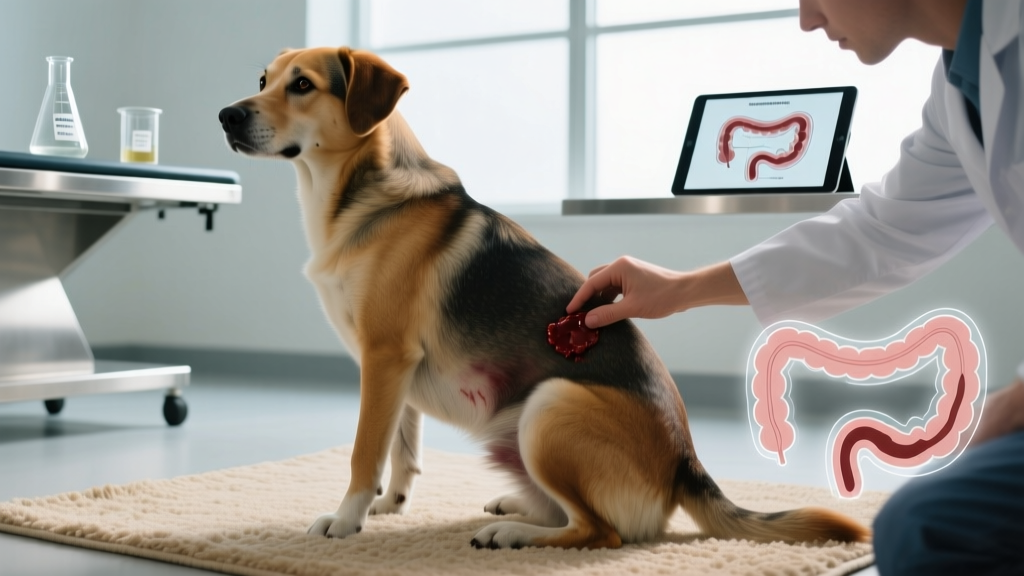
I Get My Dog Fixed?
Wondering where can I get my dog fixed? Compare clinics, costs, and the science behind spay/neuter timing to make the best choice for your dog's health.

Quick Answer: Where Can I Get My Dog Fixed?
You have four primary options for spaying or neutering your dog: private veterinary clinics ($200–$800+), low-cost spay/neuter clinics ($50–$200), animal shelters and humane societies ($25–$150), and mobile spay/neuter units ($50–$175). Your best choice depends on your dog's age, breed, size, and any pre-existing health conditions. For giant breeds or dogs with complex medical histories, a private veterinary clinic offers the most comprehensive pre-surgical screening. For healthy adult dogs on a budget, accredited low-cost clinics provide safe, streamlined surgery.
If you've typed "where can I get my dog fixed" into a search engine at 11 PM, you're not alone. According to the American Veterinary Medical Association (AVMA), millions of dogs are spayed or neutered each year in the United States, and the decision of where to have the procedure done is just as important as when. This guide breaks down every option with real 2026 pricing, the science behind gonadectomy, and breed-specific timing considerations so you can make a confident, evidence-based choice.
The Science of Spay and Neuter: What Actually Happens Inside Your Dog's Body
The Physiological Mechanism of Gonadectomy
Spaying (ovariohysterectomy or ovariectomy) and neutering (castration/orchiectomy) are surgical procedures that remove the gonads — the ovaries and usually the uterus in females, and the testicles in males. These organs are the primary producers of sex hormones: estrogen and progesterone in females, testosterone in males.
Once removed, the hormonal cascade is immediate and permanent:
- Testosterone levels in males drop to near zero within hours of castration, though residual hormone-bound receptors may take 4–6 weeks to fully downregulate.
- Estrous cycles cease entirely in females. No more heat cycles, which typically occur every 6–8 months in intact females.
- Luteinizing hormone (LH) spikes dramatically post-surgery because the negative feedback loop from gonadal hormones is eliminated. This LH elevation is now being studied for its potential role in certain post-neuter health conditions, including some cancers and cognitive changes.
- Growth plate closure is delayed when gonadectomy occurs before skeletal maturity, because sex hormones signal the long bones to stop growing. This is why early spay/neuter in large breeds can result in longer limb bones and altered joint angles.
Evolutionary Context: Why Reproductive Biology Matters
In ancestral wolf populations, only the alpha pair typically bred, while subordinate pack members assisted with pup-rearing. This natural reproductive suppression meant that most wolves in a pack lived their entire lives without reproducing — effectively a natural model for what we now do surgically. Domestic dogs diverged from wolves roughly 15,000–40,000 years ago, and their reproductive systems remain fundamentally similar. The key difference: domestic dogs reach sexual maturity earlier (6–12 months vs. 22–24 months in wolves) and breed year-round rather than seasonally, making population control a genuine welfare issue without human intervention.
Where to Get Your Dog Fixed: Comparing Every Option
Not all spay/neuter providers are the same. Here's a detailed comparison of what each option offers, what it costs, and when it's the right choice for your dog.
| Provider Type | Typical Cost Range (2026) | Pre-Surgical Bloodwork | Pain Management Protocol | Best For |
|---|---|---|---|---|
| Private Veterinary Clinic | $200–$800+ | Usually included or recommended ($80–$200) | Multi-modal: injectable + oral take-home (3–5 days) | Senior dogs, giant breeds, dogs with comorbidities, brachycephalic breeds |
| Low-Cost Spay/Neuter Clinic | $50–$200 | Often optional add-on ($30–$75) | Injectable at surgery; take-home meds may cost extra ($15–$40) | Healthy adult dogs 1–5 years, budget-conscious owners |
| Animal Shelter / Humane Society | $25–$150 (income-based sliding scales available) | Rarely included; visual/physical exam only | Basic injectable; limited take-home options | Rescued strays, community cat/dog programs, qualifying low-income households |
| Mobile Spay/Neuter Unit | $50–$175 | Varies; some include basic panel | Injectable + limited oral meds | Rural areas with limited vet access, multi-pet households |
Private Veterinary Clinics: Full-Service Surgical Care
A private practice offers the highest level of perioperative care. Here's what you're paying for:
- Pre-anesthetic bloodwork: A complete blood count (CBC) and chemistry panel screens for liver/kidney function, anemia, and clotting disorders. This is critical for brachycephalic breeds (French Bulldogs, Pugs, Boston Terriers) who have higher anesthetic risk due to compromised airways.
- IV catheter and fluid therapy: Maintains blood pressure during anesthesia and provides emergency venous access.
- Advanced monitoring: Pulse oximetry, capnography (CO₂ monitoring), ECG, and blood pressure — the same standards used in human outpatient surgery.
- Dedicated surgical suite: Sterile environment with heated surgical tables to prevent hypothermia.
- Post-operative follow-up: Suture check at 10–14 days, included or billed at $30–$60.
Cost reality check: For a 70 lb (32 kg) Labrador female spay at a private clinic in a mid-cost metro area, expect to pay $400–$600 total including bloodwork, surgery, and pain medications. In high-cost areas (San Francisco, New York City), the same procedure can reach $800–$1,000.
Low-Cost and Nonprofit Clinics: Safe Surgery on a Budget
Accredited low-cost clinics — such as those affiliated with the ASPCA or regional organizations like Spay USA — perform high-volume, high-quality surgeries. These clinics are staffed by licensed veterinarians who specialize in efficient spay/neuter procedures. However, they operate on a streamlined model:
- Appointments are shorter (15–20 minute surgical slots for routine cases).
- Pre-surgical bloodwork may not be included but is often available as an add-on.
- Complex cases (cryptorchid males, pyometra, pregnant females) are typically referred to private clinics.
- Post-operative monitoring is abbreviated — your dog goes home the same day, often within 2–4 hours of surgery.
How to verify quality: Ask whether the clinic follows the Humane Society of the United States spay/neuter surgical guidelines, whether a licensed veterinarian (not just a technician) performs the surgery, and whether they have an emergency transfer agreement with a nearby full-service hospital.
The Timing Question: What Research Says About Breed-Specific Spay/Neuter Age
One of the most consequential decisions isn't just where to get your dog fixed — it's when. Groundbreaking research from the University of California, Davis, led by Dr. Benjamin Hart, has fundamentally changed veterinary recommendations on spay/neuter timing based on breed size and specific health risks.
What the UC Davis Studies Found
Published across multiple papers in Frontiers in Veterinary Science and Animals, the Hart research team analyzed health records from thousands of dogs across 35+ breeds. Key findings:
- Large and giant breeds (Golden Retrievers, German Shepherds, Rottweilers, Great Danes) spayed or neutered before 12 months showed significantly higher rates of cranial cruciate ligament (CCL) tears and hip dysplasia. The mechanism: early removal of sex hormones delays growth plate closure, resulting in longer bones that alter joint biomechanics.
- Golden Retrievers neutered before 12 months had a 2–4× increased incidence of lymphosarcoma and hemangiosarcoma compared to intact males.
- German Shepherd Dogs spayed before 12 months had a significantly higher incidence of urinary incontinence (a condition sometimes called "spay incontinence" linked to reduced urethral sphincter tone without estrogen).
- Small breeds (under 40 lb / 18 kg adult weight) showed no significant increase in joint disorders regardless of spay/neuter timing, supporting traditional early-age recommendations.
Breed-Specific Timing Recommendations
| Dog Size Category | Example Breeds | Recommended Spay/Neuter Window | Rationale |
|---|---|---|---|
| Small (<25 lb / 11 kg) | Chihuahua, Toy Poodle, Yorkshire Terrier | 6–9 months | Skeletal maturity reached early; no joint disorder increase found |
| Medium (25–50 lb / 11–23 kg) | Beagle, Cocker Spaniel, Border Collie | 9–12 months | Moderate growth plate timeline; individual assessment recommended |
| Large (50–90 lb / 23–41 kg) | Labrador, Golden Retriever, German Shepherd | 12–18 months (after first heat for females, if manageable) | Delayed closure of growth plates; CCL and hip dysplasia risk reduction |
| Giant (90+ lb / 41+ kg) | Great Dane, Mastiff, Saint Bernard | 18–24 months | Extended skeletal maturity timeline; highest joint disorder sensitivity |
Important caveat: These are population-level findings. Your individual dog's risk profile may differ based on genetics, diet, and activity level. Always consult your veterinarian to determine the optimal timing for your specific dog.
Common Misconceptions About Spaying and Neutering
| Myth | Scientific Fact |
|---|---|
| "My dog will get fat after being fixed." | Gonadectomy reduces metabolic rate by approximately 20–30% (per a 2019 study in the Journal of Veterinary Internal Medicine). Weight gain is not inevitable — it's managed by reducing caloric intake by 20–25% post-surgery and maintaining exercise. Switch to a weight-management or post-neuter formula if your dog's body condition score (BCS) begins to climb above 5/9. |
| "My dog should have one litter before being spayed." | No peer-reviewed evidence supports health benefits from a first litter. In fact, each heat cycle before spaying increases lifetime mammary tumor risk: spaying before the first heat reduces risk to 0.5%, after one heat to 8%, and after two heats to 26% (per the Merck Veterinary Manual). |
| "Neutering will completely stop behavioral problems." | Neutering reliably reduces roaming behavior (by ~90%) and urine marking (by ~50–60%), but it does not reliably resolve aggression, fear-based reactivity, or resource guarding. These behaviors require professional behavior modification using positive reinforcement and counter-conditioning protocols, not hormonal intervention alone. |
| "Low-cost clinics aren't safe." | Accredited high-volume spay/neuter clinics maintain complication rates comparable to private practices (1–3% minor complications, <0.5% major). The key differentiator is patient selection — they screen for healthy candidates and refer complex cases. |
| "It's cruel to take away my dog's ability to reproduce." | Dogs do not experience reproduction as an emotional identity the way humans do. Intact males in the presence of females in estrus experience significant physiological stress (elevated cortisol, reduced appetite, persistent arousal without outlet). Intact females face pyometra risk (a life-threatening uterine infection affecting ~25% of intact females by age 10) and mammary cancer risk. |
Practical Takeaways: Your Step-by-Step Decision Framework
- Identify your dog's risk profile. Note breed, current weight, projected adult weight, age, and any existing health conditions (heart murmurs, allergies, previous adverse drug reactions).
- Match provider to patient. Healthy small-breed puppy → low-cost clinic is appropriate. Brachycephalic adult with a heart murmur → private clinic with full pre-surgical workup is essential. Giant breed under 18 months → delay surgery and schedule with a private practice when the time is right.
- Call 3–5 providers and ask specific questions:
- "Is pre-anesthetic bloodwork included or available?"
- "What pain medications are sent home, and for how many days?"
- "What is your protocol if a complication arises during or after surgery?"
- "Do you use an e-collar, or do you provide a recovery suit?"
- "Is the post-op recheck included in the price?"
- Budget for the full cost, not just the surgery. Add $30–$75 for bloodwork if not included, $15–$40 for take-home pain meds, $20–$35 for an e-collar or recovery suit, and $0–$60 for the recheck visit.
- Prepare your home for recovery. Set up a confined rest area (crate or small room with non-slip flooring), stock up on easy-digest food, and plan 7–10 days of leash-only walks — no running, jumping, or off-leash play.
When Spay or Neuter Might Signal a Problem: Red Flags to Watch For
While gonadectomy is one of the most common and safest veterinary surgeries, complications can occur. Monitor your dog closely for 10–14 days post-surgery.
Call Your Vet Immediately If You Notice:
- Incision opening (dehiscence): Any gap in the suture line, especially with visible tissue or discharge.
- Excessive swelling: A firm, golf-ball-sized lump at the incision site (seroma) may be benign, but rapidly expanding swelling warrants urgent evaluation.
- Pale gums or collapse: Could indicate internal bleeding — a rare but life-threatening emergency, especially within the first 24 hours.
- Refusal to eat for more than 24 hours post-surgery (some appetite reduction is normal for the first 12 hours).
- Fever above 103.5°F (39.7°C) or persistent lethargy beyond 48 hours.
- Vomiting or diarrhea lasting more than 24 hours — may indicate a reaction to pain medication.
If your regular vet is closed and you suspect an emergency, contact your nearest emergency veterinary hospital or the ASPCA Animal Poison Control at (888) 426-4435 if medication ingestion is involved (24/7, consultation fee applies).
Long-Term Health Monitoring After Gonadectomy
Research has identified several conditions with elevated risk in spayed/neutered dogs that owners should monitor throughout their dog's life:
- Hypothyroidism: Slightly increased prevalence in neutered dogs. Watch for weight gain despite controlled diet, lethargy, hair thinning, and cold intolerance. A simple $40–$80 thyroid panel can diagnose this.
- Urinary incontinence: Affects 5–20% of spayed females (especially large breeds). Usually responds well to phenylpropanolamine (PPA) or estrogen supplementation prescribed by your vet.
- Osteosarcoma: Rottweilers spayed/neutered before 12 months showed a significantly higher lifetime risk in the UC Davis data. Discuss breed-specific cancer screening with your veterinarian.
- Cognitive decline: Emerging research suggests that the LH surge post-gonadectomy may play a role in age-related cognitive changes. This is an active area of study, and current evidence is not yet sufficient to change clinical recommendations.
Alternatives to Traditional Spay/Neuter: What Science Says
Some owners explore alternatives to full gonadectomy. Here's what the evidence shows:
- Vasectomy (males): Prevents reproduction but preserves testosterone production. Maintains hormone-dependent protective factors (joint health, metabolic rate) but does NOT reduce roaming, marking, or testicular cancer risk. Available at select private practices — expect $400–$800.
- Ovary-sparing spay / hysterectomy (females): Removes the uterus (eliminating pyometra and pregnancy risk) while preserving ovaries and their hormone production. Eliminates heat cycles only if ovaries are also removed. This is a specialized procedure available at limited practices — expect $500–$1,200.
- Chemical castration (deslorelin implant / Suprelorin): A temporary, reversible implant that suppresses testosterone for 6–12 months. Used more commonly in Europe and Australia. In the U.S., availability is limited and primarily used for behavioral assessment (testing whether neutering would help a specific behavior before committing to surgery). Cost: $100–$250 per implant.
These alternatives are not appropriate for every dog and should be discussed with your veterinarian in the context of your dog's specific health profile, lifestyle, and your goals for the procedure.
Frequently Asked Questions
Can dogs be spayed while in heat?
Technically yes, but most veterinarians recommend waiting 2–3 months after a heat cycle ends. During estrus, the reproductive tract is engorged with blood, making surgery more complex, longer, and higher-risk for hemorrhage. Many clinics charge an additional $50–$150 for spaying a dog in heat due to the increased surgical time and complexity.
Is spay/neuter surgery painful for dogs?
Modern veterinary anesthesia and multi-modal pain management protocols mean that most dogs experience minimal discomfort. During surgery, your dog feels nothing. Post-operatively, most dogs are comfortable within 48–72 hours with prescribed pain medication (typically carprofen or meloxicam for 3–5 days, and sometimes a fentanyl patch or buprenorphine for the first 24 hours). Studies show that dogs receiving proper analgesia resume normal behavior within 2–3 days.
How is canine gonadectomy different from human sterilization?
In humans, vasectomy and tubal ligation preserve hormonal function while preventing reproduction. Traditional canine spay/neuter removes the hormone-producing organs entirely. This is intentional — the hormonal elimination provides significant health benefits (pyometra prevention, mammary cancer reduction, testicular cancer elimination) and behavioral benefits (reduced roaming and marking) that align with responsible pet ownership. However, this difference is exactly why the timing question matters so much for dogs: removing hormones during active skeletal growth has consequences that don't apply to adult human procedures.
What does it mean when my dog still shows mating behavior after being neutered?
Residual mounting or mating behavior in recently neutered males is normal for 4–6 weeks as circulating testosterone metabolizes. If the behavior persists beyond 2–3 months, it has likely become a learned behavior rather than a hormonally driven one. A certified force-free behaviorist can help address this through counter-conditioning and redirection training. Note: mounting can also be a displacement behavior related to excitement or stress, not exclusively sexual motivation.
How do I find a reputable low-cost clinic near me?
Start with these verified directories: the ASPCA's low-cost spay/neuter finder on their website, the Humane Society's local resource listings, or PetSmart Charities' spay/neuter grant partners. Verify that any clinic you choose is staffed by licensed veterinarians (not just technicians), maintains a clean surgical suite, and has a documented emergency transfer protocol.
Is spaying or neutering normal and necessary for all dogs?
For the vast majority of pet dogs in the U.S., gonadectomy is recommended by the AVMA, the ASPCA, and the American Animal Hospital Association (AAHA) as a standard of care. It prevents unwanted litters (an estimated 6.3 million companion animals enter U.S. shelters annually), eliminates or reduces several serious diseases, and reduces roaming-related mortality. However, "necessary" depends on your individual situation — if you are a responsible owner of a single dog in a secure environment who can prevent accidental breeding, the decision becomes more nuanced and should be made with your veterinarian based on breed-specific health data.
Key Research Sources
- Hart, B.L., et al. "Effect of Gonadectomy on Risks of Cancer and Joint Disorders in Dogs." Frontiers in Veterinary Science and Animals, UC Davis School of Veterinary Medicine.
- AVMA Spay and Neuter Resources — guidelines and policy positions on gonadectomy timing and practice standards.
- Merck Veterinary Manual — Reproductive Disorders of Dogs — comprehensive reference on mammary tumor risk, pyometra prevalence, and hormonal physiology.
Robin Maitland
All our authors care for dogs every day — read more of their work on the authors page.