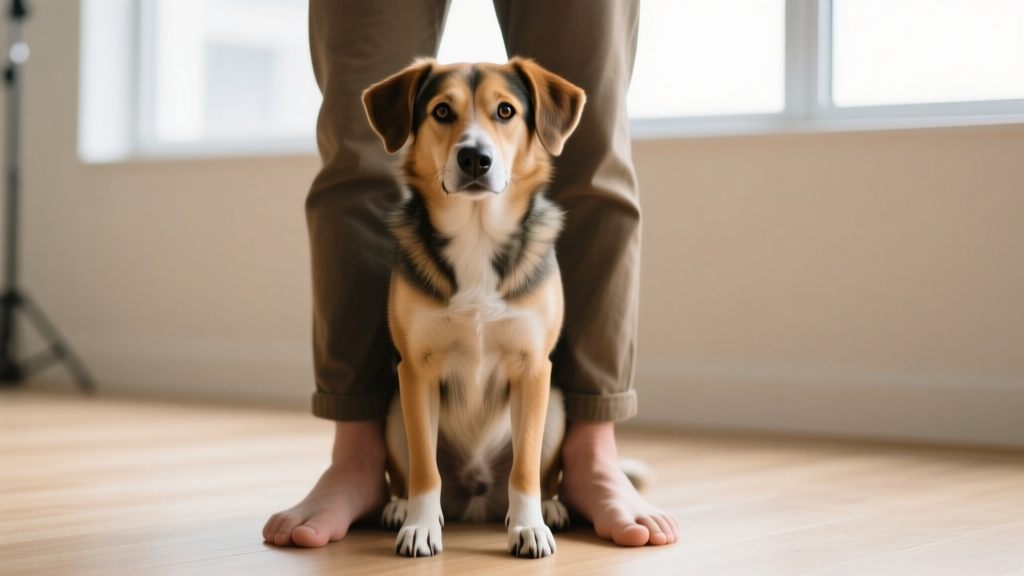
Dogue de Bordeaux Science: Drool & Scent Power
Explore the canine science behind the famous dog on Turner and Hooch — from drool physiology to scent detection abilities of the Dogue de Bordeaux breed.

Quick Answer: The dog on Turner and Hooch (1989) is a Dogue de Bordeaux (French Mastiff) named Beasley. The breed's iconic drooling results from loose, pendulous lip folds (flews) that fail to retain saliva, combined with large salivary glands evolved for digesting raw meat. Their extraordinary scent-tracking ability — showcased in the film's crime plot — stems from up to 300 million olfactory receptors (compared to ~6 million in humans) and a specialized vomeronasal organ. These traits trace directly to the breed's origins as a medieval French hunting and guarding dog.
The Breed Behind the Movie Star: Dogue de Bordeaux Origins
When audiences watched Tom Hanks bicker with a massive, slobbering mastiff in 1989's Turner and Hooch, they were looking at one of France's oldest breeds. The Dogue de Bordeaux, recognized by the AKC in 2008, descends from the Alan dogs (Alans) — large molosser-type canines brought to Europe by nomadic Alani tribes in the 4th–5th centuries. By the 14th century, these dogs were used in southern France for boar hunting, estate guarding, and unfortunately, bull-baiting.
The breed nearly vanished during both World Wars. By 1945, fewer than a dozen breeding pairs remained in France. The modern population carries a significant genetic bottleneck, which explains several breed-specific health challenges discussed later. Professor Raymond Triquet of the University of Lille is credited with rebuilding the breed standard in the 1960s, and it is his standard that the FCI officially recognizes today.
Evolutionary Context: Why Molosser Breeds Look Like This
Mastiff-type dogs share a common morphological template — brachycephalic skulls, heavy bone structure, loose skin, and pronounced flews — that traces back to ancient livestock guardian dogs (LGDs) of Central Asia. The loose skin served a functional purpose: when a wolf or rival dog grabbed the mastiff's neck or face during combat, the attacker got a mouthful of skin rather than muscle or vital tissue. The heavy bone and low center of gravity provided stability against large prey animals. These are not cosmetic features — they are survival adaptations preserved through thousands of years of selective breeding for protection work.
The Science of Drool: Why Hooch Couldn't Stop Slobbering
Hooch's most memorable characteristic — the seemingly endless production of saliva — is not a quirk. It is a direct consequence of the Dogue de Bordeaux's craniofacial anatomy.
Physiological Mechanism of Canine Drooling
Dogs possess four pairs of salivary glands: the parotid, mandibular, sublingual, and zygomatic. In most breeds, the lips (specifically the flews — the pendulous upper lip tissue) form a seal that channels saliva back toward the throat for swallowing. In brachycephalic and mastiff-type breeds, the flews are excessively long and loose, breaking this seal entirely.
Saliva production itself is normal and essential. Canine saliva contains lysozyme, an antibacterial enzyme, and immunoglobulin A (IgA), which provides mucosal immune defense. A healthy 140-lb (63.5 kg) Dogue de Bordeaux produces approximately 1–1.5 liters of saliva per day. In breeds with tight lip conformation (e.g., Greyhounds), nearly all of this is swallowed. In a Dogue de Bordeaux, an estimated 30–40% escapes the oral cavity due to the inability of the flews to retain it.
The production is further stimulated by the parasympathetic nervous system — specifically the chorda tympani branch of the facial nerve (CN VII) and the glossopharyngeal nerve (CN IX). When a Dogue de Bordeaux sees food, smells something interesting, or even experiences excitement, these nerves trigger reflex salivation. This is the same Pavlovian mechanism observed in all dogs, but amplified by the breed's inability to contain the output.
When Excessive Drooling Signals a Medical Problem
While baseline drooling is normal for the breed, a sudden increase in saliva production (hypersalivation or ptyalism) can indicate:
- Oral disease: Periodontal disease, fractured teeth, or oral tumors — the Dogue de Bordeaux is predisposed to gingival hyperplasia (gum overgrowth)
- Nausea: Often preceding vomiting; can indicate GI obstruction, pancreatitis, or toxin ingestion
- Neurological issues: Damage to cranial nerves V, VII, or IX can disrupt salivary regulation
- Heat stroke: Brachycephalic breeds are at significantly higher risk; excessive drooling with labored breathing is an emergency
- Toxin exposure: If you suspect ingestion of a toxic substance, call the ASPCA Animal Poison Control Center at (888) 426-4435 immediately (24/7, consultation fee applies)
Always consult your veterinarian if you notice a sudden change in drooling volume, consistency (frothy vs. stringy vs. blood-tinged), or if drooling is accompanied by behavioral changes.
Scent Detection Science: How the Dogue de Bordeaux Tracks
In Turner and Hooch, the Dogue de Bordeaux plays a witness to a murder and uses scent-tracking ability to help solve the crime. While the film takes creative liberties, the underlying science is well-established.
Canine Olfactory Anatomy vs. Human Olfactory Anatomy
| Feature | Dogue de Bordeaux (Dog) | Human |
|---|---|---|
| Olfactory receptors | ~300 million | ~6 million |
| Olfactory epithelium area | ~130 cm² (varies by skull size) | ~5 cm² |
| Olfactory bulb proportion (brain) | ~0.31% of brain mass | ~0.01% of brain mass |
| Vomeronasal (Jacobson's) organ | Present — detects pheromones | Vestigial / non-functional |
| Airflow separation | Yes — breathing and smelling use separate pathways | No — shared nasal passage |
| Scent discrimination threshold | Parts per trillion (ppt) | Parts per million (ppm) |
Research published in Applied Animal Behaviour Science confirms that large-skulled breeds like the Dogue de Bordeaux have proportionally larger olfactory epithelium surface areas than dolichocephalic (long-nosed) breeds of similar body size, because the broader nasal cavity accommodates more turbinate bone surface area. However, scent hounds like Bloodhounds still outperform mastiffs in controlled tracking trials due to longer ears (which sweep scent particles upward from the ground) and more ground-oriented head carriage.
How Dogs Process Scent: The Dual-Pathway System
When a Dogue de Bordeaux inhales, airflow splits at the nasal turbinates. Approximately 12–13% of inhaled air is directed to the olfactory recess at the back of the nasal cavity, where receptor neurons bind to odorant molecules. The remaining 87% proceeds to the lungs for respiration. This separation allows dogs to sniff continuously without interrupting breathing — something humans cannot do.
Exhalation is equally specialized. Dogs exhale through slits on the sides of their nostrils, which prevents exhaled air from disturbing the scent particles being sampled on the next inhale. A study from the Royal Society (Interface, 2018) demonstrated that this aerodynamic design allows dogs to maintain a continuous scent sample even while moving at speed.
Breed Profile: Dogue de Bordeaux by the Numbers
| Trait | Specification |
|---|---|
| Weight (Male) | 110–145 lb / 50–65.8 kg |
| Weight (Female) | 99–130 lb / 45–59 kg |
| Height (Male) | 23.5–27 in / 60–68 cm at withers |
| Height (Female) | 22.5–26 in / 57–66 cm at withers |
| Lifespan | 5–8 years (breed average: 6.2 years) |
| Coat | Short, fine, single coat; fawn in all shades |
| Energy Level | Low to moderate — 30–45 min structured exercise daily |
| Grooming | Weekly brushing; daily facial fold cleaning required |
| Family Fit | Loyal and gentle with family; early socialization essential; can be dog-aggressive |
| AKC Group | Working Group (recognized 2008) |
Health Considerations: The Cost of Extreme Conformation
The Dogue de Bordeaux's median lifespan of 5–8 years places it among the shortest-lived breeds recognized by the AKC. This is not incidental — it is a direct consequence of the breed's extreme morphological features and its genetic bottleneck.
| Condition | Prevalence | Impact |
|---|---|---|
| Brachycephalic Obstructive Airway Syndrome (BOAS) | Estimated 40–60% of breed | Elongated soft palate, stenotic nares, and hypoplastic trachea restrict airflow; surgical correction costs $1,500–$4,000 |
| Dilated Cardiomyopathy (DCM) | ~15–20% of breed (per breed health surveys) | Heart muscle weakens; median survival post-diagnosis: 6–24 months with treatment |
| Hip Dysplasia | OFA data: ~50% of evaluated dogs show dysplastic hips | Progressive joint degeneration; total hip replacement: $3,500–$7,000 per hip |
| Gastric Dilatation-Volvulus (GDV/Bloat) | High-risk breed (deep-chested giant) | Life-threatening emergency; surgical correction: $2,500–$7,500; prophylactic gastropexy recommended |
| Skin Fold Dermatitis | Very common (>70% without proper hygiene) | Yeast/bacterial infection in facial folds; requires daily cleaning with chlorhexidine wipes |
Practical Implications: Owning a Dogue de Bordeaux in 2026
What This Means for Daily Life
- Exercise: 30–45 minutes of moderate walking daily. Avoid exercise in temperatures above 75°F (24°C) due to BOAS risk. Use a harness, not a neck collar, to avoid airway compression.
- Drool management: Budget for a "drool towel" rotation (microfiber absorbs best — approximately $15–$25 for a 6-pack). Expect to wipe facial folds 2–3 times daily.
- Nutrition: Feed an AAFCO-approved large-breed formula with guaranteed analysis showing 22–26% protein and 12–16% fat for adult maintenance. Use a slow-feeder bowl to reduce bloat risk. Two smaller meals per day rather than one large meal.
- Insurance: Expect premiums of $80–$150/month due to breed-specific health risks and short lifespan. Providers like Trupanion and Healthy Paws offer breed-specific plans.
- First-year cost estimate: Puppy purchase ($2,500–$4,500 from a health-tested breeder) + veterinary ($1,200–$2,000 including hip/elbow/cardiac screening) + supplies ($600–$1,000) = approximately $4,300–$7,500 in year one.
- Training: Use positive reinforcement exclusively. The breed is sensitive despite its imposing appearance and does not respond well to aversive methods. Early socialization (8–16 weeks) is critical to prevent dog-directed aggression.
Common Misconceptions About the Dogue de Bordeaux
| Myth | Fact |
|---|---|
| "They're lazy and don't need exercise." | While lower energy than sporting breeds, Dogues need 30–45 minutes of structured daily activity. Without it, they develop obesity (which worsens BOAS and joint disease) and destructive behaviors from boredom. |
| "Drooling means they're sick." | Baseline drooling is anatomical, not pathological. The flews simply cannot retain saliva. However, a change in drooling volume or consistency warrants veterinary evaluation. |
| "They're aggressive guard dogs." | Properly socialized Dogues are calm, affectionate with family, and indifferent to strangers. They were historically guarding dogs, not attack dogs. Dog-aggression is a real concern, but human-directed aggression is atypical and a disqualifying fault per the AKC standard. |
| "They're low-maintenance because of the short coat." | The coat is easy, but facial fold cleaning is a daily requirement. Neglected folds develop painful yeast and bacterial infections (Malassezia dermatitis). Wrinkle balms containing zinc oxide and shea butter ($12–$18 per tube) help protect skin between cleanings. |
| "Hooch was a trained actor." | Beasley, the Dogue de Bordeaux in the film, was trained by renowned animal trainer Karl Miller. Multiple dogs were used for different scenes. Beasley passed away shortly after filming — consistent with the breed's tragically short lifespan. |
Related Behaviors and Cross-References
Understanding the Dogue de Bordeaux's science connects to several other canine topics relevant to owners:
- Brachycephalic breathing: All short-faced breeds (English Bulldogs, Pugs, French Bulldogs, Shih Tzus) share BOAS risk. Learn more about recognizing respiratory distress signs.
- Scent work as enrichment: Even non-working breeds benefit from nose work games. AKC Scent Work trials are open to all breeds and provide mental stimulation without high-impact physical strain — ideal for joint-compromised giant breeds.
- Giant breed nutrition: Large and giant breeds have different calcium:phosphorus requirements during growth. Feeding a large-breed puppy formula (with calcium restricted to 1.2–1.5% on a dry matter basis) reduces hip dysplasia risk.
- Drool-related skin care: Breeds with heavy flews (Mastiffs, Saint Bernards, Bloodhounds, Newfoundlands) all share the skin fold dermatitis risk profile. Daily cleaning protocols apply across these breeds.
Frequently Asked Questions
Why do dogs like the Dogue de Bordeaux drool so much?
The combination of oversized salivary glands (an evolutionary adaptation for pre-digesting raw meat) and loose, pendulous lip folds (flews) that cannot form a seal means saliva constantly escapes the mouth. It is not a sign of illness — it is a structural feature of the breed's brachycephalic skull conformation.
Can dogs really track scents the way Hooch did in the movie?
Yes, though the film exaggerates for dramatic effect. Dogs can detect odorants at concentrations as low as parts per trillion — equivalent to detecting a single teaspoon of sugar dissolved in an Olympic swimming pool. The Dogue de Bordeaux has strong scenting ability due to its large nasal cavity, but specialized scent hounds like Bloodhounds outperform them in controlled tracking scenarios.
How do dogs process smells differently from humans?
Dogs use a dual-pathway nasal system: one airway for breathing, one dedicated to scent analysis. They also possess a vomeronasal (Jacobson's) organ that detects pheromones — chemical signals that convey information about other animals' reproductive status, emotional state, and identity. Humans have a vestigial version of this organ that is non-functional.
What does it mean when my Dogue de Bordeaux suddenly drools more than usual?
A sudden increase in drooling (ptyalism) can signal oral pain (broken tooth, oral tumor), nausea (GI issue, pancreatitis), toxin ingestion, or heat stress. In brachycephalic breeds, excessive drooling combined with noisy breathing or blue-tinged gums is a veterinary emergency. Contact your vet immediately or call the ASPCA Poison Control at (888) 426-4435 if toxin ingestion is suspected.
Is the Dogue de Bordeaux a good family dog?
With proper socialization and training, yes. They are known for deep loyalty and gentleness with their own family, including children. However, they require experienced owners who understand giant-breed health management, can commit to daily facial fold care, and can provide early, extensive socialization to prevent dog-directed aggression. Their short lifespan (5–8 years) is emotionally difficult for families.
Is the Dogue de Bordeaux affected by breed-specific legislation (BSL)?
In some jurisdictions, the Dogue de Bordeaux may be classified under "mastiff" or "guardian breed" restrictions. Local laws vary significantly. Before adopting or purchasing, check your city, county, and state regulations, as well as your homeowner's insurance policy, which may exclude certain breeds.
How much does a Dogue de Bordeaux cost in 2026?
From a responsible breeder performing OFA hip, elbow, and cardiac evaluations, expect to pay $2,500–$4,500 for a companion-quality puppy. Show-quality puppies from champion lines may reach $5,000–$7,000. Adoption through breed-specific rescues (such as the Dogue de Bordeaux Society of America Rescue) typically costs $300–$600 and provides a vetted adult dog.
Sources
- American Kennel Club — Dogue de Bordeaux Breed Standard
- Craven, M. et al. — Comparative olfactory anatomy in domestic dogs (Applied Animal Behaviour Science)
- Settles, G.S. et al. — Aerodynamics of canine olfaction (Journal of the Royal Society Interface, 2018)
- Fédération Cynologique Internationale — Breed Standard #116
- Orthopedic Foundation for Animals — Breed-Specific Hip Dysplasia Statistics
Priya Sutaria
All our authors care for dogs every day — read more of their work on the authors page.