The Plott Hound: North Carolina State Dog Breed Science & History
Explore the science behind the Plott Hound, North Carolina's state dog. Learn about its wolf-hunting ancestry, physiology, temperament, and care needs.

Quick Answer: The North Carolina state dog is the Plott Hound, officially designated in 1989. Originally bred to hunt wild boar and bear in the Appalachian Mountains, the Plott Hound is a muscular, brindle-coated scent hound known for extraordinary endurance, courage, and a distinctive "chop" bark. It remains one of the few American breeds developed primarily for big-game hunting rather than raccoon or fox.
Why the Plott Hound Became North Carolina's State Dog
The Plott Hound's designation as the official state dog of North Carolina wasn't just a popularity contest — it was a recognition of deep regional history. The breed traces directly to Johannes "George" Plott, a German immigrant who arrived in North Carolina around 1750 with five Hanoverian Hounds (Hanoversche Schweißhunde). These dogs were European boar-hunting specialists, and the Plott family selectively bred them over seven generations in Haywood County's rugged mountain terrain.
What makes this breed scientifically interesting is its genetic bottleneck. Unlike most American coonhound breeds, which were developed from multiple imported foxhound lines blended together, the Plott Hound descends from a remarkably narrow founder population. According to the American Kennel Club, the Plott was only recognized as a distinct breed by the AKC in 2006, despite existing for over 250 years. This late recognition means the breed retains more of its original working-dog genetic signature than many other American breeds.
Evolutionary Basis: Big-Game Hunting Instincts
The Plott Hound's fearlessness around large predators isn't learned — it's hardwired through centuries of selective breeding that amplified ancestral wolf-pack hunting behaviors. Wild wolves hunt in coordinated groups to take down prey many times their size (elk, moose, bison). The Plott Hound retains this pack-coordination instinct but channels it toward a specific human-directed goal: locating, tracking, and holding boar or bear until the hunter arrives. This required selecting for dogs that would not flee from a charging bear — a trait that runs counter to normal canine self-preservation instincts.
Plott Hound Breed Profile at a Glance
| Attribute | Specification |
|---|---|
| Weight (Male) | 50–60 lb / 23–27 kg |
| Weight (Female) | 40–55 lb / 18–25 kg |
| Height | 20–25 in / 51–64 cm at shoulder |
| Lifespan | 12–14 years |
| Coat | Short, smooth, glossy; brindle is signature color |
| Energy Level | High — 60–90 minutes vigorous exercise daily |
| Grooming | Low — weekly brushing, occasional baths |
| AKC Group | Hound Group |
| Family Fit | Best with active families, large yards, experienced owners |
Physiological Mechanisms: What Makes the Plott Hound Built for the Mountains
Cardiovascular and Muscular Adaptations
The Plott Hound's ability to pursue wild boar across steep Appalachian terrain for hours isn't just fitness — it's physiology. Research on working scent hounds published in the Merck Veterinary Manual documents that athletic hound breeds possess:
- Higher VO2 max values compared to brachycephalic or toy breeds, meaning their bodies deliver oxygen to muscles more efficiently during sustained aerobic activity
- Dense slow-twitch muscle fiber composition in the hindquarters, optimized for endurance climbing rather than explosive sprinting
- Deep chest cavities that accommodate larger lung volumes — the Plott's barrel chest is a functional adaptation, not just aesthetics
- Efficient thermoregulation through the short coat and lean body mass, reducing heat buildup during prolonged exertion in humid Southern climates
The "Chop" Bark: A Unique Vocalization Mechanism
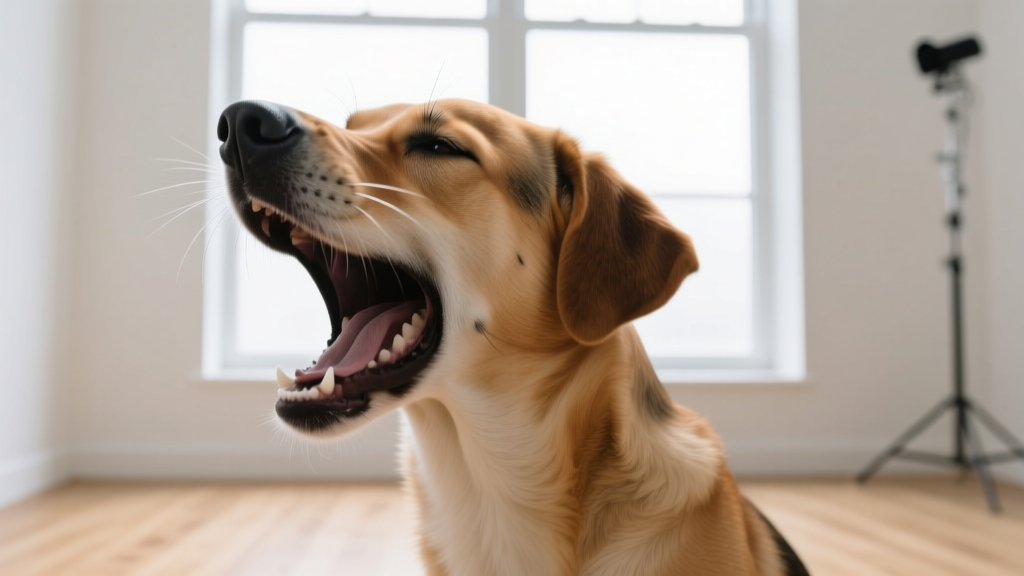
Unlike the long, melodic baying of a Bluetick Coonhound, the Plott Hound produces a short, sharp, staccato bark called a "chop." This vocalization pattern is functionally adapted to dense mountain forest where sound must penetrate thick undergrowth. The chop bark's higher frequency and shorter duration create more distinct acoustic "pings" that hunters can triangulate in terrain where visual contact is impossible beyond 30–50 feet.
The physiological mechanism involves rapid contraction of the laryngeal muscles combined with controlled diaphragmatic pulses. Essentially, the dog is producing a series of controlled, percussive exhalations rather than the sustained vocal cord vibration that creates a howl or bay. This trait is so breed-specific that Plott Hound registries and hunt clubs use bark quality as a conformation standard.
How Does the Plott Hound's Scent-Tracking Compare to Other Hounds?
Scent hounds process olfactory information through the vomeronasal organ (Jacobson's organ) and the main olfactory epithelium. The Plott Hound has approximately 220–250 million olfactory receptors — impressive, though fewer than a Bloodhound's estimated 300 million. What differentiates the Plott isn't raw receptor count but how it uses scent in context:
| Trait | Plott Hound | Bluetick Coonhound | Treeing Walker Coonhound |
|---|---|---|---|
| Primary Prey | Wild boar, bear | Raccoon, opossum | Raccoon, squirrel |
| Tracking Style | Ground scent + air scent hybrid | Ground scent, nose-down | Ground scent with treeing instinct |
| Vocalization | Chop bark | Bugle bay | Chop and bay mix |
| Prey Confrontation | Holds ground, circles, nips | Waits at tree base | Waits at tree base |
| Cold Nose Ability | Moderate (prefers fresh trail) | Excellent (follows old trails) | Good |
| Avg. Weight | 40–60 lb / 18–27 kg | 45–80 lb / 20–36 kg | 45–70 lb / 20–32 kg |
The Plott's "hybrid" tracking style — alternating between nose-to-ground scenting and head-up air scenting — is an evolutionary holdover from its Hanoverian Hound ancestors, which were bred to track wounded game through mixed terrain. This makes the Plott more versatile in mountainous environments but less specialized for pure trail-following than a Bluetick.
Temperament Science: Why the Plott Hound Acts the Way It Does
Understanding Plott Hound behavior requires distinguishing between innate breed traits (genetically encoded through 250+ years of selection) and individual variation (personality, socialization, training). The breed standard describes a dog that is "bold, eager, and aggressive" in the hunt field but "even-tempered and trainable" at home. This duality is neurologically fascinating.
The Plott's high prey drive is mediated by the same dopaminergic reward pathways that drive all predatory behavior in canids. When a Plott picks up a boar scent, dopamine release in the nucleus accumbens (the brain's reward center) creates intense motivational focus. This is the same mechanism that makes a Border Collie lock onto sheep or a Greyhound chase a lure — but the Plott's prey drive is specifically calibrated toward large, dangerous animals, which means the breed has been selected against the normal flight response that most dogs exhibit when confronted by something bigger than themselves.
Common Plott Hound Misconceptions
| Myth | Fact |
|---|---|
| "Plott Hounds are aggressive dogs" | They are assertive and confident, not indiscriminately aggressive. Properly socialized Plotts are affectionate family dogs. Their "aggression" is prey-directed, not human-directed. |
| "They can't live with cats or small dogs" | Many Plotts coexist peacefully with household cats and small dogs when raised together. However, their prey drive means unfamiliar small animals may trigger a chase. Early socialization (before 16 weeks) is critical. |
| "They're too stubborn to train" | Plotts are independent thinkers — a trait essential for a dog that must make split-second decisions when facing a bear. This isn't stubbornness; it's problem-solving autonomy. Force-free, reward-based training works exceptionally well with this breed. |
| "They don't need much exercise because they're lazy at home" | Plotts conserve energy indoors but require 60–90 minutes of vigorous daily exercise. Without it, they develop destructive behaviors, excessive vocalization, and anxiety. |
| "Any hound can hunt boar" | Boar hunting requires specific traits — courage, physical toughness, and a willingness to physically engage prey — that most hound breeds lack. The Plott was purpose-built for this work. |
Health Considerations Specific to the Plott Hound
The Plott Hound's narrow founder population creates both strengths and vulnerabilities. While hybrid vigor doesn't apply here (this is a purebred with a small gene pool), responsible breeders have worked to minimize inherited conditions. Key health concerns include:
- Hip Dysplasia: Estimated 10–15% prevalence in the breed based on Orthopedic Foundation for Animals (OFA) screening data. The Plott's athletic build and working heritage mean that hip joint integrity is critical. OFA-certified breeding stock should have Good or Excellent hip ratings.
- Gastric Dilatation-Volvulus (GDV/Bloat): As a deep-chested breed, Plotts carry elevated bloat risk. The AVMA notes that deep-chested breeds are significantly more prone to GDV. Prophylactic gastropexy (stomach tacking) during spay/neuter is worth discussing with your veterinarian.
- Ear Infections: The Plott's dropped, pendant ears trap moisture, creating an environment favorable to bacterial and yeast overgrowth. Weekly ear cleaning with a veterinarian-recommended otic cleanser reduces infection risk by an estimated 40–60%.
- Hypothyroidism: Autoimmune thyroiditis appears at slightly higher rates in Plott Hounds than the general dog population. Annual thyroid panels (T4, free T4, TSH) after age 4 are recommended.
🚨 Emergency Red Flags for Plott Hound Owners:
- Distended abdomen with unproductive retching (bloat — call your emergency vet immediately)
- Sudden hind-limb weakness or reluctance to rise (possible hip dysplasia progression or spinal issue)
- Head shaking with dark, foul-smelling ear discharge (advanced ear infection)
- Unexplained lethargy, weight gain, and hair loss (hypothyroidism indicators)
When in doubt, consult your veterinarian. Early intervention significantly improves outcomes for all of these conditions.
Practical Takeaways for Plott Hound Owners
Exercise Requirements (Specific Protocol)
A healthy adult Plott Hound needs a minimum of:
- 60 minutes of brisk leash walking or off-leash hiking daily (minimum baseline)
- 90+ minutes of vigorous activity (running, swimming, structured scent work) 3–4 times per week for optimal physical and mental health
- Scent-work games 2–3 times per week — hide treats or toys in your yard and let your Plott track them. This engages their primary sensory modality and provides mental stimulation that physical exercise alone cannot deliver.
Nutrition Guidelines
For a 50 lb / 23 kg adult Plott Hound with moderate-to-high activity:
- Caloric needs: Approximately 1,200–1,500 kcal/day (adjust based on body condition score)
- Protein: Minimum 25% crude protein (AAFCO adult maintenance); working dogs benefit from 28–32%
- Fat: 15–20% crude fat for sustained energy during hunting or hiking seasons
- Joint support: Consider a glucosamine/chondroitin supplement (1,000 mg glucosamine HCl daily for dogs 50+ lb) to support hip and joint health proactively
Training Approach
Plott Hounds respond best to positive reinforcement and LIMA (Least Intrusive, Minimally Aversive) training methods. Their intelligence and independence mean they learn quickly but may question commands that seem pointless to them. Make training relevant — incorporate scent work, agility, and recall games rather than repetitive obedience drills. Aversive methods (shock collars, prong collars, alpha rolls) damage the trust bond and can trigger defensive aggression in this confident breed.
Cost of Ownership (2026 Estimates)
| Expense Category | Estimated Cost |
|---|---|
| Puppy from responsible breeder (health-tested parents) | $800–$2,000 |
| Adoption (Plott Hound rescue) | $200–$450 |
| Annual food (quality kibble or balanced diet) | $480–$720 |
| Annual veterinary care (wellness + preventives) | $600–$1,000 |
| Pet insurance (accident + illness, mid-tier) | $40–$70/month ($480–$840/year) |
| First-year total (puppy + supplies + vet + food) | $2,500–$5,000 |
Frequently Asked Questions About the North Carolina State Dog
Is the Plott Hound the only state dog in the U.S.?
No. Several states have designated official state dogs. Maryland's state dog is the Chesapeake Bay Retriever, and Pennsylvania recognizes the Great Dane. However, the Plott Hound is unique in being the only state dog that was developed entirely within a single state's borders over multiple generations.
Why do Plott Hounds bark so much?
Vocalization is a core breed trait. In the hunt field, the chop bark tells the hunter where the dog is and signals that game has been located. At home, Plotts may bark at unfamiliar sounds, approaching wildlife, or when bored. Providing adequate exercise and mental stimulation reduces nuisance barking by an estimated 50–70%. Never use bark collars on a Plott — the barking is functional communication, and suppressing it without addressing the cause creates frustration-based behavioral problems.
Can a Plott Hound be a good family pet if it was bred for hunting?
Absolutely. Many Plott Hounds live as companion dogs with no hunting experience. The key is meeting their exercise and stimulation needs. A well-exercised Plott is calm and affectionate indoors, often described as a "velcro dog" that bonds intensely with its family. Children and Plotts generally get along well when the dog is raised with kids and taught appropriate boundaries. Always supervise interactions between any dog and young children.
What does it mean when my Plott Hound howls at night?
Nighttime howling in Plott Hounds typically indicates one of three things: (1) they've detected wildlife scent or sound outside, triggering their hunting instinct; (2) they're responding to distant sounds (sirens, other dogs) that activate their pack-communication instincts; or (3) they're experiencing separation anxiety or boredom. If howling is new or excessive, rule out medical causes with your veterinarian, then address environmental triggers.
How is the Plott Hound different from other coonhounds?
The primary difference is prey specialization. While Bluetick, Redbone, and Treeing Walker Coonhounds were bred primarily for raccoon and small game, the Plott was developed for wild boar and black bear. This gives the Plott a stockier build, more muscular shoulders, a higher pain tolerance, and a willingness to physically engage large prey that most other coonhounds lack. The Plott also doesn't "tree" game in the traditional sense — it circles and harasses ground-level prey.
Is it normal for my Plott Hound to be aloof with strangers?
Yes. The breed standard describes the Plott as "confident" and "alert" with strangers, not immediately friendly. This is a functional trait — a boar-hunting dog that was overly friendly to unfamiliar humans or animals would be less effective in the field. Early and ongoing socialization (exposure to diverse people, environments, and experiences from 8–16 weeks and continuing through adulthood) helps Plotts become well-adjusted without losing their natural wariness.
Jonas Cole
All our authors care for dogs every day — read more of their work on the authors page.