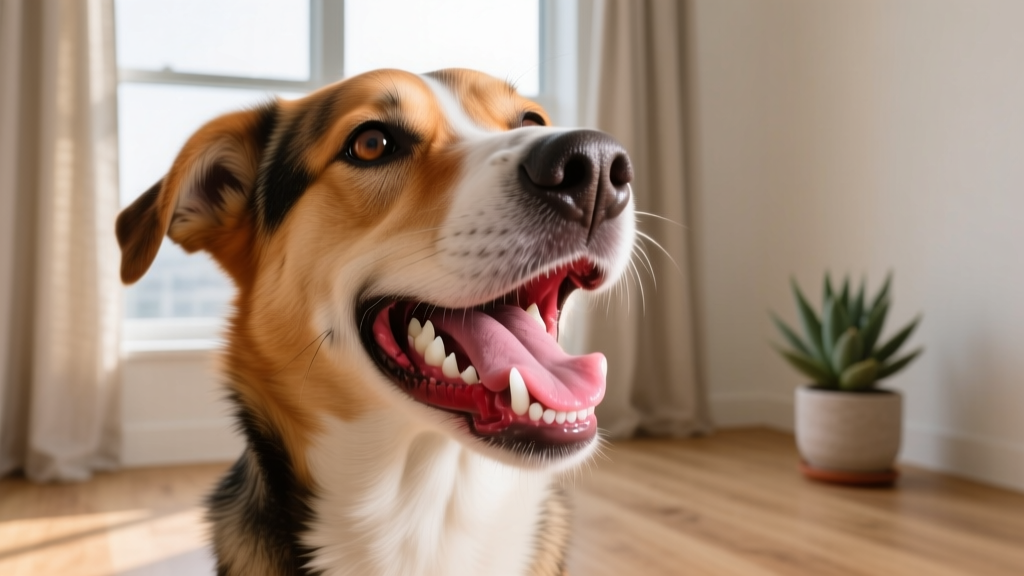
What Is a Pariah Dog? The Science Behind Free-Ranging Canines
What is a pariah dog? Explore the evolutionary science, genetics, and behavior of free-ranging village dogs and what they reveal about all domestic dogs.

Quick Answer: What Is a Pariah Dog?
A pariah dog is a free-ranging, naturally selected domestic dog (Canis lupus familiaris) that lives on the margins of human settlements without direct ownership or selective breeding. The term comes from the Tamil word paraiyar, historically referring to marginalized communities in southern India, and was adopted by 19th-century naturalists to describe the semi-feral village dogs found across Asia, Africa, and the Middle East. Pariah dogs are not a single breed — they are a landrace type shaped by natural selection rather than human-directed breeding programs. Genetic research suggests they represent some of the most ancient lineages of domestic dogs, diverging from wolves between 15,000 and 40,000 years ago.
If you've ever traveled through rural India, Thailand, or parts of Africa and noticed medium-sized, short-coated dogs wandering freely through villages and marketplaces, you've likely encountered pariah dogs. These animals occupy a fascinating space in canine science: they are fully domesticated (Canis lupus familiaris), yet they have not been shaped by the deliberate selective breeding that produced modern recognized breeds like Labrador Retrievers or German Shepherds.
Understanding pariah dogs matters for every dog owner because they offer a window into what dogs look like, behave like, and need when nature — not humans — makes the breeding decisions. The science surrounding these free-ranging populations is reshaping how veterinary behaviorists and evolutionary biologists think about canine temperament, health, and the domestication process itself.
The Evolutionary Origins of Pariah Dogs
From Wolf Camp Followers to Village Dogs
The prevailing scientific model, supported by genomic research published in PLOS Genetics, suggests that dog domestication began when less fearful wolves started scavenging near human hunter-gatherer camps. These bolder, lower-flight-distance wolves gained access to food scraps and gradually became tolerated, then integrated into human communities.
Pariah dogs are considered the living descendants of these early domesticated populations. Unlike modern breeds — most of which were standardized within the last 150–300 years — pariah-type dogs have been shaped by natural selection for tens of thousands of years. They represent what dogs become when survival, not show-ring standards, determines which individuals reproduce.
The term "pariah dog" was popularized by naturalist Brehm in the 19th century and later expanded by cynologists like Rudolf Tschermig and I. Lehr Brisbin Jr. The concept identifies a specific morphotype — a consistent body plan that emerges independently across geographies when dogs are left to natural selection:
- Weight: 25–50 lb (11–23 kg)
- Height: 16–22 inches (40–56 cm) at the shoulder
- Coat: Short to medium, typically tawny, ginger, sable, or brown
- Ears: Pricked or semi-pricked
- Tail: Carried in a sickle or curl
- Build: Moderate, athletic, neither extreme brachycephalic nor extreme dolichocephalic
This consistency is remarkable. A free-ranging dog in Chennai, India, often looks strikingly similar to a village dog in rural Kenya or a Carolina Dog in the American Southeast — despite having no recent shared ancestry. Evolutionary biologists call this convergent evolution: similar environmental pressures produce similar physical solutions.
Genetics and Scientific Research on Pariah-Type Populations
What DNA Tells Us
Landmark studies, including research led by geneticist Adam Boyko and published in PNAS, analyzed the genomes of over 1,500 dogs from 35+ breeds and numerous village dog populations worldwide. Key findings:
- Village dogs from Central Asia showed the highest genetic diversity, suggesting this region as a likely origin point for early domestication.
- Pariah-type dogs carry fewer breed-specific deleterious mutations than modern purebreds, because natural selection removes harmful alleles more efficiently than artificial breeding.
- Several modern breeds — including the Basenji, Saluki, Afghan Hound, and Carolina Dog — cluster genetically closer to pariah populations than to modern Western breeds.
The concept of hybrid vigor (heterozygosity) is particularly relevant here. Pariah dogs, because they breed without human-controlled pedigrees, maintain high genetic diversity. This translates to measurable health advantages:
| Health Metric | Pariah/Village Dogs | Modern Purebreds (Average) |
|---|---|---|
| Coefficient of Inbreeding (COI) | 2–8% (low) | 10–30% (varies widely by breed) |
| Known inherited disorders | Few documented; likely under-studied | 300+ breed-specific conditions catalogued |
| Typical lifespan | 12–16 years (where veterinary care is available) | 10–14 years (breed-dependent) |
| Hip dysplasia prevalence | Estimated <5% (moderate build reduces risk) | 15–75% depending on breed (OFA data) |
| Brachycephalic airway issues | Extremely rare (mesocephalic skull shape) | High in Bulldogs, Pugs, French Bulldogs |
It's important to note that these comparisons involve survivorship bias — pariah dogs in developing regions face high puppy mortality from infectious diseases (parvovirus, distemper, rabies) that controlled Western populations largely avoid through vaccination.
Behavioral Science: How Pariah Dogs Think and Act
One of the most studied behavioral differences between pariah-type dogs and modern breeds involves their response to human social cues. Research from institutions including the Merck Veterinary Manual's behavioral science references and independent studies have documented several patterns:
Social Behavior and Human Bonding
Pariah dogs show a wider range of human-directed social behavior than most modern breeds. Studies using standardized behavioral assessments (such as those developed by the Duke Canine Cognition Center) have found:
- Flight distance from unfamiliar humans is typically greater in pariah dogs — often 3–10 meters compared to 0–1 meter for well-socialized pet breeds.
- Gaze-following ability (tracking where a human points or looks) is present in pariah dogs but develops more slowly and requires more positive human interaction to emerge.
- Attachment behavior — when pariah dogs do form bonds with specific humans, the attachment is often intensely loyal and selective, unlike the broadly sociable temperament bred into retrievers and companion breeds.
Communication and Vocalization
Pariah dogs tend to bark less frequently than many modern breeds. In free-ranging populations, excessive barking would attract predators or competitors without providing a survival benefit. Instead, pariah dogs rely more heavily on:
- Body posture and tail carriage for intra-species communication
- Short, sharp alarm barks rather than sustained vocalization
- Scent marking at territory boundaries
- Low-frequency growls during resource disputes
Problem-Solving and Independence
Free-ranging dogs develop strong independent problem-solving skills because their survival depends on locating food, avoiding threats, and navigating complex environments without human direction. When tested on puzzle-box tasks, pariah-type dogs often persist longer on independent solutions before looking to a human for help — the opposite pattern seen in breeds like Labrador Retrievers, which have been selected for cooperative working relationships with people.
Common Misconceptions About Pariah Dogs
| Myth | Scientific Reality |
|---|---|
| "Pariah dogs are feral or wild dogs" | Pariah dogs are fully domesticated (Canis lupus familiaris). They are genetically distinct from wolves, dingoes, and true feral populations. They are free-ranging, not feral. |
| "They can't be trained or socialized" | Pariah dogs raised with positive reinforcement from puppyhood learn obedience, agility, and cooperative behaviors as effectively as recognized breeds. The critical socialization window (3–14 weeks) applies equally. |
| "Pariah dogs are all the same breed" | They are a landrace type, not a breed. Regional populations show distinct genetic clusters — Indian village dogs differ genetically from African village dogs, which differ from Southeast Asian populations. |
| "They are primitive or less evolved" | Pariah dogs have been evolving alongside humans for as long as any breed. Their traits reflect adaptation to specific ecological niches, not evolutionary inferiority. Many are better adapted to their environments than brachycephalic breeds are to theirs. |
| "Adopting a village dog is risky" | With proper veterinary screening (heartworm, tick-borne diseases, parasite load) and patient behavioral rehabilitation using force-free methods, adopted pariah dogs become healthy, well-adjusted companions. |
Physiological Mechanisms: The Pariah Dog Brain and Body
The behavioral differences between pariah-type dogs and modern breeds have measurable physiological underpinnings. Research into canine neurobiology and endocrinology reveals several mechanisms:
Cortisol and Stress Response
Free-ranging dogs in high-human-contact areas show elevated baseline cortisol levels compared to owned pet dogs, according to fecal glucocorticoid metabolite studies. This reflects the chronic low-grade stress of navigating unpredictable human environments — traffic, intermittent food availability, and variable human responses (some people feed them; others chase them away). However, pariah dogs adopted into stable homes typically show cortisol normalization within 4–8 weeks.
Oxytocin and Social Bonding
The oxytocin feedback loop — the neurochemical mechanism that drives bonding between dogs and their humans — functions in pariah dogs but requires more consistent positive interaction to activate fully. Studies measuring urinary oxytocin metabolites suggest that while pet breeds like Golden Retrievers show oxytocin spikes after brief human eye contact, pariah-type dogs may require days to weeks of positive interaction before the same neurochemical bonding response emerges.
Serotonin and Aggression Thresholds
Natural selection in free-ranging populations favors dogs with moderate aggression thresholds — too fearful, and the dog cannot compete for resources; too aggressive, and it risks injury or retaliation from humans and other dogs. This produces a population with broadly stable temperaments, in contrast to breeds where human selection has sometimes inadvertently concentrated alleles associated with impulsive aggression or extreme fear reactivity.
Practical Implications: Living with a Pariah-Type Dog
What This Means for Owners
If you've adopted or are considering adopting a village dog or pariah-type rescue (organizations like Soi Dog Foundation, India Animal Rescue, and various international rescues specialize in these dogs), here's what the science translates to in daily life:
Socialization Timeline
- Expect 4–12 weeks of decompression before the dog shows consistent affiliative behavior. This is normal, not a sign the adoption has failed.
- Use high-value food rewards (real chicken, cheese, freeze-dried liver) at 8–10 treats per training session, keeping sessions under 5 minutes initially.
- Avoid flooding (forcing exposure to feared stimuli). Gradual desensitization — starting at distances where the dog remains under threshold — is both more humane and more effective.
Exercise and Enrichment Needs
- Pariah-type dogs typically need 60–90 minutes of daily physical activity — more than many toy breeds but less than working breeds like Border Collies.
- Sniff-heavy walks (allowing 15–20 minutes of unstructured sniffing per 30-minute walk) satisfy their strong scavenging and exploration drives.
- Puzzle feeders and food-dispensing toys (Kong Classic, Outward Hound Nina Ottosson puzzles) align with their independent problem-solving tendencies.
Health Management
- Initial veterinary screening budget: $200–$450 for comprehensive intake including heartworm test (4Dx SNAP test, ~$55–$85), fecal panel (~$35–$60), complete blood count (~$80–$120), and tick-borne disease screening.
- Common conditions in rescued pariah dogs: Ehrlichiosis, Babesia, heartworm, intestinal parasites, and skin mites (Demodex, Sarcoptes). These are treatable but require veterinary diagnosis and prescription medication.
- Vaccination catch-up: Most international rescues arrive with at least a rabies vaccine, but DHPP and Bordetella boosters should be verified or administered per your veterinarian's protocol.
Recognized Breeds with Pariah Dog Ancestry
Several formally recognized breeds either descend from or closely resemble pariah-type populations. Understanding these connections helps contextualize breed-specific behaviors:
| Breed | Origin | AKC Group | Pariah Traits Retained |
|---|---|---|---|
| Carolina Dog | Southeastern United States | Foundation Stock Service | Seasonal coat blow, pack hierarchy behavior, digging dens |
| Basenji | Central Africa | Hound | Annual estrus (vs. biannual in most breeds), yodel vocalization, cat-like grooming |
| Canaan Dog | Middle East (Israel) | Herding | Strong territorial instinct, wariness of strangers, seasonal shedding |
| Shiba Inu | Japan | Non-Sporting | Independent temperament, clean habits, strong prey drive, primitive vocalizations |
| Australian Dingo | Australia | Not AKC-recognized | Annual breeding cycle, pack hunting, limited human socialization capacity as adults |
When Pariah-Type Behaviors May Signal a Problem
While many pariah dog traits — independence, wariness of strangers, selective bonding, lower barking frequency — are normal breed-type characteristics, certain behavioral presentations warrant veterinary or behavioral consultation:
- Sudden aggression escalation: If a previously tolerant dog begins growling, snapping, or biting without provocation, rule out pain (dental disease, orthopedic issues, neurological conditions) before assuming it's behavioral. Veterinary behaviorists estimate that 30–40% of new-onset aggression cases have an underlying medical cause.
- Compulsive behaviors: Repetitive spinning, flank-sucking, or shadow-chasing that persists for more than 2–3 weeks and interrupts normal eating, sleeping, or social interaction is not a normal pariah trait — it may indicate anxiety disorder or neurological disease.
- Failure to habituate after 6+ months: If an adopted village dog remains unable to accept handling, shows panic responses to normal household sounds, or cannot eat in the presence of people after six months of consistent positive-reinforcement work, consult a certified applied animal behaviorist (CAAB) or veterinary behaviorist (DACVB).
- Stereotypic pacing or escape attempts: Persistent fence-running, gate-charging, or escape behavior may reflect inadequate exercise (below the 60-minute daily minimum) or separation distress that requires professional intervention.
Always consult your veterinarian before attributing behavioral changes to temperament alone. A thorough physical examination and basic bloodwork ($150–$250) can rule out thyroid dysfunction, chronic pain, and neurological conditions that mimic behavioral problems.
Pariah Dogs and the Future of Canine Science
The study of pariah and village dog populations is actively reshaping canine genetics and welfare policy. Key developments include:
- Genetic diversity mapping: Projects like the Village Dog Genetic Diversity Project continue to collect DNA samples from free-ranging populations worldwide, building a more complete picture of canine evolutionary history than breed-registry data alone can provide.
- Humane population management: Trap-Neuter-Return (TNR) and CNVR (Catch-Neuter-Vaccinate-Return) programs, endorsed by organizations including the World Organisation for Animal Health (WOAH), use surgical sterilization and rabies vaccination to manage pariah dog populations without culling. Costs average $25–$60 per dog for sterilization in developing-country programs.
- International rescue networks: Organizations including Soi Dog Foundation (Thailand), India Animal Rescue, and Dogs Trust Worldwide have facilitated the adoption of thousands of pariah-type dogs into homes in North America and Europe, providing real-world data on rehabilitation outcomes.
Key Research References
- Boyko, A.R. et al. (2015). "Genomic analyses reveal the influence of geographic origin, migration, and hybridization on modern dog breed development." PNAS, 112(18). Full text at NCBI.
- Freedman, A.H. et al. (2014). "Genome sequencing highlights the dynamic early history of dogs." PLOS Genetics, 10(1). Full text at NCBI.
- Lord, K.A. et al. (2020). "The evolutionary origins of pesticide resistance in village dogs." Current Biology. Referenced in Merck Veterinary Manual behavioral sections.
Frequently Asked Questions
Why do pariah dogs look so similar across different continents?
Convergent evolution. When domestic dogs are left to natural selection without human-directed breeding, similar environmental pressures (moderate climate, scavenging lifestyle, predator avoidance) produce a consistent medium-sized, short-coated, mesocephalic body plan. This "default dog" morphology represents the phenotype that requires the fewest energy-intensive specializations and supports the broadest survival capability.
Can pariah dogs be trained like other breeds?
Yes, with important caveats. Pariah dogs respond to positive reinforcement training (treat rewards, clicker marking, shaping) as effectively as any recognized breed. However, they may show less innate motivation for cooperative tasks (retrieving, herding) that were specifically bred into working breeds. Independent problem-solving activities, scent work, and agility often align better with their natural behavioral repertoire. Force-free methods are essential — aversive tools like shock collars or prong collars will trigger heightened fear responses and damage the trust-building process.
How do pariah dogs process social cues differently from pet breeds?
Research from canine cognition laboratories shows that pariah dogs can follow human pointing gestures and gaze direction, but they typically require more repeated positive experiences with humans before they spontaneously use these cues. Pet breeds like Labradors and Border Collies have been selected for hundreds of generations to attend to human signals; pariah dogs have been selected for independent survival decision-making. Both strategies are adaptive — they simply reflect different evolutionary pressures.
What does it mean when my adopted village dog hides or avoids me?
This is a normal decompression response, not rejection. Free-ranging dogs are not accustomed to confined indoor spaces, direct eye contact, or overhead hand movements. Expect 2–8 weeks of avoidance behavior. Sit at floor level, offer high-value food without requiring interaction, and let the dog initiate contact. Forcing interaction will prolong the adjustment period.
Is pariah dog behavior normal or should I worry?
Independence, wariness of strangers, selective bonding, low barking frequency, strong scavenging drive, and digging behavior are all normal pariah-type traits. Behaviors that warrant professional evaluation include: unprovoked aggression, compulsive repetitive movements, inability to relax after 6+ months in a stable home, self-injury, or sudden behavioral changes in a previously stable dog.
How is a pariah dog different from a feral dog or a wolf-dog hybrid?
A pariah dog is a domesticated dog that lives freely but in proximity to humans — it may accept food from specific people and tolerate human presence. A feral dog actively avoids all human contact and lives independently. A wolf-dog hybrid (Canis lupus × Canis lupus familiaris) has recent wolf ancestry, which produces fundamentally different behavioral and physiological traits, including heightened prey drive, seasonal hormonal cycles, and reduced capacity for human social bonding. Pariah dogs have no recent wolf ancestry and are behaviorally and genetically distinct from both wolves and wolf hybrids.
Disclaimer: This article provides educational information about canine behavioral science and is not a substitute for professional veterinary or behavioral consultation. If your dog exhibits concerning behavioral changes, consult your veterinarian or a certified applied animal behaviorist (CAAB).
Anouk Beaumont
All our authors care for dogs every day — read more of their work on the authors page.