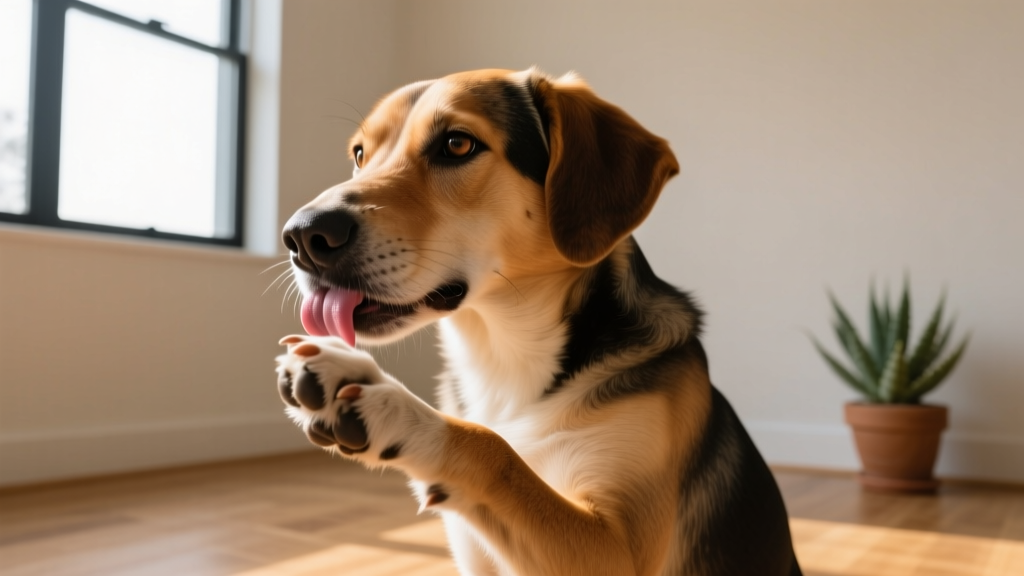
Least Moulting Dogs: The Science of Canine Shedding and Coat Genetics
Discover the science behind least moulting dogs — coat genetics, the FGF5 gene, evolutionary shedding triggers, and which breeds truly shed the least.

Quick Answer: Which Dogs Moulting the Least?
The least moulting dogs are those carrying specific variants of the FGF5 gene that produce continuously growing, hair-like coats rather than fur with a programmed shedding cycle. Breeds consistently ranked as lowest-shedding include the Poodle (all sizes), Bichon Frisé, Maltese, Soft Coated Wheaten Terrier, Chinese Crested (hairless and powderpuff), Portuguese Water Dog, Kerry Blue Terrier, and Schnauzer (all sizes). However, "least moulting" does not mean "zero shedding" — every dog loses some hair. These breeds require regular professional grooming (typically every 4–8 weeks at $50–$120 per session) to prevent painful matting.
Every spring, dog owners brace for the annual fur explosion. But while some dogs leave a visible trail of hair on every surface, others seem to shed barely at all. The difference isn't random — it's written into canine DNA, shaped by thousands of years of evolution, and governed by a surprisingly elegant biological system. Understanding the science behind moulting (the British and Commonwealth term for shedding) helps you make informed decisions about breed selection, grooming budgets, and allergy management.
The Genetics of Low-Shedding Coats: FGF5 and Beyond
How the FGF5 Gene Controls Shedding
Research published in PLoS Genetics (Cadieu et al., 2009) identified three key genes responsible for the majority of coat variation in domestic dogs:
- FGF5 (Fibroblast Growth Factor 5): Controls hair length by determining when the hair follicle transitions from the growth phase (anagen) to the regression phase (catagen). Dogs with certain FGF5 variants have hair that continues growing rather than stopping at a genetically predetermined length and shedding.
- RSPO2 (R-spondin 2): Responsible for furnishings — the longer hair on eyebrows, muzzle, and legs seen in breeds like Schnauzers.
- KRT71 (Keratin 71): Determines whether hair is curly, wavy, or straight. Curly-coated breeds like Poodles carry specific KRT71 variants that create tight curls trapping loose hair close to the skin.
The combination of these three genes explains approximately 90% of coat type variation across all recognized dog breeds. Dogs classified among the least moulting dogs typically carry the "long-hair" variant of FGF5 combined with either the curly KRT71 variant (Poodles, Bichons) or the wire-hair RSPO2 variant (Schnauzers, many terriers).
Hair follicles cycle through three phases: anagen (active growth), catagen (transition), and telogen (resting/shedding). In heavy-shedding breeds like German Shepherds or Huskies, a large percentage of follicles synchronously enter telogen, often triggered by seasonal light changes. In low-shedding breeds, follicles remain in anagen for much longer periods — sometimes indefinitely — meaning hair grows continuously and must be trimmed rather than naturally released.
This is the same biological mechanism that differentiates human head hair (continuous growth) from human body hair (programmed length and shedding). Low-shedding dogs essentially have "human-type" hair growth patterns across their entire body.
Evolutionary Context: Why Ancestral Dogs Needed to Moulting
From Wolves to Living Rooms
Wild wolves and early domestic dogs relied on seasonal moulting as a thermoregulation strategy. The ancestral double coat — a dense, insulating undercoat beneath a coarser guard-hair outer coat — allowed canids to survive extreme temperature swings across Eurasian and North American environments. Wolves in northern latitudes blow their undercoat (shed massive quantities) once or twice annually, typically in spring, to prevent overheating during warmer months.
The genetic mutations that produced continuously growing, low-shedding coats likely arose early in domestication and were actively selected by humans. Fishermen needed dogs like the Portuguese Water Dog and Poodle (originally a water retriever) to have water-resistant, low-shedding coats that didn't become waterlogged. Noble households selected small companion breeds like the Maltese and Bichon Frisé for coats that wouldn't shed on clothing and furnishings. The low-shedding trait was never a survival advantage in the wild — it was a human-driven aesthetic and practical preference.
The double coat remains the default ancestral state. Breeds with single coats (one layer of hair without a separate undercoat) represent a derived trait — a genetic departure from the wolf standard. Most of the least moulting dogs are single-coated, which eliminates the dramatic undercoat blow that makes breeds like Akitas and Alaskan Malamutes such prolific shedders.
Physiological Mechanism: What Actually Happens During Moulting
Understanding the physiological cascade behind moulting reveals why some dogs shed seasonally while others barely shed at all:
Step 1 — Photoperiod detection: Light entering the eye stimulates the pineal gland, which regulates melatonin production. Decreasing daylight hours (autumn) or increasing daylight hours (spring) triggers hormonal shifts.
Step 2 — Hormonal signaling: Melatonin changes influence thyroid hormones and prolactin levels, which signal hair follicles to transition between growth phases.
Step 3 — Follicular response: In heavy-shedding breeds, large numbers of follicles synchronously enter catagen (regression) and then telogen (resting). The old hair shaft is released and eventually pushed out by new anagen growth.
Step 4 — Coat release: The loose hair detaches and is distributed through movement, grooming, and contact with surfaces.
In the least moulting dogs, this cascade is fundamentally altered. The FGF5 long-hair variant extends the anagen phase so dramatically that follicles rarely enter synchronized telogen. Instead of 60–80% of follicles shedding simultaneously (as in a Husky's coat blow), low-shedding breeds may have only 10–15% of follicles in telogen at any given time. The result is a slow, continuous trickle of hair loss rather than a dramatic seasonal event.
According to the Merck Veterinary Manual, normal canine hair growth rates range from approximately 0.04 to 0.4 mm per day depending on breed, body region, and season. Continuously growing coats in Poodles and similar breeds grow at rates comparable to the upper end of this range year-round, which is why they require clipping every 4–8 weeks — hair can reach 3–6 inches between grooming sessions.
Top Low-Shedding Breeds: A Scientific Comparison
| Breed | Weight (lb / kg) | Coat Type | Shedding Level | Grooming Interval | Annual Grooming Cost |
|---|---|---|---|---|---|
| Poodle (Standard) | 40–70 lb / 18–32 kg | Curly, single coat | Minimal | Every 4–6 weeks | $600–$1,200 |
| Bichon Frisé | 12–18 lb / 5–8 kg | Curly double coat | Minimal | Every 4–6 weeks | $500–$900 |
| Soft Coated Wheaten Terrier | 30–40 lb / 14–18 kg | Wavy, single coat | Low | Every 6–8 weeks | $450–$800 |
| Portuguese Water Dog | 35–60 lb / 16–27 kg | Curly/wavy, single coat | Minimal | Every 4–6 weeks | $550–$1,000 |
| Schnauzer (Standard) | 30–50 lb / 14–23 kg | Wire, double coat | Low | Every 5–8 weeks | $500–$900 |
| Maltese | 4–7 lb / 2–3 kg | Straight, single coat | Minimal | Every 4–6 weeks | $400–$700 |
| Kerry Blue Terrier | 33–45 lb / 15–20 kg | Wavy, single coat | Low | Every 6–8 weeks | $500–$850 |
| Chinese Crested (Powderpuff) | 8–12 lb / 4–5 kg | Long silky hair on head, feet, tail | Minimal | Every 4–6 weeks | $350–$600 |
Important note on "hypoallergenic" claims: The American Kennel Club notes that no dog breed is truly hypoallergenic. Allergens are primarily found in dander (dead skin cells), saliva, and urine — not in hair itself. Low-shedding breeds may produce fewer airborne allergens because shed hair carries dander through the environment, but individual allergic responses vary widely. Spending time with a specific dog before committing is always recommended.
Myths vs. Facts: Common Misconceptions About Low-Shedding Dogs
| Myth | Fact |
|---|---|
| "Low-shedding dogs don't shed at all" | All dogs shed some hair. Low-shedding breeds lose hair gradually and in smaller quantities, often trapping it in their curly or wiry coat rather than releasing it into the environment. |
| "Low-shedding means low-maintenance" | The opposite is often true. Continuously growing coats mat easily and require professional grooming every 4–8 weeks plus daily brushing at home. Neglected Poodle coats can develop painful pelting that requires shaving to the skin. |
| "Hairless dogs are the best for allergy sufferers" | Hairless breeds still produce dander and saliva allergens. Chinese Cresteds and Xoloitzcuintlis produce the same Can f 1 and Can f 2 proteins that trigger allergic reactions. |
| "Mixed breeds with Poodle ancestry won't shed" | Designer cross breeds (Labradoodles, Goldendoodles) have unpredictable coat genetics. An F1 Labradoodle has a 50% chance of inheriting the Labrador's shedding coat. Only multigenerational (F2B, F3) lines with genetic testing for FGF5 can offer more predictable low-shedding outcomes. |
| "Short-haired dogs shed less than long-haired dogs" | Coat length and shedding volume are independent traits. Short-coated breeds like Boxers, Beagles, and Dalmatians often shed heavily year-round because their follicles cycle rapidly. A short hair that sheds constantly is more difficult to remove from fabric than a long hair you can pick up. |
Practical Implications for Owners of Low-Shedding Dogs
What Daily Life Looks Like
- Grooming budget: Expect $400–$1,200 annually for professional grooming, depending on breed size, coat complexity, and your region. Urban areas (NYC, San Francisco, Seattle) trend toward the higher end. Add $80–$150 for quality home grooming tools: a slicker brush (e.g., Chris Christensen Big G, ~$65), a steel comb, and a detangling spray.
- Brushing schedule: Daily brushing for 10–15 minutes prevents mats from forming at the skin level. Focus on high-friction areas: behind the ears, under the collar, armpits, and the "pants" area on the rear legs.
- Vet dermatology visits: Low-shedding breeds are predisposed to certain skin conditions. Poodles and Bichons have higher rates of sebaceous adenitis (an autoimmune skin disease). Schnauzers are prone to Schnauzer comedo syndrome. Budget for occasional veterinary dermatology consultations ($150–$300 per visit).
- Allergy testing reality: If choosing a low-shedding breed specifically for allergy management, spend time with adult dogs of that breed before committing. Allergen sensitivity is individual — some people react to Poodles but not Schnauzers, or vice versa.
- Puppy coat transition: Many low-shedding breeds undergo a dramatic coat change between 8–14 months of age, when the soft puppy coat is replaced by the adult coat. This transition period requires increased brushing (sometimes twice daily) to prevent severe matting.
When Low Shedding Signals a Medical Problem
While some breeds naturally shed very little, a sudden decrease in shedding in a normally moderate-to-heavy shedding breed can indicate underlying health issues. Conversely, a low-shedding breed that begins shedding excessively warrants veterinary investigation. Conditions that alter normal shedding patterns include:
- Hypothyroidism: Causes hair thinning, dry coat, and abnormal shedding patterns. Common in Standard Poodles, Schnauzers, and many other breeds. Diagnosis via T4 and free T4 blood panels ($80–$150).
- Cushing's disease (hyperadrenocorticism): Produces symmetrical hair loss, thinning skin, and a pot-bellied appearance. Poodles are among the predisposed breeds. Requires ACTH stimulation test or low-dose dexamethasone suppression test ($200–$400).
- Alopecia X: A poorly understood condition causing progressive hair loss, particularly in Pomeranians, Chow Chows, and Poodles. Often idiopathic (cause unknown) and may respond to melatonin supplementation or growth hormone therapy.
- Nutritional deficiency: Inadequate essential fatty acids (omega-3 and omega-6) produce dry, brittle coats that break rather than shed normally. Look for AAFCO-complete diets with named fat sources and guaranteed analysis showing minimum 1.8% linoleic acid for adult maintenance.
- Stress-induced telogen effluvium: Major stressors (surgery, illness, significant environmental changes) can push large numbers of follicles into telogen simultaneously, causing delayed shedding 2–3 months after the event.
When to consult your veterinarian: Any sudden change in shedding pattern, visible bald patches (alopecia), skin redness or scaling, excessive scratching, or coat texture changes should prompt a veterinary visit. Early diagnosis of endocrine disorders significantly improves prognosis (expected outcome).
How Canine Shedding Differs From Human Hair Loss
Humans and dogs share the same basic hair follicle biology — anagen, catagen, telogen cycling — but the regulation differs significantly:
- Synchronization: Human scalp hair follicles cycle independently (asynchronous growth), which is why we don't shed all our head hair at once. Most shedding dog breeds have synchronized follicle cycling triggered by photoperiod. Low-shedding dogs are actually more similar to humans in this regard — their follicles cycle independently and continuously.
- Growth duration: Human scalp hair has an anagen phase lasting 2–7 years. Dog hair anagen phases range from weeks to months in shedding breeds, but can extend to years in continuously growing breeds like Poodles.
- Hormonal sensitivity: Human pattern baldness involves DHT (dihydrotestosterone) sensitivity of follicles. Dogs don't experience androgenic alopecia in the same way, though sex hormones do influence coat quality — intact dogs often have different coat texture than neutered/spayed dogs due to hormonal shifts.
- Seasonal trigger: Humans lack a photoperiod-driven shedding response. Dogs retain this ancestral mechanism unless genetic variants (FGF5 long-hair allele) override it.
Frequently Asked Questions
Why do some dogs shed so much less than others?
The primary driver is genetic variation in the FGF5 gene, which controls whether hair follicles stop growing and shed (short anagen) or continue growing indefinitely (extended anagen). Secondary genes RSPO2 and KRT71 influence coat texture and furnishings, which affect how much loose hair is trapped versus released into the environment. These three genes together explain roughly 90% of coat variation across all dog breeds.
Can dogs with low-shedding coats still trigger allergies?
Yes. The primary canine allergens — Can f 1, Can f 2, and Can f 3 — are produced in saliva, skin sebaceous glands, and anal glands, not in hair itself. Low-shedding dogs may spread fewer allergens through the environment because less hair is released, but they still produce allergenic proteins. Individual allergic responses vary, and the only reliable test is spending extended time with a specific dog.
How do dogs with continuously growing coats regulate body temperature?
Dogs primarily regulate temperature through panting (evaporative cooling from the respiratory tract) and vasodilation of blood vessels in the skin, not through their coat. However, a matted, unmaintained coat on a low-shedding breed can trap heat and impair air circulation to the skin, increasing heat stress risk. This is why regular grooming is a health necessity, not just a cosmetic preference, for these breeds.
What does it mean when my low-shedding dog suddenly starts shedding more?
Increased shedding in a normally low-shedding breed can signal thyroid dysfunction, Cushing's disease, nutritional deficiency, allergic skin disease, or stress-related telogen effluvium. Schedule a veterinary exam with bloodwork to identify underlying causes. Seasonal increases in shedding can occur even in low-shedding breeds, but the change should be modest — not dramatic.
Is it normal for a Poodle puppy to shed?
Yes. Poodle puppies go through a coat transition between approximately 8–14 months of age, when the soft, wavy puppy coat is replaced by the denser, curlier adult coat. During this period, increased shedding and matting are normal and expected. Increase brushing frequency to daily (or twice daily) during the transition to prevent painful mats from forming close to the skin.
How is dog moulting different from human hair shedding?
Both species cycle hair through anagen (growth), catagen (transition), and telogen (resting/shedding) phases. The key difference is synchronization: most shedding dogs have follicles that enter telogen simultaneously in response to daylight changes, creating dramatic seasonal coat blows. Humans and low-shedding dog breeds have asynchronous follicle cycling — individual hairs shed independently, creating a slow, continuous turnover rather than an event.
References
- Cadieu, E. et al. (2009). "Genetic Mapping of the FGF5, RSPO2, and KRT71 Coat Type Genes in Domestic Dogs." PLoS Genetics. NIH Full Text
- American Kennel Club. "Hypoallergenic Dogs: What You Need to Know." AKC.org
- Merck Veterinary Manual. "Hair and Coat Disorders in Small Animals." MerckVetManual.com
Tom Renshaw
All our authors care for dogs every day — read more of their work on the authors page.