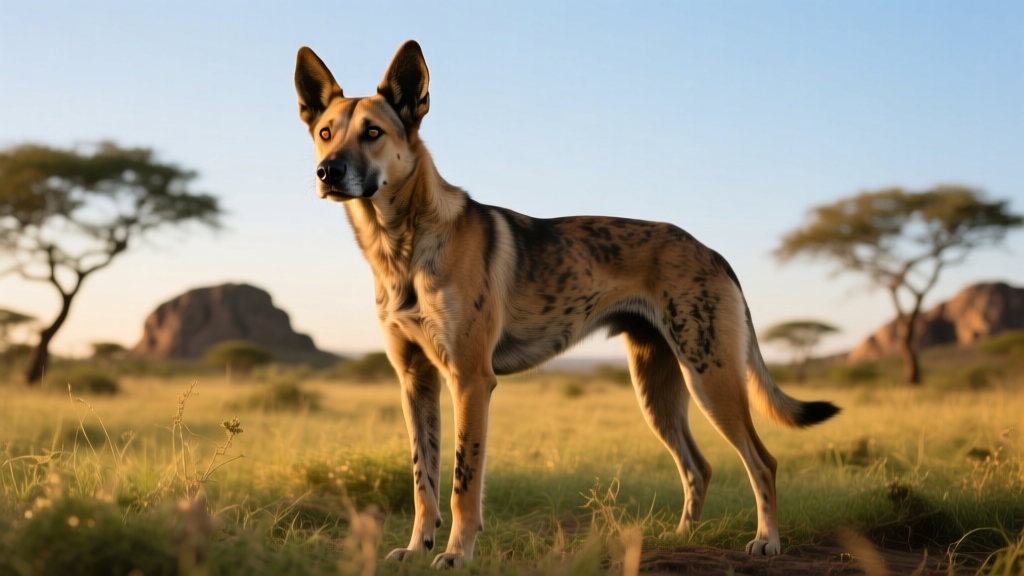
The Genetics Behind Your Fluffy Brown Dog's Coat Color and Texture
Discover the canine science behind why your fluffy brown dog has its unique coat color and texture. Learn the genetics, evolution, and health implications.

The Short Answer
A fluffy brown dog gets its coat from a specific combination of genes: the B locus (TYRP1 gene) determines brown (chocolate/liver) pigment, while the FGF5 gene controls whether hair grows long and fluffy versus short and smooth. Your dog must inherit recessive variants at both loci to display a fluffy brown coat. This isn't random — these traits trace back to ancient mutations that arose thousands of years ago as wolves adapted to different climates and human-selected environments.
If you've ever looked at your fluffy brown dog and wondered why they ended up with that particular combination of chocolate-toned, cloud-like fur, you're actually looking at one of the most well-mapped genetic puzzles in canine science. Coat color and texture in dogs are controlled by at least 15 identified genes, and the fluffy brown phenotype requires a very specific alignment of alleles. Let's unpack exactly what's happening at the molecular level — and what it means for your dog's health, grooming needs, and evolutionary story.
The Genetics of Brown Coat Color in Dogs
The B Locus and TYRP1 Gene
Brown coat color in dogs is controlled by the B locus, which corresponds to the Tyrosinase-Related Protein 1 (TYRP1) gene located on canine chromosome 11. This gene produces an enzyme critical for the synthesis of eumelanin — the pigment responsible for black and brown colors in hair, skin, and eyes.
When the TYRP1 enzyme functions normally (the dominant B allele), eumelanin is produced as black pigment. When a dog inherits two copies of a loss-of-function variant (the recessive b allele), the eumelanin pathway shifts, producing brown pigment instead. There are at least three known recessive mutations at this locus — bc (chocolate), bs (brown), and bd — all of which produce similar brown phenotypes when homozygous.
A fluffy brown dog must be homozygous recessive (b/b) at the B locus. Dogs carrying only one copy (B/b) will appear black but can pass the brown allele to offspring.
According to research published in the journal Genetics (Schmutz et al., 2009), multiple independent mutations in TYRP1 arose in different dog lineages, meaning brown coats evolved convergently across breeds. A chocolate Labrador, a brown Chesapeake Bay Retriever, and a liver-colored Springer Spaniel may carry different specific mutations at the same gene.
Why Brown Dogs Often Have Brown Noses and Eyes
The TYRP1 gene affects all eumelanin-producing cells — not just hair follicles. This is why brown dogs typically have:
- Liver/brown noses — the nasal skin lacks black pigment
- Amber to hazel eyes — iris melanin is also shifted to brown tones
- Brown paw pads and eye rims — all eumelanin-rich tissues are affected
This whole-body effect distinguishes true brown (B locus) dogs from dogs that merely appear brown due to pheomelanin (red/yellow pigment) expression at the E locus. A golden retriever looks "golden brown" but has a black nose — its coat color is controlled by an entirely different pigment pathway.
What Makes a Dog's Coat Fluffy: The FGF5 Gene
Coat length and texture are governed primarily by the Fibroblast Growth Factor 5 (FGF5) gene on canine chromosome 32. Research led by the National Institutes of Health (NIH) identified that a single nucleotide polymorphism (SNP) in FGF5 — specifically a C-to-A mutation — is the primary driver of long hair in dogs.
Here's the mechanism: FGF5 normally signals hair follicles to stop growing and enter the catagen (transition) phase. When the gene carries a loss-of-function mutation, this signal is weakened, and hairs continue growing for longer before shedding. The result is a long, soft, fluffy coat.
The Three-Gene Model for Coat Texture
A landmark 2009 study published in Genetics (Cadieu et al.) demonstrated that just three genes explain roughly 90% of coat variation across all dog breeds:
| Gene | Locus | Controls | Long/Fluffy Variant |
|---|---|---|---|
| FGF5 | Chromosome 32 | Hair length | Recessive long-hair allele (L/L) |
| RSPO2 | Chromosome 13 | Furnishings (furnishing = eyebrows, mustache) | Dominant allele adds wiry furnishings |
| KRT71 | Chromosome 27 | Curl | Recessive curly allele |
A fluffy brown dog with straight hair is typically homozygous for the long-hair FGF5 variant, homozygous recessive at RSPO2 (no furnishings), and homozygous recessive at KRT71 (no curl). Add a curly variant, and you get a fluffy brown dog with waves — like a Chocolate Labrador cross Poodle (a "Chocolate Labradoodle").
The Evolutionary Story: Why Brown and Fluffy Coats Exist
From Wolf Ancestors to Your Living Room
Gray wolves (Canis lupus) almost universally carry the dominant alleles for short, agouti-banded coats with black-tipped guard hairs and dense undercoats. The fluffy brown phenotype doesn't exist in wild wolf populations. So how did it arise?
Brown coats likely first appeared as spontaneous TYRP1 mutations during early domestication, roughly 15,000–30,000 years ago. In wild wolves, a brown coat would be a significant disadvantage — it disrupts the counter-shading camouflage that helps wolves blend into forest and tundra environments while hunting. But under human care, camouflage pressure relaxed, and the mutation persisted.
Long, fluffy coats emerged through artificial selection for warmth and aesthetics. Breeds developed in cold climates — like the Newfoundland, Tibetan Mastiff, and Samoyed — were selected for long, dense coats that provided insulation. The FGF5 long-hair mutation spread rapidly in these populations because it conferred a genuine survival advantage in freezing environments.
Today's fluffy brown dog is essentially a product of relaxed natural selection (brown color survived because humans didn't penalize it) combined with intense artificial selection (fluffy coats were deliberately bred for climate adaptation and later for appearance).
This evolutionary history has a practical implication: fluffy-coated dogs carry thermoregulatory adaptations designed for cold climates. Their dense undercoats trap air for insulation, which means they are significantly more vulnerable to heat stress than short-coated dogs. We'll cover the specifics of managing this below.
How Brown and Fluffy Genes Interact: A Genetic Combination Map
For a dog to be both brown and fluffy, it must inherit specific alleles at two independent loci. Because these genes are on different chromosomes (11 and 32), they assort independently — meaning a brown dog isn't more or less likely to be fluffy by genetic linkage. The combination is purely probabilistic.
Predicting Fluffy Brown Offspring
| Parent 1 Genotype | Parent 2 Genotype | Probability of Fluffy Brown Pup |
|---|---|---|
| b/b, L/L (brown, long coat) | b/b, L/L (brown, long coat) | 100% |
| B/b, L/L (black carrier, long coat) | b/b, L/l (brown, long coat carrier) | 25% |
| B/b, L/l (black, short coat carrier) | B/b, L/l (black, short coat carrier) | 6.25% (1/16) |
| B/B, l/l (black, short coat) | b/b, L/L (brown, long coat) | 0% (all pups will be B/b, L/l — black, short coat carriers) |
This is why fluffy brown puppies can appear unexpectedly in litters from two black, short-coated parents — if both parents carry recessive alleles at both loci. DNA testing through services like the AKC's genetic testing program or Embark can identify carrier status before breeding.
Fluffy Brown Dog Breeds: Where This Combination Appears Most Often
Not all breeds can produce the fluffy brown phenotype. Here are breeds where the combination of brown pigment and long coat is either standard or commonly seen:
| Breed | Typical Weight | Brown Coat Type | Coat Texture Notes |
|---|---|---|---|
| Chesapeake Bay Retriever | 55–80 lb / 25–36 kg | Deadgrass to dark brown | Wavy, oily, dense undercoat |
| Newfoundland (brown) | 100–150 lb / 45–68 kg | Rich chocolate brown | Very long, flat, water-resistant |
| Chocolate Labrador (long coat) | 55–80 lb / 25–36 kg | Chocolate | Long coat is a disqualifying fault in shows but genetically possible via FGF5 carrier |
| Havanese (chocolate) | 7–13 lb / 3–6 kg | Chocolate to brown sable | Silky, long, profuse |
| Coton de Tulear (brown markings) | 9–15 lb / 4–7 kg | White with brown patches | Cotton-like, extremely fluffy |
| Cocker Spaniel (chocolate) | 20–30 lb / 9–14 kg | Liver/chocolate | Silky, feathered, moderately long |
Mixed-breed and designer dogs (like Labradoodles, Cockapoos, and Bernedoodles) frequently produce fluffy brown puppies because they combine long-coat breeds with brown-pigment carriers. An F1B Labradoodle (Labradoodle backcrossed to a Poodle) has a higher probability of being both fluffy and brown because the Poodle parent often carries the FGF5 long-hair variant.
Practical Implications: What Owning a Fluffy Brown Dog Means for Daily Care
Daily and Weekly Care Framework
- Brushing: Minimum 3–4 times per week with a slicker brush (e.g., Chris Christensen Big G, ~$65) followed by a stainless-steel comb to reach the undercoat. Daily brushing is needed during seasonal shedding (spring and fall blowouts).
- Bathing: Every 4–6 weeks using a moisturizing, oatmeal-based shampoo. Over-bathing strips natural oils from long coats, leading to brittleness and matting.
- Professional grooming: Budget $60–$120 per session every 6–8 weeks for breeds with continuously growing coats (Havanese, Coton, Doodle mixes). Annual grooming cost: $390–$780.
- Heat management: Fluffy-coated dogs are at elevated risk for heat stress above 80°F (27°C). Provide cooling mats ($25–$45), avoid midday walks, and never shave a double-coated dog — the undercoat actually insulates against heat as well as cold.
- Sun protection: Brown-coated dogs with lighter skin (especially around the nose and belly) can sunburn. Use dog-specific SPF 30+ sunscreen (e.g., Epi-Pet Sunscreen, ~$18) on exposed skin during prolonged outdoor exposure.
- Mat prevention: Pay special attention to friction areas — behind the ears, armpits, groin, and under the collar. Use a detangling spray (e.g., Isle of Dogs Everyday Naturals, ~$14) before brushing.
Nutrition and Coat Health
The fluffiness and sheen of a brown coat depend heavily on nutrition. Key nutrients include:
- Omega-3 fatty acids (EPA/DHA): 50–100 mg per kg of body weight daily supports coat luster and skin barrier function. Fish oil supplements (e.g., Nordic Naturals Omega-3 Pet, ~$25 for 60 soft gels) are a reliable source.
- Zinc: Essential for keratin production. AAFCO-recommended minimum is 80 mg/kg of dry matter for adult maintenance.
- Biotin (Vitamin B7): Supports hair follicle health. Most complete commercial diets provide adequate biotin; supplementation (2–5 mg/day for medium dogs) may help if coat quality is poor.
- Tyrosine: This amino acid is a precursor to melanin. Diets deficient in tyrosine can cause brown coats to fade or develop reddish tones. High-quality animal proteins (chicken, beef, fish) are rich tyrosine sources.
Always choose foods that meet FDA and AAFCO complete-and-balanced standards. If you feed a homemade diet, consult a veterinary nutritionist to ensure amino acid adequacy — coat fading is often the first visible sign of a nutritional deficiency.
Common Misconceptions About Fluffy Brown Dogs
| Myth | Fact (Science-Based) |
|---|---|
| "Brown dogs are less healthy than black dogs" | Coat color alone doesn't determine health. However, some studies (e.g., a 2018 University of Sydney study on Labradors) found chocolate Labs had a shorter median lifespan (10.7 years vs. 12.1 for black) — but this is linked to breeding practices, not the pigment gene itself. The recessive brown allele requires a smaller gene pool to produce, which can concentrate other health issues if breeders don't test broadly. |
| "Shaving a fluffy dog keeps them cooler in summer" | Shaving a double-coated dog removes the insulating air layer and exposes skin to UV damage. The undercoat actually helps regulate temperature in both hot and cold weather. Instead, brush out the undercoat with an undercoat rake (e.g., Furminator, ~$35) to improve airflow without removing protective hair. |
| "Brown dogs' coats fade because of sunlight" | While UV exposure can contribute to coat lightening, the primary causes of brown coat fading are nutritional (tyrosine or copper deficiency), hormonal (hypothyroidism), and age-related changes in melanocyte activity. If your brown dog's coat is noticeably fading, consult your veterinarian to rule out underlying conditions. |
| "Fluffy coats are purely cosmetic and don't affect health" | Long, dense coats create microenvironments against the skin that trap moisture, debris, and parasites. Fluffy-coated dogs have higher rates of hot spots (acute moist dermatitis), ear infections (in drop-eared breeds), and matting-related skin necrosis if grooming is neglected. The coat is a functional organ, not just decoration. |
When Coat Changes Signal a Health Problem
Red Flags: Consult Your Veterinarian If You Notice
- Sudden coat color change — A brown coat turning gray, white, or reddish can indicate hypothyroidism, Cushing's disease, or nutritional deficiency
- Patchy hair loss (alopecia) — Symmetrical thinning on the flanks may signal hormonal imbalance; irregular patches with redness suggest fungal infection (ringworm) or demodectic mange
- Excessive shedding beyond seasonal norms — Can indicate stress, systemic illness, or parasitic infection
- Dry, brittle, or dull coat — Often the first visible sign of omega fatty acid deficiency, kidney disease, or malabsorption disorders
- Hot spots or moist lesions under the coat — Require veterinary treatment; may need antibiotics and clipping of the affected area
- Lumps or bumps felt through the coat — Fluffy coats can hide skin tumors; perform monthly full-body palpation during grooming sessions
Because fluffy coats can conceal skin conditions until they're advanced, schedule a veterinary dermatology check at least annually, and mention any coat texture or color changes you've observed.
How Dogs Process Their Own Coat Sensation vs. Humans
Dogs experience their coats very differently from how we experience our hair. Canine hair follicles are surrounded by a network of mechanoreceptors — specifically hair follicle lanceolate endings and Merkel cells — that make every hair a tiny sensory antenna. When air moves through a fluffy coat, the dog receives detailed information about wind direction, air currents, and even the proximity of objects.
This is why many fluffy-coated dogs seem more "aware" of their surroundings in ways that appear almost cat-like. Their coat is functioning as an extended sensory organ — analogous to how whiskers work in cats and rodents, though far less specialized.
Humans, by contrast, have far fewer mechanoreceptors per hair follicle, and our head hair doesn't serve a meaningful sensory function. When you brush your dog's fluffy coat, they're not just feeling the brush pressure on their skin — they're feeling each individual hair being displaced, which is why some dogs are sensitive to brushing and may show calming signals (lip licking, yawning, turning away) during grooming.
Understanding this sensory dimension helps explain why positive reinforcement training during grooming sessions is so important. Pairing brushing with high-value treats (freeze-dried liver, ~$12 for a 3 oz bag) and keeping sessions to 5–10 minutes initially can build positive associations rather than triggering sensory overwhelm.
Frequently Asked Questions
Why do some brown dogs turn silver or gray as they age?
Just like humans, dogs experience a gradual loss of melanocyte activity in hair follicles as they age. In brown dogs, this often manifests as a silvery or "dusted" appearance starting around the muzzle and face, typically beginning between ages 6–8. The TYRP1 enzyme's production slows, and individual hairs lose pigment. This is a normal aging process and not a health concern unless accompanied by other symptoms like lethargy or weight changes.
Can two black dogs produce a fluffy brown puppy?
Yes — if both parents carry recessive alleles at the B locus (B/b) and the FGF5 long-hair locus (L/l). The probability would be 6.25% (1 in 16) per puppy. This is why DNA testing is valuable for breeders who want to predict or avoid specific coat outcomes. It's also why "surprise" fluffy brown puppies occasionally appear in litters from short-coated black parents.
Is a fluffy brown coat linked to any specific health conditions?
The coat genes themselves (TYRP1 and FGF5) are not directly linked to disease. However, breeding for specific coat traits can narrow the gene pool, which may increase the prevalence of breed-specific conditions. For example, some brown-coated breeds like the Chesapeake Bay Retriever have elevated rates of degenerative myelopathy (DM) and hip dysplasia — not because of the brown gene, but because of the overall genetic bottleneck in the breed. Always ask breeders for OFA (Orthopedic Foundation for Animals) health clearances regardless of coat color.
How is a brown dog's coat different from a red or golden dog's coat?
Brown dogs produce eumelanin pigment that has been chemically altered by TYRP1 mutations — it's structurally brown melanin in every hair. Red and golden dogs produce pheomelanin pigment, controlled by the MC1R gene at the E locus. Pheomelanin is a chemically different pigment that ranges from cream to deep mahogany. A golden retriever and a chocolate Labrador may look similar in warmth of tone, but their pigment biology is entirely different — which is why golden dogs have black noses and chocolate dogs have brown noses.
What does it mean when my fluffy brown dog's coat feels different in certain spots?
Texture variation across a dog's coat can be normal — the undercoat is typically softer and woollier, while guard hairs are coarser and longer. However, if you notice a specific patch that feels brittle, crusty, matted to the skin, or unusually thin, this could signal a localized skin infection, fungal growth, or parasitic infestation. Fluffy coats are excellent at hiding skin problems, so any textural anomaly warrants a closer look and potentially a veterinary visit.
Sources and Further Reading
- Schmutz, S.M. et al. (2009). "A Tyrp1 variant causes brown coat color in dogs." Genetics, 183(2). NIH Full Text
- Cadieu, E. et al. (2009). "Genetic mapping of coat color and texture in dogs." Science, 326(5959). Referenced via NIH
- Merck Veterinary Manual — Integumentary System overview: merckvetmanual.com
- AVMA guidelines on heat stress in companion animals: avma.org
Robin Maitland
All our authors care for dogs every day — read more of their work on the authors page.