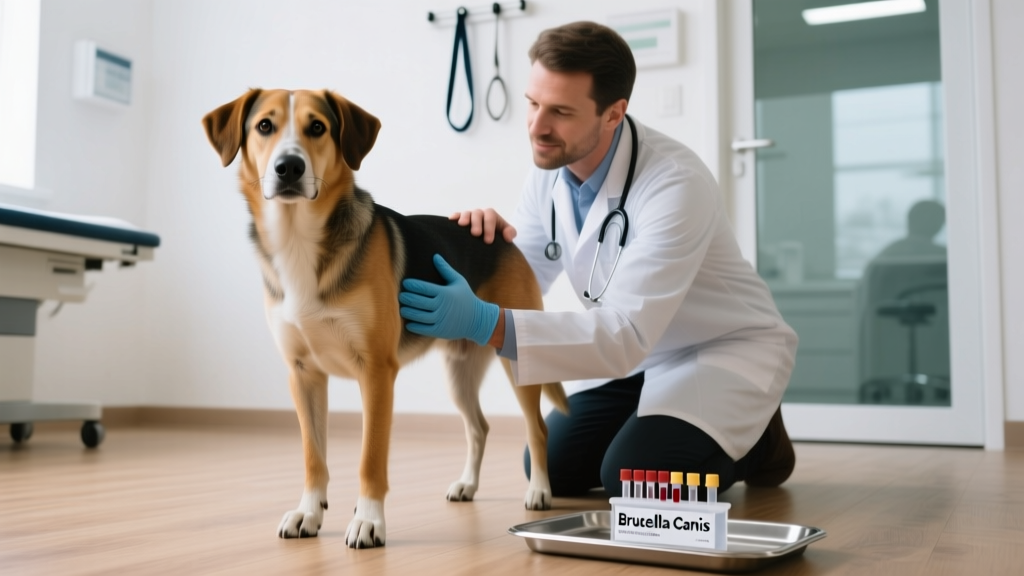
Dog Licking Lips
Why is your dog licking lips? Explore the science behind this behavior, from stress signals to medical causes, and learn what it means for your dog's wellbeing.

Quick Answer: When a dog licks its lips without food present, it is most often a calming signal — a stress or anxiety communication rooted in canine body language. First documented by Norwegian dog trainer Turid Rugaas, lip licking is one of over 30 displacement behaviors dogs use to self-soothe and de-escalate tension. However, excessive or persistent lip licking can also indicate nausea, dental pain, oral foreign bodies, or gastrointestinal distress. Context is everything: a single lick during a vet visit is normal communication; repeated licking with drooling or appetite loss warrants a veterinary exam.
Why Do Dogs Lick Their Lips? The Science Behind the Behavior
Lip licking in dogs falls into two distinct categories that owners frequently confuse: functional licking (cleaning the mouth after eating or drinking) and communicative licking (a behavioral signal unrelated to food). Understanding the difference requires looking at the underlying neurobiology.
The Neurological Mechanism
When a dog perceives a stressor — an unfamiliar person approaching, a loud noise, an uncomfortable handling situation — the hypothalamus activates the sympathetic nervous system. This triggers a cascade: cortisol and adrenaline flood the bloodstream, heart rate elevates, and salivary gland activity shifts. The submandibular and parotid glands produce thicker, more viscous saliva under stress compared to the thin, watery saliva produced during feeding (a phenomenon documented in canine stress physiology research).
That change in saliva consistency creates a physical sensation on the lips and tongue that the dog responds to by licking. Simultaneously, the rhythmic tongue movement stimulates the vagus nerve, which activates the parasympathetic nervous system — effectively helping the dog self-regulate and calm down. It's a built-in feedback loop: stress triggers the lick, and the lick partially counteracts the stress.
Research published in Applied Animal Behaviour Science has demonstrated that dogs display lip licking significantly more often when confronted with negative emotional stimuli (angry human faces, threatening dog postures) than with neutral or positive stimuli. A 2018 study by Bremhorst et al. found that dogs licked their lips more frequently when viewing angry facial expressions compared to happy ones, suggesting the behavior is specifically tied to emotional processing rather than random displacement.
The Evolutionary Origin: From Wolf Pups to Modern Dogs
Ancestral Roots of Lip Licking
Lip licking as a communicative behavior traces back to wolf pups. In wild canid species, young pups lick the mouths and lips of adult pack members as a food-solicitation behavior — stimulating regurgitation of pre-digested food. This is called licking-up or begging behavior, and it's well-documented in wolves, coyotes, and African wild dogs.
As these pups matured, the physical gesture persisted but its function shifted. Subordinate wolves began using mouth-licking toward dominant individuals as an appeasement signal — essentially communicating "I'm not a threat." Over thousands of years of domestication, dogs retained this juvenile trait into adulthood (a process called neoteny), and the gesture evolved further into the air-lick or lip-lick we see today — directed at no specific individual but broadcast as a general calming signal.
This is why your dog might lick their lips when you lean over them, reach toward their collar, or raise your voice. They're deploying an ancient appeasement strategy that says, in canine terms, "Let's keep things peaceful here."
What Does It Mean When My Dog Licks Their Lips? A Context Guide
Interpreting lip licking correctly requires reading it as part of a cluster of signals, not in isolation. Canine behaviorists emphasize that a single body language cue rarely tells the full story. Here's how to decode what your dog is communicating based on context:
| Context | Accompanying Signals | Likely Meaning | Owner Action |
|---|---|---|---|
| During a hug or being leaned over | Whale eye, stiff body, ears back | Discomfort with physical restraint | Give space; avoid direct overhead approaches |
| At the vet clinic | Panting, trembling, lowered tail | Situational anxiety | Use high-value treats; practice cooperative care at home |
| During training sessions | Looking away, scratching, sniffing ground | Confusion or mild frustration | Lower criteria; break task into smaller steps |
| Meeting a new dog | Soft body, relaxed tail wag, play bow | Polite greeting and de-escalation | Allow interaction; this is healthy communication |
| Random times, no apparent trigger | Drooling, pawing at mouth, reduced appetite | Possible oral pain, nausea, or foreign body | Check mouth; consult veterinarian if persistent |
| Before vomiting | Excessive drooling, gulping, restlessness | Nausea and gastrointestinal distress | Monitor; seek vet care if vomiting is repeated or contains blood |
Medical Reasons Behind Excessive Lip Licking
While occasional lip licking as a calming signal is entirely normal, excessive, repetitive, or persistent lip licking should always prompt a medical evaluation. Several conditions present with lip licking as a primary or secondary symptom:
Oral and Dental Causes
- Periodontal disease: Affects an estimated 80% of dogs over age 3 according to the AVMA. Inflamed gums, loose teeth, and oral infection cause discomfort that dogs respond to by licking.
- Oral foreign bodies: Sticks, bone fragments, or plant material lodged between teeth, in the gum line, or on the hard palate. This often presents as sudden-onset frantic lip licking combined with pawing at the mouth.
- Oral tumors: Melanoma, squamous cell carcinoma, and fibrosarcoma can develop on the gums, tongue, or palate. More common in dogs over 8 years old. Breeds with higher risk include Cocker Spaniels, German Shepherds, and Miniature Poodles.
- Broken or fractured teeth: Especially the carnassial teeth (upper fourth premolar), which are prone to slab fractures from chewing hard objects like antlers or ice cubes.
Gastrointestinal and Systemic Causes
- Nausea: From dietary indiscretion, motion sickness, medication side effects, or systemic illness. Lip licking combined with drooling and gulping is a classic pre-vomiting sequence.
- Acid reflux (GERD): Stomach acid irritating the esophagus can cause a burning sensation that dogs try to soothe by licking. More common in brachycephalic breeds and dogs fed large meals once daily.
- Kidney disease: Chronic kidney disease causes uremic toxins to build up, leading to oral ulceration and nausea — both of which trigger lip licking. Often accompanied by increased thirst and urination.
- Cognitive dysfunction syndrome: Senior dogs (typically 10+ years) may develop repetitive licking behaviors, including lip licking, as part of age-related cognitive decline. This is analogous to stereotypic behaviors seen in dementia patients.
When to Call the Vet: Contact your veterinarian promptly if your dog's lip licking is accompanied by any of these red flags: excessive drooling lasting more than 2 hours, refusal to eat for 24 hours, visible blood in saliva, swelling around the mouth or jaw, repeated vomiting, lethargy, or if the behavior began suddenly with no identifiable environmental trigger. These symptoms can indicate conditions requiring immediate treatment.
Common Misconceptions About Dog Lip Licking
Several persistent myths about this behavior lead owners to misread their dogs' signals. Let's separate fact from fiction:
| Myth | Fact (Supported by Evidence) |
|---|---|
| "My dog is licking their lips because they want food." | While food anticipation can trigger licking, lip licking in non-feeding contexts is overwhelmingly a stress or appeasement signal. If your dog licks their lips when you scold them, they're not asking for a treat — they're trying to defuse the situation. |
| "Lip licking means my dog is being submissive." | Modern canine behavior science has moved away from dominance/submission frameworks. Lip licking is better understood as a calming signal — an attempt to reduce tension, not an acknowledgment of hierarchy. It's communication, not capitulation. |
| "If my dog licks their lips while being petted, they love it." | In many cases, lip licking during petting signals discomfort, particularly if the petting is rough, overhead, or prolonged. Look for the full cluster: if your dog leans in with soft eyes and a relaxed body, they're enjoying it. If they lip-lick, turn away, or stiffen, they're tolerating, not enjoying. |
| "Only anxious dogs lick their lips." | Even well-adjusted, confident dogs use lip licking as a normal part of canine communication. It's a universal dog behavior, not a pathology. The frequency and context matter more than the presence of the behavior itself. |
| "My dog licks their lips before sleeping because they're dreaming." | Pre-sleep lip licking is typically a self-soothing behavior, similar to a child sucking their thumb. It helps the dog transition from alertness to relaxation by activating the parasympathetic nervous system through vagus nerve stimulation. |
Breed Variations and Individual Differences
While lip licking as a calming signal is universal across all dog breeds, certain factors influence how prominently and frequently individual dogs display this behavior:
Brachycephalic breeds (French Bulldogs, Pugs, English Bulldogs, Shih Tzus) have altered oral anatomy that can make lip licking more visually noticeable and sometimes more frequent. Their shortened muzzles and compressed dental arcades mean the tongue has less space, and excess lip folds can trap saliva, prompting more frequent cleaning licks. Additionally, these breeds are predisposed to brachycephalic obstructive airway syndrome (BOAS), which can cause chronic nausea from air swallowing (aerophagia), leading to more lip licking related to GI discomfort rather than behavioral signaling.
Herding breeds (Border Collies, Australian Shepherds, German Shepherds) tend to be more environmentally sensitive and visually attuned to human body language. In practice, this means they often display calming signals — including lip licking — more overtly and frequently than less handler-oriented breeds. If you're training a herding breed, you'll likely notice lip licking as an early indicator that your dog is getting confused or frustrated with a task.
Sighthounds (Greyhounds, Whippets, Italian Greyhounds) are known for being sensitive dogs that may lip-lick readily in novel or stressful environments. Italian Greyhounds in particular are noted by breed specialists for their pronounced stress signaling, which includes frequent lip licking, trembling, and clinging behavior.
Individual variation within any breed is substantial. A dog's early socialization history, current environment, relationship with their owner, and individual temperament all shape how frequently and in what contexts they deploy calming signals. Two Labrador Retrievers raised in different households may show dramatically different lip-licking frequencies despite identical genetics.
Practical Takeaways: What This Means for Your Daily Life
Action Steps for Dog Owners
- Start noticing clusters, not isolated signals. When your dog licks their lips, scan for 2-3 additional body language cues: ear position, tail carriage, body tension, eye contact. A lip lick with a wagging tail and relaxed posture means something very different from a lip lick with whale eye and a tucked tail.
- Use lip licking as real-time training feedback. If your dog starts lip licking during a training session, they're telling you they're confused, frustrated, or stressed. Respond by making the task easier, taking a break, or switching to a higher-value reward. This is force-free training at its best — reading the dog and adjusting accordingly.
- Respect the signal in social situations. When your dog lip-licks during greetings with strangers or other dogs, they're asking for more space or a slower introduction. Advocate for your dog by asking people to approach at an angle rather than head-on, and to let the dog initiate contact.
- Do a monthly oral health check. Lift your dog's lips and examine gums (should be pink, not red or pale), teeth (no visible tartar buildup or fractures), and the roof of the mouth. Any abnormalities combined with increased lip licking warrant a veterinary dental exam. Professional dental cleanings typically cost $300–$800 depending on your region and whether extractions are needed.
- Record the behavior if it seems excessive. Take a 30-second video of the lip licking and note the time of day, what was happening in the environment, and any other symptoms. This gives your veterinarian concrete data to work with rather than a vague description.
How Is Dog Lip Licking Different From Humans?
Humans don't have a direct behavioral equivalent to canine lip licking as a calming signal, but there are useful parallels. When humans feel anxious, we engage in self-soothing displacement behaviors: biting our nails, touching our face, fidgeting with jewelry, or repeatedly swallowing. These serve the same neurological function — activating the parasympathetic nervous system through rhythmic, repetitive motor activity.
The key difference is communicative intent. Human self-soothing behaviors are largely involuntary and not directed at others as signals. Dog lip licking, by contrast, has evolved a dual function: it self-soothes AND communicates emotional state to other dogs and to observant humans. This is a product of domestication — over roughly 15,000–30,000 years of co-evolution, dogs have developed communication behaviors that are increasingly legible to their human companions.
A 2016 study published in Biology Letters demonstrated that dogs produce facial expressions (including tongue-showing and lip movements) more frequently when a human is facing them than when the human is turned away, suggesting an element of intentional communication rather than purely reflexive behavior. This finding supports the idea that some canine "calming signals" have been shaped by domestication to function as cross-species communication tools.
Related Behaviors to Watch For
Lip licking rarely occurs in isolation. Understanding the broader canine communication toolkit helps you read your dog more accurately. These behaviors frequently appear alongside lip licking:
- Yawning (non-tired): One of the most common calming signals. Dogs yawn when stressed, not just when sleepy. Often seen at the vet clinic or during tense household moments.
- Whale eye (half-moon eye): The dog turns their head away but keeps their eyes on the stimulus, showing the whites of the eyes. Indicates significant discomfort and often precedes more reactive behavior if the dog's space isn't respected.
- Shake-off: The full-body shake dogs do after getting wet — but performed when dry, usually after a stressful interaction ends. It's a physiological "reset" that helps discharge tension.
- Ground sniffing: Sudden, intense interest in the ground during a social interaction. This is a displacement behavior and calming signal, not genuine curiosity about a smell.
- Turning away / presenting the side: Rather than facing a perceived threat head-on, the dog turns their body sideways. This is a deliberate de-escalation strategy.
- Scratching (out of context): A dog who suddenly scratches when no itch is present is displaying a displacement behavior, often during training frustration or social tension.
Frequently Asked Questions
Is lip licking normal in dogs?
Yes, lip licking is a completely normal and universal canine behavior. Every dog does it. The behavior becomes a concern only when it's excessive, persistent, occurs without any identifiable trigger, or is accompanied by other symptoms like drooling, appetite loss, or vomiting. In those cases, consult your veterinarian to rule out medical causes.
Can dogs control their lip licking, or is it involuntary?
It's both. The initial trigger — stress-induced saliva changes or emotional arousal — is an involuntary physiological response. But dogs can and do learn to deploy lip licking more deliberately as a communication tool, especially when they've learned that it causes humans to back off or change their behavior. This is operant conditioning in action: the dog licks their lips, the human steps back, and the behavior is reinforced.
How do dogs process stress differently from humans?
Dogs rely heavily on physical displacement behaviors (licking, shaking, yawning) to process stress, whereas humans tend to use cognitive strategies (rationalizing, talking through problems) alongside physical ones. A dog's stress response is more immediate and more physical. They don't have the cognitive capacity to "worry" about future events the way humans do, but they are extremely sensitive to immediate environmental triggers: tone of voice, body language, scent changes, and routine disruptions.
Should I stop my dog from licking their lips?
No. Lip licking is a healthy coping mechanism and communication tool. Suppressing it — by scolding or interrupting the behavior — removes your dog's ability to self-regulate and communicate discomfort. Instead of stopping the behavior, address the underlying cause. If your dog is stressed, remove or reduce the stressor. If the lip licking is medically driven, treat the underlying condition. Use positive reinforcement to build confidence rather than punishing the signal.
My dog licks their lips constantly — could it be allergies?
Environmental allergies (atopic dermatitis) can cause lip licking, but it's typically accompanied by other signs: paw chewing, face rubbing, ear infections, and itchy skin. Food allergies may cause lip licking along with gastrointestinal symptoms like soft stools or increased flatulence. If you suspect allergies, your veterinarian can perform intradermal skin testing or recommend an elimination diet trial (typically 8–12 weeks on a novel protein or hydrolyzed diet). Allergy testing costs range from $200–$600 depending on the method used.
What does it mean when my dog licks their lips and yawns at the same time?
This is a strong indicator of stress or anxiety. When two or more calming signals appear simultaneously, the dog is communicating a higher level of discomfort than a single signal alone. This combination is frequently seen in dogs at veterinary clinics, during thunderstorms, or in households with frequent conflict or loud noises. It's your dog's way of saying they need the situation to change. Respect the signal and give your dog space or remove the stressor.
References
- Bremhorst, A. et al. (2018). "Dogs' facial expressions in response to human emotional faces." Biology Letters, 14(11). Published by the Royal Society.
- Rugaas, T. (2006). On Talking Terms with Dogs: Calming Signals. Dogwise Publishing.
- Merck Veterinary Manual — Signs of Digestive Disorders in Dogs
- American Veterinary Medical Association — Dog Dental Health
This article is for educational purposes only and does not replace professional veterinary advice. If your dog's lip licking behavior is excessive, sudden in onset, or accompanied by other symptoms, consult your veterinarian for a thorough examination.
Priya Sutaria
All our authors care for dogs every day — read more of their work on the authors page.