Dog Ear Flush: The Science of Canine Ear Anatomy and Cleaning
Learn the science behind dog ear flush procedures — anatomy, evolutionary origins, when flushing is needed, and how to clean ears safely at home.
What Is a Dog Ear Flush and When Does Your Dog Need One?
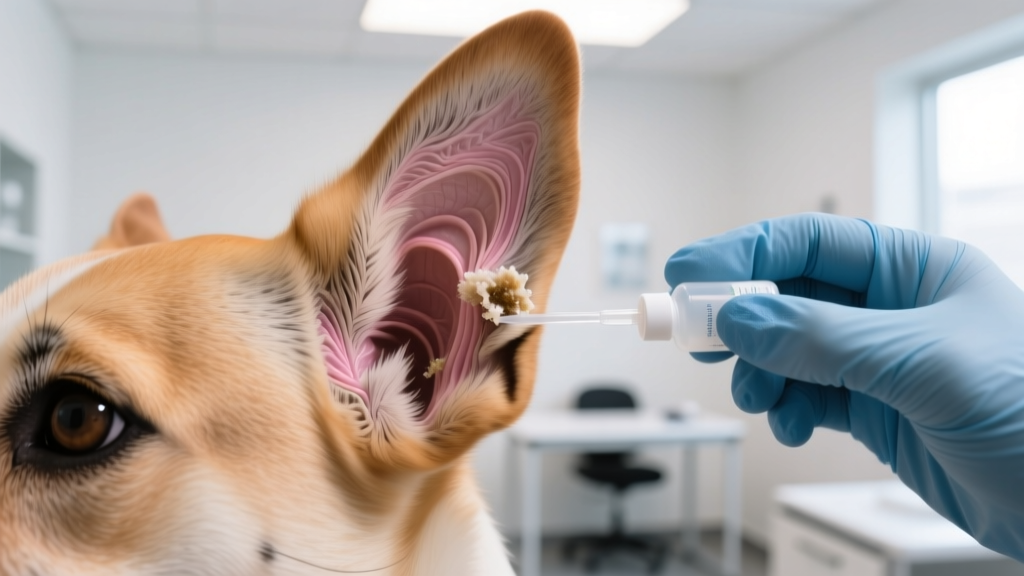
Direct Answer: A dog ear flush is a veterinary or at-home procedure that uses a liquid cleaning solution to irrigate the ear canal, removing wax, debris, microbes, and foreign material. Dogs need ear flushing when they have excessive cerumen (earwax) buildup, ear infections (otitis externa), or foreign bodies lodged in the canal. Routine maintenance cleaning for healthy ears typically requires only a gentle wipe — full flushing is reserved for medical need or heavy buildup. Always consult your veterinarian before flushing a dog's ears if you suspect infection, pain, or a ruptured eardrum.
Unlike humans, whose ear canals run mostly horizontal, dogs possess an L-shaped ear canal that descends vertically before turning horizontally toward the eardrum. This anatomical quirk — inherited from their wild ancestors — makes dogs exceptionally prone to trapping moisture, wax, and microorganisms deep in the canal where they can't naturally escape. Understanding this structure is the key to knowing why a dog ear flush works and when it becomes medically necessary.
The Evolutionary Story Behind Your Dog's Ear Canal
Why did dogs evolve an L-shaped ear canal? The domestic dog's ancestor, the gray wolf (Canis lupus), relies on acute directional hearing to locate prey across vast distances. The elongated, L-shaped canal acts as a resonating chamber that amplifies specific frequencies — particularly the high-pitched rustling of small mammals in underbrush. Wolves can detect sounds at frequencies up to 45 kHz, compared to roughly 20 kHz in humans. The deep, angular canal also provides a physical barrier protecting the delicate tympanic membrane (eardrum) from trauma during hunting, digging, and fighting.
However, this evolutionary trade-off — superior hearing protection at the cost of natural self-cleaning — becomes problematic in domestic dogs. Selective breeding for floppy ears (in spaniels, hounds, retrievers) further reduced airflow into the canal, creating warm, humid microenvironments ideal for bacterial and yeast proliferation. Research published in the Merck Veterinary Manual estimates that otitis externa affects approximately 20% of dogs in general veterinary practice, with rates climbing to over 50% in predisposed breeds.
The Physiology: How a Dog's Ear Canal Works (and Fails)
The canine ear canal is lined with specialized ceruminous glands that produce earwax (cerumen), a mixture of lipids, proteins, and shed epithelial cells. In a healthy ear, a natural epithelial migration process — sometimes called the "conveyor belt" mechanism — slowly moves wax and debris outward from the eardrum toward the canal opening. This self-cleaning system works well under ideal conditions.
When the system breaks down, three physiological cascades occur:
- Inflammation: Allergens, moisture, or trauma trigger the release of pro-inflammatory cytokines (IL-1, IL-6, TNF-α), causing the canal lining to swell and narrow. Studies show that inflamed ear canals can reduce their diameter by 40-60%, severely impairing the self-cleaning mechanism.
- Microbial overgrowth: The normal ear microbiome — dominated by Staphylococcus pseudintermedius and Malassezia pachydermatis in low numbers — shifts toward pathogenic overgrowth. Yeast populations exceeding 4-5 organisms per high-power field on cytology typically indicate infection requiring treatment.
- Cerumen hypersecretion: Irritated ceruminous glands produce excess wax as a protective response, paradoxically worsening the blockage and creating a feedback loop of inflammation and buildup.
A dog ear flush interrupts this cycle by physically removing the accumulated material, reducing microbial load, and allowing topical medications to reach the canal walls. Veterinary-formulated flush solutions typically contain a combination of ceruminolytics (to dissolve wax), drying agents (to reduce moisture), and mild antiseptics such as chlorhexidine at 0.05-0.2% concentration or tris-EDTA to disrupt bacterial biofilms.
Breed Variations: Which Dogs Need More Ear Attention?
Not all dogs carry equal ear-care burden. The shape of the pinna (external ear flap), the density of hair in the canal, and the degree of canal stenosis all vary dramatically by breed.
| Breed Category | Example Breeds | Ear Canal Traits | Relative Infection Risk | Recommended Cleaning Frequency |
|---|---|---|---|---|
| Floppy-eared, hairy canal | Cocker Spaniel, Basset Hound | Long, narrow canal; heavy hair; minimal airflow | Very High (40-60% lifetime prevalence) | Weekly inspection; flush every 2-4 weeks if prone to buildup |
| Floppy-eared, open canal | Labrador Retriever, Golden Retriever | Wide canal but occluded by pinna; water exposure common | High (30-50%) | After swimming; routine flush monthly |
| Prick-eared | German Shepherd, Siberian Husky | Open, upright pinna; good airflow | Moderate (15-25%) | Monthly inspection; flush only when debris visible |
| Brachycephalic with stenotic canals | Shar-Pei, Bulldog | Extremely narrow canal openings; thickened skin folds | Very High (50-70%) | Bi-weekly; veterinary flush may be required |
Among the most challenging cases are Shar-Peis, whose excessive skin folds can cause near-complete canal stenosis by 6-12 months of age. These dogs often require veterinary-performed ear flushing under sedation, and some ultimately need a total ear canal ablation (TECA) surgical procedure — a $2,500-$5,000 intervention that underscores the importance of early, consistent ear maintenance.
Practical Guide: How to Perform a Dog Ear Flush at Home
Before you begin: Only flush your dog's ears at home if your veterinarian has confirmed the eardrum is intact. Flushing a ruptured tympanic membrane can push solution into the middle ear, causing vestibular disease, head tilt, or deafness. If you're unsure, have your vet check first.
What you'll need:
- A veterinary-recommended ear flush solution (e.g., Epi-Otic Advanced by Virbac, ~$15-$20 for 8 oz; TrizEDTA + ketoconazole flush, ~$20-$30 for prescription-strength)
- Cotton balls or gauze squares (never cotton swabs/Q-tips — these pack debris deeper)
- Treats for positive reinforcement
- A towel (most dogs will shake vigorously)
Step-by-step procedure:
- Inspect first. Gently fold back the pinna and look at the canal opening. Note the color, odor, and amount of discharge. Healthy ears should be pale pink with minimal light-brown wax. Dark brown/black, foul-smelling, or bloody discharge warrants a vet visit before flushing.
- Fill the canal. Hold the pinna upright (straightening the vertical canal) and pour the flush solution directly into the ear until you see liquid at the canal opening. For a medium dog (30-50 lb / 14-23 kg), this is typically 3-5 mL per ear.
- Massage the base. Gently massage the base of the ear (below the canal opening) for 20-30 seconds. You should hear a squelching sound — this means the solution is loosening debris.
- Let them shake. Step back and allow your dog to shake their head. This natural reflex expels loosened material from the deep canal.
- Wipe the outer canal. Use cotton balls or gauze to gently wipe away visible debris from the outer canal and pinna. Do not insert anything deeper than the first knuckle of your index finger.
- Reward generously. High-value treats immediately after create positive association for future cleanings.
Common Myths About Dog Ear Flushing — Debunked
| Myth | Fact |
|---|---|
| "Dogs clean their own ears, so flushing is unnecessary." | The L-shaped canal prevents effective self-cleaning in most breeds. While some prick-eared dogs manage well, the majority benefit from periodic human-assisted cleaning. |
| "You should use hydrogen peroxide or alcohol to clean dog ears." | Hydrogen peroxide damages healthy epithelial cells and delays healing. Alcohol causes pain and excessive drying. Only use veterinary-formulated, pH-balanced ear flush solutions. |
| "Olive oil or mineral oil dissolves earwax safely." | Oils can trap moisture and provide a growth medium for Malassezia yeast. They do not effectively dissolve canine cerumen and may worsen infections. |
| "If my dog's ears smell bad, I should flush them more aggressively." | Foul odor typically signals bacterial or yeast infection requiring prescription medication, not just cleaning. Aggressive flushing of an infected, inflamed ear causes pain and can rupture a weakened eardrum. |
| "Q-tips are fine if I'm careful." | Cotton swabs push cerumen and debris deeper into the horizontal canal, creating impacted plugs that require veterinary removal. The AVMA and veterinary dermatologists universally advise against canal insertion of any rigid tool. |
How Canine Ear Physiology Differs From Humans
Understanding the differences between human and canine ear anatomy explains why dog ear flush protocols don't translate from human ear care practices:
| Feature | Humans | Dogs |
|---|---|---|
| Canal shape | Straight, mostly horizontal (~2.5 cm long) | L-shaped; vertical then horizontal (~5-10 cm depending on breed) |
| Self-cleaning efficiency | High — jaw movement assists epithelial migration | Moderate to poor — the 90° bend traps material |
| Earwax composition | Higher in dead skin cells and keratin | Higher in lipid content from ceruminous gland secretions |
| Hearing range | 20 Hz – 20 kHz | 67 Hz – 45 kHz (up to 65 kHz in some breeds) |
| Pinna mobility | Limited (vestigial muscles) | 18+ muscles allow independent rotation for sound localization |
| Natural ventilation | Open canal in most people | Varies widely — floppy-eared breeds have minimal airflow |
The dog's superior hearing range is directly linked to the canal's resonating properties. The longer, angular canal amplifies high-frequency sounds that correspond to the vocalizations of small prey animals — an evolutionary adaptation from wolves that persists in domestic dogs. When we flush a dog's ears, we're temporarily altering these acoustic properties, which is why some dogs appear disoriented or shake their heads repeatedly after a flush. This is normal and resolves within minutes as residual solution drains.
When Ear Behavior Signals a Medical Problem
Seek veterinary care promptly if your dog exhibits any of these signs:
- Head tilt persisting beyond 24 hours — may indicate middle/inner ear infection or vestibular disease
- Dark brown/black granular discharge — classic sign of Otodectes cynotis (ear mite) infestation or yeast overgrowth
- Swelling of the pinna ("pillow ear") — suggests an aural hematoma requiring surgical drainage ($800-$2,500 depending on size and clinic)
- Pain on ear manipulation — yelping, pulling away, or snapping when you touch the ear
- Loss of balance or circling — indicates the infection may have spread to the inner ear
- Foul, sweet, or "yeasty" odor — Malassezia overgrowth or Pseudomonas bacterial infection
- Foreign body suspicion — foxtails, grass awns, and plant material commonly lodge in the horizontal canal during summer months and require veterinary extraction
If your dog has ingested any toxic substance or you suspect poisoning, contact the ASPCA Animal Poison Control Center at (888) 426-4435 (24/7, consultation fee applies).
Frequently Asked Questions About Dog Ear Flushes
Why do dogs shake their heads after an ear flush?
Head shaking is a reflexive response to fluid in the ear canal. The vestibular system detects the liquid as a foreign presence, triggering the shake reflex to expel it. This is normal and beneficial — it helps clear loosened debris from the deep horizontal canal that manual wiping cannot reach.
Can dogs hear better after an ear flush?
Yes, in cases where significant cerumen buildup was partially occluding the canal. Impacted wax dampens sound transmission, particularly at higher frequencies. Removing this obstruction restores the canal's natural resonating properties. Owners sometimes report their dog seems "more responsive" after a thorough veterinary ear flush — this is likely genuine improvement in auditory sensitivity, not just increased attentiveness.
How often should I flush my dog's ears?
For healthy ears with no history of infection: monthly maintenance cleaning is sufficient for most breeds. For dogs with chronic otitis or breed predisposition (Cocker Spaniels, Basset Hounds, Shar-Peis): every 1-2 weeks during flare-up prevention, or as directed by your veterinarian. Over-flushing can strip the canal's protective lipid layer and disrupt the normal microbiome, so more is not always better.
Is a dog ear flush the same as ear irrigation at the vet?
Not exactly. At-home flushing uses gravity-fill and manual massage with over-the-counter solutions. Veterinary ear irrigation — often performed under sedation — uses powered flush systems (such as the Video Otoscope with integrated flush channels) that allow the veterinarian to visualize the canal in real time while flushing. This is a more thorough procedure, typically costing $150-$400 per session, and is indicated for severe infections, foreign body removal, or when the canal is too painful for the dog to tolerate awake handling.
What does it mean when my dog's ear makes a squelching sound?
A squelching or crackling sound when you massage the ear base indicates fluid and debris mixing in the canal. If this occurs during a flush, it's expected and means the solution is reaching the horizontal canal. If you hear squelching during normal activity without flushing, it suggests fluid accumulation from infection or inflammation — schedule a veterinary examination.
Can I use a dog ear flush on puppies?
Yes, but use solutions specifically labeled as safe for puppies (typically those without strong antiseptics like chlorhexidine). Products such as Epi-Otic Advanced are generally safe from 6 weeks of age. Start gentle, short sessions early to build positive associations — puppies that learn to tolerate ear handling by 16 weeks of age are significantly easier to maintain throughout life.
Dr. Hannah Wickes
All our authors care for dogs every day — read more of their work on the authors page.