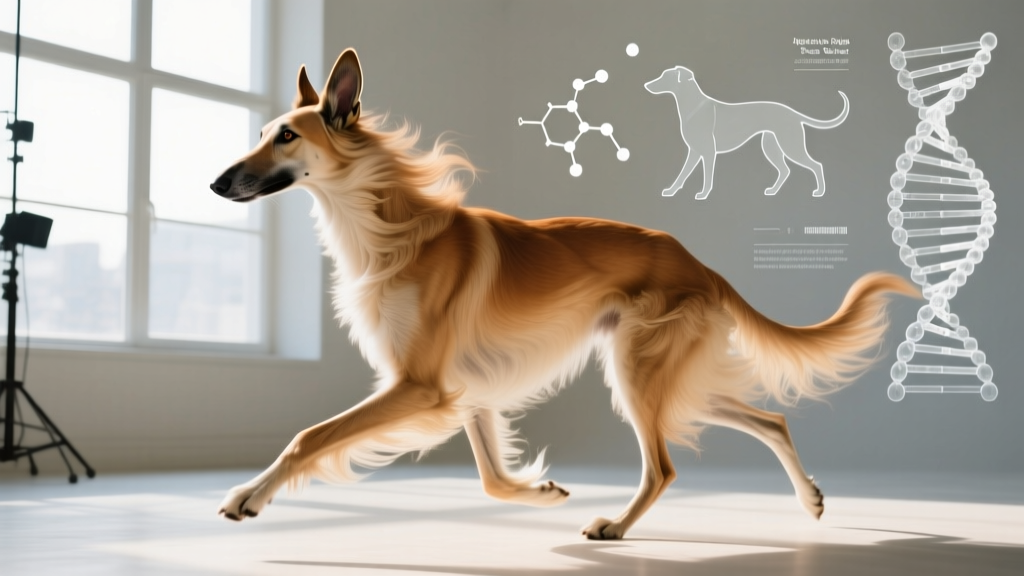
Canine Temp
Learn the science behind canine temp ranges, how dogs regulate body heat, breed variations, and when a fever signals a veterinary emergency.

Quick Answer: What Is a Normal Canine Temp?
A healthy dog's resting body temperature ranges from 101.0°F to 102.5°F (38.3°C to 39.4°C). This is roughly 2–3 degrees higher than the average human baseline of 98.6°F (37.0°C). A canine temp above 103.5°F (39.7°C) warrants monitoring, and anything at or above 104.5°F (40.3°C) is a veterinary emergency. Rectal measurement with a digital thermometer remains the gold standard for accuracy.
If you've ever pressed your hand against your dog's ears or belly and wondered whether they feel "too warm," you're not alone. The concept of canine temp trips up even experienced dog owners because dogs simply don't experience heat the way we do. Their baseline runs hotter, their cooling mechanisms are fundamentally different, and the signals they send when overheated are easy to misread.
This guide breaks down the physiology, evolutionary history, and practical science behind your dog's body temperature — so you can stop guessing and start recognizing what's normal versus what demands a vet visit.
The Science of Canine Body Temperature Regulation
Science Explainer: Why Dogs Run Hotter Than Humans
A dog's higher resting metabolic rate is the primary driver of their elevated core temperature. Pound for pound, a dog's basal metabolism operates roughly 20–30% faster than a human's. This means their cells are burning energy and generating heat at a faster clip even at rest. The hypothalamus — the brain's thermostat — is calibrated to maintain this higher set point, which is why a temperature that would constitute a dangerous fever in a human (102°F / 38.9°C) is a perfectly ordinary Tuesday for your Labrador.
Research published in the Journal of Veterinary Internal Medicine has shown that canine thermoregulation involves a complex interplay between peripheral vasodilation (blood vessels near the skin expanding to release heat), panting-driven evaporative cooling, and behavioral adaptations like seeking shade or cool surfaces.
How Dogs Process and Dissipate Heat
Unlike humans, who cool primarily through eccrine sweat glands distributed across the skin, dogs rely on a multi-system approach:
- Panting (evaporative cooling): Rapid, shallow breathing moves air across the moist surfaces of the tongue, mouth, and upper respiratory tract. Evaporation pulls heat from the blood supply in these tissues. A panting dog can move up to 300–400 breaths per minute during heat stress, compared to a normal resting rate of 15–30.
- Vasodilation: Blood vessels in the face, ears, and paw pads dilate to bring warm blood closer to the surface, where heat radiates into the environment. This is why your dog's ears may feel warm after exercise — it's a feature, not a bug.
- Paw pad sweating: Dogs do have eccrine sweat glands, but they're concentrated almost exclusively in the paw pads. These glands contribute minimally to overall cooling but help with grip and scent marking.
- Behavioral thermoregulation: Seeking cool tile floors, digging into shaded earth, sprawling with belly exposed, and reducing activity during peak heat are all instinctive strategies dogs use to manage their canine temp.
According to the Merck Veterinary Manual, the combination of panting and vasodilation can dissipate roughly 60–70% of a dog's excess heat load during moderate exercise. The remaining burden falls on conduction (contact with cool surfaces) and radiation.
Evolutionary Origins: What Wolves Taught Domestic Dogs About Heat
Evolutionary Context: The Ancestral Thermoregulation Blueprint
Gray wolves (Canis lupus) evolved across the Northern Hemisphere, ranging from Arctic tundra to temperate forests and arid grasslands. Their double coat — a dense undercoat beneath longer guard hairs — was optimized primarily for cold retention, not heat dissipation. Wolves manage heat largely through behavioral means: resting during midday, hunting during cooler dawn and dusk hours, and using their respiratory system as the primary cooling mechanism.
Domestic dogs inherited this same physiological architecture. The problem is that selective breeding has pushed many breeds into thermoregulatory extremes that wolves never faced. Brachycephalic breeds (short-nosed dogs like Bulldogs and Pugs) have compressed airways that severely limit panting efficiency. Double-coated northern breeds like Huskies retain Arctic-level insulation even when living in Arizona. And giant breeds generate enormous internal heat simply due to their mass, yet have proportionally less surface area through which to release it.
This evolutionary mismatch explains why heat-related illness is so common in modern dogs. Their bodies were designed for a wolf's lifestyle — and many of them are living in environments and body shapes that their ancestors never encountered.
Canine Temp by the Numbers: Normal Ranges, Breed Variations, and Life Stages
| Category | Temp Range (°F) | Temp Range (°C) | Notes |
|---|---|---|---|
| Normal resting adult | 101.0–102.5°F | 38.3–39.4°C | Rectal measurement; ear/touch unreliable |
| Post-exercise (normal elevation) | 102.5–103.5°F | 39.4–39.7°C | Should return to baseline within 30–60 minutes |
| Newborn puppies (first week) | 95.0–99.0°F | 35.0–37.2°C | Cannot self-regulate; require external heat source |
| Puppies (4+ weeks) | 99.5–101.5°F | 37.5–38.6°C | Gradually approaching adult range |
| Low-grade fever (monitor) | 103.5–104.4°F | 39.7–40.2°C | Contact vet if sustained >24 hours or accompanied by lethargy |
| High fever (emergency) | 104.5°F+ | 40.3°C+ | Seek emergency veterinary care immediately |
| Hypothermia (emergency) | Below 99.0°F | Below 37.2°C | Common in small breeds, seniors, and cold-water exposure |
Breed Variations in Thermoregulation
Not all dogs handle heat equally. Breed conformation, coat type, and size create significant variation in how efficiently different dogs manage their canine temp:
- Brachycephalic breeds (French Bulldogs, Pugs, English Bulldogs, Shih Tzus): Compressed nasal passages and elongated soft palates drastically reduce panting efficiency. These dogs can develop heatstroke at ambient temperatures that a Lab would find merely uncomfortable. Brachycephalic Obstructive Airway Syndrome (BOAS) compounds the risk.
- Double-coated northern breeds (Siberian Huskies, Alaskan Malamutes, Samoyeds): Their dense undercoats trap air for insulation — excellent in sub-zero weather, problematic in a Texas summer. Never shave a double-coated dog; the coat actually provides UV protection and helps regulate heat exchange.
- Giant breeds (Great Danes, Saint Bernards, Mastiffs): High body mass generates significant metabolic heat, but their surface-area-to-volume ratio is less favorable for dissipation. They overheat faster than medium-sized dogs during sustained exercise.
- Lean, short-coated sighthounds (Greyhounds, Whippets): These dogs dissipate heat relatively efficiently thanks to thin coats and low body fat, but they're prone to hypothermia in cold weather for the same reasons.
Common Canine Temp Myths — Debunked
| Myth | Fact |
|---|---|
| "A dry nose means my dog has a fever." | Nose moisture fluctuates throughout the day based on hydration, sleep, and ambient humidity. A healthy dog can have a dry nose, and a febrile dog can have a wet one. Only a thermometer provides reliable data. |
| "Dogs sweat through their tongues." | Dogs don't sweat through their tongues. Panting creates evaporative cooling across the moist oral and respiratory mucosa. The tongue is the surface where this evaporation is most visible, but no sweat glands are involved. |
| "If my dog feels hot to the touch, they have a fever." | Human skin temperature is roughly 91–93°F (33–34°C), while a dog's normal core temp runs 101–102.5°F. Dogs will always feel warm to us. Use a rectal digital thermometer for an actual reading. |
| "Shaving my dog in summer keeps them cooler." | Double coats insulate against heat as well as cold. Shaving removes UV protection and can damage the coat's regrowth cycle. Brushing out the undercoat is more effective than shaving. |
| "Dogs should always have a temp similar to humans." | A canine temp of 98.6°F (37.0°C) — normal for humans — would actually indicate hypothermia in a dog. Their physiological set point is fundamentally different. |
What It Means When Your Dog's Temperature Is Abnormal
Understanding when a canine temp deviation signals a problem requires looking at context — not just the number on the thermometer.
When Elevated Temperature Is Normal
A temp of 103.0°F (39.4°C) immediately after a vigorous fetch session or an exciting trip to the dog park is typically a normal physiological response. Exercise, stress, and excitement all raise core temperature temporarily. The key indicator is recovery time: a healthy dog's temperature should return to the 101.0–102.5°F range within 30–60 minutes of rest in a cool environment with access to water.
When Elevated Temperature Signals Illness
A sustained canine temp above 103.5°F (39.7°C) in a resting, calm dog suggests an underlying problem. Common causes include:
- Infection: Bacterial, viral, or fungal infections trigger immune-mediated fever. Parvovirus, distemper, and tick-borne diseases like ehrlichiosis commonly produce fevers in the 103.5–105°F range.
- Inflammation: Pancreatitis, immune-mediated polyarthritis, and inflammatory bowel disease can all produce low-grade persistent fevers.
- Toxin ingestion: Certain toxins (macadamia nuts, hops, tremorgenic mycotoxins from moldy food) cause hyperthermia as a direct pharmacological effect.
- Heatstroke: Environmental heat exposure that overwhelms the dog's cooling capacity. This is a true emergency — core temps can exceed 106°F (41.1°C), causing organ damage within minutes.
- Malignant hyperthermia: A rare genetic condition triggered by certain anesthetics, most documented in breeds like the Labrador Retriever and Saint Bernard.
When Low Temperature Is Concerning
Hypothermia (canine temp below 99.0°F / 37.2°C) is less commonly discussed but equally dangerous. Risk factors include prolonged cold exposure, hypothyroidism, shock, severe blood loss, and neonatal status. Small-breed puppies (Chihuahuas, Yorkshire Terriers) are especially vulnerable because their high surface-area-to-volume ratio causes rapid heat loss.
🚨 When to Call the Vet Immediately
- Rectal temperature at or above 104.5°F (40.3°C)
- Temperature below 99.0°F (37.2°C)
- Fever sustained for more than 24 hours even if only mildly elevated
- Fever accompanied by lethargy, vomiting, diarrhea, seizures, collapse, or difficulty breathing
- Any temperature abnormality in a puppy under 16 weeks, a senior dog, or a dog with known heart or respiratory disease
- Signs of heatstroke: excessive panting that doesn't resolve with rest, bright red gums, staggering, or loss of consciousness
If you suspect toxin ingestion, call ASPCA Animal Poison Control at (888) 426-4435 (24/7, consultation fee applies) or the Pet Poison Helpline at (855) 764-7661 immediately.
How Is Canine Temperature Different From Humans?
The differences go beyond a few degrees on the thermometer. Here's a side-by-side comparison of how the two species manage thermal regulation:
| Feature | Humans | Dogs |
|---|---|---|
| Normal core temp | 97.8–99.1°F (36.5–37.3°C) | 101.0–102.5°F (38.3–39.4°C) |
| Primary cooling mechanism | Eccrine sweat glands (whole body) | Panting + vasodilation |
| Sweat gland distribution | Millions across entire skin surface | Concentrated in paw pads only (eccrine); apocrine glands elsewhere produce scent, not cooling |
| Fever threshold | 100.4°F (38.0°C) | 103.5°F (39.7°C) |
| Heatstroke risk temp | 104°F (40°C) | 106°F (41.1°C) — but organ damage can begin at 105°F |
| Best measurement site | Oral, tympanic, or temporal | Rectal (gold standard); tympanic with veterinary calibration |
The takeaway: you cannot use human fever thresholds to evaluate your dog. A canine temp of 101.5°F (38.6°C), which would worry a pediatrician, is entirely unremarkable in a dog.
Practical Takeaways: Managing Your Dog's Temperature in Daily Life
Actionable Tips for Every Season
Summer heat management:
- Walk during early morning (before 8 AM) or evening (after 7 PM) when pavement temperatures drop below 125°F (52°C). Test asphalt with the back of your hand — if you can't hold it for 7 seconds, it's too hot for paw pads.
- Provide constant access to shade and fresh water. Consider a cooling mat (gel-based models like the Arf Pets Self-Cooling Mat run $25–$45 and require no refrigeration) for indoor use.
- Never leave a dog in a parked vehicle. Interior temperatures can reach 120°F (49°C) within 30 minutes on an 80°F (27°C) day, even with cracked windows, according to research cited by the AVMA.
- For brachycephalic breeds, keep indoor temperatures at or below 75°F (24°C) and limit outdoor exercise to 10–15 minutes in warm weather.
Winter cold management:
- Small breeds (under 20 lb / 9 kg) and short-coated dogs begin experiencing cold stress at ambient temperatures below 45°F (7°C). A fitted insulated jacket extends safe outdoor time.
- Wipe paws after walks on salted surfaces. Rock salt and chemical de-icers cause paw pad irritation and are toxic if ingested during licking.
- For puppies and senior dogs, maintain indoor ambient temperature at a minimum of 68°F (20°C).
How to take your dog's temperature at home:
- Use a digital rectal thermometer lubricated with petroleum jelly or water-based lubricant.
- Have your dog stand or lie on their side. Gently lift the tail.
- Insert the thermometer approximately 1 inch (2.5 cm) for small dogs, 1.5 inches (3.8 cm) for medium/large dogs.
- Hold still for 30–60 seconds (or until the thermometer beeps).
- Record the reading. Normal is 101.0–102.5°F (38.3–39.4°C).
- Clean the thermometer with rubbing alcohol after each use and store separately from human medical supplies.
Reliable digital pet thermometers cost between $8 and $20. The Vet-Tech Digital Pet Thermometer and iProvence Pet Thermometer are well-reviewed options with flexible tips that reduce discomfort.
Related Canine Senses and Physiological Abilities
Body temperature regulation connects to several other aspects of canine physiology worth understanding:
- Panting as communication: While panting primarily serves thermoregulation, dogs also pant when stressed, anxious, or in pain — even in cool environments. This "behavioral panting" is typically shallower and accompanied by other stress signals (lip licking, whale eye, trembling).
- Nose temperature and health: A dog's nose temperature fluctuates naturally. However, a suddenly hot, cracked, or crusted nose combined with other symptoms (nasal discharge, lethargy) can indicate autoimmune conditions like discoid lupus or pemphigus, not simply fever.
- Thermal sensing in the nose: Research from Lund University and Eötvös Loránd University (published in Scientific Reports, 2020) demonstrated that dogs can detect weak thermal radiation — essentially "seeing" heat — through a specialized region of the nasal cavity called the rhinarium. This ability, inherited from wolves, may help them locate warm-blooded prey at distance.
- Fever response and immune function: Fever is not itself a disease — it's an adaptive immune response. Mild elevations in canine temp (103.0–103.5°F) can enhance white blood cell function and inhibit bacterial replication. This is why veterinarians don't always immediately suppress a low-grade fever with medication; the fever may be doing useful work. Always consult your veterinarian before administering any fever-reducing medication to your dog, as human drugs like acetaminophen and ibuprofen are toxic to dogs.
Frequently Asked Questions
Why do dogs have a higher body temperature than humans?
Dogs have a faster basal metabolic rate than humans, meaning their cells generate heat more rapidly. Their hypothalamic thermostat is evolutionarily calibrated to maintain a higher set point (101.0–102.5°F), which supports their athletic physiology, rapid wound healing, and immune function.
Can dogs sense temperature changes better than humans?
Dogs can detect thermal radiation through their rhinarium (the cold, wet nose tip), a capability confirmed by peer-reviewed research. They also sense ambient temperature changes through peripheral thermoreceptors, but their subjective experience of "comfortable" temperature differs from ours due to their higher baseline temp and coat insulation.
How do dogs cool themselves without sweat glands?
Dogs rely on panting (evaporative cooling across oral and respiratory mucosa), vasodilation (expanding blood vessels near the skin surface, especially in the face and ears), conduction (lying on cool surfaces), and behavioral strategies (seeking shade, reducing activity). Their limited eccrine sweat glands, found only in the paw pads, play a minimal role in cooling.
What does it mean when my dog is panting but it's not hot?
Non-thermal panting can signal stress, anxiety, pain, or an underlying medical condition such as Cushing's disease, respiratory distress, or cardiac dysfunction. If your dog pants excessively in cool, calm conditions for more than 30 minutes, consult your veterinarian.
Is it normal for my dog's temperature to fluctuate throughout the day?
Yes. Like humans, dogs experience circadian temperature variation. Core temp is typically lowest in early morning and highest in late afternoon, with a normal fluctuation of roughly 0.5–1.0°F (0.3–0.6°C). Exercise, eating, and excitement can also cause temporary spikes.
How is canine temperature measurement different from humans?
Rectal measurement is the gold standard for dogs, as oral readings are unreliable (dogs won't hold a thermometer under their tongue, and panting skews results). Tympanic (ear) thermometers can be used but require canine-specific calibration because dogs' ear canal anatomy differs from humans. Human temporal artery scanners are not validated for canine use.
Research References
- Merck Veterinary Manual — Temperature Regulation in Dogs
- AVMA — Warm Weather Safety Tips for Dogs
- AKC — How to Take Your Dog's Temperature
Disclaimer: This article is for educational purposes and does not replace professional veterinary advice. If your dog's temperature is outside the normal range or they are showing signs of illness, consult your veterinarian promptly.
Marcus Aldridge
All our authors care for dogs every day — read more of their work on the authors page.