Afganos Dogs: The Science Behind the Afghan Hound's Unique Traits
Explore the canine science behind Afganos dogs (Afghan Hounds): genetics, physiology, evolutionary traits, behavior, and what owners need to know in 2026.
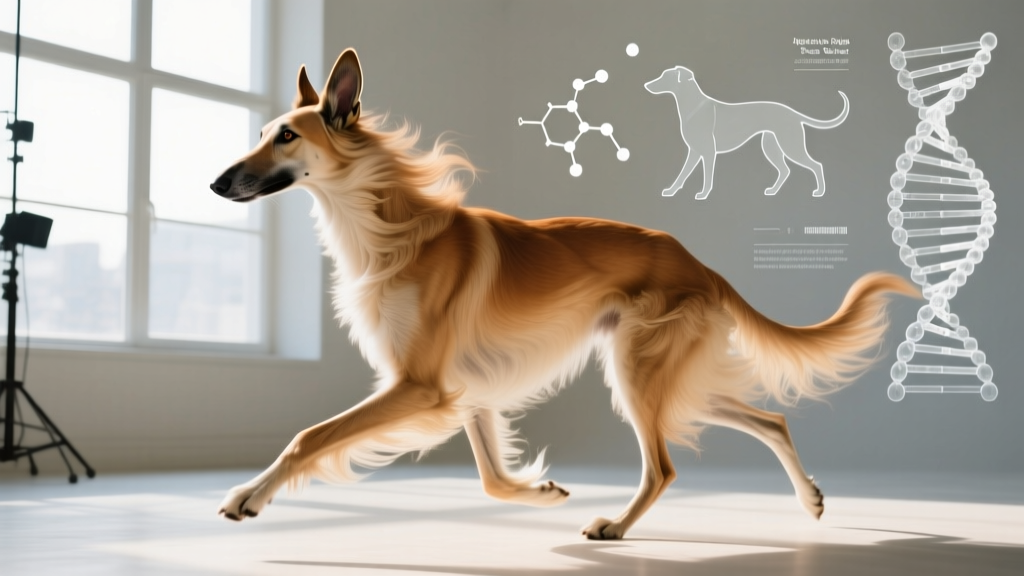
What Are Afganos Dogs? The Quick Answer
Afganos dogs — more commonly known as Afghan Hounds — are an ancient sighthound breed originating from the mountainous regions of Afghanistan, Pakistan, and northern India. Scientifically, they belong to the Canis lupus familiaris species but possess a distinct genetic lineage that predates most modern breeds by thousands of years. Genomic studies place Afghan Hounds among the basal breeds — those with the closest genetic ties to ancestral wolves — making them a living window into early canine evolution. They are characterized by their extraordinary visual acuity, coursing instinct, aloof temperament, and one of the most recognizable coats in the dog world.
The Evolutionary Origins of Afganos Dogs
Evolutionary Context: Afghan Hounds belong to a group of basal breeds identified through mitochondrial DNA and whole-genome sequencing as having diverged from the wolf lineage earlier than most modern breeds. A landmark 2004 study published in Science by Parker et al. classified Afghan Hounds within the "Ancient" clade alongside breeds like the Saluki, Basenji, and Shiba Inu. These breeds retained more ancestral behavioral and physiological traits compared to Victorian-era breeds developed through intensive selective breeding.
The ancestors of modern Afganos dogs evolved in the harsh, high-altitude terrain of the Hindu Kush mountain range, where temperatures swing from scorching summers to freezing winters. This environment selected for several key traits:
- Long, flowing coat: Provided insulation against sub-zero temperatures at altitudes exceeding 10,000 feet (3,048 m)
- Deep chest and large lung capacity: Enabled sustained pursuit of prey (gazelles, hares, snow leopards) in thin, oxygen-poor air
- Exceptional visual range: Sighthounds evolved to detect movement at distances up to 1 mile (1.6 km) across open desert and scrubland
- Independent decision-making: Hunting solo or in small groups far from human handlers required autonomous problem-solving, not constant obedience cues
According to the American Kennel Club breed standard, the Afghan Hound's structure reflects this working heritage: a level topline, prominent hipbones, large feet acting as "shock absorbers" on rocky terrain, and a distinctive ring tail that served as a visual signal to distant hunters.
The Physiological Mechanisms That Make Afganos Dogs Unique
Sighthound Vision: How Afganos Dogs See the World
Afganos dogs, like all sighthounds, possess a visual system fundamentally different from scent hounds or herding breeds. The key physiological differences include:
| Visual Trait | Afghan Hound (Sighthound) | Average Dog (Mesaticephalic) | Human |
|---|---|---|---|
| Field of vision | Up to 270° (dolichocephalic) | ~240° | ~180° |
| Visual acuity | 20/60 to 20/75 (estimated) | 20/75 (typical canine) | 20/20 |
| Motion detection distance | Up to 900 m (moving objects) | ~500-600 m | ~400 m |
| Rod-to-cone ratio | Higher rod density (superior low-light) | Moderate rod density | Higher cone density (color detail) |
| Visual streak | Pronounced horizontal streak (panoramic prey detection) | Area centralis (focused point) | Fovea centralis (sharp point focus) |
The visual streak — a horizontal band of high ganglion cell density across the retina — is especially pronounced in dolichocephalic (long-nosed) breeds like Afganos dogs. Research from the Merck Veterinary Manual notes that this adaptation allows sighthounds to scan a wide horizon for prey movement without moving their heads. The elongated skull shape physically stretches the retina, distributing photoreceptors across a broader horizontal plane.
The Prey Drive Neurological Circuit
When an Afghan Hound spots a hare darting across a field, a specific neurological cascade fires:
- Visual cortex activation: Motion-sensitive neurons in the temporal lobe detect rapid lateral movement
- Superior colliculus response: This midbrain structure triggers an orienting reflex — the dog's head snaps toward the stimulus within 100-200 milliseconds
- Hypothalamic-pituitary-adrenal (HPA) axis: Adrenaline and cortisol surge, increasing heart rate to 160-180 BPM (from a resting rate of 60-100 BPM)
- Motor cortex engagement: The chase sequence activates — this is a fixed action pattern, meaning once initiated, it is difficult to interrupt mid-sequence
- Dopaminergic reward: Successful pursuit triggers dopamine release in the nucleus accumbens, reinforcing the behavior
This is why Afghan Hounds can appear "deaf" to recall commands during a chase. It's not disobedience — the predatory motor sequence (eye → orient → stalk → chase → grab → kill) is neurologically prioritized over trained responses. Certified behaviorists refer to this as prey drive override.
Why Do Afganos Dogs Behave the Way They Do?
Why Are Afghan Hounds So Independent and Aloof?
The Afghan Hound's reputation for being "standoffish" or "cat-like" has a scientific basis. Unlike breeds developed for cooperative work (herding, retrieving), sighthounds were selected for autonomous hunting. A 2019 study in Scientific Reports by Gácsi et al. found that basal breeds showed significantly lower rates of social referencing — the behavior of looking to a human for guidance in uncertain situations — compared to breeds from the Herding or Sporting groups.
This doesn't mean Afganos dogs are unintelligent. Rather, their intelligence is oriented toward independent problem-solving rather than social compliance. Stanley Coren's ranking of Afghan Hounds at #79 out of 79 breeds for "working/obedience intelligence" in The Intelligence of Dogs measures trainability for commands, not cognitive capacity. Afghan Hounds excel at spatial reasoning, environmental navigation, and self-directed decision-making.
What Does It Mean When My Afghan Hound Ignores Me?
When your Afghan Hound turns away from your recall cue, several things may be happening:
- Selective attention: Sighthounds have evolved to prioritize visual stimuli over auditory ones. Your voice competes with a moving squirrel 200 yards away — and the squirrel wins neurologically
- Low social motivation: Basal breeds have less oxytocin receptor gene variation associated with human-directed social behavior, according to research published in Science Advances (2017)
- Context-dependent learning: Afghan Hounds often learn commands in specific contexts but don't generalize easily. A "come" learned in your living room may not transfer to an open park
Common Misconceptions About Afganos Dogs
| Myth | Scientific Fact |
|---|---|
| "Afghan Hounds are dumb because they rank last in obedience" | Coren's ranking measures compliance, not intelligence. Afganos dogs demonstrate high spatial cognition and environmental awareness — skills not measured by obedience tests |
| "They don't bond with their owners" | Afghan Hounds form deep pair-bonds, typically with one or two people. Their attachment style is more "feline" — proximity-seeking without constant physical contact — but ASPCA behavioral assessments confirm secure attachment patterns |
| "Their long coat means they overheat easily" | The Afghan coat actually provides thermal regulation — it insulates against heat as well as cold. Shaving an Afghan Hound disrupts this natural thermoregulation and can cause skin damage |
| "They can't live in apartments" | Afghan Hounds are often excellent apartment dogs if given adequate daily exercise (60-90 minutes). They tend to be calm and quiet indoors, with a strong "off switch" — a trait linked to their coursing heritage (sprint, then rest) |
| "They're aggressive because they're primitive" | Basal breed status does not correlate with aggression. Afghan Hounds score well on temperament testing; the AKC standard describes them as "dignified and aloof" but not aggressive. Prey drive toward small animals is not the same as human-directed aggression |
Health Science: Genetic Predispositions in Afganos Dogs
Afghan Hounds have a lifespan of 12-18 years — notably longer than many similarly sized breeds (the average for large breeds is 10-13 years). However, their unique physiology creates specific health vulnerabilities that owners should understand.
| Condition | Prevalence | Physiological Mechanism | Prevention/Management |
|---|---|---|---|
| Chylothorax | Higher in Afghan Hounds than general population (estimated 3-5x) | Leakage of chyle (lymphatic fluid) into the pleural cavity; breed-specific thoracic duct anatomy may be a factor | Monitor for chronic cough, labored breathing; surgical ligation in severe cases ($3,000-$7,000) |
| Hip Dysplasia | ~8-10% (OFA data) | Malformation of the femoral head-acetabulum joint; exacerbated by rapid growth in puppies | Maintain lean body condition (BCS 4-5/9); avoid excessive exercise before 18 months; OFA screening of breeding stock |
| Hypothyroidism | ~5-7% | Autoimmune thyroiditis (lymphocytic destruction of thyroid gland); reduced T4 production | Annual thyroid panel after age 4; levothyroxine supplementation ($15-$30/month) |
| Corneal Dystrophy | Breed-predisposed | Lipid deposits in the corneal stroma; may impair vision progressively | Annual veterinary ophthalmologic exam (CERF); no cure, but rarely causes blindness |
| Anesthetic Sensitivity | Common in all sighthounds | Low body fat percentage (typically 12-16% vs. 20-25% in other breeds) means reduced reservoir for fat-soluble anesthetic agents like thiopental; prolonged recovery times | Ensure your vet uses sighthound-specific protocols (propofol, isoflurane); discuss pre-anesthetic bloodwork |
🚨 Red Flags — Call Your Veterinarian Immediately If:
- Your Afghan Hound develops a persistent, dry cough (possible chylothorax)
- Sudden vision changes, cloudiness, or apparent blindness
- Difficulty rising, bunny-hopping gait, or reluctance to jump (hip dysplasia signs)
- Lethargy, weight gain, and hair thinning (hypothyroidism triad)
- Any prolonged recovery from sedation or anesthesia
Always consult your veterinarian for diagnosis and treatment. This article does not replace professional veterinary care.
Practical Implications: Living With Afganos Dogs
Exercise Requirements Based on Canine Science
Afghan Hounds are sprint-and-rest athletes, not endurance runners. Their muscle fiber composition is weighted toward fast-twitch (Type II) fibers, meaning they excel at explosive speed (up to 35-40 mph / 56-64 km/h) but fatigue relatively quickly. An ideal exercise regimen includes:
- Daily walks: 30-45 minutes at a moderate pace (2 sessions)
- Sprint opportunities: 2-3 times per week in a fully fenced area (minimum 6-foot / 1.8 m fence — Afghan Hounds can clear lower fences from a standing start)
- Lure coursing: The ideal breed-appropriate sport; engages prey drive in a controlled environment. AKC lure coursing trials are available nationwide (entry fees typically $15-$30 per run)
- Mental enrichment: Scent work and puzzle feeders engage their problem-solving capacity without requiring obedience-style training
Grooming: The Science of the Afghan Coat
The Afghan Hound's coat is a single-layer, fine-textured hair that grows continuously (similar to human head hair) rather than cycling through growth and shedding phases like double-coated breeds. This means:
- Brushing frequency: 3-4 times per week minimum; daily during the 9-18 month coat transition (puppy to adult coat)
- Bathing: Every 7-14 days with a pH-balanced canine shampoo (dog skin pH: 6.2-7.4 vs. human skin pH: 5.5)
- Professional grooming costs: $75-$150 per session depending on coat length and regional pricing; budget $1,200-$2,400 annually
- Never shave: The coat may not regrow with the same texture; sun exposure on bare skin increases risk of solar dermatitis and squamous cell carcinoma in light-skinned individuals
Nutrition for a Lean, Athletic Breed
Afghan Hounds naturally carry a lean body condition. A healthy adult Afghan should have visible hipbones and easily palpable (but not visible) ribs — this is normal for the breed and should not be confused with underfeeding. Target nutrition:
- Protein: Minimum 25% on a dry matter basis (DMB) for adult maintenance; 28-32% for active individuals
- Fat: 15-20% DMB; sighthounds metabolize fat efficiently for anaerobic sprint energy
- Caloric intake: Approximately 1,000-1,400 kcal/day for a 50-60 lb (23-27 kg) adult; adjust based on body condition score
- Joint support: Consider glucosamine/chondroitin supplementation (500-1,000 mg/day) starting at age 5 to support hip health
How Is the Afghan Hound Different From Humans and Other Dogs?
Understanding the Afghan Hound requires recognizing the profound physiological and cognitive differences between this breed and both humans and other dog breeds:
| Trait | Afghan Hound | Golden Retriever (Comparison) | Human |
|---|---|---|---|
| Primary sensory modality | Vision (motion detection) | Olfaction + social cues | Vision (color + detail) |
| Social motivation | Low-to-moderate (pair-bond oriented) | Very high (group-oriented) | Very high (tribal) |
| Stress response | Flight-oriented; high cortisol reactivity | Appeasement-oriented; seeks human contact | Fight-or-flight; cognitive coping |
| Resting heart rate | 60-80 BPM | 70-100 BPM | 60-100 BPM |
| Top sprint speed | 35-40 mph (56-64 km/h) | ~20 mph (32 km/h) | ~27 mph (43 km/h) — elite sprinter |
| Color perception | Dichromatic (blue-yellow spectrum) | Dichromatic (blue-yellow spectrum) | Trichromatic (red-green-blue) |
When Afghan Hound Behavior Signals a Problem
While independence is breed-typical, certain behavioral changes warrant investigation:
- Sudden clinginess or separation anxiety: May indicate cognitive decline (canine cognitive dysfunction) in dogs over 10, or pain-related anxiety — Afghan Hounds often mask pain stoically
- Compulsive flank-sucking or tail-chasing: Can signal anxiety, neurological conditions, or dermatological irritation; prevalence in sighthounds is lower than in Dobermans or Bull Terriers but still documented
- Acquired noise phobia: Afghan Hounds have sensitive hearing (detecting frequencies up to 45-65 kHz vs. human range of 20 kHz). Sudden thunderstorm or fireworks phobia can develop at any age and may benefit from counter-conditioning protocols and, in severe cases, veterinary-prescribed anxiolytics (e.g., trazodone at 5-10 mg/kg, prescribed by your vet)
- Aggression toward other dogs: Not breed-typical; if it emerges, rule out pain (especially hip/spine), hypothyroidism (linked to behavioral changes), or resource guarding — all addressable with veterinary and behavioral intervention
Key Research References
- Parker, H.G. et al. (2004). "Genetic Structure of the Purebred Domestic Dog." Science, 304(5674), 1160-1164. — Established the basal breed classification including Afghan Hounds
- Gácsi, M. et al. (2009). "Breed differences in domestic dogs' comprehension of human communicative signals." Learning & Behavior, 37(3). — Demonstrated lower social referencing in basal breeds
- Merck Veterinary Manual — Comprehensive breed-specific health data and sighthound anesthetic protocols
- AKC Afghan Hound Breed Standard — Official conformation and temperament criteria
Frequently Asked Questions About Afganos Dogs
Can Afghan Hounds be trained off-leash?
In most cases, no. Their prey drive override makes reliable off-leash recall extremely difficult, even with extensive positive reinforcement training. Some individual Afghan Hounds achieve reliable recall in low-distraction environments, but a chasing Afghan can reach 40 mph in seconds and cover 200+ yards before processing a verbal cue. Always use a secure, fully fenced area (minimum 6-foot fence) for off-leash exercise. GPS collars (e.g., Garmin Alpha 200, Fi Series 3 — $150-$400) provide a safety net but do not prevent the chase.
Is the Afghan Hound's aloofness normal or a sign of a problem?
Aloofness toward strangers is completely normal and breed-typical. Afghan Hounds typically reserve affection for their immediate family and may ignore or avoid unfamiliar people. This is not fear or aggression — it's an expression of their independent temperament. However, if a previously social Afghan becomes withdrawn, hides persistently, or shows avoidance of family members, consult your veterinarian to rule out pain, illness, or cognitive changes.
How do Afghan Hounds process emotions compared to other dogs?
All dogs share the same basic neuroanatomy for emotional processing (limbic system, amygdala, prefrontal cortex homologues). However, breed differences in neurotransmitter receptor density and HPA axis reactivity influence emotional expression. Afghan Hounds tend to have higher cortisol reactivity to novel stimuli (a trait linked to their prey-animal vigilance heritage) but lower social-seeking behavior during stress. This means they may process fear intensely but cope by withdrawing rather than seeking comfort — a key difference from breeds like Golden Retrievers.
What is the cost of owning an Afghan Hound in 2026?
Budget for the following annual costs:
- Purchase/adoption: $1,500-$3,500 from a responsible breeder; $200-$600 from breed-specific rescue
- Grooming: $1,200-$2,400/year (professional grooming every 2-4 weeks)
- Food: $600-$900/year (premium kibble or balanced raw diet for a 50-60 lb dog)
- Veterinary care: $800-$1,500/year (routine); emergency fund of $2,000-$5,000 recommended
- Pet insurance: $40-$75/month (breed-specific conditions like chylothorax may have waiting periods)
- Total first-year cost: $5,500-$10,000+ including puppy purchase
Are Afganos dogs good with children and other pets?
Afghan Hounds can coexist well with respectful children who understand not to pull their long coat or startle them. They are not "roughhousing" dogs and prefer calm interaction. With other dogs, socialization from 8-16 weeks is critical. Small pets (cats, rabbits, small dogs) may trigger prey drive — cohabitation is possible with careful introduction and management, but never leave an Afghan Hound unsupervised with small animals. The AVMA recommends gradual, positive-reinforcement-based introductions for any multi-pet household.
Marcus Aldridge
All our authors care for dogs every day — read more of their work on the authors page.


