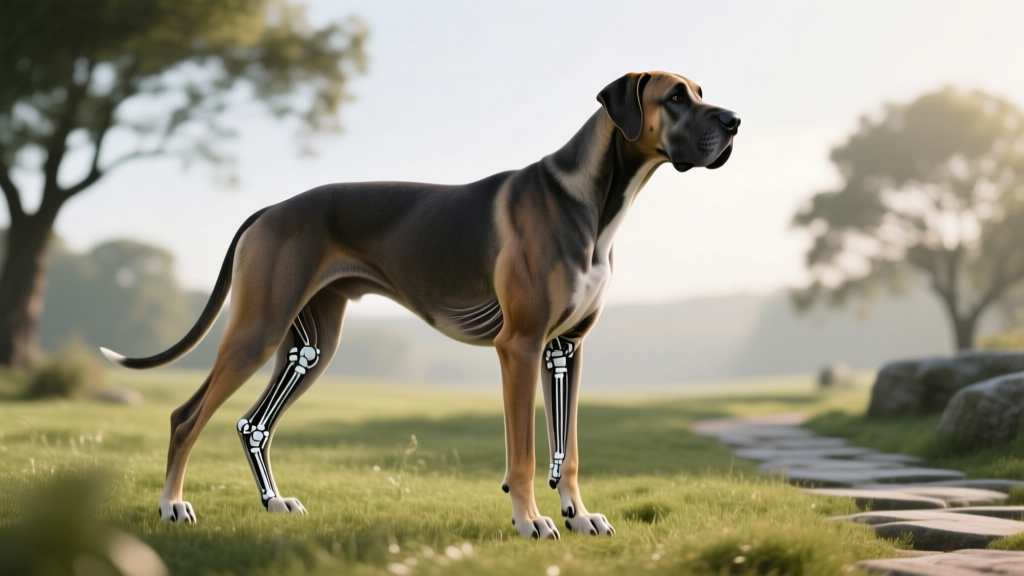
Brufen for Dogs: Why Ibuprofen Is Toxic and What Science Says
Brufen for dogs is dangerous. Learn the science behind ibuprofen toxicity in canines, symptoms, safe alternatives, and what to do if your dog ingests it.

Can You Give Brufen (Ibuprofen) to Dogs?
NO — Brufen (ibuprofen) is toxic to dogs and must never be administered without explicit veterinary direction. Even a single standard 200 mg tablet can cause serious harm to a small dog. Ibuprofen blocks enzymes that protect your dog's stomach lining and kidney blood flow, leading to gastric ulceration, acute kidney injury, and potentially death. If your dog has ingested Brufen, contact the ASPCA Animal Poison Control Center at (888) 426-4435 or your nearest emergency veterinary clinic immediately.
Brufen is a brand name for ibuprofen, one of the most common nonsteroidal anti-inflammatory drugs (NSAIDs) in human medicine. Every month, thousands of dog owners search for "Brufen for dogs" hoping to find a safe dosage for their pet's pain or inflammation. The scientific reality is stark: dogs metabolize ibuprofen in ways that make it dangerously toxic at doses humans consider routine. Understanding the pharmacology behind this toxicity isn't just academic — it could save your dog's life.
The Pharmacology: How Ibuprofen Works (and Why Dogs Can't Handle It)
COX Enzyme Inhibition Explained
Ibuprofen works by inhibiting cyclooxygenase enzymes — specifically COX-1 and COX-2. These enzymes produce prostaglandins, lipid compounds that serve multiple functions:
- COX-1 prostaglandins: Maintain the protective mucus barrier in the stomach, regulate blood flow to the kidneys, and support normal platelet function
- COX-2 prostaglandins: Mediate inflammation, pain signaling, and fever response
In humans, ibuprofen's inhibition of both COX pathways reduces pain and inflammation, while side effects (stomach upset, kidney strain) are generally manageable at therapeutic doses. In dogs, the same mechanism produces catastrophic disruption because canine physiology depends more heavily on COX-1 prostaglandins for organ protection.
The core problem lies in hepatic metabolism. Dogs process ibuprofen primarily through glucuronidation — a liver pathway that is significantly less efficient in canines than in humans. Research published in the Journal of Veterinary Pharmacology demonstrates that dogs have a markedly reduced capacity for glucuronide conjugation compared to humans, meaning ibuprofen and its metabolites circulate in the canine bloodstream far longer, accumulating to toxic levels even from a single dose.
The half-life of ibuprofen in dogs ranges from 4 to 15 hours depending on dose and individual metabolism, compared to approximately 2 hours in humans. This extended exposure window means that toxic metabolites continue damaging tissues long after the drug would have been cleared from a human system.
Toxicity Thresholds: The Numbers Every Owner Should Know
| Dog Weight | GI Ulceration Risk | Kidney Damage Risk | CNS Toxicity / Seizures | Equivalent in 200 mg Tablets |
|---|---|---|---|---|
| 10 lb / 4.5 kg | ≥ 50 mg/kg (~225 mg) | ≥ 175 mg/kg (~790 mg) | ≥ 400 mg/kg (~1,800 mg) | Just 1 tablet = GI risk |
| 25 lb / 11.3 kg | ≥ 50 mg/kg (~565 mg) | ≥ 175 mg/kg (~1,975 mg) | ≥ 400 mg/kg (~4,520 mg) | 2-3 tablets = GI risk |
| 50 lb / 22.7 kg | ≥ 50 mg/kg (~1,135 mg) | ≥ 175 mg/kg (~3,970 mg) | ≥ 400 mg/kg (~9,080 mg) | 5-6 tablets = GI risk |
| 80 lb / 36.3 kg | ≥ 50 mg/kg (~1,815 mg) | ≥ 175 mg/kg (~6,350 mg) | ≥ 400 mg/kg (~14,520 mg) | 9 tablets = GI risk |
Critical context: A single over-the-counter Brufen tablet contains 200 mg of ibuprofen. Prescription-strength formulations may contain 400 mg, 600 mg, or 800 mg per tablet. For a 10-pound dog, ingesting just one standard tablet delivers approximately 44 mg/kg — hovering right at the threshold for gastrointestinal damage. Sustained-release or "extended-release" formulations are even more dangerous because they continue releasing the drug over many hours.
According to the ASPCA, ibuprofen consistently ranks among the top five most common causes of pet poisoning calls to their hotline. The Merck Veterinary Manual confirms that dogs are significantly more sensitive to NSAID toxicity than humans, with the gastric and renal systems bearing the brunt of toxic damage.
Evolutionary Context: Why Dogs Never Developed Ibuprofen Tolerance
The Ancestral Metabolism Gap
Dogs descended from wolves that evolved as hypercarnivores — animals whose diet consisted overwhelmingly of animal protein and fat over millions of years. This dietary specialization shaped their hepatic enzyme profile in ways that persist in modern domestic dogs.
Key evolutionary factors:
- Reduced glucuronidation capacity: Wolves and early canids had minimal evolutionary pressure to develop robust glucuronide conjugation pathways because their natural diet contained few plant-derived compounds requiring this detoxification route. Herbivores and omnivores (including humans) evolved more efficient glucuronidation to process diverse plant secondary metabolites.
- Prostaglandin dependency: The canine gastrointestinal tract evolved to rely heavily on COX-1 prostaglandins for mucosal protection. Unlike humans, who have more redundant gastric protection mechanisms, dogs have fewer compensatory pathways when COX-1 is inhibited.
- Kidney blood flow regulation: Canine renal perfusion is more prostaglandin-dependent than human renal perfusion, particularly under stress conditions like dehydration or pre-existing kidney compromise.
This evolutionary mismatch means that a drug designed for human biochemistry interacts with canine physiology in fundamentally different — and dangerous — ways.
Recognizing Ibuprofen Poisoning: Symptom Timeline
Understanding the progression of ibuprofen toxicity helps owners recognize when emergency intervention is needed. Symptoms follow a dose-dependent timeline:
Phase 1: Gastrointestinal Signs (2–6 hours post-ingestion)
- Vomiting (may contain blood — appears as red streaks or coffee-ground material)
- Loss of appetite
- Abdominal pain (dog may adopt a "prayer position" with front legs extended, rear elevated)
- Excessive drooling
- Black, tarry stools (melena) indicating digested blood
Phase 2: Renal Damage (12–72 hours post-ingestion)
- Increased thirst and urination (polydipsia/polyuria) — early kidney stress
- Decreased or absent urination — late-stage kidney failure
- Lethargy and weakness
- Pale gums (indicating anemia from GI blood loss or reduced perfusion)
- Dehydration (skin tent test: pinch skin over shoulder blades — if it doesn't snap back within 2 seconds, dehydration is present)
Phase 3: Neurological Signs (high doses, typically >400 mg/kg)
- Disorientation and ataxia (stumbling, loss of coordination)
- Tremors or muscle twitching
- Seizures
- Coma
⚠ EMERGENCY: Act Immediately If Your Dog Shows Any of These
- You witnessed your dog swallowing any amount of Brufen/ibuprofen
- Vomiting blood or material resembling coffee grounds
- Black, tarry stools
- Seizures or collapse
- No urination for 12+ hours after suspected ingestion
Call now: ASPCA Animal Poison Control — (888) 426-4435 (24/7, consultation fee applies) or Pet Poison Helpline — (855) 764-7661. Then proceed to the nearest emergency veterinary clinic.
Veterinary Treatment: What to Expect at the Clinic
If your dog has ingested Brufen, veterinary treatment follows a structured decontamination and supportive care protocol. Here's what happens behind the clinic doors:
| Intervention | Timing | Purpose | Estimated Cost Range |
|---|---|---|---|
| Emesis induction (apomorphine or hydrogen peroxide) | Within 1–2 hours of ingestion | Expel unabsorbed drug from stomach | $50–$100 |
| Activated charcoal administration | Within 2–4 hours | Bind remaining drug in GI tract to prevent absorption | $40–$80 |
| IV fluid therapy (crystalloids) | Continuous for 24–72 hours | Maintain kidney perfusion, flush toxins, correct dehydration | $200–$600/day |
| Gastroprotectants (misoprostol, sucralfate, omeprazole) | Started immediately, continued 5–7 days | Replace protective prostaglandins, coat ulcerated stomach lining | $30–$100 |
| Blood work (CBC, chemistry panel, urinalysis) | On admission, repeated at 24 and 48 hours | Monitor kidney values (BUN, creatinine, SDMA), liver enzymes, red blood cell count | $150–$300 per panel |
| Anti-emetics (maropitant/Cerenia) | As needed | Control vomiting, prevent further dehydration | $30–$60 per dose |
Total treatment cost: For a mild case with early intervention, expect $500–$1,500. Severe cases requiring extended hospitalization, blood transfusions (for significant GI hemorrhage), or dialysis (for acute kidney failure) can exceed $3,000–$7,000. Pet insurance with accident/illness coverage typically covers toxic ingestion treatment — another reason to maintain an active policy.
The prognosis depends heavily on three factors: time from ingestion to treatment, dose ingested relative to body weight, and the dog's pre-existing kidney function. Dogs treated within 2 hours of ingestion with doses below 175 mg/kg generally have an excellent prognosis. Dogs presenting with established kidney failure (elevated creatinine >3.0 mg/dL) face a guarded to poor prognosis, with recovery taking weeks and sometimes resulting in permanent renal damage.
Myths vs. Facts: Common Misconceptions About Brufen for Dogs
| Myth | Scientific Fact |
|---|---|
| "A baby aspirin dose of ibuprofen is fine for small dogs." | Even 50 mg/kg causes GI ulceration. A 10 lb dog reaching this threshold with just one 200 mg tablet. There is no established safe dose of ibuprofen for dogs in veterinary medicine. |
| "My dog took one last week and seemed fine." | Subclinical kidney damage may not produce visible symptoms for days or weeks. Blood work is the only way to confirm organ function. Cumulative damage from repeated exposures dramatically increases risk. |
| "If it's safe for my child, it's safe for my dog." | Dogs have fundamentally different drug metabolism. Their glucuronidation pathway is 5-10x less efficient for certain substrates, and their gastric mucosa is more prostaglandin-dependent than human tissue. |
| "I'll just give half a tablet." | Tablet splitting does not account for species-specific pharmacokinetics. The toxic threshold is based on mg per kg of body weight, not human dose fractions. A half tablet (100 mg) still delivers a dangerous dose to any dog under 20 lb. |
| "Dogs in the wild eat anti-inflammatory plants, so NSAIDs are natural." | Ibuprofen is a synthetic pharmaceutical compound (2-(4-isobutylphenyl)propanoic acid) first synthesized in 1961. No evolutionary precedent exists for canine exposure. Wild canids do not self-medicate with synthetic NSAIDs. |
Safe Alternatives: What Your Veterinarian Can Prescribe Instead
The frustration that drives owners to search for "Brufen for dogs" is usually rooted in a real problem — their dog is in pain. The good news is that veterinary medicine has developed several NSAIDs specifically formulated and tested for canine use. These drugs target COX-2 (the inflammation pathway) while sparing COX-1 (the protective pathway) far more selectively than ibuprofen.
FDA-Approved Canine NSAIDs (Prescription Required)
- Carprofen (Rimadyl, Novox): The most widely prescribed veterinary NSAID. Available as chewable tablets, typically dosed at 2 mg/kg twice daily or 4 mg/kg once daily. Average cost: $0.50–$2.00 per tablet depending on strength. Effective for osteoarthritis, post-surgical pain, and soft tissue inflammation.
- Meloxicam (Metacam): Oral suspension popular for its ease of dosing in small dogs. Loading dose of 0.2 mg/kg on day one, then 0.1 mg/kg daily maintenance. Cost: $30–$60 per bottle. Also used in cats (with extreme caution and different dosing).
- Deracoxib (Deramaxx): COX-2 selective inhibitor. Dosed at 1–2 mg/kg daily for post-surgical pain, 3–4 mg/kg for osteoarthritis. Cost: $1.50–$3.50 per tablet. The COX-2 selectivity provides a wider safety margin for gastric protection.
- Firocoxib (Previcox): Highly COX-2 selective. Dosed at 5 mg/kg once daily. Cost: $2.00–$4.00 per tablet. Available in scored chewable tablets for easy dose adjustment.
- Grapiprant (Galliprant): Not a traditional NSAID — it's a prostaglandin E2 receptor antagonist. Targets pain signaling without inhibiting COX enzymes at all. Dosed at 2 mg/kg daily. Cost: $3.00–$6.00 per tablet. Newest option with the most favorable safety profile for long-term use.
Important: All veterinary NSAIDs require a prescription and baseline blood work before initiation. Your veterinarian will check kidney and liver function (BUN, creatinine, ALT, ALP) before prescribing and typically recheck these values every 6 months during chronic therapy. Never combine two NSAIDs or give an NSAID alongside a corticosteroid (prednisone) — this combination dramatically increases ulcer risk.
For owners seeking non-pharmaceutical pain management, evidence-supported options include omega-3 fatty acid supplementation (specifically EPA and DHA at combined doses of 300–500 mg per 10 kg body weight daily), veterinary physical therapy, and acupuncture performed by a certified veterinary acupuncturist (CVA). The AVMA recommends that any NSAID use in animals be conducted under direct veterinary supervision with appropriate monitoring.
Breed Variations and Risk Factors
While ibuprofen is toxic to all dogs regardless of breed, certain factors increase vulnerability:
- Brachycephalic breeds (Bulldogs, Pugs, Boston Terriers): Already compromised respiratory function means additional physiological stress from NSAID toxicity can escalate more rapidly.
- Sighthounds (Greyhounds, Whippets): Known to have altered drug metabolism due to lower body fat percentages and different hepatic enzyme profiles. Greyhounds specifically have documented sensitivity to certain drugs, and while ibuprofen-specific data is limited, the precautionary principle applies strongly.
- Senior dogs (7+ years): Age-related decline in kidney function means even subtoxic doses may overwhelm compromised nephrons. Pre-existing chronic kidney disease (CKD) is an absolute contraindication for any NSAID.
- Dehydrated dogs: Reduced blood volume concentrates the drug and reduces renal perfusion, amplifying kidney damage risk. Dogs that have been vomiting, have diarrhea, or have not been drinking adequately are at elevated risk.
- Dogs on concurrent medications: Corticosteroids (prednisone, dexamethasone), other NSAIDs, certain antibiotics (aminoglycosides), and diuretics (furosemide) all interact dangerously with ibuprofen.
Frequently Asked Questions
What does it mean when my dog accidentally eats a Brufen tablet?
It means you have a time-sensitive medical situation. Do not wait for symptoms to appear — by the time vomiting or lethargy manifests, significant GI or kidney damage may already be underway. Note the exact time of ingestion, the milligram strength of the tablet, and how many were consumed. Call ASPCA Poison Control at (888) 426-4435 or go directly to an emergency vet clinic. If ingestion occurred within the past 2 hours, the vet can induce vomiting to remove the drug before it's fully absorbed.
Is there any dose of ibuprofen that's considered safe for dogs?
No. There is no established safe therapeutic dose of ibuprofen for dogs in any veterinary formulary. The margin between a theoretical anti-inflammatory effect and toxic damage is so narrow that veterinary pharmacologists universally recommend against its use. The FDA has issued specific warnings about using human pain medications in pets, noting that species-specific differences in drug metabolism make human dosing guidelines inapplicable to animals.
How is ibuprofen metabolism different in dogs compared to humans?
Three primary differences: (1) Dogs have significantly reduced glucuronidation capacity, slowing drug clearance. (2) Ibuprofen's half-life in dogs is 2-7x longer than in humans, meaning toxic metabolites persist longer. (3) Canine gastric mucosa is more dependent on COX-1 prostaglandins for protection, so inhibition produces more severe ulceration at lower doses. Additionally, dogs experience enterohepatic recirculation of ibuprofen — the drug is secreted into bile, then reabsorbed from the intestine, creating a secondary exposure peak that doesn't occur to the same degree in humans.
Can I use other human pain relievers like acetaminophen or aspirin for my dog?
Acetaminophen (Tylenol) is also toxic to dogs, causing liver damage and methemoglobinemia (a condition where red blood cells lose their oxygen-carrying capacity). Aspirin has been used historically in veterinary medicine but has a very narrow safety margin, causes similar GI ulceration, and has largely been replaced by safer veterinary-specific NSAIDs. The only safe approach is using medications prescribed by your veterinarian after appropriate diagnostic workup.
My dog is limping — what should I do instead of giving Brufen?
First, restrict activity — no running, jumping, or long walks. Apply a cold pack wrapped in a towel to the affected area for 10-15 minutes if swelling is visible. Schedule a veterinary appointment within 24-48 hours (sooner if your dog won't bear weight at all, is crying in pain, or has visible deformity). Your vet will perform a physical exam, likely take X-rays, and prescribe an appropriate canine-specific NSAID if warranted. In the interim, do not administer any human medication.
Sources & Further Reading
- Merck Veterinary Manual — NSAID Toxicosis in Animals
- ASPCA Animal Poison Control — Ibuprofen Toxicity in Dogs
- U.S. FDA — FDA Warns About Pain Medication for Pets
- AVMA — Policy on Use of NSAIDs in Animals
- Khan, S.A. & McLean, M.K. (2012). "Toxicology of frequently encountered nonsteroidal anti-inflammatory drugs." Veterinary Clinics of North America: Small Animal Practice, 42(2), 289-306.
Marcus Aldridge
All our authors care for dogs every day — read more of their work on the authors page.