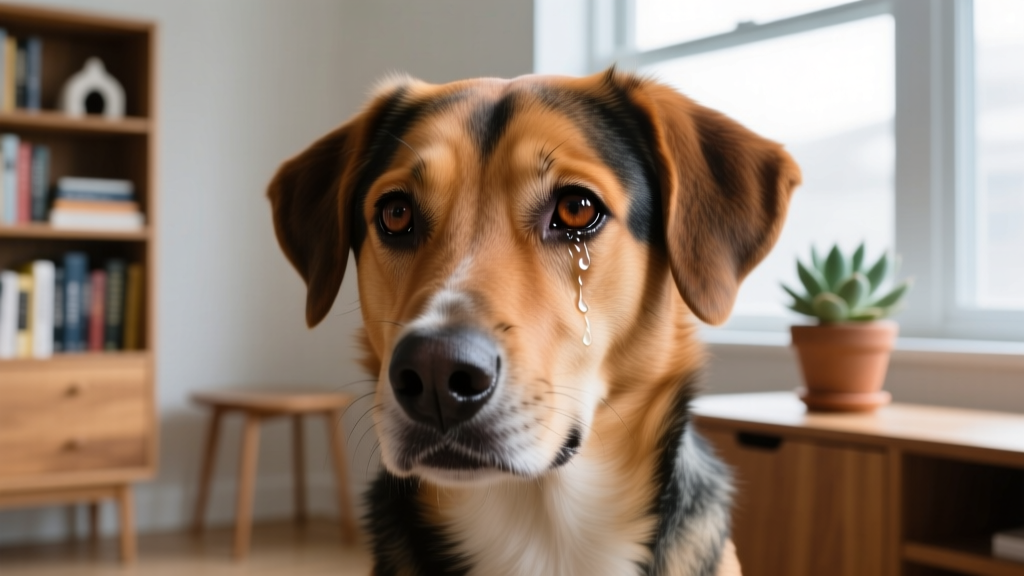
What Breed Was the Dog in Turner & Hooch?
Discover the breed of Turner and Hooch dog — the Dogue de Bordeaux. Explore its science, temperament, health risks, and what owners need to know.

The Breed of Turner & Hooch Dog: Quick Answer
The dog that played Hooch in the 1989 film Turner & Hooch was a Dogue de Bordeaux (pronounced "dohg duh bor-DOH"), also known as the French Mastiff. The primary canine actor was a dog named Beasley. This ancient French breed is one of the oldest mastiff-type dogs in France, recognized by the American Kennel Club (AKC) since 2008. Males typically weigh 110–145 lb (50–66 kg) and stand 23.5–27 inches (60–69 cm) at the shoulder, with a lifespan of just 5–8 years — one of the shortest among all recognized breeds.
If you've watched Tom Hanks wrestle with a slobbering, barrel-chested dog on screen and immediately Googled "what breed is that dog?" — you're far from alone. The Dogue de Bordeaux saw a measurable spike in popularity after the film's release, a phenomenon canine sociologists call the "movie dog effect." But behind that wrinkled, expressive face lies a breed shaped by centuries of selective pressure, with a physiology and behavioral repertoire that prospective owners need to understand before committing to one.
Evolutionary and Historical Context: Why the Dogue de Bordeaux Looks the Way It Does
Ancestral function: The Dogue de Bordeaux descends from the molosser-type dogs of antiquity — large, brachycephalic canids used by the Romans for warfare, livestock guarding, and blood sports. The breed's name references the Bordeaux region of France, where it was refined as a butcher's dog, estate guardian, and wild boar hunter.
Why the massive head? The breed's enormous skull and pronounced underbite (mandibular prognathism) are not cosmetic accidents. In ancestral working dogs, a broad skull anchors the temporalis and masseter muscles — the primary jaw-closing muscles. A Dogue de Bordeaux can exert bite forces estimated at 556 PSI (pounds per square inch), compared to roughly 235 PSI in a German Shepherd and 162 PSI in a human. This bite force was essential for gripping and holding large game or intruders.
Why the loose skin and wrinkles? Excess skin around the face, neck, and body served a protective function. When fighting other animals, loose skin is difficult for an opponent to grip firmly, and it allows the dog to twist and maneuver even when held. This trait is shared with other mastiff breeds like the Neapolitan Mastiff and the Shar-Pei.
The modern Dogue de Bordeaux retains these ancestral features even though the vast majority now serve as companion animals. Understanding this evolutionary legacy is critical, because many of the breed's health challenges are direct consequences of the very traits that made it effective as a working dog.
The Science of the Dogue de Bordeaux: Physiology, Brachycephaly, and What Research Tells Us
Brachycephalic Skull Structure
The Dogue de Bordeaux is classified as a brachycephalic breed — meaning its skull is significantly shortened along the anterior-posterior axis. The cephalic index (skull width ÷ skull length × 100) in brachycephalic dogs exceeds 80, compared to roughly 50 in dolichocephalic breeds like Greyhounds.
This skull shape compresses the upper respiratory structures into a smaller space, leading to Brachycephalic Obstructive Airway Syndrome (BOAS). A 2020 study published in PLOS ONE found that brachycephalic breeds had a significantly higher prevalence of BOAS-related clinical signs including stertor (noisy breathing), exercise intolerance, and sleep-disordered breathing. The Dogue de Bordeaux, with its extreme facial conformation, is among the breeds at highest risk.
Thermoregulation Challenges
Dogs dissipate heat primarily through panting (evaporative cooling from the respiratory tract) and vasodilation of peripheral blood vessels. Brachycephalic dogs have compromised panting efficiency because their shortened airways restrict airflow. Combined with the Dogue de Bordeaux's large body mass (which generates more metabolic heat), this breed is extremely vulnerable to heatstroke. Core body temperatures above 105°F (40.6°C) can trigger multi-organ failure within minutes.
Cardiac Physiology
Research from the Merck Veterinary Manual and breed health surveys by the Dogue de Bordeaux Society of America (DDBSA) indicate that dilated cardiomyopathy (DCM) and aortic stenosis are the leading cardiac causes of death in this breed. A UK-based study of breed mortality found that cardiac disease accounted for approximately 20% of Dogue de Bordeaux deaths, with a median age at death of just 5.29 years — among the lowest of any breed studied.
| Condition | Prevalence / Risk Level | Typical Onset | Estimated Treatment Cost (USD) |
|---|---|---|---|
| Brachycephalic Obstructive Airway Syndrome (BOAS) | Very High — majority of dogs affected to some degree | Present at birth; clinical signs often worsen by age 2–3 | $1,500–$5,000+ for surgical correction (staphylectomy, nares widening) |
| Dilated Cardiomyopathy (DCM) | High — leading cause of premature death | Typically 4–7 years | $500–$2,000 initial workup; $150–$400/month ongoing medication |
| Hip Dysplasia | High — OFA data shows ~40% affected | Signs from 6 months; confirmed by 2 years | $3,500–$7,000 per hip for total hip replacement |
| Gastric Dilatation-Volvulus (Bloat) | Moderate-High — deep-chested giant breed | Any age; peak 4–7 years | $3,000–$7,000 emergency surgery |
| Ectropion / Entropion (eyelid disorders) | High — related to loose facial skin | Often within first year | $800–$2,500 per eye for surgical correction |
Budget planning note: Given the breed's health profile, owners should budget $3,000–$6,000 annually for veterinary care beyond routine wellness, or invest in a comprehensive pet insurance policy (expect premiums of $80–$150/month for a Dogue de Bordeaux from insurers like Trupanion or Healthy Paws, with breed-specific condition coverage).
Temperament Science: What Does the Research Say About Dogue de Bordeaux Behavior?
The Dogue de Bordeaux is often described as "loyal," "courageous," and "good with family" — but these labels gloss over the behavioral nuance that science reveals.
Guarding Instinct and Territorial Behavior
As a livestock and estate guardian breed, the Dogue de Bordeaux was selected for low prey drive but high territorial defense. This is a key distinction. Unlike breeds selected for prey drive (e.g., terriers, sight hounds), the Dogue's guarding behavior is rooted in resource defense — protecting its home, family unit, and territory from perceived threats. Neurologically, this maps to heightened amygdala reactivity to novel stimuli entering the dog's perceived territory, combined with strong oxytocin-mediated bonding to familiar humans.
In practical terms, this means a Dogue de Bordeaux is typically:
- Calm and low-energy indoors — they are not endurance athletes and prefer lounging near their owners
- Watchful and alert to strangers — they will position themselves between their owner and an unfamiliar person
- Slow to warm up — they require extended, positive exposure to accept new people, sometimes over multiple visits
- Potentially dog-aggressive with same-sex dogs — particularly intact males, a pattern documented across mastiff breeds
The "Lazy Dog" Misconception
| Myth | Fact |
|---|---|
| "Dogue de Bordeaux are lazy and don't need exercise." | They require 30–60 minutes of low-impact exercise daily (walks, swimming). Without it, obesity accelerates joint disease and cardiac strain. Their low endurance is a physiological limitation, not a lack of desire to move. |
| "They're aggressive dogs because they were fighting dogs." | The breed was historically used in dog fighting in France, but modern breeding programs (post-1960s) have selected heavily for stable temperament. The AKC breed standard specifically describes the temperament as "affectionate, loyal, and courageous." Aggression toward humans is a disqualifying fault. |
| "The snoring and snorting are just normal breed quirks." | While common, these are clinical signs of BOAS. Chronic airway obstruction leads to secondary complications including laryngeal collapse, gastroesophageal reflux, and sleep apnea. Dogs showing exercise intolerance, cyanotic (blue) gums, or collapse need immediate veterinary evaluation. |
| "They're fine in apartments because they're low energy." | Their size (110–145 lb / 50–66 kg), heat intolerance, and territorial nature make apartments challenging. They need climate-controlled environments and space to move without joint stress. A ground-floor unit with yard access is ideal. |
| "Drooling is unavoidable and just part of owning one." | While the breed's loose lip folds (flews) do allow saliva to escape, excessive drooling can signal dental disease, nausea, oral tumors, or a foreign body. A sudden increase in drooling warrants a veterinary oral exam. |
Practical Owner Guide: What Life With a Dogue de Bordeaux Actually Looks Like
Daily Care Framework
- Exercise: 30–45 minutes of structured walking, ideally in cool morning/evening hours. Avoid exercise when ambient temperature exceeds 75°F (24°C). Swimming is excellent low-impact exercise if the dog is comfortable in water.
- Feeding: 4–6 cups of high-quality large-breed kibble daily (split into two meals to reduce bloat risk). Look for AAFCO complete-and-balanced formulations with guaranteed analysis showing 22–26% protein and 12–15% fat for adult maintenance. Avoid elevated food bowls — a 2024 study in the Journal of the American Veterinary Medical Association found that elevated feeders may actually increase bloat risk in giant breeds.
- Grooming: Weekly brushing with a rubber curry brush. Daily wrinkle cleaning with veterinary-approved wipes (e.g., MalAcetic or Stridex-sensitive) to prevent yeast and bacterial intertrigo in skin folds. Ear cleaning weekly with a pH-balanced canine ear cleanser.
- Training: Begin positive reinforcement training by 8–10 weeks. This breed responds poorly to aversive methods (shock collars, prong collars, alpha rolls) — their sensitivity and strong bond with handlers makes reward-based training highly effective. Focus on early socialization (minimum 100 positive exposures to novel people, surfaces, sounds, and other dogs before 16 weeks, per the American Veterinary Society of Animal Behavior guidelines).
- Climate control: Indoor temperature should not exceed 75°F (24°C). Always provide access to air conditioning in summer. Never leave a Dogue de Bordeaux in a parked vehicle — heatstroke can develop in under 6 minutes even with windows cracked.
Cost Breakdown: First-Year Ownership
| Category | Low | Mid-Range | High |
|---|---|---|---|
| Puppy purchase (responsible breeder, health-tested parents) | $2,500 | $3,500 | $5,000+ |
| Adoption (breed-specific rescue) | $300 | $500 | $800 |
| Food (12 months) | $900 | $1,400 | $2,000 |
| Veterinary care (routine + puppy series) | $800 | $1,500 | $3,000 |
| Pet insurance (annual premium) | $960 | $1,440 | $1,800 |
| Gear (XL crate, heavy-duty leash, harness, beds) | $300 | $600 | $1,000 |
| Total (purchased puppy, mid-range) | $7,000–$10,000+ | ||
Breed Comparisons: How Does the Dogue de Bordeaux Stack Up Against Similar Breeds?
If you're drawn to the Dogue de Bordeaux's appearance and temperament but concerned about the lifespan or health burden, consider these related breeds:
| Trait | Dogue de Bordeaux | Bullmastiff | English Mastiff |
|---|---|---|---|
| Weight range | 110–145 lb (50–66 kg) | 100–130 lb (45–59 kg) | 120–230 lb (54–104 kg) |
| Lifespan | 5–8 years | 7–9 years | 6–10 years |
| BOAS risk | Very High | Moderate | Low-Moderate |
| Exercise needs | 30–45 min/day | 45–60 min/day | 30–60 min/day |
| Stranger acceptance | Slow, reserved | Moderate, alert | Generally tolerant |
| Drool level | Extreme | Moderate | Extreme |
| AKC Group | Working | Working | Working |
When Behavior Signals a Problem: Red Flags in the Dogue de Bordeaux
🚨 Seek Immediate Veterinary Care If Your Dogue de Bordeaux Shows:
- Difficulty breathing, blue/purple gums, or collapse — possible BOAS crisis or cardiac event. Call your emergency vet immediately.
- Distended abdomen with unproductive retching — classic signs of gastric dilatation-volvulus (bloat). This is a surgical emergency with a mortality rate of 15–30% even with treatment.
- Sudden hind limb weakness or dragging — may indicate spinal cord compression or degenerative myelopathy.
- Unilateral or bilateral eye redness with squinting — possible corneal ulcer from entropion; untreated ulcers can perforate within 24–48 hours.
- Lethargy with pale gums and rapid heart rate — potential DCM-related heart failure.
ASPCA Animal Poison Control: (888) 426-4435 (24/7, consultation fee applies) — call immediately if your dog ingests any toxic substance.
Some behavioral changes also warrant professional attention. A Dogue de Bordeaux that suddenly becomes aggressive, fearful, or withdrawn may be experiencing pain — particularly from hip dysplasia, dental disease, or otitis (ear infection), all of which are common in the breed. Consult your veterinarian before assuming a behavioral issue is purely "training-related." Chronic pain is a frequent, underdiagnosed driver of aggression in giant breeds.
Frequently Asked Questions About the Breed of Turner and Hooch Dog
Are Dogue de Bordeaux good family dogs?
Yes, with important caveats. They are deeply bonded to their families and generally patient with children they're raised with. However, their sheer size (110–145 lb) means they can accidentally knock over small children. They are best suited to families with children aged 8+ who understand how to interact with large dogs respectfully. Early socialization and supervised interactions are non-negotiable.
How long do Dogue de Bordeaux live?
The average lifespan is 5–8 years, with a median of approximately 5.3 years based on UK Kennel Club mortality surveys. This is one of the shortest lifespans among all AKC-recognized breeds. Cardiac disease and cancer are the leading causes of death. Some individuals reach 9–10 years, but this is statistically uncommon.
Is the Dogue de Bordeaux a banned or restricted breed?
Breed-specific legislation (BSL) varies significantly by jurisdiction. The Dogue de Bordeaux is not commonly targeted by BSL in the United States, but some municipalities, housing authorities, and insurance companies do restrict mastiff-type breeds. Always check your local regulations, homeowner's insurance policy, and rental agreements before acquiring one.
How much does a Dogue de Bordeaux puppy cost?
From a responsible breeder who performs OFA hip/elbow evaluations, cardiac screening, and genetic testing, expect to pay $2,500–$5,000+ in 2026. Adoption through a breed-specific rescue (such as the Dogue de Bordeaux Society of America rescue network) typically costs $300–$800. Avoid puppies priced below $1,500 from unknown sources — this often indicates backyard breeding without health testing.
Why does the Dogue de Bordeaux drool so much?
The breed's loose, pendulous lip folds (called flews) cannot form a tight seal around the mouth, allowing saliva to escape. This is a structural consequence of brachycephalic skull conformation combined with loose skin. While some drooling is inevitable, owners can manage it with drool bibs, keeping towels handy, and wiping the mouth after eating and drinking.
Can Dogue de Bordeaux swim?
Some can, but their body structure (heavy front end, short muzzle) makes swimming more difficult and more dangerous than for athletic breeds. If introducing your Dogue to water, use a canine life jacket rated for their weight (e.g., Ruffwear Float Coat in XL/XXL, approximately $95–$110), supervise at all times, and never force them into water. Swimming is excellent low-impact exercise for dogs with hip dysplasia when done safely.
Sources & Further Reading
- AKC Dogue de Bordeaux Breed Standard — American Kennel Club
- Dogue de Bordeaux — Merck Veterinary Manual
- Packer, R.M.A. et al. (2015). "Impact of Facial Conformation on Canine Health: Brachycephalic Obstructive Airway Syndrome." PLOS ONE, 10(10). — Peer-reviewed study on BOAS prevalence in brachycephalic breeds
- Dogue de Bordeaux Society of America (DDBSA) — ddbs.org — Breed club health resources and breeder directory
This article is for informational purposes only and does not replace professional veterinary advice. Always consult your veterinarian for breed-specific health screening recommendations and before making decisions about your dog's care.
Marcus Aldridge
All our authors care for dogs every day — read more of their work on the authors page.