Wooly Siberian Husky: The Complete Breed Profile, Care & Health Guide
the wooly Siberian Husky — temperament, grooming, health risks, exercise needs, costs, and whether this rare coat type is right for you.

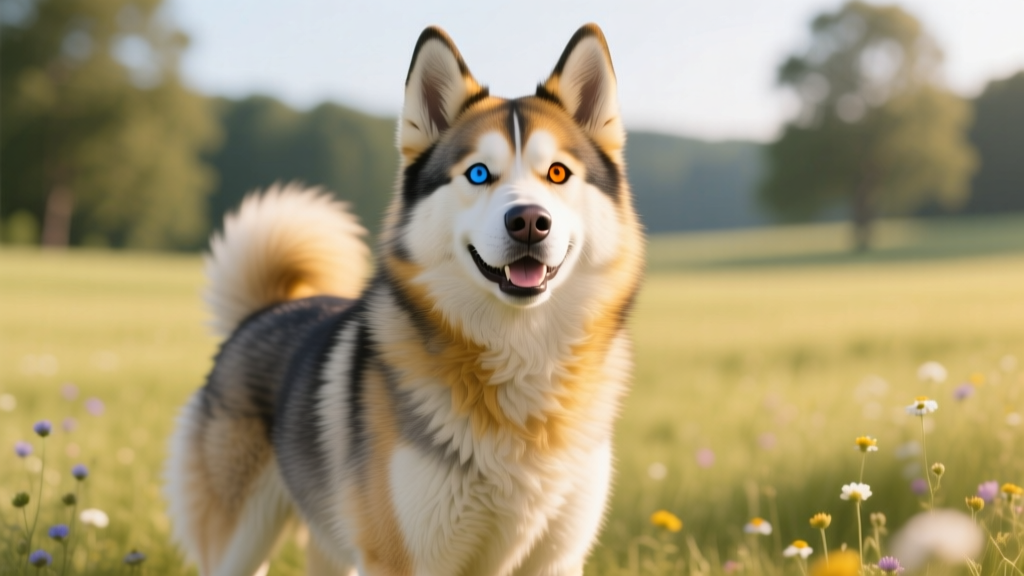
If you've ever seen a Siberian Husky that looks more like a fluffy cloud than a sleek sled dog, you've likely encountered a wooly Siberian Husky. This isn't a separate breed — it's a rare coat variation within the Siberian Husky breed caused by a recessive gene that produces an exceptionally long, dense outer coat. While stunning to look at, the wooly coat comes with specific care demands, practical trade-offs, and health considerations that every prospective owner should understand before committing.
This guide draws on breed standards from the American Kennel Club, veterinary dermatology references from the Merck Veterinary Manual, and real-world owner data to give you an honest, detailed picture of what life with a wooly Siberian Husky actually looks like.
What Exactly Is a Wooly Siberian Husky?
A wooly Siberian Husky is a purebred Siberian Husky carrying two copies of a recessive long-coat gene. The result is an outer coat that grows significantly longer than the breed standard — often reaching 3 to 5 inches in length on the body, with even longer fur on the tail, britches (hindquarters), and neck ruff. The undercoat remains thick and dense, as it does in standard Siberian Huskies, but the overall effect is dramatically fluffier.
Key points to understand:
- Not a separate breed: Wooly Huskies are registered Siberian Huskies. The AKC recognizes them as purebred, though the long coat is considered a fault in the show ring because it deviates from the AKC breed standard, which calls for a medium-length coat.
- Genetics: Both parents must carry the recessive long-coat gene for a puppy to express the wooly coat. Two standard-coated carriers can produce wooly puppies in approximately 25% of a litter.
- Also called: "Long-haired Siberian Husky," "longcoat Husky," or "woolly coat Husky." All refer to the same genetic variation.
Breed at a Glance: Size, Lifespan & Key Stats
| Attribute | Details |
|---|---|
| Size Class | Medium-to-Large (working breed) |
| Male Weight | 45–60 lb / 20–27 kg |
| Female Weight | 35–50 lb / 16–23 kg |
| Male Height | 21–23.5 in / 53–60 cm at the withers |
| Female Height | 20–22 in / 51–56 cm at the withers |
| Lifespan | 12–14 years (some reach 15–16) |
| Coat Type | Double coat, wooly/long variant — outer guard hairs 3–5 in |
| Colors | All colors and markings accepted (black & white, gray & white, red & white, sable, agouti, pure white, piebald) |
| Energy Level | High — bred for endurance work |
| Trainability | Moderate — intelligent but independent; not biddable like a retriever |
| AKC Group | Working Group |
Temperament & Personality: What Living With a Wooly Husky Is Really Like
Wooly Siberian Huskies share the exact same temperament as their standard-coated counterparts. The coat gene doesn't influence behavior. Here are the core traits you'll encounter daily:
1. Outgoing and Socially Indiscriminate
Huskies tend to greet strangers with enthusiasm rather than suspicion. A wooly Husky at the door is more likely to escort a burglar to the silverware drawer than bark them away. This makes them poor guard dogs but wonderful companions in social settings. Expect tail wags and full-body wiggles for every visitor.
2. High-Energy Endurance Athlete
This is a dog bred to run 100+ miles per day at a steady trot. Your wooly Husky will want to move — a lot. A 15-minute walk around the block will leave them restless, bored, and potentially destructive. They need sustained aerobic exercise, not just a potty loop.
3. Independent Thinker
Huskies are smart but not obedient in the traditional sense. They'll learn commands quickly but may decide compliance isn't worth their time, especially if something more interesting is happening. "Come" is often treated as a suggestion. This independence was essential for sled dogs making split-second trail decisions without constant human direction.
4. Vocal and Expressive
5. Strong Prey Drive
Siberian Huskies have a well-documented prey drive. Small animals — cats, rabbits, squirrels, chickens — may trigger a chase instinct that overrides training. Some Huskies coexist peacefully with cats they're raised alongside, but this is never guaranteed and should not be left unsupervised.
Exercise & Activity Requirements
There is no getting around this: a wooly Siberian Husky needs serious daily exercise. Here are the specifics based on age and life stage:
| Life Stage | Daily Exercise | Recommended Activities |
|---|---|---|
| Puppy (3–12 months) | 5 min per month of age, twice daily (e.g., 25 min at 5 months) | Free play, short leash walks, sniffing games; avoid forced running on hard surfaces until growth plates close (~14–18 months) |
| Adult (1–7 years) | 90–120 minutes minimum per day | Running/jogging, bikejoring, hiking, canicross, structured fetch, dog park time, puzzle feeders for mental work |
| Senior (8+ years) | 45–75 minutes per day, adjusted for joint health | Leisurely hikes, swimming (low-impact), sniffaris, gentle play sessions |
Best activities for wooly Huskies specifically: Canicross (cross-country running with a dog harness), bikejoring, cart pulling, agility (though they may not be the most precise competitors), and hiking on leash in cool weather. Because their wooly coat traps more heat, exercise in temperatures above 70°F (21°C) requires extra caution — schedule workouts for early morning or evening, carry water, and watch for excessive panting or lagging behind.
Health Issues & Genetic Risks
Wooly Siberian Huskies are subject to the same health conditions as standard Siberian Huskies. The wooly coat gene itself does not cause disease, but the denser coat can create secondary skin and hygiene challenges. Always consult your veterinarian for breed-appropriate health screening. Here are the conditions to know about:
| Condition | Estimated Prevalence | What to Know |
|---|---|---|
| Hip Dysplasia | ~6.4% of Siberian Huskies screened (OFA data) | Malformation of the hip joint causing arthritis. Ask breeders for OFA or PennHIP certification on both parents. Keep puppies at a lean body condition score (BCS 4–5/9) to reduce joint stress during growth. |
| Hereditary Cataracts | ~10% of the breed | Bilateral posterior polar subcapsular cataracts, often appearing between 1–3 years of age. Annual CERF/OFA ophthalmologist exams are standard. Surgical removal is available and has a ~90% success rate ($1,500–$3,500 per eye). |
| Progressive Retinal Atrophy (PRA) | Low but present | Gradual degeneration of the retina leading to blindness. DNA tests (e.g., Optigen prcd-PRA) can identify carriers. Responsible breeders test before breeding. |
| Corneal Dystrophy | Breed-predisposed | Lipid deposits in the cornea causing cloudy appearance. Usually doesn't severely impair vision but should be monitored by a veterinary ophthalmologist. |
| Hot Spots & Moist Dermatitis | Higher risk in wooly coats | The dense, long wooly coat traps moisture against the skin, especially in humid climates or after swimming. Incomplete drying after baths is a common trigger. Acute moist dermatitis can develop within 24–48 hours if the undercoat stays damp. |
| Zinc-Responsive Dermatosis | Siberian Huskies are a predisposed breed | A condition where the dog cannot properly absorb zinc, causing crusting, redness, and hair loss around the eyes, mouth, and pressure points. Treatment involves lifelong zinc supplementation under veterinary guidance. |
Grooming a Wooly Siberian Husky: The Real Commitment
This is where owning a wooly Husky diverges significantly from owning a standard-coated one. The long outer coat demands a grooming routine that most owners underestimate until they're ankle-deep in undercoat.
| Task | Frequency | Tools & Details |
|---|---|---|
| Line Brushing | 3–4 times per week (daily during blow coat) | Long-pin slicker brush (e.g., Chris Christensen Big G), stainless steel greyhound comb. Brush in sections from skin outward — "line brushing" — to reach the dense undercoat. |
| Undercoat Raking | Weekly during non-shedding periods; daily during blow | Undercoat rake with rotating teeth. Huskies "blow coat" (shed their entire undercoat) 1–2 times per year, typically spring and fall. A blow coat lasts 3–6 weeks and produces enormous volumes of fur. |
| Bathing | Every 6–8 weeks (or as needed) | Use a high-velocity dryer to fully dry the undercoat — this is non-negotiable for wooly coats. Air drying a wooly Husky can take 8–12 hours and risks hot spots. Recommended: forced-air dryer like the Metro Air Force Commander or B-Air pet dryer. |
| Nail Trimming | Every 2–3 weeks | Guillotine or scissor-style clippers; Dremel for dogs that dislike clipping. Active Huskies on rough terrain may wear nails down naturally. |
| Ear Cleaning | Every 1–2 weeks | Veterinarian-approved ear cleaner. Huskies have erect, well-ventilated ears, so infections are less common — but the wooly coat's heavy ear furnishings can trap debris. |
| Sanitary Trim | Every 3–4 weeks | Trim fur around the rear and paw pads to prevent matting and fecal matter accumulation. Use blunt-tipped grooming scissors or a cordless trimmer. |
Professional grooming costs: Many wooly Husky owners opt for professional grooming every 6–8 weeks, especially during blow coat. Expect to pay $80–$150 per session for a large dog with a heavy double coat — that's $480–$900 annually if you go this route.
Training & Intelligence: Setting Realistic Expectations
Trainability rating: Moderate (3/5). Siberian Huskies rank 45th out of 138 breeds in working/obedience intelligence according to canine neuropsychologist Stanley Coren's assessments — meaning they typically require 25–40 repetitions to learn a new command and obey on the first command about 50% of the time.
This doesn't mean they're unintelligent. Huskies are problem-solvers — they'll figure out how to open gates, escape crates, and raid the trash with impressive creativity. But their intelligence is oriented toward independent decision-making rather than handler-focused obedience.
Recommended training approach:
- Positive reinforcement only: High-value treats (freeze-dried liver, chicken), toy rewards, and enthusiastic praise. Huskies shut down under harsh corrections or force-based methods.
- Keep sessions short: 5–10 minutes, 2–3 times daily. Huskies lose interest fast in repetitive drills.
- Prioritize recall: Reliable off-leash recall is extremely difficult with Huskies due to their prey drive and wanderlust. Most experienced Husky owners recommend never allowing off-leash time outside fully fenced areas.
- Crate train early: Essential for safety and household preservation. A Husky left unsupervised and uncrated as a puppy will likely cause significant property damage.
- Leash manners: Huskies are bred to pull. Teach loose-leash walking from puppyhood using front-clip harnesses (e.g., Ruffwear Front Range) and reward-based methods. Never use prong collars or shock collars — these damage the human-dog bond and can increase reactivity.
Family Suitability: Kids, Pets & Living Situations
✓ Strengths
- Gentle and tolerant with children — Huskies are known for their patience with kids who respect their space
- Social with other dogs, especially when raised in a multi-dog household (Huskies are pack-oriented)
- No dog-directed aggression typical of the breed
- Sturdy enough to handle active family life
- Generally healthy with a long lifespan for their size
✗ Challenges
- Prey drive makes cohabitation with cats, rabbits, or small dogs risky — never guaranteed safe
- Escape artist — requires 6-foot fencing minimum, with dig-proofing along the base
- Not suited for apartment living unless the owner commits to 2+ hours of outdoor exercise daily
- Heavy shedding is a lifestyle factor — fur will be on everything
- Vocalization may violate apartment noise policies or disturb close neighbors
- Wooly coat requires significantly more grooming time than a standard Husky
Apartment living assessment: Possible but challenging. A wooly Husky in an apartment requires a dedicated owner who will provide 90–120 minutes of vigorous outdoor exercise every single day, rain or shine. Access to a nearby dog park or running trail is almost mandatory. Without this, the dog will develop behavioral problems — howling, destructive chewing, and escape attempts.
Children: Huskies are generally excellent with kids when both the dog and children are taught mutual respect. Always supervise interactions between any dog and children under 7. Teach children not to disturb a sleeping or eating Husky.
Cost of Ownership: Purchase Price & Annual Budget
Wooly Siberian Huskies often command higher prices than standard-coated puppies because of their rarity and visual appeal. Here's a realistic breakdown based on current market data:
| Expense Category | Estimated Cost |
|---|---|
| Puppy Purchase (from responsible breeder) | $1,500–$3,500 (wooly coat premium adds $300–$800 over standard) |
| First-Year Veterinary Care | $500–$800 (vaccinations, spay/neuter, microchip, initial exams) |
| Annual Veterinary Care (adult) | $400–$700 (wellness exam, vaccines, heartworm/flea/tick prevention) |
| Food (high-quality kibble or balanced diet) | $480–$720/year ($40–$60/month for a 45–60 lb dog) |
| Professional Grooming | $480–$900/year (6–8 sessions at $80–$150 each) |
| Grooming Tools (home maintenance kit) | $150–$300 one-time (slicker brush, undercoat rake, high-velocity dryer, comb) |
| Pet Insurance | $360–$600/year ($30–$50/month; varies by plan and deductible) |
| Supplies (crate, harness, leash, toys, bed) | $200–$400 first year; $100–$200/year replacement |
| Estimated Annual Total (after first year) | $1,820–$3,520/year |
First-year total: Expect to spend $3,500–$6,500+ when combining the puppy purchase with first-year veterinary care, supplies, food, and grooming setup.
Rescue/Adoption note: Siberian Huskies (including occasional wooly-coated dogs) appear regularly in breed-specific rescues such as Husky House and regional Husky rescue organizations. Adoption fees typically range from $200–$500 and often include spay/neuter, vaccinations, and microchipping. Adopting is a wonderful and cost-effective option.
Is a Wooly Siberian Husky Right for You?
The wooly Siberian Husky is a magnificent dog that demands an honest self-assessment before commitment. Here's a decision framework:
This breed is a good fit if you:
- Have prior experience with high-energy, independent breeds (Huskies, Malamutes, Shepherds)
- Can commit 90–120 minutes daily to structured outdoor exercise, year-round
- Have a securely fenced yard (6-foot fence minimum, with dig-proof barriers)
- Are prepared for heavy shedding and daily grooming sessions
- Live in a climate with cool-to-cold winters (or can manage heat carefully)
- Understand that off-leash freedom is rarely safe for this breed
Consider a different breed if you:
- Are a first-time dog owner with no experience managing strong-willed breeds
- Work long hours away from home without a dog walker or daycare plan
- Live in a small apartment without easy access to running trails or dog parks
- Have small pets (cats, rabbits, small dogs) and cannot manage a high-prey-drive dog
- Want a dog that responds to commands with golden-retriever-level enthusiasm
- Are not prepared to budget $1,800–$3,500+ annually for ongoing care
Frequently Asked Questions
Is a wooly Siberian Husky right for first-time owners?
Generally, no. While individual dogs vary, the combination of high exercise demands, escape artistry, strong prey drive, heavy shedding, and independent temperament makes the Siberian Husky — wooly or standard — a challenging first dog. If you're set on a Husky as a first-time owner, invest in professional training classes (6–8 weeks minimum, $150–$300) and connect with experienced Husky mentors through breed clubs.
How much exercise does a wooly Siberian Husky need daily?
Adult wooly Huskies need a minimum of 90–120 minutes of vigorous exercise every day. This should include sustained aerobic activity — running, hiking, bikejoring — not just leash walking. Mental stimulation (puzzle toys, scent work, training games) should supplement physical exercise.
What health problems is this breed prone to?
Siberian Huskies are predisposed to hip dysplasia (~6.4%), hereditary cataracts (~10%), progressive retinal atrophy, corneal dystrophy, and zinc-responsive dermatosis. Wooly-coated individuals have an additional risk of hot spots and moist dermatitis due to their dense coat trapping moisture. Ask your veterinarian about breed-appropriate screening, including OFA hip evaluations and annual CERF eye exams.
How big does a wooly Siberian Husky get?
Males typically weigh 45–60 lb (20–27 kg) and stand 21–23.5 inches (53–60 cm) at the shoulder. Females weigh 35–50 lb (16–23 kg) and stand 20–22 inches (51–56 cm). The wooly coat makes them appear larger than they actually are — underneath all that fur is a medium-sized, athletic dog.
Is a wooly Siberian Husky good with children and other pets?
Huskies are typically gentle and tolerant with children, making them good family dogs when children are taught to interact respectfully. With other dogs, they're generally social and pack-oriented. However, their strong prey drive makes them risky around cats, rabbits, and small animals — cohabitation is sometimes possible with careful management but is never guaranteed safe.
How much does a wooly Siberian Husky cost to buy and maintain?
Purchase price from a responsible breeder ranges from $1,500–$3,500, with the wooly coat variant often adding $300–$800 to the standard price. Annual maintenance costs (food, vet care, grooming, insurance, supplies) run $1,820–$3,520 per year after the first year. First-year total investment typically falls between $3,500 and $6,500.
Jonas Cole
All our authors care for dogs every day — read more of their work on the authors page.