Husky Mixed Golden Retriever: The Goberian Breed Profile & Care Guide
Everything about the husky mixed golden retriever (Goberian): size, temperament, coat types, health risks, cost.
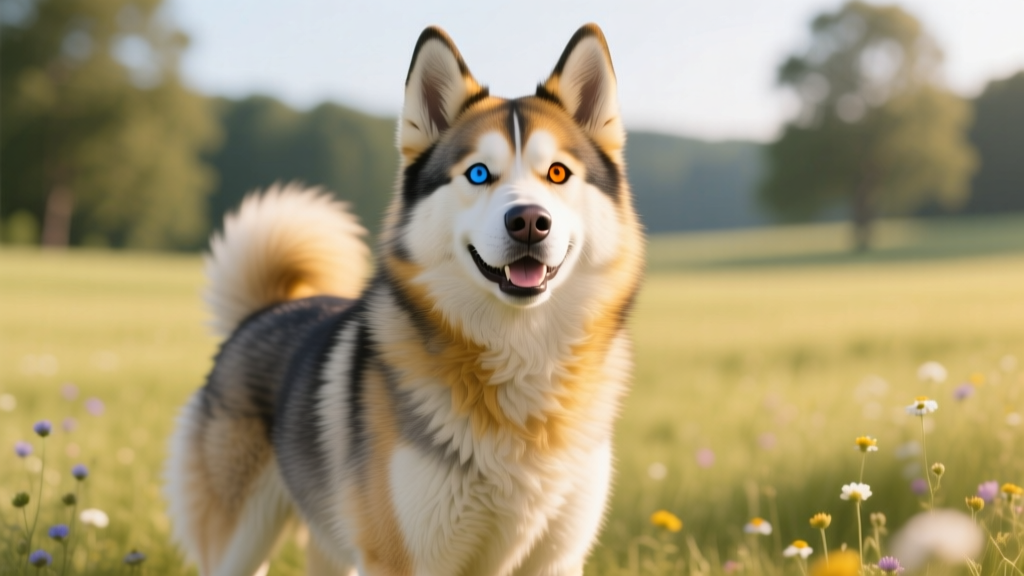
What Is a Husky Mixed Golden Retriever?
The husky mixed golden retriever — most commonly called the Goberian — is a designer cross between a purebred Siberian Husky and a purebred Golden Retriever. Unlike established breeds governed by an AKC breed standard, the Goberian has no single registry-recognized standard, which means every individual puppy is a genetic lottery. Some lean heavily toward the Husky parent in looks and personality; others are unmistakably Golden in temperament and build.
This mix surged in popularity during the early 2010s as part of the broader designer-dog wave, and by 2026 it remains a recognizable cross in North American shelters, rescues, and specialty breeding programs. Prospective owners are drawn to the idea of combining the Golden Retriever's famously gentle disposition with the Husky's striking appearance and athleticism. The reality, as with any first-generation cross, is more nuanced than the marketing.
| Parent Breeds | Siberian Husky × Golden Retriever |
| Weight Range | 45–80 lb (20–36 kg) |
| Height Range | 20–25 in (51–64 cm) at the shoulder |
| Lifespan | 10–15 years |
| Coat | Double coat; moderate to heavy shedding |
| Energy Level | High — 60–90+ minutes of daily exercise |
| Family Fit | Best for active families with yard access and prior dog experience |
Parent Breed Breakdown: Siberian Husky vs. Golden Retriever
Understanding each parent breed is essential because a Goberian can inherit traits from either side — sometimes in unexpected combinations. Here is a side-by-side comparison of the two foundation breeds.
| Trait | Siberian Husky | Golden Retriever |
|---|---|---|
| AKC Weight | 35–60 lb (16–27 kg) | 55–75 lb (25–34 kg) |
| AKC Height | 20–23.5 in (51–60 cm) | 21.5–24 in (55–61 cm) |
| Temperament | Independent, vocal, high prey drive, friendly but aloof | Eager to please, biddable, low prey drive, people-oriented |
| Trainability | Moderate — intelligent but stubborn; questions commands | High — ranks 4th in working/obedience intelligence (Coren) |
| Shedding | Heavy — blows coat 1–2× per year | Moderate to heavy — year-round with seasonal surges |
| Vocalization | Very high — howling, talking, screaming | Low to moderate — occasional barking |
| Prey Drive | High — will chase small animals | Low to moderate — soft mouth, bred for retrieving |
| Separation Anxiety Risk | High — pack-oriented, destructive when bored | Moderate to high — deeply bonded to owners |
| Lifespan | 12–14 years | 10–12 years |
The Goberian inherits a blend of these traits, but which parent's genes dominate in any given puppy is unpredictable. This is the defining feature — and the defining challenge — of owning a designer cross.
How Big Will a Husky Mixed Golden Retriever Get?
Because both parent breeds fall in the medium-to-large range, the Goberian's adult size is more predictable than many other designer mixes — but there is still a significant spread. A puppy sired by a smaller Husky dam and a large Golden sire (or vice versa) can land anywhere in the range below.
| Size Category | Weight (lb / kg) | Height at Shoulder (in / cm) | Likely Parent Influence |
|---|---|---|---|
| Smaller end | 45–55 lb / 20–25 kg | 20–22 in / 51–56 cm | Husky-dominant build |
| Mid-range (most common) | 55–70 lb / 25–32 kg | 22–24 in / 56–61 cm | Balanced mix |
| Larger end | 70–80 lb / 32–36 kg | 24–25 in / 61–64 cm | Golden-dominant build |
Males tend to land at the upper end of these ranges; females at the lower. Puppies typically reach roughly 75% of their adult weight by 6 months and full size by 12–18 months. If you are adopting a puppy without knowing the parents' sizes, plan for a dog that could end up anywhere between 45 and 80 lb (20–36 kg). Budgeting food, medication dosages, and gear (crates, harnesses) for the upper end prevents costly re-purchases later.
Generations Explained: F1, F1B, F2, and Multigen Goberians
- F1 (First Generation): One purebred Husky parent × one purebred Golden Retriever parent. Maximum genetic diversity; highest trait variability between littermates.
- F1B (First Generation Backcross): An F1 Goberian bred back to one of the parent breeds (usually the Golden Retriever for temperament predictability). Slightly more uniform in appearance and disposition.
- F2 (Second Generation): Two F1 Goberians bred together. Trait predictability decreases — you may see Husky-heavy, Golden-heavy, and balanced pups in the same litter.
- F3 / Multigen: Two F2 (or later) Goberians bred together. Some breeders pursue this to stabilize traits, but without a formal breed standard, consistency remains limited compared to purebreds.
Most Goberians available from breeders or appearing in rescues are F1 crosses — a direct Husky × Golden pairing. F1B litters (backcrossed to the Golden) are less common but do exist, typically produced by breeders who want to dial down the Husky's independence and prey drive. If a breeder advertises "multigen Goberians," ask for documentation of parent lineage going back at least three generations. Without that paperwork, the label is marketing, not genetics.
For most owners, the generation matters less than meeting the specific puppy's parents and observing their temperament, size, and health clearances. An F1 from two well-tested, temperamentally sound parents will almost always be a better choice than an F2 from untested dogs.
Temperament: What to Expect (and What to Prepare For)
The Goberian's temperament is where the genetic lottery is most apparent. Here are the realistic scenarios based on which parent's behavioral traits dominate.
Best-Case Scenario (Golden-Leaning)
The dog is sociable, eager to please, responsive to training, gentle with children, and moderately energetic. They greet strangers warmly, settle reasonably well indoors after exercise, and tolerate grooming without protest. This is the temperament most people hope for — and it does happen, particularly in F1B backcrosses to the Golden.
Challenging Scenario (Husky-Leaning)
The dog is independent, vocal (howling, "talking"), high prey drive (will bolt after squirrels, cats, or small dogs), difficult to recall off-leash, and prone to escape artistry — digging under fences, climbing over them, or slipping collars. They may be friendly with people but unreliable with small animals. Separation anxiety can manifest as destructive chewing, door-scratching, or prolonged howling that disturbs neighbors.
The Unpredictable Middle
Many Goberians land in a middle ground: friendly and playful like a Golden but with a stubborn streak and higher exercise demands inherited from the Husky side. They may love people but have selective hearing during training. They might be great with kids but chase the family cat. This variability is not a flaw — it is the inherent nature of a first-generation cross.
Coat, Shedding, and Grooming: Is This Mix Low-Shedding?
No. The husky mixed golden retriever is not hypoallergenic and is not low-shedding. Both parent breeds carry double coats — a dense, soft undercoat beneath a longer guard-hair topcoat — and the Goberian inherits some version of this structure nearly 100% of the time.
Coat Type Possibilities
- Husky-dominant coat: Shorter, denser, plush texture. Often seen in grey-and-white, black-and-white, or red-and-white color patterns. May have the classic Husky "mask" markings and blue or heterochromatic (one blue, one brown) eyes.
- Golden-dominant coat: Longer, wavier, feathered on legs, tail, and chest. Typically gold, cream, or light red. Ears are floppy rather than erect.
- Blended coat: Medium-length with moderate feathering. Color can range from cream to dark gold to grey. Ears may be semi-erect (folded at the tip) — a common Goberian hallmark.
Shedding Reality
Expect year-round moderate shedding with 1–2 heavy "coat blow" periods per year (typically spring and fall). During coat blows, an undercoat rake like the Furminator deShedding Tool (Large, Short Hair or Long Hair variant depending on coat type) used 2–3 times per week will remove loose undercoat before it mats or carpets your home. Outside of blow seasons, a slicker brush (the Chris Christensen Big G Dog Brush is a groomer favorite) used 2–3 times per week keeps the topcoat tidy.
Budget for professional grooming every 8–12 weeks ($50–$90 per session depending on your region and coat length) if you prefer not to manage heavy home grooming. Never shave a double-coated dog — the undercoat provides insulation against both heat and cold, and shaving can permanently damage coat regrowth.
Health Considerations: Hybrid Vigor vs. Reality
A common claim in designer-dog marketing is that mixed breeds enjoy "hybrid vigor" — the idea that crossing two breeds eliminates the health problems found in each. This is misleading. While outcrossing can reduce the risk of recessive genetic disorders that are concentrated within a single breed's gene pool, a Goberian can still inherit any condition that affects either parent breed. The cross reduces probability for some conditions; it does not eliminate risk.
Conditions to Screen For
Responsible breeders of Goberian puppies should provide health clearances for both parent dogs. Here are the conditions most relevant to this cross, drawn from data cataloged by the AKC health resources and the Merck Veterinary Manual:
| Condition | Inherited From | Screening Test | Estimated Prevalence in Parent Breeds |
|---|---|---|---|
| Hip Dysplasia | Both (high in Golden Retrievers) | OFA or PennHIP radiograph | ~15–20% in Goldens; ~5–8% in Huskies |
| Elbow Dysplasia | Both (higher in Goldens) | OFA elbow radiograph | ~10–12% in Goldens |
| Eye Conditions (cataracts, PRA, corneal dystrophy) | Both | CERF/OFA ophthalmologist exam | Huskies: hereditary cataracts ~10%; Goldens: PRA risk |
| Hypothyroidism | Both | Thyroid panel (T4, free T4, TSH) | ~5–10% across both breeds |
| Cardiac Conditions (SAS, cardiomyopathy) | Primarily Golden Retriever | OFA cardiac exam, echocardiogram | Subaortic stenosis documented in Goldens |
| Epilepsy (idiopathic) | Both | Clinical diagnosis (no single genetic test) | Idiopathic — cause unknown; estimated 2–5% in both breeds |
What to ask a breeder: Request OFA (Orthopedic Foundation for Animals) certificates for hips, elbows, and eyes for both parent dogs. A reputable breeder will have these publicly searchable on the OFA database. If a breeder says "my vet checked them and they're fine" without providing OFA or PennHIP documentation, that is not a health clearance — it is a casual physical exam that cannot detect subclinical dysplasia.
Exercise, Mental Stimulation, and Daily Care
This is a high-energy cross that requires serious daily commitment. Both parent breeds were developed for demanding physical work — Huskies for pulling sleds over vast distances, Goldens for all-day retrieving in cold water. A Goberian that does not receive adequate exercise becomes a destructive, vocal, escape-prone liability.
Daily Exercise Minimum
- 60–90 minutes of structured physical activity — brisk walks, jogging, hiking, swimming, fetch sessions, or bikejoring (dog pulls you on a bicycle, using a proper pulling harness and springer attachment).
- 20–30 minutes of mental enrichment — food puzzles (Kong Wobbler, Outward Hound Nina Ottosson puzzles), scent work games, training sessions, or structured play with other dogs.
- Off-leash access is ideal but only safe if recall is reliable. For Husky-leaning Goberians, a securely fenced yard (minimum 6 ft fence, with dig-proofing at the base such as buried chicken wire or a concrete footer) is essential. Invisible/electric fences are not recommended — a determined Husky-influenced dog will tolerate the shock to chase prey.
Activities Where Goberians Excel
Canicross (competitive running with your dog), dock diving, agility, rally obedience, and backpacking are all strong fits. The Golden influence often gives them enough biddability for obedience sports that pure Huskies typically find tedious. Start structured sport training after growth plates close (typically 14–18 months for a dog this size — confirm with your vet via radiograph if unsure).
Cost: What You Will Actually Spend
Purchase or Adoption Price
- Breeder (F1 Goberian): $500–$1,500 depending on region, breeder reputation, and whether parents have health clearances. Goberians are not as heavily marketed as Labradoodles or Goldendoodles, so prices are generally lower than those designer breeds.
- Breeder (F1B or multigen with full health testing): $1,200–$2,500. Breeders who perform OFA/PennHIP testing, CERF eye exams, and genetic panels (Embark or Wisdom Panel for ancestry and disease markers) invest $400–$800 per parent dog in testing alone, which is reflected in puppy pricing.
- Rescue/Shelter: $50–$400 adoption fee. Husky mixes are overrepresented in shelters — the ASPCA lists Huskies among the breeds most frequently surrendered due to owners underestimating their exercise and containment needs. A Goberian in rescue may be listed as a "mixed breed" or "Husky mix" rather than identified specifically, so search broadly on Petfinder and Adopt-a-Pet.
First-Year Estimated Costs
| Expense | Estimated Cost (USD) |
|---|---|
| Puppy purchase/adoption | $50–$2,500 |
| Initial veterinary (vaccines, spay/neuter, microchip) | $400–$900 |
| Food (premium large-breed kibble, ~4 cups/day) | $600–$1,000/year |
| Preventive medications (heartworm, flea/tick) | $200–$500/year |
| Gear (crate, harness, leash, bowls, bed) | $200–$450 |
| Training (group classes or private, positive reinforcement) | $150–$600 |
| Grooming (professional, 3–4× per year) | $150–$360 |
| Total First Year (excluding purchase) | $1,700–$3,810 |
Pet insurance is worth considering — a comprehensive accident-and-illness policy from providers like Trupanion, Healthy Paws, or Lemonade typically runs $40–$80/month for a large mixed-breed dog enrolled as a puppy. This can offset the cost of hip dysplasia surgery ($3,500–$7,000 per hip for a total hip replacement) or emergency bloat surgery ($3,000–$7,000) if those conditions arise.
Who Is the Goberian Best Suited For?
After working with dozens of owners of Husky-Golden crosses, here is an honest assessment of who thrives with this mix and who struggles.
Ideal Owner Profile
- Active lifestyle: Runs, hikes, or spends 1+ hours outdoors daily and wants a dog to join.
- Prior dog experience: Has handled independent or high-energy breeds before. First-time dog owners can succeed with a Goberian but should invest in professional training support from the start.
- Secure yard: Has (or can install) a 6-foot fence with dig-proofing. Apartment living is possible but demands a significantly higher daily exercise commitment and tolerance for vocalization.
- Patient with training: Accepts that recall may never be 100% reliable and commits to long-line management in unfenced areas.
- Tolerant of shedding: Does not need a spotless home. Owns a good vacuum (a robot vacuum like the Roborock S8 or a cordless Dyson V15 is practically mandatory).
Who Should Consider a Different Breed
- First-time owners wanting a biddable dog: A purebred Golden Retriever or a Golden × Poodle cross (Goldendoodle) will offer more predictable trainability.
- Homes with cats or small pets: The Husky prey drive is a genuine risk. Some Goberians coexist peacefully with cats raised alongside them from puppyhood, but this is not guaranteed and should never be assumed.
- Noise-sensitive environments: If you live in a condo with thin walls or close neighbors, a Husky-leaning Goberian's howling could generate complaints.
- Owners away 8+ hours daily: Both parent breeds are social and prone to separation distress. Without a midday walker, daycare, or a dog-savvy roommate, a Goberian left alone for long stretches will likely develop problem behaviors.
Frequently Asked Questions
What two breeds make up a husky mixed golden retriever?
A Siberian Husky and a Golden Retriever. The specific cross can vary — sometimes the Husky is the dam (mother) and the Golden is the sire (father), sometimes the reverse. The direction of the cross does not significantly affect the puppy's traits, but knowing which parent is which helps you assess the mother's temperament if you visit a breeder.
Is a Goberian good with children?
Most Goberians are friendly and playful with children, especially when socialized from puppyhood. However, their size (up to 80 lb) and energy level mean they can accidentally knock over toddlers during play. Always supervise interactions between any dog and children under 10, and teach children not to approach the dog while eating or sleeping.
Can a husky mixed golden retriever live in an apartment?
It is possible but not ideal. The combination of high exercise needs, shedding, and potential vocalization makes apartment living challenging. If you commit to 90+ minutes of daily outdoor exercise and use puzzle feeders and enrichment toys indoors, some Goberians adapt. Check your lease for breed restrictions — some properties restrict Husky-type dogs.
How long do Goberians live?
The typical lifespan is 10–15 years, with most landing around 12–13 years. Maintaining a lean body condition score (BCS of 4–5 out of 9, where ribs are easily felt but not visible) is one of the most impactful things you can do to extend lifespan — a landmark Purina lifetime study showed that dogs kept at ideal weight lived a median of 1.8 years longer than overweight counterparts.
Do Goberians have blue eyes?
Some do. Eye color in this mix can be brown (most common, inherited from the Golden side), blue (from the Husky side), heterochromatic (one of each), or particolored (brown and blue flecks in the same iris). Blue eyes do not indicate any health problem in Husky-lineage dogs, though a veterinary ophthalmologist exam is recommended to rule out concurrent conditions.
What should I feed a husky mixed golden retriever?
A high-quality large-breed kibble that meets AAFCO nutritional standards is appropriate. Look for a product formulated for large breeds (to support controlled growth in puppies) with a named animal protein as the first ingredient. Adult Goberians typically eat 3–4.5 cups per day split into two meals, depending on activity level and caloric density of the food. Avoid grain-free boutique diets unless your vet specifically recommends one — the FDA has investigated a potential link between certain grain-free diets and dilated cardiomyopathy (DCM) in dogs.
Dr. Hannah Wickes
All our authors care for dogs every day — read more of their work on the authors page.


