Wolf Dog Mix: What Prospective Owners Must Know Before Getting One
wolf dog mixes — genetics, temperament variability, legal issues, size ranges, health risks, costs, and who should (and shouldn't) own one.

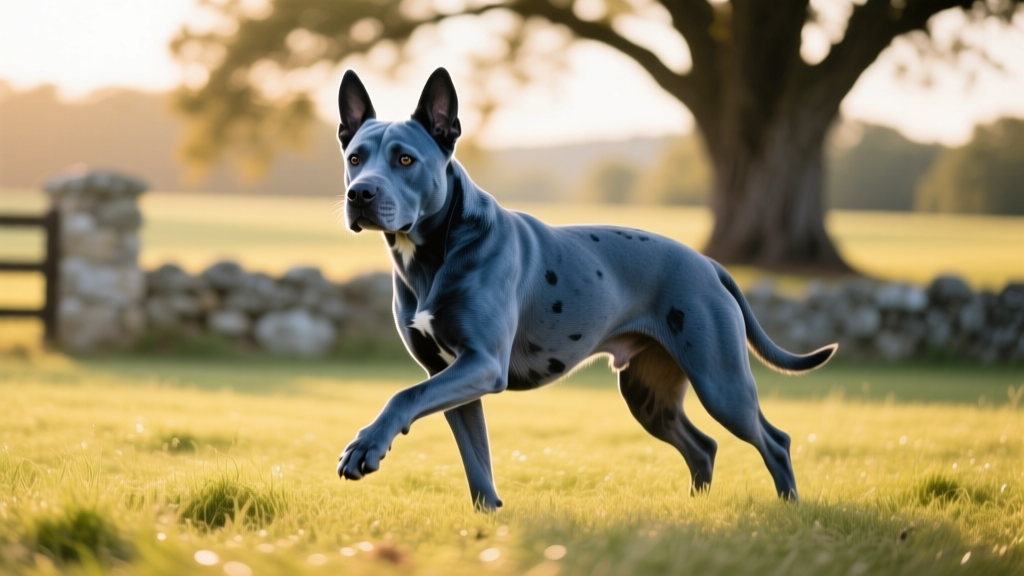
If you've spent any time browsing social media or watching wildlife documentaries, you've likely seen the striking image of a wolf dog mix — part domestic dog, part wild wolf, with piercing amber eyes and a thick, wild-looking coat. These animals are undeniably captivating. But behind the allure lies a complex reality that most first-time owners aren't prepared for. Wolf dog mixes (sometimes called wolfdogs or wolf hybrids) are not simply designer dogs with an exotic twist. They carry wild genetics that fundamentally shape their behavior, care needs, and legal status.
This guide cuts through the mystique. We'll cover exactly what you're getting into — the genetic variability, the unpredictable temperament range, the real costs, and the honest truth about who this animal actually suits. Whether you're researching before adopting or simply curious, understanding the full picture is essential.
What Exactly Is a Wolf Dog Mix?
A wolf dog mix is the offspring of a domestic dog (Canis lupus familiaris) and a gray wolf (Canis lupus), or the descendant of such a pairing. Despite the biological fact that dogs and wolves share the same species classification and can interbreed, the resulting offspring are not straightforward pets. The percentage of wolf content varies dramatically — and that percentage has everything to do with how the animal behaves, what it needs, and whether you can legally own one.
Parent Breed Breakdown
Understanding the parent breeds is critical because every wolf dog mix inherits traits from both sides — and the ratio is rarely predictable.
| Trait | Gray Wolf (Canis lupus) | Common Dog Parents (Husky, Malamute, GSD) |
|---|---|---|
| Weight Range | 70–145 lb (32–66 kg) | 35–85 lb (16–39 kg) depending on breed |
| Temperament | Fearful of humans, pack-oriented, high prey drive, neophobic (afraid of new things) | Human-bonded, trainable, variable prey drive, social |
| Trainability | Extremely low — not motivated by human praise | Moderate to high — responds to positive reinforcement |
| Social Behavior | Forms intense pair/pack bonds, wary of strangers | Generally sociable, adaptable to new people |
| Prey Drive | Extremely high — natural predator | Variable — Huskies and Malamutes tend high, GSDs moderate |
| Destructive Tendencies | Digs, chews, destroys enclosures instinctively | Variable — manageable with exercise and enrichment |
| Lifespan | 6–8 years in wild, up to 12–14 in captivity | 10–14 years depending on breed |
The domestic breeds most commonly used in wolf dog pairings are the Siberian Husky, Alaskan Malamute, and German Shepherd Dog — chosen largely for their wolf-like appearance. This means a wolf dog mix's temperament is essentially a tug-of-war between wild instinct and generations of domestic breeding.
Understanding Wolf Content: Generations and Percentages
Unlike doodle-type designer mixes where F1 and F1B generations are relatively standardized, wolf dog breeding is far less regulated and far more variable. However, understanding the generational terminology still matters.
Generation Explainer: Wolf Dog Classifications
- Low Content (1–49% wolf): Typically the result of breeding a wolf or high-content wolf dog back to a domestic dog for multiple generations. These animals tend to behave more like domestic dogs with some wolf-ish quirks. They're the most common type found in private homes.
- Mid Content (50–74% wolf): Often F1 (first-generation) crosses or F2 animals. These show a significant blend of wolf and dog traits. Behavior can swing wildly between individuals — some are manageable for experienced owners, others are not.
- High Content (75%+ wolf): These animals look and behave very much like wolves. They are generally not suitable as pets in any traditional sense and often require specialized enclosures, raw meat diets, and wildlife-level containment. Many U.S. states classify high-content animals as wild animals regardless of how many domestic dog generations are in the pedigree.
F1 (First Generation): Direct offspring of a wolf and a domestic dog. Unpredictable temperament. F2: Two F1 wolf dogs bred together. Backcross: A wolf dog bred back to a domestic dog, reducing wolf percentage. Multigen: Multiple generations of wolf dog-to-wolf dog breeding, which may stabilize some traits but never eliminates wild instinct.
Here's the uncomfortable truth: visual assessment of wolf content is notoriously unreliable. A low-content animal can look extremely wolf-like, while a high-content animal might resemble an oversized Husky. DNA testing (such as the Embark breed identification panel) can provide some insight, but even genetic tests have limitations in quantifying exact wolf percentage. Many rescues report that animals sold as "high content" puppies turn out to be predominantly Husky or Malamute — and vice versa.
Size, Appearance, and Coat: The Variability Spectrum
Because wolf dog mixes draw from such genetically diverse parents, physical traits span a wide range. There is no breed standard, no predictable "type," and significant individual variation even within the same litter.
Size Range
| Content Level | Weight Range | Height at Shoulder | Build Type |
|---|---|---|---|
| Low Content (1–49%) | 45–80 lb (20–36 kg) | 21–26 in (53–66 cm) | Lean to athletic, often dog-like build |
| Mid Content (50–74%) | 60–110 lb (27–50 kg) | 24–30 in (61–76 cm) | Larger, longer-legged, narrower chest |
| High Content (75%+) | 80–145 lb (36–66 kg) | 26–34 in (66–86 cm) | Wolf-typical: deep chest, long legs, narrow head |
Coat Types and Shedding
Most wolf dog mixes inherit a dense double coat from both parent lines — wolves have thick, weather-resistant coats, and the dog breeds commonly paired with them (Huskies, Malamutes, German Shepherds) are heavy shedders as well. Expect:
- Coat length: Medium to long. Some individuals inherit a shorter GSD-type coat, while others get the plush Malamute thickness.
- Colors: Gray agouti, black, sable, white, cream, and combinations. The classic "wolf gray" is common but not guaranteed.
- Shedding: Heavy. Wolf dog mixes blow their undercoat seasonally (typically spring and fall), producing significant amounts of loose fur. Daily brushing during blowout periods is necessary.
- Hypoallergenic status: No wolf dog mix is hypoallergenic. Both parent breeds produce significant dander and shed heavily. If you have dog allergies, this is not a suitable animal for your household.
Temperament: What You're Really Living With
This is where prospective owners most often underestimate the challenge. Temperament in wolf dog mixes is the single most unpredictable variable — and the one with the highest consequences if you get it wrong.
The Trait Variability Reality
| Trait | Best-Case Scenario (More Dog-Like) | Challenging Scenario (More Wolf-Like) |
|---|---|---|
| Human Bonding | Forms strong attachment, seeks affection | Independent, aloof, avoids handling, fearful of strangers |
| Trainability | Responds to positive reinforcement, learns basic cues | Ignores commands, not food or praise motivated, escapes containment |
| Prey Drive | Moderate — can coexist with cats/small dogs with training | Extreme — will chase, injure, or kill small animals; unsafe off-leash |
| Socialization | Tolerates visitors, adapts to new environments | Intensely fearful of new people/places, may bite when cornered |
| Destructive Behavior | Chews toys, digs in designated areas | Destructs furniture, digs under fences, destroys drywall, escapes yards |
| Vocalization | Occasional howling, some barking | Frequent howling (especially dawn/dusk), little to no barking, distress vocalization when alone |
| Separation Anxiety | Tolerates being alone for moderate periods | Extreme distress when separated from bonded human/pack, self-injury, destruction |
The critical point here is that you cannot predict which scenario you'll get. Two puppies from the same litter can develop completely different temperaments. Wolf genetics can express unpredictably — an animal that seems manageable at 8 weeks may develop intense fear-based reactivity or prey drive at sexual maturity (12–24 months).
Behavioral Realities Owners Report
Based on data from wolf dog rescues like the Yamnuska Wolfdog Sanctuary and the Shy Wolf Sanctuary, the most commonly reported behavioral challenges include:
- Containment testing: Wolf dogs are escape artists. They dig under fences, scale barriers, and exploit any structural weakness. Standard 4-foot residential fencing is insufficient — most experienced owners recommend a minimum of 8-foot fencing with dig-proof barriers (concrete footer or buried wire) and lean-in tops.
- Leash reactivity: Many wolf dogs are difficult to walk on leash in public settings due to fear-based reactions to unfamiliar people, dogs, and stimuli.
- House training difficulty: Wolves naturally mark territory, and this instinct persists in mixes. Many wolf dogs never fully house-train in the way a domestic dog does.
- Resource guarding: Food and high-value items can trigger guarding behavior that is more intense than typical dog resource guarding.
Training should always use force-free, positive reinforcement methods. Aversive tools (shock collars, prong collars, alpha rolls) are not only ineffective with wolf dogs — they can trigger severe fear-based aggression. Working with a certified behaviorist who has wolfdog experience is strongly recommended.
Health Considerations: Hybrid Vigor vs. Reality
There's a persistent myth that crossbreeding a wolf with a dog creates a healthier animal through "hybrid vigor." This is misleading and potentially dangerous when applied to wolf dog mixes.
Debunking the Hybrid Vigor Myth for Wolf Dogs
Hybrid vigor (heterosis) refers to the health advantages that can occur when crossing two genetically diverse populations, reducing the expression of recessive inherited diseases. While this principle applies to some designer dog crosses (like F1 Labradoodles reducing breed-specific conditions), it does not straightforwardly apply to wolf dog mixes for several reasons:
- Wolves and domestic dogs are the same species — the genetic diversity gap is smaller than people assume.
- Wolf dogs can inherit health conditions from both parent lines rather than avoiding them.
- Many wolf dogs are bred in unregulated settings without health testing, meaning hereditary conditions go unchecked.
- Wild wolf genetics can introduce conditions rarely seen in domestic dogs.
Health Conditions to Watch For
| Condition | Inherited From | Prevalence | Management |
|---|---|---|---|
| Hip Dysplasia | Both parents (especially GSD lines) | Moderate — common in large breeds | Weight management, joint supplements, surgical options for severe cases |
| Elbow Dysplasia | Both parents | Low to moderate | Early screening, activity modification, surgery if severe |
| Degenerative Myelopathy (DM) | GSD parent lines | Low — but serious progressive spinal condition | No cure; mobility support, physical therapy |
| Bloat (GDV) | Large, deep-chested build from both parents | Moderate risk — emergency condition | Prophylactic gastropexy, slow feeding, avoid exercise around meals |
| Dental Disease | Both parents | High — wolves naturally develop tartar | Regular dental care, professional cleanings |
| Vaccine Sensitivity | Wolf genetics may alter immune response | Variable — some wolf dogs react poorly to standard vaccines | Discuss modified vaccine protocols with your veterinarian |
Important veterinary note: The rabies vaccine is legally required in most U.S. jurisdictions, but there is ongoing debate in the veterinary community about whether the standard rabies vaccine produces reliable immunity in wolf dogs. Some veterinarians recommend titer testing (a blood test that checks antibody levels) as a supplementary measure. Always discuss your wolf dog's vaccination protocol with a veterinarian experienced with wolfdogs.
Cost, Availability, and the Rescue Reality
What Does a Wolf Dog Mix Cost?
| Expense Category | Low Range | High Range |
|---|---|---|
| Purchase Price (from breeder) | $500 | $3,000+ |
| Adoption Fee (rescue/sanctuary) | $150 | $500 |
| Containment Setup (fencing, enclosures) | $3,000 | $10,000+ |
| Annual Food (high-protein, raw or premium kibble) | $1,200 | $3,600 |
| Annual Veterinary Care | $600 | $1,500 |
| Pet Insurance (where available) | $600/year | $1,200/year |
| Behaviorist/Trainer Consultations | $500 | $2,000+ |
The first-year total for a wolf dog mix typically ranges from $6,000 to $20,000+ when you include proper containment infrastructure. This is significantly more than most domestic dog breeds.
Breeder vs. Rescue: A Critical Distinction
Breeders: Responsible wolf dog breeders are extremely rare. Most wolf dog "breeders" operating online are backyard breeders or unregulated operations that misrepresent wolf content, skip health testing, and sell to unprepared buyers. If you pursue a breeder, demand health clearances (OFA hip/elbow scores), documented lineage, and a take-back clause. Visit the facility in person.
Rescues and Sanctuaries: The reality is that wolf dog rescues are overwhelmed. Thousands of wolf dogs are surrendered annually because owners underestimated the commitment. Organizations like the Shy Wolf Sanctuary, Yamnuska Wolfdog Sanctuary, and various regional rescues have animals available for adoption. Adopting through a reputable rescue gives you a behavioral assessment, veterinary screening, and ongoing support — advantages you won't get from most breeders. Many rescues also offer lower-content animals that are better suited to private homes.
Grooming and Daily Care Requirements
Wolf dog mixes require more intensive grooming and daily management than most domestic dogs:
- Brushing: 3–5 times per week minimum; daily during seasonal coat blowout (spring and fall). Use a slicker brush and undercoat rake — tools like the Furminator can be effective but use carefully to avoid skin irritation.
- Bathing: Every 6–8 weeks or as needed. Over-bathing strips natural oils from the double coat.
- Nail trimming: Every 2–3 weeks. Many wolf dogs are sensitive about paw handling — start desensitization early.
- Dental care: Daily tooth brushing or dental chews. Wolves in the wild maintain teeth through bone-chewing; captive wolf dogs need deliberate dental management.
- Exercise: Minimum 90–120 minutes of vigorous activity daily. This is not optional — under-exercised wolf dogs become destructive and develop behavioral problems rapidly. Secure, fenced areas are essential. Off-leash exercise in open areas is not safe due to prey drive and poor recall.
Who Should (and Shouldn't) Own a Wolf Dog Mix?
This is perhaps the most important section of this guide. Wolf dog mixes are not for everyone — and being honest about fit prevents surrenders, euthanasia, and suffering for both animal and owner.
This Animal May Suit You If:
- You have prior experience with primitive or northern breeds (Huskies, Malamutes, Akitas) and understand independent, high-prey-drive temperaments.
- You own property with space for proper containment — ideally acreage with room for 8-foot secure fencing.
- You have no small children, cats, or small dogs in the household. Wolf dogs can be unpredictable around small, fast-moving animals and children.
- You're prepared to invest significant time in socialization, training, and daily exercise — this is a lifestyle commitment, not a casual pet.
- You've researched and confirmed that wolf dog ownership is legal in your jurisdiction.
- You have a realistic budget for higher-than-average food, containment, veterinary, and training costs.
This Animal Is Not Right for You If:
- You're a first-time dog owner. Start with a domestic breed or mix.
- You live in an apartment, condo, or densely populated neighborhood. Wolf dogs need space and their vocalizations (howling) will create neighbor conflicts.
- You want a reliable off-leash companion or a dog that's easy to take to dog parks and public spaces.
- You have young children or plan to in the near future. The risk profile is too high.
- You want a guard dog. Wolf dogs are typically fearful of strangers rather than protective — they're more likely to hide than to confront an intruder.
- You're drawn primarily to the "cool factor" or exotic appearance. This is a living animal with complex needs, not an accessory.
Frequently Asked Questions
What two breeds make up a wolf dog mix?
A wolf dog mix is a cross between a gray wolf (Canis lupus) and a domestic dog. The most common domestic breeds used are the Siberian Husky, Alaskan Malamute, and German Shepherd Dog. The specific breed used significantly influences the mix's appearance, size, and temperament.
How big will a wolf dog mix get?
Size varies enormously based on wolf content and the specific domestic breed involved. Low-content wolf dogs typically weigh 45–80 lb (20–36 kg) and stand 21–26 inches at the shoulder. Mid-content animals may reach 60–110 lb (27–50 kg) and 24–30 inches. High-content animals can reach 80–145 lb (36–66 kg) and stand 26–34 inches. Even within the same litter, size can vary by 20–30 lb between individuals.
What will the temperament be like?
Unpredictable. This is the honest answer. Wolf dog mixes exist on a spectrum from nearly dog-like in behavior to nearly wolf-like. Low-content animals may behave like slightly quirky Huskies, while high-content animals retain strong wild instincts — fearfulness, prey drive, territoriality, and resistance to training. Even experienced breeders and rescues cannot guarantee temperament in a wolf dog puppy. Behavioral changes often emerge at sexual maturity (12–24 months), making puppies deceptive in their manageability.
Is a wolf dog mix hypoallergenic or low-shedding?
No. Wolf dog mixes inherit dense double coats from both parent lines and are heavy shedders. They blow their undercoat seasonally, producing large amounts of loose fur and dander. No wolf dog mix is suitable for people with dog allergies.
What health issues might a wolf dog mix inherit?
Wolf dogs can inherit conditions from both parent lines, including hip dysplasia, elbow dysplasia, degenerative myelopathy (particularly from GSD lines), bloat (gastric dilatation-volvulus), and dental disease. There may also be altered vaccine responses due to wolf genetics. The hybrid vigor myth — that crossbreeding automatically creates healthier animals — does not reliably apply to wolf dog mixes. Consult your veterinarian for a health screening and preventive care plan tailored to your animal.
How much does a wolf dog mix cost?
Purchase prices from breeders typically range from $500 to $3,000+, though adoption fees from rescues are lower ($150–$500). However, the real cost is in care infrastructure: proper containment alone can cost $3,000–$10,000+. Annual expenses (food, vet care, insurance, training) typically run $2,400–$8,300. First-year total costs commonly reach $6,000–$20,000 or more.
Can wolf dogs be house trained?
Some low-content wolf dogs can be house trained with patience and consistency, but many retain the wolf instinct to scent-mark territory indoors. Mid- and high-content animals often never fully house-train. Crate training may help, but wolf dogs can be destructive in crates if they experience separation distress.
Are wolf dogs dangerous?
Wolf dogs are not inherently aggressive in the way people typically mean — they are more often fearful than confrontational. However, their combination of prey drive, fear-based reactivity, size, and unpredictability means they can be dangerous in specific situations: around small animals, small children, or when cornered or stressed. According to data compiled by animal behavior organizations, wolf dogs are overrepresented in serious bite incidents relative to their population numbers. This is why experienced ownership, proper containment, and careful management are non-negotiable.
If you're seriously considering a wolf dog mix, start by volunteering at a wolf dog rescue or sanctuary. Spending time with these animals — seeing their needs, challenges, and beauty firsthand — is the best preparation for an informed decision. Many people who fall in love with the idea find that the reality doesn't match their lifestyle, and that's a perfectly valid conclusion to reach before bringing an animal home.
Marcus Aldridge
All our authors care for dogs every day — read more of their work on the authors page.