Alapaha Dog Breed: 10 Best Guardian & Working Companions Compared
Exploring the Alapaha dog breed and 10 similar guardian dogs. Compare temperament, size, health, and costs to find your ideal working companion.
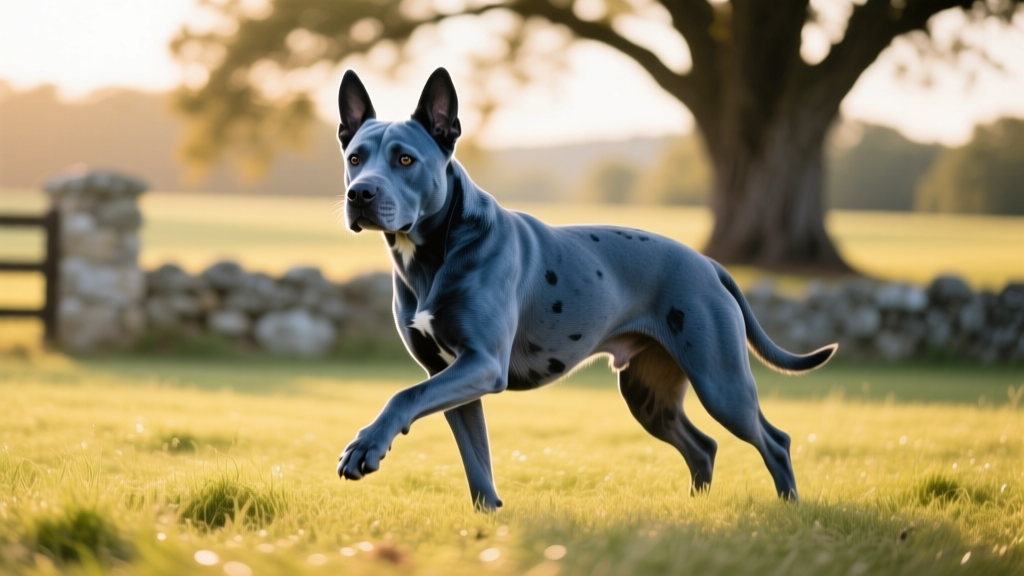
The Alapaha Blue-Blood Bulldog is one of the most distinctive and under-the-radar guardian breeds in the United States. Originally developed in southern Georgia as a catch dog for cattle and a family protector, this medium-to-large molosser-type dog combines raw athleticism with deep loyalty. But the Alapaha isn't the right fit for every household — and several breeds share its core traits while offering different trade-offs in size, trainability, or health profile.
If you're researching the Alapaha dog breed, you're likely looking for a loyal, protective, muscular companion that can handle property work or simply serve as a devoted family guardian. This guide compares the Alapaha with 10 breeds that share its defining characteristics — guarding instinct, athleticism, and strong bonding — so you can make a data-driven decision before committing to a 10-15 year relationship with any dog.
How We Selected These Breeds: Our Criteria
Selection Criteria for This List
To qualify for this comparison, each breed had to meet at least four of the following five benchmarks:
- Guardian Heritage: Bred historically for property protection, livestock guarding, or catch work (not purely companion or sport lines)
- Athletic Build: Muscular, medium-to-large frame (40+ lb / 18+ kg adult weight) capable of sustained physical work
- Family Loyalty: Documented temperament trait of strong bonding with primary household members
- Moderate-to-High Trainability: Responsive to structured positive reinforcement training, even if independent-minded
- Rarity Factor: Not among the AKC's top 30 most registered breeds — these are dogs most neighbors won't have
Breeds were excluded if they were primarily bred for dog fighting, had extreme brachycephalic features that compromise breathing, or required professional handler experience unsuitable for dedicated civilian owners.
The Alapaha Blue-Blood Bulldog: Your Baseline
Before comparing alternatives, you need a clear picture of the Alapaha itself. This breed was developed in the late 1800s along the Alapaha River in Georgia, primarily from Old English Bulldogs, White English Bulldogs, and various cur-type dogs. The Alapaha Blue-Blood Bulldog Association (ABBA) was formed in 1986 to preserve the breed.
| Attribute | Alapaha Blue-Blood Bulldog |
|---|---|
| Weight | 55–90 lb (25–41 kg) |
| Height | 17–24 in (43–61 cm) at shoulder |
| Lifespan | 12–15 years |
| Coat | Short, stiff; predominantly white with patches of brindle, black, red, or blue merle |
| Energy Level | Moderate — 45–60 min daily exercise |
| Guardian Instinct | High — territorial, alert, protective without excessive aggression |
| Recognition | UKC (2014), ABBA; not AKC-recognized |
| Puppy Cost (2026) | $1,500–$3,500 from responsible breeders |
Key health concerns: Hip dysplasia (estimated 15–20% prevalence in bulldog-type breeds per Orthopedic Foundation for Animals), entropion, deafness (particularly in predominantly white coats — congenital sensorineural deafness affects roughly 5–8% of white-coated bulldog types), and skin allergies. Responsible Alapaha breeders should provide OFA hip scores and BAER hearing test results.
Why the Alapaha sets the standard here: It's the rare combination of genuine working ability (cattle catching, property patrol) with a calm household demeanor. Alapahas are notably less dog-aggressive than many guardian breeds and tend to bond deeply with children in their family. They're the measuring stick against which the other 10 breeds on this list are compared.
10 Guardian & Working Breeds Comparable to the Alapaha
The following breeds are organized from most similar to least similar to the Alapaha in overall profile. Each entry includes the specific traits that earned it a spot on this list.
1. American Bulldog
Size Class: Large (60–120 lb / 27–54 kg)
Key Trait Match: Catch-dog heritage and muscular athleticism
The American Bulldog is the Alapaha's closest cousin in both appearance and function. Both descend from Old English Bulldog stock brought to the American South. American Bulldogs come in two main types — the stockier Johnson line and the leaner Scott line — and both share the Alapaha's protective instinct and devotion to family. They're generally larger and more widely available, with puppy prices ranging from $1,000–$2,500. However, they tend to be more high-energy (60–90 min daily exercise) and can be more dog-reactive without early socialization.
2. Catahoula Leopard Dog
Size Class: Medium-Large (50–95 lb / 23–43 kg)
Key Trait Match: Southern working dog with merle coat and independent intelligence
Louisiana's state dog shares the Alapaha's Southern roots and striking merle coloration. Catahoulas were bred for herding feral hogs and cattle in swamp terrain, giving them a grittier, more intense drive than the Alapaha. They excel as property guardians but require significantly more mental stimulation — puzzle feeders, structured scent work, or herding trials. Expect 60–90 minutes of vigorous daily activity. Puppy cost: $600–$1,500. Health note: like the Alapaha, predominantly white Catahoulas carry elevated deafness risk.
3. Boerboel
Size Class: Extra-Large (110–200 lb / 50–91 kg)
Key Trait Match: Elite property guardian with calm household demeanor
This South African mastiff-type breed is arguably the world's most capable family guardian dog. Boerboels share the Alapaha's ability to be gentle with children while remaining formidable deterrents to intruders. They're significantly larger (males average 150 lb / 68 kg) and more expensive ($2,500–$5,000), but their temperament stability is exceptional when sourced from health-tested lines. They need 45–60 minutes of daily exercise and a job — even if that job is structured obedience work. Health concerns include hip/elbow dysplasia, eyelid disorders, and bloat (gastric dilatation-volvulus). Per the AKC breed standard, proper socialization from 8–16 weeks is critical.
4. Cane Corso
Size Class: Large (88–110 lb / 40–50 kg)
Key Trait Match: Italian guardian breed with strong family bonding and territorial instinct
The Cane Corso is an Italian molosser that served as a farm guardian, catch dog, and war dog. It shares the Alapaha's balanced temperament — protective without being indiscriminately aggressive. Corsos are more widely available and AKC-recognized, which means more health testing data and breeder accountability. Puppy cost: $1,800–$4,000 from OFA-tested parents. They require firm, positive reinforcement-based training from an experienced owner and 60+ minutes of structured daily activity. Health screening should include OFA hips, elbows, and cardiac evaluation. Corsos tend to be more aloof with strangers than the Alapaha.
5. Dogo Argentino
Size Class: Large (80–100 lb / 36–45 kg)
Key Trait Match: White-coated catch dog bred for big-game hunting and property protection
Developed in Argentina by Dr. Antonio Martinez in the 1920s, the Dogo was bred to hunt wild boar and puma in packs. Like the Alapaha, it's a predominantly white, muscular athlete with a powerful bite and deep family loyalty. Dogos are more intense and prey-driven — they require structured outlets for their drive, such as weight-pull, lure coursing, or advanced obedience. Puppy cost: $2,000–$4,500. Health note: congenital deafness affects approximately 10% of Dogos (per Merck Veterinary Manual data on white-coated breeds). BAER testing is non-negotiable.
6. Presa Canario
Size Class: Large (84–130 lb / 38–59 kg)
Key Trait Match: Rare guardian breed with powerful build and territorial confidence
Originating from the Canary Islands, the Presa Canario (Dogo Canario) was historically used for cattle work and property guarding. It's one of the rarest breeds on this list, with limited US breeding programs. Presas share the Alapaha's calm confidence at home paired with serious guardian capability. They're more physically imposing and tend toward stronger same-sex dog aggression. Puppy cost: $2,000–$4,000 from imported or established US lines. Requires experienced handling and early, extensive socialization using counter-conditioning and desensitization protocols.
7. Black Mouth Cur
Size Class: Medium-Large (40–80 lb / 18–36 kg)
Key Trait Match: Southern multi-purpose working dog with treeing and guarding ability
The Black Mouth Cur is another Southern working breed that shares the Alapaha's versatility — equally capable of hunting, herding, and property patrol. They're leaner and more endurance-oriented, with a distinctive black muzzle marking. Black Mouth Curs are highly intelligent, bond tightly with their handlers, and are notably vocal (they'll alert-bark at anything unusual). Puppy cost: $400–$1,200. They need 60–90 minutes of vigorous exercise and thrive in rural settings with acreage. Health profile is generally excellent due to working-line selection pressure.
8. Mountain Cur
Size Class: Medium (30–60 lb / 14–27 kg)
Key Trait Match: Appalachian heritage working dog with loyalty and grit
Smaller than the Alapaha but no less tough, the Mountain Cur was the frontier farmer's all-purpose dog in the Appalachian region. They share the Alapaha's strong family bonding and willingness to protect their people, though they rely more on alertness and vocalization than physical confrontation. Mountain Curs are highly trainable, energetic (60+ min daily exercise), and generally healthy. Puppy cost: $300–$800. They're an excellent choice for owners who want Alapaha-like loyalty in a more compact, lower-maintenance package.
9. Bullmastiff
Size Class: Extra-Large (100–130 lb / 45–59 kg)
Key Trait Match: Purpose-bred property guardian with calm indoor temperament
Developed in 19th-century England to silently track and pin poachers on large estates, the Bullmastiff is the quintessential "gentle giant guardian." It shares the Alapaha's dual nature — laid-back on the couch, alert and courageous when needed. Bullmastiffs are lower-energy than most breeds on this list (30–45 min daily exercise) and are generally less territorial, making them suitable for suburban settings. Puppy cost: $1,500–$3,000. Major health concerns include hip dysplasia, cardiac disease, and cancer — their lifespan averages only 7–9 years, which is the primary drawback versus the Alapaha's 12–15 years.
10. Central Asian Shepherd (Alabai)
Size Class: Extra-Large (110–170 lb / 50–77 kg)
Key Trait Match: Ancient livestock guardian with extreme independence and territorial drive
The Alabai is one of the oldest guardian breeds in the world, with a 5,000+ year history protecting flocks across Central Asia. It shares the Alapaha's guardian instinct but amplifies it to a level suitable for serious property protection on large acreage. Alabais are fiercely independent thinkers — they make their own assessments of threats rather than waiting for handler direction. Puppy cost: $1,500–$3,500. They require experienced owners, extensive early socialization, and secure fencing (minimum 6 ft / 1.8 m). Health is generally robust with 12–15 year lifespans, though hip dysplasia screening is recommended.
Side-by-Side Breed Comparison
| Breed | Weight Range | Exercise (min/day) | Guardian Level | Lifespan | Puppy Cost (2026) |
|---|---|---|---|---|---|
| Alapaha Blue-Blood Bulldog | 55–90 lb / 25–41 kg | 45–60 | High | 12–15 yr | $1,500–$3,500 |
| American Bulldog | 60–120 lb / 27–54 kg | 60–90 | High | 10–14 yr | $1,000–$2,500 |
| Catahoula Leopard Dog | 50–95 lb / 23–43 kg | 60–90 | Moderate-High | 11–14 yr | $600–$1,500 |
| Boerboel | 110–200 lb / 50–91 kg | 45–60 | Very High | 10–12 yr | $2,500–$5,000 |
| Cane Corso | 88–110 lb / 40–50 kg | 60+ | High | 10–12 yr | $1,800–$4,000 |
| Dogo Argentino | 80–100 lb / 36–45 kg | 60–90 | High | 10–12 yr | $2,000–$4,500 |
| Presa Canario | 84–130 lb / 38–59 kg | 45–60 | Very High | 9–11 yr | $2,000–$4,000 |
| Black Mouth Cur | 40–80 lb / 18–36 kg | 60–90 | Moderate | 12–16 yr | $400–$1,200 |
| Mountain Cur | 30–60 lb / 14–27 kg | 60+ | Moderate | 12–16 yr | $300–$800 |
| Bullmastiff | 100–130 lb / 45–59 kg | 30–45 | High | 7–9 yr | $1,500–$3,000 |
| Central Asian Shepherd | 110–170 lb / 50–77 kg | 45–60 | Very High | 12–15 yr | $1,500–$3,500 |
How to Choose: A Decision Framework
Choosing between the top breeds on this list depends on your specific living situation, experience level, and what you need from a dog. Use this flowchart to narrow your options:
- Do you have 2+ acres of fenced land?
- Yes → Consider Boerboel, Central Asian Shepherd, or Alapaha. All three thrive with space to patrol.
- No (suburban yard or less) → Consider Cane Corso, Bullmastiff, or American Bulldog. These adapt better to smaller properties with structured walks.
- Is this your first guardian breed?
- Yes → Start with Bullmastiff (lowest drive), Black Mouth Cur (most trainable), or American Bulldog (most social). Avoid Presa Canario, Dogo Argentino, and Central Asian Shepherd until you have experience.
- No → Any breed on this list is viable with proper preparation.
- Do you have children under 10 in the household?
- Yes → Alapaha, Bullmastiff, and American Bulldog have the strongest documented tolerance for children. Always supervise interactions regardless of breed.
- No → All breeds on this list are suitable for adult-only households.
- What's your daily exercise budget?
- 30–45 min → Bullmastiff or Alapaha
- 45–60 min → Alapaha, Boerboel, Cane Corso, Presa Canario, Central Asian Shepherd
- 60–90+ min → American Bulldog, Catahoula, Dogo Argentino, Black Mouth Cur, Mountain Cur
- What's your total first-year budget (puppy + supplies + vet)?
- Under $3,000 → Mountain Cur, Black Mouth Cur, or Catahoula Leopard Dog
- $3,000–$5,000 → Alapaha, American Bulldog, Bullmastiff
- $5,000–$8,000 → Cane Corso, Dogo Argentino, Presa Canario, Boerboel
First-year cost breakdown (all breeds): Beyond puppy purchase price, budget $1,200–$2,000 for initial veterinary costs (vaccinations, spay/neuter, microchip), $300–$600 for quality kibble (look for AAFCO complete-and-balanced statement), $200–$400 for supplies (crate, leash, collar, bowls), and $500–$1,500 for professional training (group classes plus at least one private session for guardian breeds).
Honorable Mentions & Breeds to Avoid
Honorable Mentions
Olde English Bulldogge: A modern recreation of the historic bulldog with fewer health issues than English Bulldogs. Good family temperament but lower guardian drive than the Alapaha. Worth considering if health is your top priority over protection ability.
American Bully (XL class): Muscular and loyal, but bred primarily for companionship rather than work. Lower athletic capability and shorter lifespan (8–12 years). Not recommended if you need genuine working ability.
Breeds That Didn't Make the Cut (and Why)
English Bulldog: Extreme brachycephaly (BOAS — brachycephalic obstructive airway syndrome) severely limits athleticism and working ability. Average lifespan of only 6–8 years. Doesn't meet the athletic build criterion.
American Pit Bull Terrier: While athletic and loyal, APBTs were primarily selected for dog-to-dog gameness, which creates management challenges in multi-dog households. Their guardian instinct toward property is moderate compared to breeds on this list. Note: check your local breed-specific legislation (BSL) — APBTs face restrictions in many US jurisdictions.
Tosa Inu: Bred for dog fighting in Japan, Tosas require expert-level handling and are banned or restricted in numerous countries and US municipalities. Not suitable for the civilian guardian-dog buyer this article serves.
Frequently Asked Questions
Is the Alapaha Blue-Blood Bulldog a good family dog?
Yes, with caveats. Alapahas bond deeply with their family members, including children, and are known for a calm indoor demeanor. However, their protective instinct means they need early socialization (ideally starting at 8–12 weeks) to distinguish normal visitors from genuine threats. They're best suited for families with a fenced yard and at least one adult home during the day. Always consult your veterinarian about appropriate socialization timelines relative to your puppy's vaccination schedule.
Why is the Boerboel on this list instead of more common breeds like German Shepherds?
This list specifically targets rare guardian breeds comparable to the Alapaha. German Shepherds are excellent dogs, but they rank as the AKC's 4th most popular breed and have a distinctly different profile — they're herding dogs adapted to protection work, not catch dogs or property guardians. They also carry significant health concerns (degenerative myelopathy, hemangiosarcoma) that differ from the bulldog-type and mastiff-type breeds featured here.
How do these breeds compare on trainability?
Among the breeds listed, Black Mouth Curs and Mountain Curs are the most biddable (eager to follow commands). Cane Corsos and American Bulldogs are moderately trainable but require confident, consistent handlers. The most independent thinkers — meaning they'll assess situations before obeying — are the Central Asian Shepherd, Presa Canario, and Boerboel. All breeds on this list respond best to positive reinforcement methods; aversive tools like shock collars or prong collars damage the trust-based relationship guardian breeds require.
Which breed should I choose if I live in a hot climate?
The Alapaha, Catahoula, and American Bulldog handle heat best due to their short coats and Southern US origins. However, all brachycephalic or semi-brachycephalic breeds (shorter-muzzled dogs like the Bullmastiff and some Boerboel lines) are at higher risk for heatstroke. Provide shade, fresh water, and avoid exercise during peak heat (10 AM–4 PM). Signs of heatstroke include excessive panting, drooling, vomiting, and collapse — seek emergency veterinary care immediately.
Are rescue options available for these breeds?
Yes. Bulldog-type rescues like Bulldog Angels and Southeastern Bulldog Rescue occasionally take in Alapahas and American Bulldogs. For cur breeds, check regional hound and cur rescue organizations. Cane Corsos appear in breed-specific rescues like Cane Corso Rescue. Adopting an adult dog (2+ years) lets you evaluate established temperament, which is especially valuable for guardian breeds. Expect adoption fees of $200–$600, which typically include spay/neuter and initial vaccinations.
Disclaimer: This article provides educational information and is not a substitute for professional veterinary advice. Before choosing any breed, consult with your veterinarian about health predispositions and with a certified professional dog trainer (CPDT-KA or IAABC-certified) about temperament matching for your household.
Priya Sutaria
All our authors care for dogs every day — read more of their work on the authors page.


