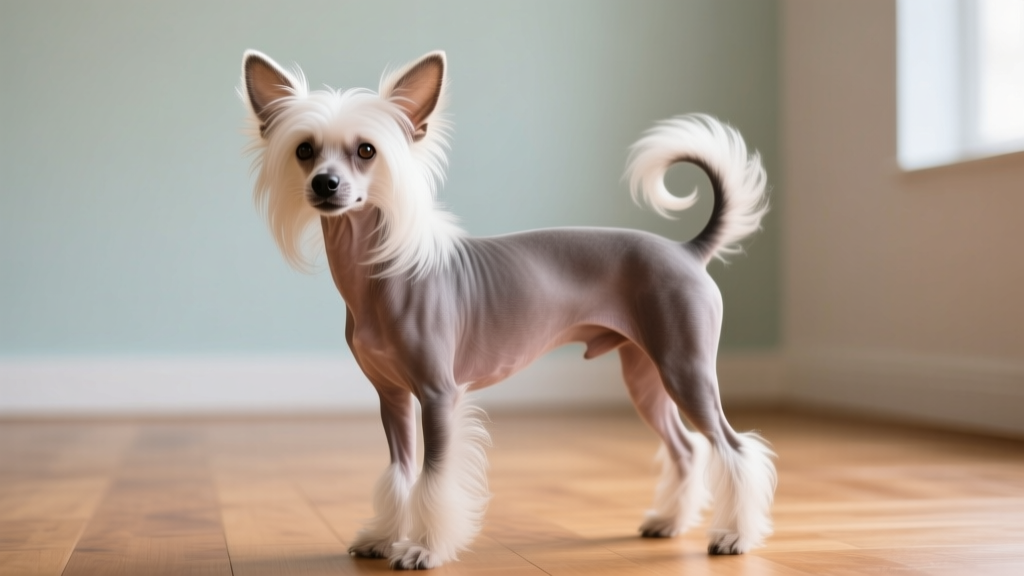
Complete Breed Profile, Care & Health Guide
the white miniature schnauzer: temperament, health risks, grooming needs, exercise requirements, costs, and whether this rare color is right for you.

The white miniature schnauzer turns heads at the dog park. While the salt-and-pepper variety dominates breed registries, the solid white coat — recognized by the FCI (Fédération Cynologique Internationale) but not the AKC — has developed a devoted following among owners who want the schnauzer temperament wrapped in a striking, low-shedding white coat. This guide covers everything prospective and current owners need to know, from genetic health risks to realistic annual costs.
Breed Overview: Origin, Size, and Lifespan
| Size Class | Small |
| Origin | Germany, late 19th century (Bavaria region) |
| Original Purpose | Ratting, farm guarding, livestock driving |
| Weight Range | 11–20 lb (5–9 kg) |
| Height Range | 12–14 inches (30–36 cm) at the withers |
| Lifespan | 12–15 years (some reach 16–18 with excellent care) |
| Coat Type | Double coat — wiry outer coat, soft undercoat; solid white |
| Energy Level | Moderate-high (45–60 minutes structured activity/day) |
| AKC Recognition | Miniature schnauzer recognized; white color NOT accepted for AKC conformation |
| FCI Recognition | White miniature schnauzer recognized as separate color variety since 2004 |
The miniature schnauzer was developed in Germany in the 1880s–1890s by crossing the standard schnauzer with smaller breeds — likely the affenpinscher, poodle, and possibly the pomeranian. The goal was a compact, fearless farm dog capable of hunting rats and alerting owners to intruders. The white coat appeared early in the breed's development but was initially excluded from German breed standards, which favored salt-and-pepper, black, and black-and-silver. The white variety gained formal FCI recognition decades later, with dedicated breeding programs primarily in Germany, the Netherlands, and Eastern Europe producing consistent, health-tested white lines.
Temperament and Personality: What Living With a White Miniature Schnauzer Is Really Like
Miniature schnauzers — regardless of coat color — share a distinctive personality profile shaped by their terrier and working-dog heritage. Here are the core traits owners consistently report, with real-world behavioral examples:
- Alert and vocal: Your white miniature schnauzer will announce visitors, delivery drivers, and the neighbor's cat with a sharp, repetitive bark. This is not anxiety — it's breed-typical alerting behavior. In apartment settings, this trait requires early training to manage (see the training section below).
- Intelligent and problem-solving: Schnauzers rank 12th in Stanley Coren's working/obedience intelligence rankings, learning new commands in 5–15 repetitions. Owners report dogs that figure out latch mechanisms, open cabinets, and learn routines quickly — sometimes too quickly. One owner described her white miniature schnauzer learning to nudge the lever-style door handle after watching it done three times.
- People-oriented with stranger wariness: Unlike breeds that greet everyone enthusiastically, schnauzers typically bond closely with their family and observe strangers before engaging. They're not aggressive, but they're not instantly friendly either. Early socialization (before 16 weeks) is critical to prevent over-protectiveness.
- High prey drive: That ratting heritage means squirrels, rabbits, and sometimes small dogs trigger a chase response. Off-leash reliability in unfenced areas is difficult to achieve with this breed — most experienced schnauzer owners use long lines (15–30 ft) rather than trusting recall near wildlife.
- Stubborn streak: Schnauzers understand commands quickly but may choose to negotiate rather than comply, especially if the task seems pointless to them. "Come" is often met with a head tilt and a decision-making pause rather than instant obedience.
Pros
- Low-shedding, hypoallergenic coat
- Highly trainable with food motivation
- Compact size suits apartments and homes
- Long lifespan (12–15+ years)
- Loyal, family-bonded temperament
- Distinctive appearance; rare color turns heads
Cons
- High grooming cost ($50–$90 per professional session)
- Vocal — barking requires active management
- Strong prey drive limits off-leash freedom
- Prone to pancreatitis (requires careful diet management)
- White coat shows dirt, tear staining, and sun discoloration
- Limited AKC conformation/show eligibility
Physical Characteristics and the White Coat Genetics
Adult white miniature schnauzers stand 12–14 inches (30–36 cm) at the shoulder and weigh 11–20 lb (5–9 kg), with males typically at the upper end of both ranges. The breed standard calls for a sturdy, nearly square body — length from chest to buttocks approximately equals height at withers.
The white coat is a true solid white, not cream or diluted. Puppies are born white and remain white throughout life, though some develop slight cream or biscuit-toned shading on the ears or back as adults — this is cosmetic, not a health concern. The coat is double-layered: a harsh, wiry outer coat approximately 1–2 inches long on the body, with a soft, dense undercoat. The characteristic schnauzer furnishings — longer hair on the legs, beard, and eyebrows — are equally present in whites.
Genetics note: The white coat in miniature schnauzers is caused by a recessive allele at the E locus (MC1R gene), specifically the e/e genotype, which prevents eumelanin (black/brown pigment) production in the coat. Both parents must carry the recessive white gene to produce white puppies. This is distinct from albinism — white schnauzers have normal dark eye pigment and black nose/eye rim pigment, which is a breed standard requirement under FCI rules. Reputable breeders do not select for diluted pigment.
Exercise and Activity Requirements
White miniature schnauzers need 45–60 minutes of structured physical activity daily, plus mental stimulation. This is not a breed that thrives on a single 15-minute walk. Here's a realistic daily breakdown for an adult (1–8 years):
| Activity Type | Duration | Frequency | Notes |
|---|---|---|---|
| Leash walking | 20–30 min | 2× daily | Brisk pace; allow sniffing time for mental enrichment |
| Fetch/tug play | 10–15 min | 1–2× daily | Use flirt poles for high-drive individuals |
| Puzzle toys/snuffle mats | 10–15 min | Daily | Critical for this intelligent breed; prevents boredom barking |
| Training sessions | 5–10 min | 3–5× weekly | Short sessions; trick training, scent work, or obedience |
| Dog park/social play | 20–30 min | 2–3× weekly | Supervise closely; schnauzers can be bossy with other dogs |
Puppy exercise caution: For puppies under 12 months, limit structured exercise to 5 minutes per month of age, twice daily (e.g., a 4-month-old gets 20-minute sessions). Excessive high-impact activity before growth plate closure increases orthopedic injury risk. Free play in a safe yard is fine; forced running or long hikes should wait until 12 months.
Senior adjustment (8+ years): Reduce to 30–40 minutes of lower-impact activity — shorter walks, swimming if available, gentle play. Watch for stiffness after activity as an early arthritis indicator.
Health Issues: Breed-Specific Conditions and Prevalence
Miniature schnauzers are generally healthy dogs, but the breed carries elevated risk for several specific conditions. The white coat variant does not introduce additional health problems beyond those affecting the breed generally — the e/e genotype is not linked to deafness or skin cancer as it is in some other breeds (e.g., white boxers, Dalmatians).
Always consult your veterinarian for diagnosis and treatment. The information below helps you recognize early signs and ask informed questions at wellness visits.
| Condition | Estimated Prevalence | Typical Onset | Key Signs | Management |
|---|---|---|---|---|
| Hyperlipidemia (primary) | Up to 30% of miniature schnauzers (Breed-specific; Merck Veterinary Manual) | Adult (4–8 years) | Often asymptomatic; detected on bloodwork. May cause pancreatitis, seizures, or abdominal pain if severe. | Low-fat diet (under 10% fat DM), omega-3 supplementation, periodic blood monitoring |
| Pancreatitis | Miniature schnauzers have significantly elevated risk vs. general population (estimated 3–5× higher) | Adult to senior | Vomiting, diarrhea, abdominal pain (prayer position), lethargy, appetite loss. Emergency — seek vet care immediately. | IV fluids, pain management, low-fat prescription diet long-term. Recurrence is common. |
| Urinary stones (struvite and calcium oxalate) | Miniature schnauzers overrepresented; approximately 8–10% lifetime risk | Adult (3–8 years) | Frequent urination, straining, blood in urine, licking genital area. Complete blockage is a life-threatening emergency. | Prescription urinary diet, increased water intake, surgical removal if obstructive. Prevention via hydration and diet. |
| Myotonia congenita | Rare but breed-specific; carrier frequency ~5–7% in some populations | Puppy to young adult (visible by 6 weeks in affected dogs) | Muscle stiffness after rest, difficulty rising, "bunny hopping" gait, tongue/throat stiffness when eating | DNA test available; avoid breeding carriers. Affected dogs managed with medication (mexiletine) in severe cases. |
| Cataracts | Approximately 4–6% of miniature schnauzers (CERF/OFA data) | Variable — juvenile (1–3 years) or senile (8+ years) | Cloudy or bluish-white eye appearance, bumping into objects, hesitation in dim light | Surgical removal ($1,500–$3,500 per eye) with 90–95% success rate when performed by veterinary ophthalmologist |
Grooming Requirements: Maintaining the White Coat
The white miniature schnauzer's coat demands more maintenance than most small breeds. Budget for professional grooming every 6–8 weeks and daily at-home care. Here's what's involved:
- Brushing: 3–4 times per week with a slicker brush (e.g., Chris Christensen Big G) followed by a stainless steel comb to prevent matting in the undercoat. Pay special attention to leg furnishings and beard, which tangle easily.
- Professional clipping/stripping: Every 6–8 weeks. Hand-stripping (pulling dead outer coat) preserves the wiry texture but costs $70–$120 per session and takes 2–3 hours. Clipping (using electric clippers) is faster and cheaper ($50–$80) but softens the coat over time and may cause skin irritation. Most pet owners choose clipping; show owners hand-strip.
- Bathing: Every 3–4 weeks, or as needed. Use a whitening shampoo formulated for dogs (e.g., BioSilk Silk Therapy Whitening Shampoo or Chris Christensen White on White) to combat yellowing from saliva, tear staining, and environmental dirt. The white coat shows everything — mud, grass stains, and food discoloration are constant challenges.
- Tear stain management: Wipe the beard and eye area daily with a damp cloth. For persistent reddish-brown tear staining (common in white-coated dogs), use a veterinary-recommended tear stain remover. Avoid products containing tylosin without veterinary guidance.
- Ear care: Check and clean weekly with a veterinarian-approved ear cleanser. Schnauzer ears are folded and trap moisture, creating yeast infection risk. Plucking ear hair (a traditional schnauzer grooming step) is now debated — discuss with your groomer and vet.
- Nail trimming: Every 2–3 weeks. Overgrown nails alter gait and cause joint stress.
Annual grooming cost estimate: $400–$800/year for professional grooming alone, plus $100–$200 for at-home tools and products.
Training and Intelligence: Methods That Work
Miniature schnauzers are highly trainable but require engagement, not repetition. Their intelligence means they bore quickly with drill-style training and respond poorly to heavy-handed correction. Recommended methods:
- Positive reinforcement (R+): Food rewards, toy rewards, and life rewards (access to sniffing, door opening, play) drive learning. Schnauzers are typically food-motivated — use high-value treats (freeze-dried liver, small cheese pieces) for new behaviors and kibble for maintenance.
- Short sessions: 5–10 minutes maximum. A schnauzer's attention span for structured training is shorter than their intelligence might suggest — they understand the behavior but lose interest in repeating it.
- Management of barking: Teach a "quiet" cue using counter-conditioning: wait for a bark, say "quiet," wait for 1–2 seconds of silence, mark and reward. Never yell at a barking schnauzer — they interpret raised voices as you joining in.
- Recall challenges: Due to high prey drive, reliable off-leash recall is difficult. Train in fenced areas using high-value rewards and a long line (15–30 ft). Accept that most miniature schnauzers will never be fully reliable off-leash near wildlife.
- Early socialization (8–16 weeks): Expose to diverse people, surfaces, sounds, and other dogs during the critical socialization window. Puppy classes (force-free, reward-based) are strongly recommended. Inadequate socialization leads to fear-based reactivity — barking and lunging at strangers or other dogs on leash.
Trainability rating: 8/10 for learning speed, 6/10 for compliance reliability (they know what you want but may negotiate). Best suited for owners who enjoy training as an ongoing activity, not a one-time event.
Family Suitability: Kids, Other Pets, and Living Environments
With children: White miniature schnauzers are generally good with respectful children aged 8 and up. Their small size (11–20 lb) makes them vulnerable to accidental injury from toddlers or young children who don't understand how to handle a dog gently. Schnauzers tend to be tolerant but will snap if cornered, ear-pulled, or disturbed while eating. Supervision is non-negotiable with children under 10.
With other dogs: Same-household dog compatibility is good when both dogs are well-socialized. Schnauzers can be bossy and may challenge larger dogs, leading to conflict. Introduce on neutral territory and monitor initial interactions. Same-sex aggression occurs in some lines — ask breeders about temperament in their breeding stock.
With cats and small animals: Cat compatibility varies individually. Schnauzers raised with cats from puppyhood often coexist peacefully. However, the breed's prey drive means rabbits, hamsters, birds, and other small pets are at risk. Never leave a miniature schnauzer unsupervised with small caged animals.
Apartment living: Miniature schnauzers adapt well to apartment life in terms of space — they're compact and don't need a yard. The challenge is barking. If you live in a building with shared walls, invest in early bark-management training and provide sufficient mental stimulation to prevent boredom-triggered vocalization. A white miniature schnauzer in an apartment needs at least two walks daily plus indoor enrichment.
Cost of Ownership: Purchase Price and Annual Expenses
White miniature schnauzers often carry a price premium over standard colors due to their rarity and the smaller breeding pool. Here's a realistic cost breakdown for US-based owners (2026 estimates):
| Expense Category | Estimated Cost | Frequency |
|---|---|---|
| Puppy purchase (health-tested breeder) | $2,500–$5,000 | One-time |
| Adoption/rescue | $200–$600 | One-time (white schnauzers rarely appear in rescue; check breed-specific rescues) |
| Initial veterinary setup (vaccines, spay/neuter, microchip) | $500–$1,200 | First year |
| Annual wellness veterinary care | $400–$800 | Yearly |
| High-quality food (AAFCO complete, low-fat recommended) | $360–$720 | Yearly ($30–$60/month) |
| Professional grooming | $400–$800 | Yearly (6–8 sessions) |
| Pet insurance | $480–$900 | Yearly ($40–$75/month) |
| Supplies (crate, bed, leash, toys, puzzle feeders) | $200–$400 | First year, then $50–$100/year replacement |
| Estimated annual cost (after first year) | $1,840–$3,220 | Yearly |
First-year total (puppy from breeder): $4,400–$8,320. This does not include emergency veterinary care — a single pancreatitis episode can cost $1,500–$4,000 in emergency treatment. Pet insurance or a dedicated emergency fund ($2,000–$5,000 reserve) is strongly recommended for this breed.
Frequently Asked Questions
Is the white miniature schnauzer right for first-time dog owners?
Conditionally yes. White miniature schnauzers are manageable for first-time owners who are prepared for the grooming commitment, willing to invest in positive-reinforcement training classes, and understand that this breed barks more than average. They are not as forgiving of training inconsistency as breeds like the Labrador retriever or golden retriever. First-time owners should commit to at least one professional puppy class and ongoing socialization. If you want a low-maintenance, quiet, easygoing dog, this is not the breed for you.
How much exercise does a white miniature schnauzer need daily?
Adults need 45–60 minutes of structured activity per day, split between two walks (20–30 minutes each) and play or training sessions. This is not a couch-potato breed — insufficient exercise leads to destructive behavior, excessive barking, and weight gain. Puppies need less structured exercise (5 minutes per month of age, twice daily) with free play making up the difference.
What health problems is the white miniature schnauzer prone to?
The breed's primary health concerns are primary hyperlipidemia (elevated blood fats, affecting up to 30% of miniature schnauzers), pancreatitis (significantly elevated breed risk), urinary stones (struvite and calcium oxalate), myotonia congenita (a rare muscle disorder with an available DNA test), and cataracts (4–6% prevalence). The white coat does not add health risks — unlike white dogs in some other breeds, white miniature schnauzers are not at increased risk for deafness or skin cancer. Choose a breeder who performs OFA hip, CERF eye, and myotonia congenita DNA testing.
How big does a white miniature schnauzer get?
Adults stand 12–14 inches (30–36 cm) at the shoulder and weigh 11–20 lb (5–9 kg). Males tend toward the upper end of both ranges. The breed should appear sturdy and nearly square — not fragile or toy-like. Overfeeding is common; maintain a body condition score (BCS) of 4–5 out of 9, where ribs are easily felt but not visible.
Is the white miniature schnauzer good with children and other pets?
They are generally good with respectful children aged 8+ but too small for rough handling by toddlers. With other dogs, compatibility is good when both are socialized, though schnauzers can be assertive. With cats, individual temperament varies — early co-raising improves success. Small pets (rabbits, hamsters, birds) are at risk due to the breed's prey drive and should not share unsupervised space with a schnauzer.
How much does a white miniature schnauzer cost to buy and maintain?
Expect to pay $2,500–$5,000 for a health-tested puppy from a responsible breeder (adoption is $200–$600 when available). Annual maintenance costs run $1,840–$3,220 after the first year, driven primarily by grooming ($400–$800/year), food ($360–$720/year), veterinary care ($400–$800/year), and insurance ($480–$900/year). The first year — including puppy purchase, initial vet setup, and supplies — totals approximately $4,400–$8,320.
Why isn't the white miniature schnauzer recognized by the AKC?
The AKC breed standard for the miniature schnauzer accepts only three colors for conformation showing: salt and pepper, black and silver, and solid black. White was excluded when the standard was written in the mid-20th century, reflecting the preferences of early American breeders. The FCI (international registry) recognized white as a fourth acceptable color in 2004. White miniature schnauzers can be AKC-registered and participate in performance events (agility, obedience, rally) — they are only excluded from conformation showing. This is a registry politics issue, not a health or quality issue.
Do white miniature schnauzers need special skin or coat care?
The white coat shows dirt, staining, and sun discoloration more than darker coats, requiring more frequent bathing (every 3–4 weeks vs. 6–8 weeks for darker schnauzers) and whitening shampoo products. Some white schnauzers develop mild sun sensitivity on sparsely-haired areas (belly, ear tips) — apply dog-safe sunscreen for extended outdoor exposure. Otherwise, the coat structure and care requirements are identical to other miniature schnauzer colors.
Jonas Cole
All our authors care for dogs every day — read more of their work on the authors page.