Chinese Crested Dog Powder Puff: The Rare Powderpuff Variety Explained
the Chinese Crested dog powder puff variety — origin, grooming, health risks, temperament surprises, cost, and how it compares to the hairless type.
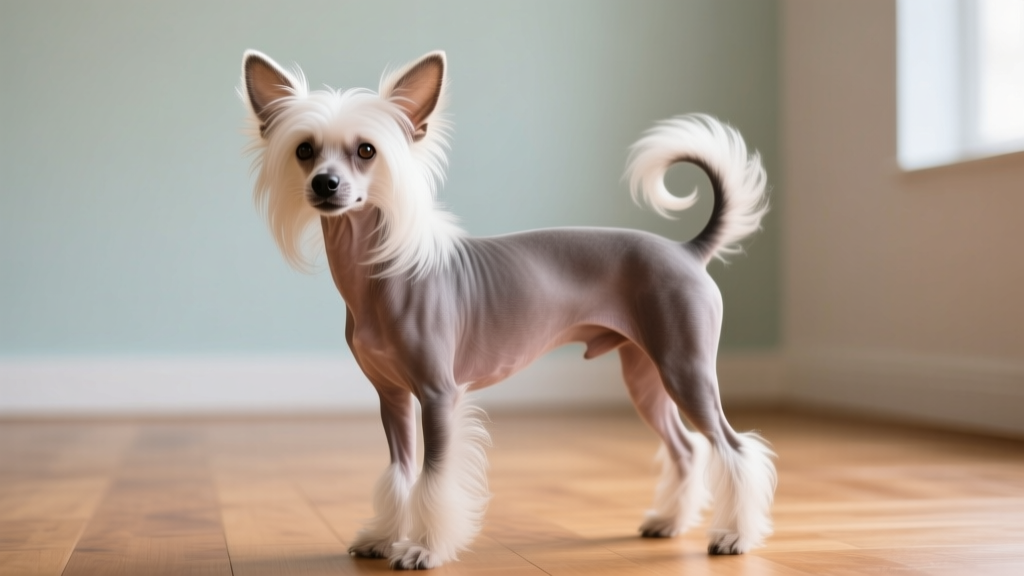
If you've only ever seen the nearly nude, tufted version of the Chinese Crested trotting around the show ring, you might not realize the breed comes in a fully coated variety. The Chinese Crested dog powder puff — sometimes written as "powderpuff" — is the coated version of this ancient companion breed. Same genetics, same personality, same quirks. The only difference is a full, soft coat of silky hair covering the entire body instead of the hairless variety's signature bare skin with head, tail, and ankle tufts.
Despite sharing a breed standard with their hairless littermates, powder puff Chinese Cresteds remain less recognized and frequently misunderstood. Some people assume they're a different breed entirely. Others encounter one at a rescue and can't quite place the dog. This guide breaks down everything you need to know about the powder puff variety — from its surprising genetic origins to the specific grooming, skin, and health considerations that set it apart from both the hairless Crested and other small coated breeds.
Origin Story: From African Hairless Dogs to Chinese Companions
The history of the Chinese Crested is one of the more tangled origin stories in the canine world. Despite the name, the breed's roots are believed to trace back to Africa, not China. Hairless dogs have appeared in mutations across multiple continents — the Xoloitzcuintli in Mexico, the Peruvian Inca Orchid in South America, and various African hairless types. Geneticists have identified the FOXI3 gene mutation responsible for the hairless trait in Chinese Cresteds, and this same mutation appears in other hairless breeds, suggesting either a shared ancient ancestor or parallel mutations.
What's reported in historical accounts is that Chinese traders encountered these small hairless dogs along African and Southeast Asian trade routes, possibly as early as the 13th century. The dogs were valued aboard ships for two practical purposes: ratting and companionship. Their small size made them ideal for life at sea, and their alertness helped control vermin in cargo holds. Over centuries of selective breeding in China, the dogs were refined into the delicate, elegant companion type we recognize today — prized by nobility and eventually exported to Europe and the Americas.
- 13th–16th century (reported): Hairless dogs traded along African and Asian maritime routes; refined in China as companion and ship ratters
- Late 1800s: Chinese Cresteds appear in European and American exhibitions; early breed enthusiasts begin documenting the type
- 1885: Chinese Crested exhibited at the Westminster Kennel Club show
- 1979: American Chinese Crested Club (ACCC) founded
- 1991: AKC officially recognizes the Chinese Crested in the Toy Group
- Present: Recognized by AKC, UKC, and FCI (Group 9: Companion and Toy Dogs)
The powder puff variety has always existed alongside the hairless type because of how the hairless gene works. Hairlessness in Chinese Cresteds is caused by a dominant gene (heterozygous). When two hairless Cresteds are bred together, approximately 25% of the litter will be fully coated powder puffs — these dogs carry two copies of the recessive "coated" gene. Breeding two powder puffs together produces 100% coated puppies. Breeding a powder puff to a hairless produces roughly 50/50. This means powder puffs are not rare in the genetic sense — they're simply less sought after and less visible in the show world.
Physical Traits: What Makes the Powder Puff Distinct
The powder puff Chinese Crested is a small, elegant toy dog with a fine-boned but surprisingly sturdy frame. Every physical measurement mirrors the hairless variety — the only difference is the coat.
| Attribute | Details |
|---|---|
| Weight | 8–12 lb (3.6–5.4 kg) |
| Height | 11–13 inches (28–33 cm) at the withers |
| Lifespan | 13–18 years |
| Coat type | Full-body single coat; soft, silky, straight to slightly wavy; no undercoat |
| Coat colors | Any color or combination — white, black, slate, chocolate, cream, tri-color, sable |
| Energy level | Moderate — 30–45 minutes of structured activity daily |
| Grooming needs | High — brushing 3–4× per week, professional grooming every 6–8 weeks |
| Family fit | Excellent with gentle children; best with older kids (8+) due to small size |
| AKC Group | Toy Group |
The powder puff's coat is a single coat with no undercoat, which is a key distinction from double-coated breeds like the Pomeranian or Havanese. The hair is fine and silky — think human hair texture — and can grow quite long if untrimmed. Many owners opt for a "puppy cut" or "teddy bear cut" at 1–2 inches to reduce maintenance, but show dogs are presented with the full-length flowing coat.
Body structure should reflect the breed standard: a level topline, a moderately angulated rear, hare feet (elongated toes), and a tail carried over the back in a gentle curve. The head is wedge-shaped with a defined stop, large erect ears, and dark almond-shaped eyes that give the breed its characteristic alert, almost quizzical expression.
Temperament: The Surprises New Owners Don't Expect
If you expect a yappy, nervous toy dog, the Chinese Crested powder puff will surprise you. These dogs are consistently described by owners and breed specialists as cat-like in their behavior. They perch on the backs of furniture. They use their paws to manipulate objects. They form intense, almost possessive bonds with one or two people and can be aloof — not aggressive, but indifferent — with strangers.
Here's what tends to catch first-time owners off guard:
- Velcro attachment: Powder puff Cresteds follow their person from room to room. They do not do well with long daily absences. Separation anxiety is a genuine concern if the dog isn't trained for independence from puppyhood.
- Unexpected athleticism: Despite their delicate appearance, Cresteds excel at agility and lure coursing. They're fast, agile, and love to climb. A 3-foot fence is not enough — they can scale or squeeze through gaps.
- Stubborn streak in training: They're intelligent but not biddable in the way a Border Collie or Poodle is. Positive reinforcement works well — food motivation and clicker training are effective — but repetitive drills bore them quickly. Keep sessions under 10 minutes.
- Sensitivity to household tension: Cresteds are emotionally attuned to their owners. Arguments, loud environments, or chaotic households can cause stress behaviors like excessive licking, trembling, or withdrawal.
- Quiet demeanor: They bark less than most toy breeds. When they do vocalize, it's usually purposeful — alerting to a visitor or expressing a specific need.
For families, the powder puff is an excellent fit with children who understand how to interact gently with small dogs. They're playful and affectionate but fragile enough that a toddler's enthusiastic squeeze could cause injury. Households with children aged 8 and up tend to be the best match.
Special Care Requirements for the Powder Puff Coat
This is where the powder puff diverges significantly from the hairless variety in daily care. The hairless Crested needs sunscreen, moisturizers, and acne treatments for exposed skin. The powder puff needs a structured coat maintenance routine instead.
- Brushing (3–4× weekly): Use a pin brush or slicker brush on the body coat. Comb through with a metal greyhound comb to catch tangles near the skin. Pay special attention to behind the ears, armpits, and the feathering on legs — these areas mat first.
- Bathing (every 2–3 weeks): Use a gentle, dog-specific shampoo. Human shampoo disrupts canine skin pH. A conditioner or detangling spray helps prevent breakage in the fine coat.
- Professional grooming (every 6–8 weeks): Unless you maintain the coat yourself, budget $50–$85 per session for a bath, cut, and nail trim. A puppy cut significantly reduces daily maintenance.
- Eye area trimming (weekly): Hair grows into the eyes quickly, causing irritation and tear staining. Keep the hair around the eyes trimmed short or tied back in a topknot.
- Ear care (weekly): Erect ears with hair inside the canal need regular plucking or trimming and cleaning with a vet-approved ear wash to prevent yeast infections.
- Nail trims (every 2–3 weeks): Their hare feet have elongated toes; overgrown nails alter gait and can cause joint strain.
- Dental care (daily ideal): Small breeds are predisposed to periodontal disease. Daily brushing with enzymatic dog toothpaste is strongly recommended.
One advantage of the powder puff coat: minimal shedding. The single coat sheds very little, making powder puffs a reasonable choice for people with mild dog allergies — though no dog is truly hypoallergenic, as allergens come from dander and saliva, not just hair.
Exercise needs are moderate. Plan for 30–45 minutes of daily activity, which can include two 15-minute leash walks plus indoor play or training sessions. They enjoy puzzle toys, flirt poles, and short agility courses. Despite their toy size, many powder puff owners compete successfully in AKC agility and rally events.
Breed-Specific Health Concerns
Chinese Cresteds are generally a long-lived, healthy breed — their 13–18 year lifespan reflects good overall genetic diversity. However, several conditions have documented prevalence in the breed, and powder puffs share all the same genetic risks as hairless Cresteds.
| Condition | Details & Prevalence | Screening/Prevention |
|---|---|---|
| Progressive Retinal Atrophy (PRA-prcd) | Inherited retinal degeneration leading to blindness, typically onset between 3–5 years. Autosomal recessive — both parents must carry the gene. | DNA test available; responsible breeders screen before breeding |
| Primary Lens Luxation (PLL) | The lens of the eye displaces from its normal position, causing pain and potential blindness. Reported in the breed with variable prevalence. | DNA test available; annual CERF/OFA eye exams |
| Patellar Luxation | Kneecap slips out of the groove; common in toy breeds. Grades I–IV; mild cases managed conservatively, severe cases require surgical correction ($1,500–$3,500 per knee). | OFA patella evaluation; avoid jumping from high furniture |
| Legg-Calvé-Perthes Disease | Degeneration of the femoral head causing hip pain and lameness, typically in puppies 4–12 months old. Surgical treatment (femoral head ostectomy) costs $1,500–$3,000. | Early X-ray diagnosis; no genetic test currently available |
| Dental Disease | The hairless variety is notorious for early tooth loss (linked to the hairless gene). Powder puffs typically have better dentition but are still at elevated risk for periodontal disease compared to larger breeds. | Daily brushing; professional dental cleanings every 1–2 years ($300–$700) |
| Autoimmune Conditions | Immune-mediated hemolytic anemia (IMHA) and other autoimmune disorders are reported at higher-than-average rates in the breed, though exact prevalence data is limited. | Regular wellness bloodwork; early symptom recognition |
One advantage powder puffs have over hairless Cresteds: their coat provides natural protection from sunburn, temperature extremes, and skin injuries. Hairless Cresteds require dog-safe sunscreen (SPF 30+ for dogs) on exposed skin and protective clothing in cold weather. Powder puffs need neither, though a light sweater in temperatures below 40°F (4°C) is still appreciated given their small size and single coat.
Contact your vet promptly if your Chinese Crested shows any of these signs:
- Sudden squinting, eye redness, or a visible shift in the eye's lens position
- Hind leg lameness or "skipping" gait (kneecap slipping)
- Persistent limping in a young puppy (4–12 months) — possible Legg-Calvé-Perthes
- Lethargy, pale gums, or rapid breathing — potential autoimmune crisis
- Excessive thirst, weight loss, or changes in appetite lasting more than 48 hours
Always consult your veterinarian for breed-appropriate health screening schedules and any medical concerns. This article is informational and does not replace professional veterinary care.
How the Powder Puff Compares to Similar Breeds
If you're drawn to the powder puff Chinese Crested but want context on how it stacks up against other small, low-shedding companion breeds, here's a practical comparison:
| Trait | Powder Puff Crested | Havanese | Toy Poodle |
|---|---|---|---|
| Weight | 8–12 lb (3.6–5.4 kg) | 7–13 lb (3.2–5.9 kg) | 4–6 lb (1.8–2.7 kg) |
| Lifespan | 13–18 years | 14–16 years | 14–18 years |
| Shedding | Minimal | Minimal | Minimal |
| Exercise needs | 30–45 min/day | 30–60 min/day | 30–45 min/day |
| Trainability | Moderate — independent thinker | High — eager to please | Very high — excels at obedience |
| Barking level | Low to moderate | Moderate | Moderate to high |
| Separation tolerance | Low — prone to anxiety | Low — very social | Moderate |
| Puppy price range | $1,200–$3,000 | $1,500–$3,500 | $1,500–$4,000 |
The biggest differentiator is temperament. The Havanese is more outwardly social and gregarious — a "everyone is my friend" dog. The Toy Poodle is sharper and more trainable but can be high-strung. The powder puff Crested sits between these: affectionate with family, reserved with strangers, and more independent than either. If you want a dog that's content to watch you work from a perch on the sofa rather than demand constant interaction, the Crested temperament may be the better fit.
Availability, Cost, and Finding a Responsible Breeder
Chinese Cresteds are not a rare breed in absolute numbers — the AKC ranked them #80 out of 201 breeds in recent registration statistics. However, powder puff puppies specifically are less commonly advertised because most breeders focus on producing the hairless variety that dominates the show ring. That said, every litter from two hairless parents will statistically produce powder puff puppies, so they are regularly available if you ask.
Typical pricing for a powder puff Chinese Crested puppy:
- Pet-quality from a responsible breeder: $1,200–$2,000
- Show/breeding-quality from a health-tested breeder: $2,000–$3,000+
- Rescue/adoption: $200–$500 (Chinese Crested-specific rescues like American Chinese Crested Rescue regularly have both varieties)
Some breeders actually price powder puffs lower than hairless puppies because demand is lower — a potential advantage for buyers who aren't set on the hairless look.
Red flags to watch for when searching:
- Breeders who claim powder puffs are a "separate rare breed" and charge premium prices — they are not a separate breed
- No health testing documentation (ask for OFA or PennHIP results, PRA and PLL DNA test results, and patella evaluations for both parents)
- Puppies available immediately with no waiting list and no questions asked about your home environment
- Breeder cannot explain the genetics of hairless vs. powder puff inheritance
- Multiple litters always available — suggests a puppy mill or high-volume operation
A responsible breeder will have a take-back clause in their contract, will ask you detailed questions about your lifestyle, and will provide health guarantees covering genetic conditions for at least the first two years. The AKC breed page and the American Chinese Crested Club maintain breeder referral lists.
First-Year Cost Breakdown
Beyond the purchase price, here's a realistic budget for your first year with a powder puff Chinese Crested:
- Spay/neuter: $300–$600 (if not included in purchase)
- Initial vaccinations (DHPP, rabies series): $150–$300
- Grooming (6–8 sessions): $300–$680
- High-quality small-breed food: $250–$400/year (they eat roughly ¼–½ cup of kibble daily)
- Preventive medications (heartworm, flea/tick): $150–$300/year
- Pet insurance: $30–$55/month ($360–$660/year) — recommended given potential for eye and joint surgeries
- Supplies (crate, harness, grooming tools, dental kit): $200–$400
Estimated first-year total: $1,800–$4,000 depending on purchase price and whether any health issues arise. Ongoing annual costs settle to approximately $1,500–$2,500 after the first year.
Frequently Asked Questions
Are powder puff Chinese Cresteds hypoallergenic?
No dog is truly hypoallergenic. Powder puffs shed very little and produce less airborne dander than heavy-shedding breeds, which may make them tolerable for people with mild allergies. However, the primary dog allergens (Can f 1 and Can f 2 proteins) are found in saliva and skin secretions, not just hair. Spend time with a powder puff before committing if allergies are a concern.
Can you breed two powder puffs together?
Yes. Two powder puffs will produce 100% coated puppies because both parents carry two copies of the recessive coated gene. This is a perfectly valid breeding pairing recognized by the AKC. Some breeders intentionally do this to produce litters with predictable full coats, though it does reduce the number of show-competitive hairless puppies produced.
Do powder puffs have the same dental problems as hairless Cresteds?
Generally, no — and this is a significant advantage. The hairless gene in Chinese Cresteds is linked to abnormal tooth development (missing teeth, poorly rooted teeth, early loss). Powder puffs, carrying two copies of the normal coated gene, typically have complete, normally structured dentition. They're still at risk for periodontal disease common to all toy breeds, but they rarely experience the early tooth loss that plagues the hairless variety.
Is the Chinese Crested powder puff good for first-time dog owners?
Yes, with caveats. Their small size, moderate exercise needs, and low barking make them manageable for beginners. The challenges are their sensitivity (they need a calm, stable home), their grooming requirements (budget and time for regular coat care), and their attachment style (they struggle with being left alone for 8+ hour workdays). If you work from home or have a flexible schedule, a powder puff can be an excellent first dog.
How rare is the powder puff variety today?
They're not genetically rare — approximately 25% of puppies from two hairless parents will be powder puffs, and powder puff × powder puff breedings produce all coated litters. They're less visible because the hairless look dominates breed marketing, social media, and the show ring. If you contact Chinese Crested breeders, most will have powder puff puppies available or know colleagues who do. Expect a wait of 2–6 months from a responsible breeder.
What's the difference between a powder puff and a "long-haired Chihuahua"?
They can look superficially similar, which causes frequent misidentification. Key differences: the Crested is leaner and more fine-boned (hare feet, longer legs relative to body), has larger erect ears set lower on the head, and carries a distinctly silky, flowing coat rather than the Chihuahua's fluffier, more textured coat. Chihuahuas also tend to be more assertive and vocal, while Cresteds are quieter and more reserved. DNA testing can resolve any identification uncertainty.
Anouk Beaumont
All our authors care for dogs every day — read more of their work on the authors page.


