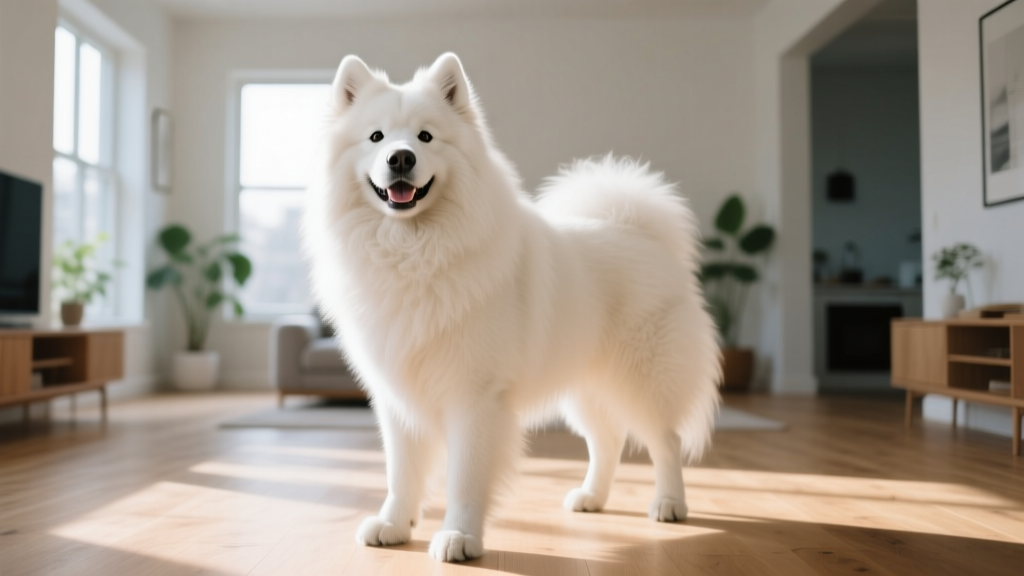
White Boxer Dog: Complete Breed Guide, Health Risks & Care Tips
White boxer dog guide: health risks, deafness, temperament, care, exercise, and costs. Is this breed right for you?

White Boxer Dog: Overview & Origin
The white boxer dog is not a separate breed — it is a Boxer (Canis lupus familiaris, AKC Working Group) that carries a coat color outside the breed standard's accepted fawn and brindle range. White Boxers have been documented since the breed's formal development in Germany during the late 1880s, when breeders crossed the now-extinct Bullenbeisser with English Bulldogs to produce a versatile working and guardian dog. The first Boxer was registered with the American Kennel Club in 1904, and white specimens appeared in early litters alongside their colored littermates.
Historically, white puppies were often culled or withheld from registration because the Boxer breed standard — maintained by the American Boxer Club — disqualifies any Boxer with more than one-third of its body covered in white. This practice has softened considerably. Today, responsible breeders place white Boxers on limited registration (pet-only contracts), and rescue organizations actively rehome them. The estimated prevalence is that roughly 20–25% of all Boxers born are white or checked (mostly white), meaning thousands of white Boxer puppies enter homes each year in the United States alone.
As a large-breed working dog, the Boxer stands firmly in the large size class. Adult males typically reach 65–80 lb (29–36 kg) and 23–25 inches (58–64 cm) at the shoulder, while females are slightly smaller at 50–65 lb (23–29 kg) and 21.5–23.5 inches (55–60 cm). Lifespan averages 10–12 years, consistent with large-breed norms, though some well-cared-for individuals reach 13 or 14.
| Attribute | Details |
|---|---|
| Size Class | Large |
| Weight (Male) | 65–80 lb / 29–36 kg |
| Weight (Female) | 50–65 lb / 23–29 kg |
| Height (Male) | 23–25 in / 58–64 cm |
| Height (Female) | 21.5–23.5 in / 55–60 cm |
| Lifespan | 10–12 years |
| Coat | Short, smooth, single-layered |
| Energy Level | High |
| Grooming | Low (weekly brushing) |
| Family Fit | Excellent with children; moderate with other pets |
| AKC Recognition | Recognized breed; white is a disqualifying color for conformation |
Temperament & Personality: What to Expect From a White Boxer
A white Boxer's personality is identical to that of any other Boxer — coat color does not influence behavior. The AKC breed standard describes the Boxer as "active, strong, and loyal," and owners consistently report five core traits:
- Playful exuberance: Boxers are famous for the "kidney bean" dance — a full-body wiggle and spin they perform when greeting people they love. This playfulness persists well into adulthood; a 7-year-old Boxer is still likely to grab a toy and initiate a game when you walk in the door.
- Protective instinct: Bred to hold large game (boar, bear) until hunters arrived, Boxers retain a guarding impulse. They will position themselves between their owner and a stranger, emit a low "woo-woo" vocalization (distinct from a growl), and bark at unusual sounds. They are alert watchdogs, not indiscriminate biters.
- Human-oriented attachment: Boxers bond intensely with their families and are prone to separation distress if left alone for more than 4–6 hours regularly. Expect your white Boxer to follow you from room to room and attempt to sit on your lap despite weighing 70 lb.
- Stubborn intelligence: Boxers rank in the middle of Stanley Coren's canine intelligence rankings (average working/obedience intelligence), but their independence means they may choose to ignore a command they find boring. They learn quickly but require motivation — high-value treats, toy rewards, or enthusiastic praise.
- Gentleness with children: Boxers earned the nickname "the Peter Pan of dogs" for their prolonged puppy-like behavior and tolerance of children. They are notably patient with toddlers' clumsy handling, though their boisterous energy can accidentally knock over small children during play.
Physical Characteristics: The White Coat Explained
A white Boxer's coat is caused by the extreme piebald gene (sw locus), which suppresses pigment production across large areas of the body. This is not albinism — white Boxers have pigmented skin (often with freckling or spotting visible on the nose, lips, and paw pads) and typically have dark brown eyes. The distinction matters because albinism involves a complete absence of melanin production, whereas the piebald gene simply restricts where pigment is deposited.
Coat characteristics:
- Length: Short (approximately 0.5–1 inch), lying flat against the body
- Texture: Smooth and glossy when healthy
- Shedding: Moderate year-round with seasonal increases in spring and fall
- Undercoat: Single-coated (no dense undercoat), making them poorly suited to cold weather below 40°F (4°C)
Because the white coat lacks protective melanin in the skin beneath it, white Boxers are significantly more vulnerable to UV radiation. Sunburn can occur on the nose, ear tips, and any sparsely haired areas after as little as 30–60 minutes of direct midday sun. Owners must apply dog-safe sunscreen (zinc oxide-free formulations such as Epi-Pet Sunscreen or Warren London Dog Sunscreen) before extended outdoor exposure.
Exercise & Activity Needs
Boxers are high-energy working dogs that require structured daily activity to maintain physical health and mental stability. An under-exercised Boxer is a destructive Boxer — expect chewed furniture, dug yards, and excessive barking if activity needs aren't met.
| Activity Type | Duration | Frequency | Notes |
|---|---|---|---|
| Brisk leash walk | 30–45 min | Twice daily | Morning and evening; avoid midday heat in summer |
| Off-leash running (fenced area) | 20–30 min | Daily | Boxers enjoy sprinting; a 6-foot fence minimum is required |
| Interactive play (fetch, flirt pole) | 15–20 min | Daily | Use a flirt pole to satisfy prey-drive chasing without joint impact |
| Mental stimulation (puzzle toys, training) | 15–20 min | Daily | Snuffle mats, Kong Wobbler, or 5-minute trick-training sessions |
| Structured sport (agility, obedience, barn hunt) | 45–60 min | 1–2x weekly | Excellent outlet for Boxer energy and intelligence |
Total daily exercise target: 60–90 minutes of active movement, plus mental enrichment. Puppies under 18 months should follow the "5 minutes of exercise per month of age" rule (e.g., a 4-month-old puppy gets 20-minute sessions) to protect developing growth plates from conditions like hip dysplasia.
Heat sensitivity warning: Boxers are a brachycephalic (short-muzzled) breed, though less extreme than Bulldogs or Pugs. They are still prone to heat exhaustion when temperatures exceed 80°F (27°C). Always exercise in cool hours, provide shade and water, and watch for excessive panting, dark red gums, or stumbling — all signs of heatstroke requiring immediate veterinary attention.
Common Health Issues in White Boxers
White Boxers share all breed-standard Boxer health risks and carry additional concerns related to their lack of pigmentation. Below are the most clinically significant conditions:
| Condition | Prevalence | Onset | Key Details |
|---|---|---|---|
| Congenital sensorineural deafness | ~18% of white Boxers (bilateral or unilateral) | Birth (detectable by 6 weeks via BAER test) | Linked to lack of melanocytes in the inner ear. Unilaterally deaf dogs compensate well; bilaterally deaf dogs require hand-signal training. |
| Sun-induced skin cancer (squamous cell carcinoma, hemangiosarcoma) | Elevated vs. pigmented Boxers (exact rate not quantified; veterinary dermatologists consider risk significant) | Typically 7+ years, but sun damage accumulates from puppyhood | Prevention: dog-safe sunscreen, UV-protective shirts (e.g., Ruffwear Swamp Cooler), limiting midday sun. |
| Boxer cardiomyopathy (arrhythmogenic right ventricular cardiomyopathy, ARVC) | ~6–10% of all Boxers (color-independent) | Usually 6–10 years; can appear earlier | Causes ventricular arrhythmias leading to syncope (fainting) or sudden cardiac death. Annual Holter monitor screening recommended after age 5. Source: Merck Veterinary Manual. |
| Aortic stenosis (congenital heart defect) | ~5–7% of Boxers | Present at birth; murmur detectable by 8–12 weeks | Narrowing of the aortic valve forces the heart to work harder. Mild cases may not require treatment; severe cases need beta-blockers or balloon valvuloplasty. |
| Hip dysplasia | ~13–15% of Boxers (OFA data) | Signs often appear 6–18 months; worsens with age | Malformation of the hip joint leading to osteoarthritis. Maintain lean body condition score (BCS 4–5/9) and avoid high-impact exercise on hard surfaces during growth. |
| Degenerative myelopathy (DM) | Carrier frequency ~38% in Boxers; affected rate lower | Usually 8+ years | Progressive spinal cord degeneration causing hind-limb weakness and eventual paralysis. No cure; mobility carts extend quality of life. DNA testing available via Embark or UC Davis Veterinary Genetics Lab. |
| Hypothyroidism | ~4–6% of Boxers | Typically 4–10 years | Autoimmune destruction of the thyroid gland. Symptoms: weight gain, lethargy, hair thinning. Managed with daily levothyroxine (~$15–25/month). |
Veterinary disclaimer: The information above is educational. If your white Boxer shows symptoms such as fainting episodes, persistent coughing, limping, or skin lesions that don't heal, consult your veterinarian promptly. Early diagnosis significantly improves prognosis for cardiac and oncologic conditions.
- Fainting or collapse (possible ARVC episode)
- Non-healing sores or raised, crusty patches on white skin (possible squamous cell carcinoma)
- Sudden hind-limb weakness or dragging toes (possible degenerative myelopathy or IVDD)
- Distended abdomen with unproductive retching (possible gastric dilatation-volvulus/bloat — a surgical emergency)
- Difficulty breathing, blue-tinged gums, or exercise intolerance
Grooming, Training & Family Suitability
Grooming Requirements
The Boxer's short, single coat is low-maintenance compared to double-coated breeds, but white coats show dirt more readily and require slightly more attention:
- Brushing: Weekly with a rubber curry brush (e.g., Kong ZoomGroom, ~$8–12) to remove loose hair and distribute skin oils. Increase to 2–3x weekly during seasonal sheds.
- Bathing: Every 4–6 weeks, or as needed when the white coat becomes visibly soiled. Use a whitening shampoo (e.g., Chris Christensen White on White, ~$18–22) to prevent yellowing.
- Sunscreen application: Daily during summer months on nose, ear tips, and any pink skin patches. Reapply every 2–3 hours during prolonged outdoor activity.
- Nail trimming: Every 2–3 weeks. Boxer nails grow quickly; overgrown nails alter gait and stress joints.
- Ear cleaning: Weekly inspection; clean with a veterinary ear wash (e.g., Epi-Otic Advanced, ~$14–18) if debris is visible. Boxers have drop ears that trap moisture.
- Dental care: Daily tooth brushing with enzymatic dog toothpaste, or dental chews (VOHC-approved options like Greenies) as a minimum supplement.
Training & Intelligence
Boxers are trainable but not biddable in the way a Border Collie or Golden Retriever is. They respond best to positive reinforcement methods — food rewards, toy play, and enthusiastic praise. Aversive tools (shock collars, prong collars, alpha rolls) are counterproductive with Boxers; their sensitivity and strong bond with their owner means harsh methods create fear and shutdown rather than compliance.
Recommended training approach:
- Puppy socialization (8–16 weeks): Expose to 100+ novel people, surfaces, sounds, and other dogs during the critical socialization window. Enroll in a force-free puppy class (look for CCPDT or KPA-certified trainers).
- Basic obedience (4–6 months): Focus on reliable recall, loose-leash walking, and "drop it" — Boxers are notorious for grabbing and running with household items.
- Impulse control (6–18 months): Boxers mature slowly (full mental maturity around 3 years). Practice "wait" at doors, "leave it" for dropped food, and settle/mat training to manage their exuberance.
- Deaf dog training (if applicable): For bilaterally deaf white Boxers, use a vibration collar (NOT shock) as an attention-getting device paired with hand signals. Resources like the Deaf Dog Education Action Fund provide free training guides.
Trainability rating: 3.5/5 — Boxers learn commands in 15–25 repetitions (average) but may require higher-value motivation than eager-to-please breeds.
Family Suitability
- Exceptionally patient and gentle with children of all ages
- Playful energy matches active families and older kids
- Strong protective instinct without aggression toward family members
- Low grooming demands compared to many large breeds
- Adaptable to apartment living IF exercise needs are met (60–90 min/day)
- Boisterous jumping can knock over toddlers; supervision required
- High exercise needs make them poor fits for sedentary households
- Same-sex dog aggression (especially male-male) is not uncommon; early socialization critical
- Prone to separation anxiety if left alone 8+ hours daily
- Drooling and snoring — brachycephalic traits that come with the breed
- White coat requires sun protection and shows dirt easily
With children: Excellent. Boxers are one of the most consistently child-tolerant breeds, but their size and energy mean interactions with children under 5 should always be supervised.
With other pets: Variable. Boxers raised with cats from puppyhood generally coexist peacefully. Dog-to-dog compatibility depends on individual temperament and socialization; same-sex pairs require careful introduction. Boxers have moderate prey drive and may chase small animals (rabbits, chickens).
Apartment living: Feasible with commitment. A Boxer in an apartment needs two long walks daily plus access to a dog park or yard for sprinting. They are not ideal for studio apartments or buildings with strict noise rules (they snore loudly and may vocalize when excited).
Cost of Ownership: White Boxer Budget Breakdown
Purchasing or adopting a white Boxer is only the beginning of the financial commitment. Below is a realistic 2026 cost breakdown based on current market data:
| Expense Category | Cost Range (USD) | Frequency |
|---|---|---|
| Puppy from responsible breeder (pet-quality, limited registration) | $800–$1,500 | One-time |
| Adoption from Boxer rescue organization | $250–$500 | One-time |
| Initial veterinary setup (vaccines, spay/neuter, microchip) | $400–$800 | First year |
| High-quality large-breed food (e.g., Purina Pro Plan Large Breed, Royal Canin Boxer Adult) | $50–$80/month | Ongoing |
| Preventive medications (heartworm, flea/tick — e.g., Simparica Trio) | $15–$25/month | Ongoing |
| Pet insurance (accident + illness, e.g., Trupanion, Healthy Paws) | $45–$75/month | Ongoing |
| Annual wellness exam + bloodwork | $200–$400 | Yearly |
| Cardiac screening (Holter monitor, echocardiogram — recommended after age 5) | $300–$600 | Annual (senior years) |
| Grooming supplies (brush, shampoo, sunscreen, nail clippers) | $60–$100 | Annual replacement |
| Training classes (puppy + basic obedience) | $200–$400 | First year |
| Estimated first-year total | $2,800–$5,000 | Year one |
| Estimated annual cost (years 2+) | $1,500–$2,500 | Ongoing |
Important note on white Boxer pricing: Ethical breeders do not charge premium prices for white Boxers. Because white is a disqualifying fault in conformation, these puppies are sold on limited registration at or below the price of show-quality fawn/brindle puppies. Anyone charging $2,500+ for a "rare white Boxer" is likely operating as a backyard breeder exploiting the color's novelty. Always verify that the breeder performs OFA hip evaluations, cardiac clearances, and ARVC genetic testing on both parents.
Is a White Boxer Right for You? Decision Framework
Use this checklist to evaluate fit:
- Do you have 60–90 minutes daily for active exercise? If you work 12-hour shifts and can't commit to morning/evening walks plus playtime, a Boxer will become frustrated and destructive.
- Is someone home for most of the day? Boxers are prone to separation anxiety. If your household is empty for 8+ hours, consider a dog walker, doggy daycare ($25–45/day), or a less attachment-prone breed.
- Can you commit to sun protection? A white Boxer requires daily sunscreen application and UV-protective clothing during warm months. If this feels burdensome, a fawn or brindle Boxer may be a better fit.
- Are you prepared for potential deafness? ~18% of white Boxers have some degree of hearing loss. Deaf dogs require hand-signal training, a secure fenced yard (they cannot hear recall commands or approaching dangers), and a "deaf dog" tag on their collar.
- Can you budget for cardiac screening? Boxer cardiomyopathy is a leading cause of death in the breed. Annual Holter monitoring after age 5 costs $300–600 but can detect arrhythmias before they cause sudden cardiac events.
- Do you have children or other pets? Boxers are excellent with kids but need supervision with toddlers. Same-sex dog pairs require careful management. Cat households should select a puppy tested for low prey drive.
If you answered "yes" to most of these questions, a white Boxer can be an extraordinarily rewarding companion — loyal, funny, athletic, and deeply bonded to their family.
Frequently Asked Questions
Is a white boxer dog right for first-time owners?
White Boxers can work for first-time owners who are physically active, committed to training, and prepared for the breed's health monitoring needs. Their eagerness to please and strong human bond make them more forgiving of beginner mistakes than some working breeds (e.g., Belgian Malinois). However, their size, energy, and potential deafness mean first-time owners should invest in professional training classes and read breed-specific resources before bringing a puppy home.
Are white Boxers more aggressive than fawn or brindle Boxers?
No. Coat color has no demonstrated correlation with temperament or aggression in Boxers. The myth that white Boxers are more aggressive likely stems from confusion with the historical practice of euthanizing white puppies, which created an unfounded stigma. Behavior is shaped by genetics (parent temperament), socialization, training, and environment — not coat color.
Can white Boxers be registered with the AKC?
Yes. White Boxers can receive AKC registration, but they are disqualified from conformation (show ring) competition. They are eligible for all AKC performance events including obedience, agility, rally, barn hunt, and coursing ability tests. Many white Boxers earn advanced titles in these sports.
Are white Boxers albino?
No. White Boxers are not albino. They carry the extreme piebald gene, which restricts pigment distribution but does not eliminate melanin production entirely. White Boxers typically have dark eyes, pigmented skin (often with freckling), and may have small patches of fawn or brindle on their body. True albinism has never been documented in Boxers.
How much exercise does a white Boxer need daily?
Adult white Boxers need 60–90 minutes of active exercise daily, split across two or more sessions. This should include brisk walking, off-leash running in a secure area, and interactive play. Mental enrichment (puzzle toys, training sessions) adds another 15–20 minutes. Puppies under 18 months should have shorter, more frequent sessions to protect developing joints.
What health problems is a white Boxer prone to?
White Boxers face elevated risks for congenital deafness (~18%), sun-induced skin cancers, and all standard Boxer health conditions including ARVC (Boxer cardiomyopathy), aortic stenosis, hip dysplasia, degenerative myelopathy, and hypothyroidism. Regular veterinary screening — particularly annual cardiac Holter monitoring after age 5 — is essential for early detection.
How big does a white Boxer get?
Adult male white Boxers typically weigh 65–80 lb (29–36 kg) and stand 23–25 inches (58–64 cm) at the shoulder. Females are smaller at 50–65 lb (23–29 kg) and 21.5–23.5 inches (55–60 cm). Growth is mostly complete by 18 months, though Boxers may continue filling out in chest and muscle mass until age 2–3.
Is a white Boxer good with children and other pets?
White Boxers are excellent with children — patient, playful, and tolerant of handling. Supervision is needed with toddlers due to the dog's size and exuberance. With other dogs, compatibility varies by individual; early socialization is critical. Boxers raised with cats typically coexist well, but their prey drive means small animals (rabbits, rodents) may not be safe.
How much does a white Boxer cost to buy and maintain?
A white Boxer puppy from a responsible breeder costs $800–$1,500 (limited registration). Adoption through a Boxer rescue runs $250–$500. First-year expenses (veterinary setup, food, supplies, training) total approximately $2,800–$5,000. Ongoing annual costs are $1,500–$2,500, including food, preventive medications, insurance, and routine veterinary care.
For questions about your white Boxer's health, consult your veterinarian or contact the American Boxer Club for breed-specific health resources. If you suspect your dog has ingested a toxic substance, call the ASPCA Animal Poison Control Center at (888) 426-4435 (24/7, consultation fee applies).
Jonas Cole
All our authors care for dogs every day — read more of their work on the authors page.