Samoyed Price Guide: What You'll Really Pay to Own This Breed
Comprehensive Samoyed price breakdown for 2026: puppy costs from $1,500-$6,000, annual care expenses, health risks, grooming needs, and ownership budget.
Understanding the True Samoyed Price: Beyond the Puppy Tag
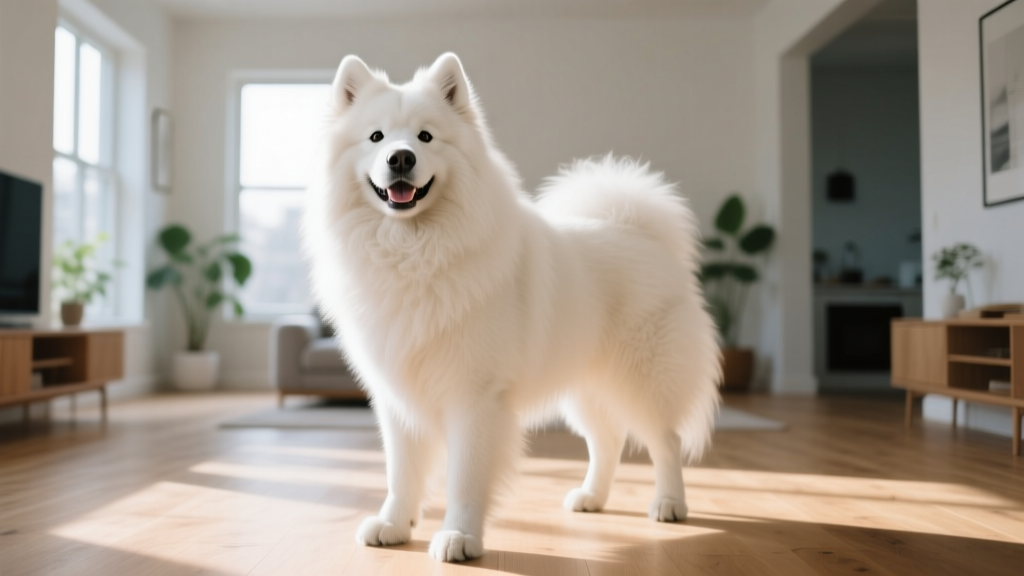
If you've fallen for the Samoyed's signature "Sammy smile" and cloud-white coat, you're not alone — this breed consistently ranks in the AKC's top 60 most popular dogs. But before you bring one home, understanding the real Samoyed price means looking far beyond the initial puppy purchase. From premium grooming tools to breed-specific health screening, owning a Samoyed is a financial commitment that surprises many first-time buyers.
This guide breaks down every cost layer — purchase price, monthly maintenance, veterinary care, grooming, and unexpected expenses — so you can budget accurately and decide whether this stunning spitz breed fits your household and your wallet.
| Attribute | Details |
|---|---|
| Size Class | Medium-to-Large (Spitz-type working dog) |
| Weight (Male) | 45–65 lb / 20–29 kg |
| Weight (Female) | 35–50 lb / 16–23 kg |
| Height (Male) | 21–23.5 inches / 53–60 cm |
| Height (Female) | 19–21 inches / 48–53 cm |
| Lifespan | 12–14 years |
| Coat Type | Double coat: dense, soft undercoat + harsh, straight outer coat |
| Colors | White, cream, biscuit (white with biscuit markings) |
| Energy Level | High — working breed heritage |
| AKC Group | Working Group |
Samoyed Origins: Siberian Sled Dogs With a Purpose
The Samoyed originates from the Siberian region of Russia, specifically bred by the Samoyedic peoples (Nenets) of northwestern Siberia. These nomadic reindeer herders developed the breed over centuries — likely 3,000+ years — for multiple working roles: pulling sleds, herding reindeer, guarding camps, and sleeping alongside children for warmth. Unlike many modern breeds refined purely for appearance, the Samoyed's physical traits directly reflect its working heritage.
The breed arrived in England in the late 1800s, with the first recorded import around 1889. Queen Alexandra became an early champion of the breed, which boosted its profile among British dog fanciers. The American Kennel Club recognized the Samoyed in 1906, and the Samoyed Club of America was founded in 1923. Today's Samoyed retains the working instincts, thick double coat, and famously upturned mouth corners (the "Sammy smile") that defined its Siberian ancestors.
Samoyed Puppy Price: What You'll Pay in 2026
The Samoyed price for a puppy varies significantly depending on breeder reputation, location, pedigree quality, and whether the puppy is sold as pet-quality or show/breeding-quality. Here's what the current market looks like:
| Source / Quality Level | Price Range (USD) | What's Included |
|---|---|---|
| AKC-registered breeder (pet quality) | $1,500 – $3,000 | Health testing, early socialization, limited registration |
| AKC-registered breeder (show quality) | $3,000 – $5,000 | Full registration, champion lineage, OFA certifications |
| Champion/import bloodlines | $4,000 – $6,500+ | International pedigrees, extensive genetic panels |
| Samoyed rescue/adoption | $200 – $600 | Spay/neuter, vaccinations, behavioral assessment |
| Unregistered/backyard breeder | $800 – $1,500 | Variable — often lacks health testing (not recommended) |
- No OFA (Orthopedic Foundation for Animals) hip or eye clearances on parent dogs
- Cannot provide pedigree documentation or AKC registration
- Puppies available year-round with no waiting list
- Price significantly below $1,200 from a claimed "registered" breeder
- No take-back or return clause in the purchase contract
Annual Cost of Samoyed Ownership: The Ongoing Price
The puppy price is just the entry fee. Here's a realistic annual budget breakdown for maintaining a Samoyed in good health and condition:
| Expense Category | Annual Cost (USD) | Notes |
|---|---|---|
| High-quality food (large breed formula) | $600 – $1,100 | 45–65 lb dog eats ~3–4 cups/day; brands like Orijen, Fromm, or Purina Pro Plan |
| Professional grooming | $800 – $2,400 | $70–$100 per session, every 4–8 weeks; blowouts cost more during shedding season |
| Routine veterinary care | $400 – $800 | Annual exams, vaccines (DHPP, rabies, bordetella), heartworm prevention, fecal tests |
| Preventive medications | $200 – $450 | Monthly heartworm (Heartgard Plus ~$85/yr), flea/tick (NexGard, Bravecto ~$150–$250/yr) |
| Pet insurance | $480 – $900 | $40–$75/month for accident+illness; varies by deductible and reimbursement level |
| Supplies & gear replacement | $150 – $400 | Beds, leashes, toys, grooming tools — Samoyeds destroy cheap beds quickly |
| Training classes | $150 – $500 | Group obedience ($150–$250) or private sessions ($75–$120/hour) |
| Total Estimated Annual Cost | $2,780 – $6,550 | First-year costs run 30–50% higher due to initial supplies, spay/neuter, puppy vaccines |
Temperament & Personality: What Living With a Samoyed Is Really Like
Samoyeds are not couch dogs who quietly admire you from across the room. Their temperament reflects centuries of close human partnership in extreme conditions. Here are the five core traits every prospective owner should understand:
1. Relentlessly Social and People-Oriented
Samoyeds were bred to sleep in tents with families. They want physical proximity to their humans at all times. A Samoyed left alone for 8+ hours daily will develop separation anxiety, destructive chewing, or excessive vocalization. If you work from home or have a household where someone is usually present, this breed thrives. If not, plan for doggy daycare ($25–$45/day) or a midday walker.
2. Vocal and Expressive
Samoyeds talk. They don't typically bark aggressively, but they "talk" — a distinctive range of grumbles, howls, woo-woos, and full-throated vocalizations when excited, bored, or alerting. Apartment dwellers should take this seriously: neighbors will notice. This is not a trait you can train away entirely; it's hardwired.
3. Playful and Mischievous Into Adulthood
Many Samoyeds retain puppy-like playfulness well past 3 years old. They love snow (obviously), water play, digging, and games of chase. They'll steal socks, raid unattended food, and figure out latch mechanisms on gates. This intelligence combined with mischief means puppy-proofing your home is non-negotiable.
4. Gentle With Family, Aloof With Strangers
While not aggressive, Samoyeds tend to be politely reserved with unfamiliar people rather than immediately friendly. They warm up quickly once they assess a situation as safe. Early socialization (exposure to 100+ people, surfaces, sounds, and environments before 16 weeks) shapes whether your Samoyed becomes a confident greeter or a nervous回避-er.
5. Strong Herding and Prey Instincts
Remember: these dogs herded reindeer. Your Samoyed may try to herd running children, nip at joggers' heels, or chase squirrels, cats, and small dogs. This instinct is manageable with training but never fully eliminated. Leash reactivity around small animals is common and requires consistent positive reinforcement training from puppyhood.
Exercise Requirements: How Much Activity a Samoyed Actually Needs
Samoyeds are working dogs, and their exercise needs reflect that heritage. Vague advice like "moderate daily walks" dramatically understates what this breed requires to stay physically and mentally healthy.
| Life Stage | Daily Exercise | Recommended Activities |
|---|---|---|
| Puppy (3–6 months) | 20–30 minutes, 2–3x/day | Short leash walks, free play in yard, basic training games. Avoid forced running on hard surfaces until growth plates close (~14–18 months). |
| Adolescent (6–18 months) | 45–60 minutes, 2x/day | Leash walks, recall practice in fenced areas, intro to canine sports (rally, nosework) |
| Adult (1.5–8 years) | 60–90+ minutes daily | Hiking, jogging (cool weather only), cart-pulling, agility, herding trials, dock diving, structured play |
| Senior (8+ years) | 30–45 minutes, 2x/day | Gentle walks, swimming (low-impact), scent work, short training sessions |
Health Issues: Breed-Specific Conditions and Screening Costs
Samoyeds are generally robust dogs, but like all purebreds, they carry predispositions to specific genetic conditions. Responsible breeders screen for these using OFA and genetic testing. Here are the conditions every Samoyed owner should know about:
| Condition | Description | Prevalence | Screening / Treatment Cost |
|---|---|---|---|
| Hip Dysplasia | Malformation of hip joint causing arthritis and pain | ~5–8% of Samoyeds (OFA data) | OFA hip x-rays: $150–$300; surgical correction (FHO/TPO): $2,500–$5,000 per hip |
| Progressive Retinal Atrophy (PRA) | Genetic retinal degeneration leading to blindness | ~2–4% (carrier rate higher) | OFA/CERF eye exam: $50–$100/year; no cure, manage environment |
| Samoyed Hereditary Glomerulopathy | Kidney disease specific to the breed; X-linked inheritance | Rare but breed-specific; males more severely affected | Genetic test: $150–$250; management with renal diet + medications: $100–$300/month |
| Hypothyroidism | Underactive thyroid causing weight gain, lethargy, coat changes | ~5–10% (common in spitz breeds) | Thyroid panel: $80–$150; daily levothyroxine: $15–$30/month for life |
| Diabetes Mellitus | Insulin deficiency or resistance; Samoyeds have elevated risk | Higher than breed average (~1 in 200) | Insulin + monitoring: $80–$200/month; initial stabilization: $500–$1,500 |
Consult your veterinarian about establishing a breed-appropriate screening schedule. The Orthopedic Foundation for Animals (OFA) recommends that Samoyed breeding stock have hip, eye, and thyroid clearances at minimum. For your pet dog, annual wellness exams should include thyroid checks starting at age 5.
- 8–16 weeks: DHPP vaccine series (3–4 doses), deworming, first vet exam
- 6 months: Spay/neuter (discuss timing with your vet — some recommend waiting until 12–18 months for large breeds)
- Annually: Wellness exam, DHPP/rabies boosters, heartworm test, fecal exam
- Age 2+: OFA hip x-rays (if not done by breeder), baseline thyroid panel
- Age 5+: Annual thyroid check, dental cleaning assessment, cardiac auscultation
- Age 8+: Bi-annual wellness exams, senior bloodwork panel, joint supplement evaluation
Grooming: The Samoyed Coat Care Reality
That magnificent white double coat is the single highest-maintenance aspect of Samoyed ownership — and the most underestimated by new owners. Here's what you're signing up for:
Brushing frequency: Minimum 3–4 times per week for 20–30 minutes per session. During the twice-yearly "coat blow" (heavy shedding periods, typically spring and fall), daily brushing for 30–45 minutes is necessary to prevent matting and remove dead undercoat.
Professional grooming: Every 4–8 weeks for a bath, blowout (high-velocity dryer removes loose undercoat), nail trim, and sanitary trim. Expect to pay $70–$120 per session, with blowout appointments costing more during heavy shed seasons.
Essential grooming tools (startup cost: $150–$300):
- Undercoat rake — Chris Christensen Big G or similar ($40–$65): removes dead undercoat without damaging topcoat
- Slicker brush — Chris Christensen Original Series or Buttercomb ($30–$50): daily maintenance
- Greyhound comb / metal comb ($15–$25): checks for remaining mats after brushing
- High-velocity dryer — B-Air or MetroVac ($120–$250): essential for home blowouts; saves $400+/year in grooming fees
- De-shedding shampoo + conditioner — Earthbath or Isle of Dogs ($15–$30 per bottle)
Never shave a Samoyed. The double coat provides insulation, UV protection, and skin moisture regulation. Shaving can permanently damage coat regrowth (post-clipping alopecia) and actually makes your dog hotter in summer by removing the insulating air layer.
Training & Intelligence: Working With a Smart, Independent Thinker
Samoyeds rank as above-average in working intelligence but are notably independent thinkers — a trait inherited from their history of making decisions while herding reindeer across vast Siberian landscapes. They're not "biddable" in the way a Border Collie or Golden Retriever is. Expect:
Trainability rating: 7/10 — capable of learning complex commands, but motivation-dependent. They'll work with you, not for you.
Recommended training methods:
- Positive reinforcement only — high-value treats (freeze-dried liver, chicken), toy rewards, praise. Samoyeds shut down under harsh corrections or dominance-based methods.
- Short, varied sessions — 10–15 minutes maximum, 2–3x/day. They bore easily with repetition.
- Early socialization window is critical — enroll in puppy kindergarten by 10–12 weeks (after first DHPP). Aim for exposure to 100+ novel stimuli before 16 weeks.
- Recall training priority — Samoyeds have high prey drive and will chase. Practice recall in fenced areas with long-line (15–30 ft) before ever trusting off-leash. Many owners use GPS trackers (Whistle, Fi Series 3 — $100–$150) as backup.
Never use shock collars, prong collars, or alpha roll techniques with a Samoyed. These methods damage the trust-based relationship this breed requires and often escalate fear-based reactivity. Force-free, LIMA (Least Intrusive, Minimally Aversive) methods produce far better long-term results.
Family Suitability: Kids, Pets, and Living Arrangements
With children: Samoyeds are excellent family dogs — patient, playful, and sturdy enough to handle supervised interactions with kids ages 5+. However, their herding instinct means they may nip at running children's heels or try to "herd" toddlers. Teach children to respect the dog's space (no ear-pulling, no disturbing while eating or sleeping), and always supervise interactions with kids under 8.
With other dogs: Generally very good. Samoyeds are pack-oriented and usually enjoy canine company. Same-sex aggression can occasionally occur in intact males — neutering reduces this risk. Introduce new dogs gradually on neutral territory.
With cats and small pets: Variable. Samoyeds raised with cats from puppyhood often coexist peacefully, but the prey drive is real. Never leave a Samoyed unsupervised with rabbits, guinea pigs, or birds. Cat introductions require patience: use baby gates, scent swapping, and reward calm behavior over 2–4 weeks minimum.
Apartment living: Possible but challenging. The vocalization tendency and high exercise needs make apartments suboptimal. If you're committed to apartment life with a Samoyed, you'll need: reliable access to outdoor exercise space, a white noise machine for neighbors, and a strict 60+ minute daily exercise routine. A house with a securely fenced yard (minimum 5-foot fence — Samoyeds can jump) is strongly preferred.
✅ Samoyed Pros
- Extremely affectionate and family-bonded
- Gentle and patient with children
- Hypoallergenic-friendly coat (low dander — not truly hypoallergenic)
- Hardy in cold climates; loves snow
- Long lifespan for a large breed (12–14 years)
- Versatile: excels in agility, carting, therapy work
❌ Samoyed Cons
- Heavy shedding year-round; extreme during coat blows
- High grooming costs ($800–$2,400/year professional)
- Vocal breed — not ideal for apartments or close neighbors
- Strong prey drive; not trustworthy off-leash
- Prone to separation anxiety if left alone too long
- High purchase price ($1,500–$6,500+)
Is the Samoyed Right for First-Time Owners?
Honestly? It depends on your commitment level. Samoyeds are not the easiest first-dog breed — their grooming demands, exercise needs, vocalization, and independent streak require more management than, say, a Cavalier King Charles Spaniel or a Labrador Retriever. However, a well-prepared first-time owner who has researched the breed thoroughly, budgeted for grooming, and committed to positive reinforcement training can absolutely succeed with a Samoyed.
First-time owner success checklist:
- You've budgeted for professional grooming every 4–8 weeks
- You can provide 60+ minutes of daily exercise, rain or shine
- You're home most of the day or have arranged midday care
- You've enrolled in puppy training classes before bringing your dog home
- You understand and accept heavy shedding as a permanent reality
- You've read breed-specific resources like the Samoyed Club of America education materials
Samoyed Price FAQ: Your Questions Answered
Why are Samoyeds so expensive compared to other breeds?
Samoyeds carry higher prices due to several factors: small litter sizes (average 4–6 puppies), extensive health testing requirements for responsible breeders (OFA hips, eyes, genetic panels cost $500–$1,000+ per breeding pair), high prenatal and whelping care costs, and strong demand relative to supply. Reputable breeders invest $2,000–$5,000 per litter before a single puppy is sold.
Is pet insurance worth it for a Samoyed?
For most Samoyed owners, yes. Given the breed's predisposition to hip dysplasia, diabetes, and kidney disease — conditions that can cost $2,000–$10,000+ to treat — insurance provides financial protection. Look for policies with no breed-specific exclusions, annual limits of $10,000+, and reimbursement rates of 80–90%. Companies like Trupanion, Healthy Paws, and Lemonade offer competitive Samoyed rates ($40–$75/month).
How much does Samoyed grooming cost if I do it myself?
DIY grooming can save $500–$1,500 per year, but requires a significant time investment (3–5 hours/week) and quality tools ($250–$400 startup). You'll need a high-velocity dryer, undercoat rake, slicker brush, and bathing setup. Most owners do a hybrid approach: home brushing 3–4x/week plus professional baths/blowouts every 6–8 weeks ($600–$1,200/year).
Can I find a Samoyed for under $1,000?
From a responsible breeder, it's very unlikely. Priced below $1,200 usually indicates missing health testing, poor breeding conditions, or puppy mill sourcing. Your best option for a lower-cost Samoyed is breed-specific rescue: Samoyed Rescue Alliance and regional rescues place dogs for $200–$600, which typically includes spay/neuter, vaccinations, and a behavioral evaluation.
Do Samoyeds shed more than Huskies?
Comparable, but Samoyeds often produce more visible shedding because their white coat shows on every surface, clothing, and piece of furniture. Both breeds "blow coat" twice yearly, but Samoyed undercoat is particularly dense and cottony. A Husky's darker coat may shed equally but is less visually obvious on light-colored furnishings.
What's the total 10-year cost of owning a Samoyed?
Factoring in puppy price ($2,500 average), annual care ($3,500 average × 12 years), and emergency veterinary reserves ($2,000–$5,000), the total lifetime cost of a Samoyed typically ranges from $40,000 to $70,000+. This doesn't include optional expenses like doggy daycare, boarding, or canine sports competition fees.
Disclaimer: This article provides general breed information and cost estimates based on 2026 market data. Individual prices vary by region, breeder, and specific dog. Always consult your veterinarian for personalized health advice and screening recommendations for your Samoyed. If you suspect your dog has ingested a toxic substance, contact the ASPCA Animal Poison Control Center at (888) 426-4435 (24/7, consultation fee applies).
Beth Carrasco
All our authors care for dogs every day — read more of their work on the authors page.


