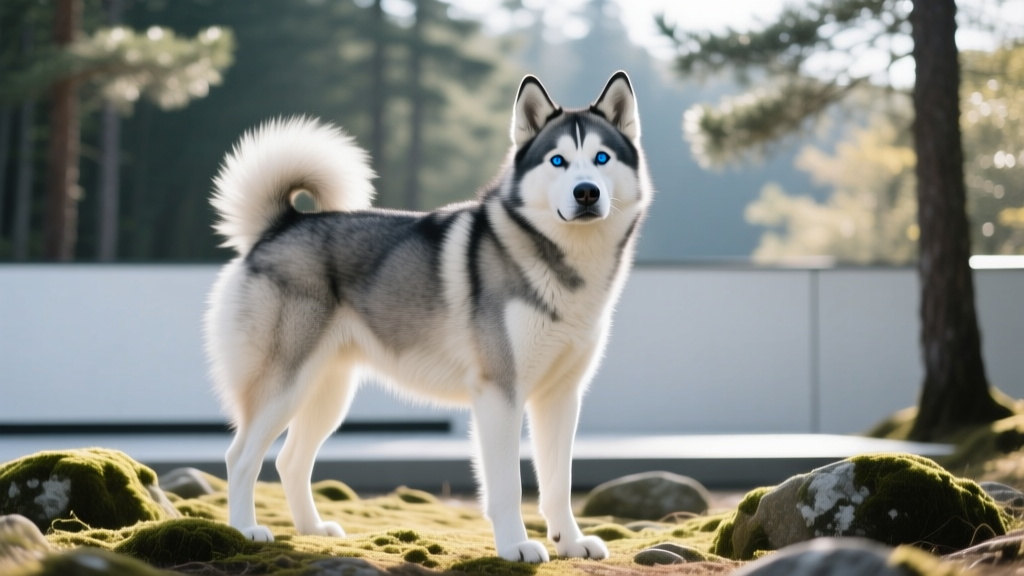
White Belgian Malinois: Complete Breed Guide for Prospective Owners
the white Belgian Malinois: temperament, exercise needs, health risks, training tips, and real ownership costs for this striking working breed.

What Is a White Belgian Malinois?
The white Belgian Malinois is not a separate breed — it is a color variation of the Belgian Malinois (Chien de Berger Belge Malinois), one of four Belgian Shepherd varieties recognized by the Fédération Cynologique Internationale (FCI). The white coat results from recessive gene expression and is considered a fault in most conformation show rings, including those governed by the American Kennel Club. However, white Malinois are fully purebred, carry the same working-drive genetics as their fawn-mahogany counterparts, and are increasingly sought after by experienced handlers who value the striking appearance alongside the breed's legendary work ethic.
Originating in the Malines (Mechelen) region of Belgium in the late 1800s, the Belgian Malinois was developed as an all-purpose herding and farm dog. By the early 20th century, the breed had been adopted for police, military, and protection work across Europe and later the United States. Today, the Malinois is the preferred breed for elite military units including the U.S. Navy SEALs and Belgian Special Forces. The white variety shares this exact lineage — the coat color is purely cosmetic and has no bearing on temperament, drive, or working ability.
Size class: Large
Lifespan range: 12–16 years (median 14 years, per breed health surveys)
| Attribute | Details |
|---|---|
| Weight (Male) | 60–80 lb / 27–36 kg |
| Weight (Female) | 40–60 lb / 18–27 kg |
| Height (Male) | 24–26 inches / 61–66 cm |
| Height (Female) | 22–24 inches / 56–61 cm |
| Coat Type | Short, straight, dense double coat; white/cream coloration |
| Energy Level | Very high (working-drive breed) |
| Grooming | Moderate — weekly brushing, seasonal heavy shedding |
| Trainability | Exceptionally high — rated 5/5 |
| Family Fit | Experienced owners only; not ideal for young children or novice households |
| Apartment Friendly | Not recommended — requires significant space and outlet |
Temperament & Personality: What Living With a White Malinois Is Really Like
The white Belgian Malinois carries the same intense, driven temperament as any other color variant. If you've ever watched a Malinois track a scent, launch off a wall, or lock eyes with a handler waiting for the next command — that's the energy you're signing up for. Here are the core traits you'll encounter daily:
1. Relentless work drive. A Malinois doesn't "hang out" — they look for a job. Without structured tasks (obedience drills, scent work, agility, bite sport, or herding), they will invent their own jobs, which often means destroying furniture, digging through drywall, or obsessively shadowing family members. Owners report needing to provide at least two structured "job sessions" per day beyond physical exercise.
2. Handler-focused bonding. Malinois typically form an intense attachment to one primary handler. They are not the type to greet every visitor with equal enthusiasm. This bond is what makes them extraordinary working partners, but it also means they can develop separation anxiety if left alone for extended periods without conditioning. Crate training from puppyhood and gradual alone-time desensitization are non-negotiable.
3. High prey drive and reactivity. Squirrels, cats, joggers, bicycles — anything that moves quickly can trigger a Malinois's chase instinct. This is not aggression; it is hardwired predatory motor sequence behavior. Leash reactivity is common without early and consistent counter-conditioning and desensitization work using positive reinforcement methods.
4. Environmental sensitivity. Despite their physical toughness, Malinois are mentally sensitive dogs. Harsh corrections, yelling, or inconsistent rules cause them to shut down or develop neurotic behaviors. They thrive under clear, calm, predictable leadership with reward-based training.
5. Alertness and wariness with strangers. A well-socialized white Malinois will be polite but reserved with new people. They are natural watchdogs and will alert bark at unusual sounds or approaching visitors. Early socialization (before 16 weeks) to diverse people, environments, surfaces, and sounds is critical to prevent fear-based reactivity later.
Physical Characteristics of the White Belgian Malinois
The white Malinois is structurally identical to the standard fawn-mahogany variety. They are athletic, square-proportioned dogs built for endurance and speed rather than brute force. Expect a lean, muscular frame with a deep chest, tucked abdomen, and an alert, pricked-ear expression.
Weight range: Males 60–80 lb (27–36 kg); Females 40–60 lb (18–27 kg)
Height range: Males 24–26 inches (61–66 cm) at the withers; Females 22–24 inches (56–61 cm)
Coat: Short, straight, harsh outer coat approximately 1 inch in length, with a dense undercoat. The white coloration ranges from pure snow-white to a warm cream or ivory. Some white Malinois may show faint fawn shading on the ears or back.
One practical note about the white coat: it shows dirt, mud, and tear staining more readily than darker colors. Owners in wet or dusty climates should expect more frequent bathing. Additionally, white-coated dogs with pink skin may be more susceptible to sunburn on the nose, ear tips, and belly — apply dog-safe sunscreen (zinc oxide-free formulations like Epi-Pet or Warren London dog sunscreen) during prolonged outdoor exposure.
Exercise & Activity Requirements
This is where most prospective owners underestimate the breed. A Belgian Malinois — white or otherwise — is not satisfied with a 30-minute walk. These dogs were bred to work 12-hour days herding sheep and later to patrol military compounds. Their physical and mental stamina is extraordinary.
| Activity Type | Duration | Frequency | Examples |
|---|---|---|---|
| High-intensity aerobic | 45–60 minutes | Daily | Running alongside a bike, flirt pole sessions, off-leash fetch in secured areas |
| Structured training/work | 30–45 minutes | Daily (2 sessions ideal) | Obedience drills, scent detection, agility courses, protection sport, herding |
| Mental enrichment | 20–30 minutes | Daily | Puzzle feeders, frozen Kongs, hide-and-seek, novel environment walks |
| Decompression/free time | 30+ minutes | Daily | Sniffari walks on long line, supervised yard time, calm settling practice |
Total minimum daily commitment: 2–3 hours of combined physical and mental activity.
If you work 10-hour days away from home and cannot arrange midday exercise, this breed is not a realistic fit. Under-exercised Malinois are the number one source of breed surrenders to rescues — they develop destructive behaviors, excessive barking, compulsive spinning or tail-chasing, and redirected biting out of sheer frustration.
Common Health Issues in the White Belgian Malinois
The Belgian Malinois is generally a robust, athletic breed, but like all purebred dogs, they carry predispositions to specific conditions. The white coat color itself does not introduce additional health risks (unlike some merle or piebald patterns in other breeds), but responsible breeders should screen for the following:
| Condition | Prevalence | Typical Onset | Management |
|---|---|---|---|
| Hip Dysplasia | ~6–8% (OFA data) | 6–18 months or later in life | Weight management, joint supplements, surgical intervention in severe cases |
| Elbow Dysplasia | ~4–6% | 4–10 months | Early detection via X-ray, surgical correction, activity modification |
| Progressive Retinal Atrophy (PRA) | ~2–4% | 3–9 years | No cure; DNA testing available for breeding stock |
| Hemangiosarcoma | Higher than breed average per Merck Veterinary Manual | 8–12 years | Surgical removal if caught early; prognosis generally poor |
| Degenerative Myelopathy (DM) | Carrier rate ~10–15% | 8+ years | No cure; DNA test identifies carriers; progressive hind-limb weakness |
Important: Always consult your veterinarian for breed-appropriate screening. Ask your breeder for OFA (Orthopedic Foundation for Animals) hip and elbow clearances, CERF eye exams, and DM DNA test results for both parents. A responsible breeder will provide these without being asked.
- Sudden lameness or reluctance to jump/climb stairs (possible hip/elbow issue)
- Progressive hind-leg weakness or dragging of rear paws (possible DM)
- Night blindness, bumping into furniture, dilated pupils (possible PRA)
- Unexplained weight loss, abdominal swelling, or collapse (possible hemangiosarcoma — this is an emergency)
Training, Intelligence & Recommended Methods
The Belgian Malinois ranks among the most trainable breeds in existence. They learn new commands in fewer than 5 repetitions (compared to 25–40 for average breeds) and retain obedience skills with minimal reinforcement once learned. This intelligence, however, is a double-edged sword: they learn bad habits just as quickly as good ones.
Trainability rating: 5/5 — Exceptional
Recommended training approach: Positive reinforcement (reward-based) and LIMA (Least Intrusive, Minimally Aversive) methods only. Malinois respond to food rewards, toy rewards (tug is a powerful motivator for this breed), and praise. They do not tolerate heavy-handed corrections — prong collars, shock collars, and alpha rolls are counterproductive and can damage the handler-dog bond or trigger fear-based aggression.
Training milestones to aim for:
- 8–16 weeks: House training, crate conditioning, name recognition, basic sit/down/recall, bite inhibition, socialization to 100+ novel stimuli
- 4–6 months: Loose-leash walking foundations, duration stays, impulse control exercises ("leave it," "wait"), intro to handling/grooming
- 6–12 months: Reliable recall with distractions, advanced obedience, intro to dog sports (agility, nose work, IGP foundations)
- 12+ months: Sport-specific training, therapy/certification prep, advanced scent detection, off-leash reliability in controlled environments
Professional training investment is highly recommended for first-time Malinois owners. Expect to spend $800–$2,500 on group classes and private sessions in the first year. Look for trainers certified through CCPDT (Certification Council for Professional Dog Trainers) or IAABC (International Association of Animal Behavior Consultants).
Grooming Requirements
The white Malinois's short double coat is relatively low-maintenance compared to long-coated breeds, but "low-maintenance" does not mean "no-maintenance."
- Brushing: 2–3 times per week with a slicker brush or rubber grooming mitt (Kong ZoomGroom works well). During spring and fall shedding seasons (they "blow coat" twice yearly), daily brushing with an undercoat rake is necessary to manage the volume of loose fur.
- Bathing: Every 4–8 weeks, or as needed. White coats may require more frequent baths. Use a whitening shampoo (e.g., Chris Christensen White on White) to prevent yellowing. Avoid over-bathing, which strips natural oils and causes dry skin.
- Nail trimming: Every 2–3 weeks. Active Malinois may naturally wear nails down on concrete, but dewclaws always need manual trimming.
- Ear cleaning: Weekly inspection; clean with a vet-approved ear cleanser (Epi-Otic Advanced) if debris accumulates. Their erect ears have good airflow, reducing infection risk compared to floppy-eared breeds.
- Dental care: Daily tooth brushing with enzymatic dog toothpaste (CET brand) or at minimum 3x/week. Dental disease affects over 80% of dogs by age 3 per the AVMA.
Family Suitability: Kids, Other Pets & Living Situations
- Deeply loyal and protective of family members
- Can coexist peacefully with children they are raised alongside (best with ages 10+)
- Highly trainable for household rules and boundaries
- Excellent watchdog — alert without being nuisance barkers when properly exercised
- Thrives in active, outdoor-oriented families
- Herding instinct may cause nipping at running children or smaller pets
- High prey drive makes cat/small dog cohabitation risky without extensive conditioning
- Not suitable for apartments — needs yard access and space to move
- Requires 2–3 hours daily activity — incompatible with sedentary lifestyles
- Separation anxiety risk if left alone 8+ hours regularly
With children: A well-socialized white Malinois raised with respectful children (ages 10 and up who understand not to grab ears or tails) can be a wonderful family companion. They are not recommended for households with toddlers — the breed's size, speed, and mouthiness create accidental injury risk. Always supervise interactions.
With other pets: Same-species dog cohabitation works best when the Malinois is raised with the other dog from puppyhood or introduced carefully through neutral-territory meetings. Cats and small animals (rabbits, chickens) are at risk due to prey drive. Some Malinois can learn to coexist with household cats through careful counter-conditioning, but this is never guaranteed.
Apartment living: Not recommended. Even with dedicated exercise routines, the Malinois's need for space, tendency to vocalize at hallway noises, and high energy output make them poorly suited to apartment life. A house with a securely fenced yard (6-foot fence minimum — Malinois are exceptional jumpers and climbers) is strongly preferred.
Cost of Ownership: Purchase Price & Annual Expenses
The white Belgian Malinois is not a common color, which can affect both pricing and availability. Because white is a disqualifying fault in AKC conformation, most white puppies come from working-line or pet-line breeders rather than show-line programs.
Puppy purchase price: $1,500–$3,500 from a health-tested, reputable breeder. Working-line puppies from titled parents (IGP3, KNPV, or French Ring certifications) can command $3,000–$5,000+. Avoid breeders charging premium prices specifically for the white color — this often signals a backyard breeder capitalizing on rarity rather than prioritizing health and temperament.
First-year total cost estimate:
| Expense Category | Estimated Cost (USD) |
|---|---|
| Puppy purchase | $1,500–$3,500 |
| Veterinary (vaccines, spay/neuter, wellness exams) | $600–$1,200 |
| Food (high-performance kibble, e.g., Purina Pro Plan Sport or Royal Canin Working Dog) | $600–$900 |
| Training (group classes + private sessions) | $800–$2,500 |
| Supplies (crate, leash, harness, toys, grooming tools) | $300–$600 |
| Pet insurance (recommended — e.g., Trupanion, Healthy Paws) | $500–$900 |
| Emergency fund reserve | $500–$1,000 |
| Total first year | $4,800–$10,600 |
Ongoing annual cost (years 2+): $2,500–$4,500 per year, including food, routine veterinary care, insurance, training continuation, and gear replacement.
Is a White Belgian Malinois Right for You?
The white Belgian Malinois is not a breed you choose for aesthetics alone. If the color drew you in, make sure the lifestyle requirements keep you committed. This dog demands an owner who views training as a daily practice, not a phase; who enjoys outdoor activity as much as the dog does; and who has the patience to manage a sensitive, intense animal through the challenging adolescent period (6–18 months).
If you are a first-time dog owner, consider starting with a less driven breed and working your way up. If you have experience with working breeds — German Shepherds, Border Collies, Dutch Shepherds — and are prepared for the Malinois's next-level intensity, the white variety offers the same extraordinary partnership in a visually striking package.
Whether you purchase from a breeder or adopt through a breed-specific rescue (the AKC lists affiliated rescue networks), prioritize health testing and temperament evaluation over coat color. A well-bred Malinois of any color is a life-changing companion; a poorly bred one is a management challenge that can last 14 years.
Frequently Asked Questions
Is the white Belgian Malinois right for first-time owners?
Generally, no. The Malinois's intensity, exercise requirements, sensitivity, and potential for behavioral problems without proper management make them a poor match for novice owners. If a first-time owner is set on the breed, investing heavily in professional training support (minimum $2,000 in the first year) and joining a Malinois mentorship community is essential.
How much exercise does a white Belgian Malinois need daily?
A minimum of 2–3 hours of combined physical exercise and mental stimulation per day. This should include 45–60 minutes of high-intensity aerobic activity, 30–45 minutes of structured training, and 20–30 minutes of enrichment (puzzle toys, scent work, novel environments).
What health problems is the white Belgian Malinois prone to?
Key conditions include hip dysplasia (~6–8% prevalence), elbow dysplasia (~4–6%), progressive retinal atrophy (~2–4%), hemangiosarcoma (elevated breed risk), and degenerative myelopathy (carrier rate ~10–15%). The white coat color does not add specific health risks. Always request OFA and DNA test clearances from breeders.
How big does a white Belgian Malinois get?
Adult males typically weigh 60–80 lb (27–36 kg) and stand 24–26 inches (61–66 cm) tall. Females weigh 40–60 lb (18–27 kg) and stand 22–24 inches (56–61 cm). They reach near-full size by 12–14 months but continue filling out musically until 2–3 years of age.
Is the white Belgian Malinois good with children and other pets?
They can coexist well with respectful children aged 10+ they are raised alongside, but are not recommended for homes with toddlers due to size and mouthiness. Their high prey drive makes cat and small-pet cohabitation risky. Same-household dogs of similar size can work with proper introduction and management.
How much does a white Belgian Malinois cost to buy and maintain?
Expect to pay $1,500–$3,500 for a puppy from a reputable breeder (working-line puppies from titled parents may cost $3,000–$5,000+). First-year total ownership costs range from $4,800–$10,600 including veterinary care, food, training, supplies, and insurance. Ongoing annual costs are $2,500–$4,500.
Robin Maitland
All our authors care for dogs every day — read more of their work on the authors page.