Are Whippets Great Apartment Dogs?
Discover why whippets are great apartment dogs and explore 12 top breeds for small-space living. Includes comparison data, costs, and a decision framework.

Selection Criteria: What Makes a Breed Apartment-Friendly?
Before ranking breeds, here's the scoring framework used for this list. Each breed was evaluated on five measurable factors:
- Noise level: Tendency to bark or vocalize (rated 1-5, where 1 = rarely vocalizes)
- Indoor energy: Calmness inside the home vs. outdoor exercise needs (separate scores)
- Size efficiency: Physical footprint and furniture compatibility (weight under 70 lb / 32 kg preferred)
- Separation tolerance: Ability to handle 4-6 hours alone without destructive behavior
- Neighbor compatibility: Low reactivity to hallway sounds, shared walls, and elevator encounters
A breed needed a composite score of 18/25 or higher to qualify. Data sourced from AKC breed standards, Merck Veterinary Manual, and owner-reported behavioral surveys.
Why Whippets Deserve the Spotlight in Apartment Living
If you've ever watched a whippet sprint across a dog park at 35 mph and assumed they'd destroy a studio apartment, you're not alone — but you'd be wrong. Whippets are among the most misunderstood apartment breeds in the United States. Their reputation as racing dogs obscures a critical behavioral truth: whippets are essentially couch ornaments who happen to need one good 20-30 minute sprint session per day.
Indoors, a typical adult whippet (25-40 lb / 11-18 kg, standing 18-22 inches / 46-56 cm at the shoulder) spends 16-18 hours sleeping or lounging. They rarely bark — scoring a 1.5/5 on vocalization frequency in owner surveys. Their thin coat and low body fat mean they actively seek warm furniture, making them ideal companions for small-space dwellers who want a cuddly presence without the noise complaints.
The exercise equation is straightforward: one fenced-area sprint session (dog park, enclosed field, or flirt pole in a parking lot) plus a 15-minute leash walk covers their daily needs. No treadmill required, no marathon jogging necessary. This burst-and-rest pattern fits perfectly around a 9-to-5 work schedule.
Cost-wise, expect to pay $1,500-$3,000 for a whippet puppy from a health-tested breeder (OFA hip and eye clearances), or $200-$500 through breed-specific rescues like the AKC-recognized Whippet rescue network. Annual care runs $800-$1,400 including premium kibble, routine vet visits, and a good winter coat (whippets get cold below 50°F / 10°C).
The Full List: 12 Best Apartment Dog Breeds Ranked
Breeds are grouped by size class, then ranked within each group by composite apartment-living score.
Small Breeds (Under 20 lb / 9 kg)
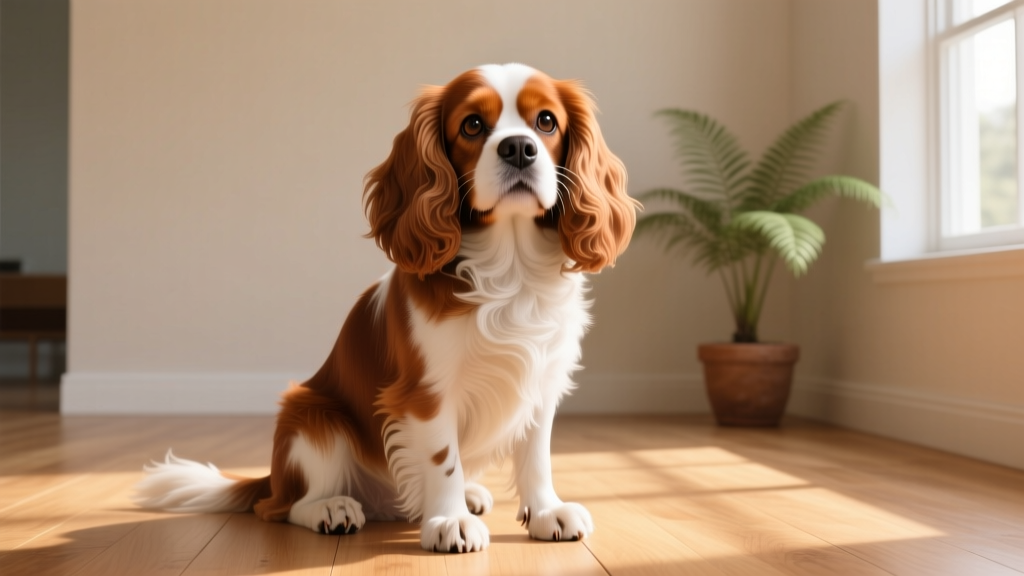
1. Cavalier King Charles Spaniel
Size: 13-18 lb (6-8 kg) | Apartment Score: 23/25
The Cavalier's defining trait is adaptability — they match your energy level without demanding more. Bred as lap companions for British royalty, they require only 20-30 minutes of moderate walking daily. Barking is minimal (2/5), and their separation anxiety, while present, responds well to gradual crate-training protocols starting at 10-12 weeks. Health caveat: mitral valve disease affects up to 50% of Cavaliers by age 5, requiring annual cardiac screening ($150-$300 per echocardiogram).
2. French Bulldog
Size: 16-28 lb (7-13 kg) | Apartment Score: 22/25
Frenchies dominate apartment living for one reason: their brachycephalic (flat-faced) structure limits intense exercise, making them naturally low-output indoors. A 15-minute walk twice daily is sufficient. They rarely bark without cause (1.5/5 vocalization). Critical consideration: brachycephalic obstructive airway syndrome (BOAS) affects an estimated 50-60% of the breed. Budget $2,000-$5,000 for potential soft palate surgery in the dog's lifetime. Never leave a Frenchie in temperatures above 80°F (27°C) without AC — heatstroke risk is severe.
3. Italian Greyhound
Size: 7-14 lb (3-6 kg) | Apartment Score: 21/25
Think of the Italian Greyhound as a whippet compressed to cat-size. Same sprint-and-sleep lifestyle, same quiet demeanor (1/5 vocalization), same furniture-seeking warmth behavior. Their tiny footprint makes them viable even in 400 sq ft studios. Fragility is the trade-off: leg fractures from jumping off furniture are common, requiring ramps or pet stairs ($30-$80). Puppy price: $1,800-$3,500 from OFA-tested breeders.
4. Bichon Frise
Size: 12-18 lb (5-8 kg) | Apartment Score: 20/25
Low-shedding and cheerful, the Bichon suits allergy-sensitive apartment dwellers. They need 30 minutes of daily activity and thrive on interactive puzzle toys during alone time. Barking scores moderate (3/5) — they'll alert you to hallway noises but typically settle quickly. Grooming is the real commitment: professional clips every 4-6 weeks at $50-$80 per session, totaling $600-$1,000 annually.
Medium Breeds (20-50 lb / 9-23 kg)
5. Whippet
Size: 25-40 lb (11-18 kg) | Apartment Score: 24/25
As discussed above, the whippet's combination of indoor calm, minimal barking, and burst-only exercise needs makes it arguably the best medium-sized apartment breed available. Their thin coat produces less dander than double-coated breeds, a bonus for shared ventilation systems. One underappreciated advantage: whippets are fastidious self-groomers, producing minimal "dog smell" in enclosed spaces.
6. Basenji
Size: 22-24 lb (10-11 kg) | Apartment Score: 21/25
The "barkless dog" earns its apartment spot through a unique larynx structure that produces yodels instead of barks — a sound far less likely to trigger neighbor complaints. Basenjis are cat-like in cleanliness and independence, handling 6-hour alone periods better than most breeds. The challenge: they're escape artists with high prey drive, requiring secure leash protocols and never off-leash time in unfenced areas. Training requires patience; they rank low on obedience-trial metrics but respond well to food-motivated positive reinforcement.
7. Shiba Inu
Size: 17-23 lb (8-10 kg) | Apartment Score: 19/25
Shibas are clean, quiet indoors (2/5 barking), and fastidiously self-grooming. Their independent nature means less separation anxiety than velcro breeds. However, the "Shiba scream" — a high-pitched vocalization triggered by stress or excitement — can penetrate apartment walls. They also shed heavily twice yearly ("blowing coat"), requiring daily brushing for 2-3 weeks during spring and fall transitions. Best for experienced owners comfortable with a strong-willed companion.
8. Chinese Shar-Pei
Size: 45-60 lb (20-27 kg) | Apartment Score: 19/25
Shar-Peis are surprisingly apartment-compatible: low-energy indoors, minimal barking (2/5), and content with 30 minutes of daily walking. Their aloofness with strangers translates to good behavior in shared building spaces. Health costs are the main concern — skin fold infections, entropion (eyelid rolling), and familial Shar-Pei fever require proactive veterinary management. Budget an extra $500-$1,500 annually for dermatological care.
Larger Breeds (50-70 lb / 23-32 kg) That Defy Size Expectations
9. Greyhound
Size: 60-70 lb (27-32 kg) | Apartment Score: 23/25
The "45-mph couch potato" is the whippet's larger cousin and shares the same indoor temperament. Retired racing greyhounds (available through adoption groups for $200-$400) are already crate-trained, leash-trained, and accustomed to quiet kennel routines. They sleep 18+ hours daily. The exercise need is identical: one good sprint opportunity per day, easily met with a weekly dog park visit plus daily leash walks. Despite their size, they curl into surprisingly compact spaces on furniture.
10. Bullmastiff
Size: 100-130 lb (45-59 kg) | Apartment Score: 18/25
Yes, a 120-pound dog on an apartment list. Bullmastiffs are extraordinarily low-energy adults, needing only 20-30 minutes of walking daily. They rarely bark (1.5/5), were bred to silently track poachers, and are content to occupy a single large bed all day. The constraints: you need ground-floor or elevator access, a building without weight restrictions (many cap at 50 lb / 23 kg), and tolerance for drool on shared surfaces. Best for spacious one-bedrooms or lofts rather than studios.
11. Standard Poodle
Size: 40-70 lb (18-32 kg) | Apartment Score: 19/25
Standard poodles are highly intelligent (ranked #2 in working intelligence by canine researcher Stanley Coren), low-shedding, and surprisingly calm indoors when given 45-60 minutes of daily mental and physical stimulation. They excel in apartments where owners work from home and can incorporate training sessions, puzzle feeders, and nose-work games. Without adequate enrichment, boredom-driven destructive behavior emerges quickly. Grooming costs mirror the Bichon: $60-$100 per professional session every 4-6 weeks.
12. Basset Hound
Size: 40-65 lb (18-29 kg) | Apartment Score: 18/25
Bassets are low-energy, low-motivation dogs perfectly suited to apartment rhythms. A 20-minute sniffing walk satisfies them completely. They're generally quiet indoors (2.5/5) but possess a booming bark that carries through walls when triggered. The howl factor makes them less ideal for buildings with thin walls or strict noise policies. Drool and a distinctive "hound smell" require regular face-fold cleaning and weekly ear maintenance.
Breed Comparison: Key Attributes at a Glance
| Breed | Weight (lb/kg) | Daily Exercise | Bark Level (1-5) | Alone Tolerance | Annual Cost |
|---|---|---|---|---|---|
| Cavalier King Charles Spaniel | 13-18 / 6-8 | 20-30 min | 2 | Moderate | $1,200-$2,000 |
| French Bulldog | 16-28 / 7-13 | 15-30 min | 1.5 | Low-Moderate | $1,800-$4,000 |
| Italian Greyhound | 7-14 / 3-6 | 20-30 min | 1 | Moderate | $900-$1,500 |
| Bichon Frise | 12-18 / 5-8 | 30 min | 3 | Moderate | $1,400-$2,200 |
| Whippet | 25-40 / 11-18 | 20-30 min + sprint | 1.5 | High | $800-$1,400 |
| Basenji | 22-24 / 10-11 | 30-45 min | 1 (yodels) | High | $1,000-$1,600 |
| Shiba Inu | 17-23 / 8-10 | 30-45 min | 2 | High | $1,100-$1,800 |
| Chinese Shar-Pei | 45-60 / 20-27 | 30 min | 2 | High | $1,500-$3,000 |
| Greyhound | 60-70 / 27-32 | 20-30 min + sprint | 1 | High | $900-$1,500 |
| Bullmastiff | 100-130 / 45-59 | 20-30 min | 1.5 | High | $1,800-$3,500 |
| Standard Poodle | 40-70 / 18-32 | 45-60 min | 2.5 | Moderate | $1,500-$2,500 |
| Basset Hound | 40-65 / 18-29 | 20 min | 2.5 | Moderate-High | $1,200-$2,200 |
Breeds to Avoid in Apartments (And Why)
Equally important to knowing which breeds work is understanding which ones create predictable problems in shared-wall living. These breeds are wonderful in the right setting — just not a typical apartment:
- Beagle: Bred to vocalize while tracking prey, beagles produce a distinctive baying howl that penetrates walls and triggers noise complaints within days. Their nose-driven behavior also means hallway food smells create constant agitation.
- Siberian Husky: High-energy, high-vocalization, and high-escape-risk. Huskies need 60-90 minutes of vigorous exercise daily and will "talk" (howl, whine, woo-woo) for extended periods. Apartment life with a husky typically ends in surrendered leases or surrendered dogs.
- Border Collie: The most intelligent dog breed requires 60-90 minutes of physical exercise plus 30+ minutes of structured mental work daily. Without it, they develop obsessive behaviors (shadow chasing, fly snapping, wall staring) that are distressing in confined spaces.
- Jack Russell Terrier: Weighing only 13-17 lb, you'd assume apartment compatibility — but JRTs possess the energy output of a dog three times their size. They need structured agility, earth-dog trials, or equivalent outlet activity to prevent furniture destruction.
- German Shepherd: Highly trainable and bonded to owners, but their size (50-90 lb), protective barking instinct, and 60-minute daily exercise requirement make them a poor fit for most apartment configurations and building pet policies.
Honorable Mentions
These breeds narrowly missed the top 12 but deserve consideration for specific apartment situations:
- Boston Terrier: Compact, quiet, and friendly — but brachycephalic health concerns mirror the French Bulldog at a slightly lower prevalence.
- Havanese: Excellent temperament and size, but higher grooming needs and moderate barking (3/5) limit their score.
- Pug: Ideal personality for apartments, but severe BOAS prevalence and associated veterinary costs warrant caution.
Decision Framework: Which Apartment Breed Fits Your Life?
Use this flowchart to narrow your top three based on your actual daily reality — not the lifestyle you wish you had.
- How many hours is the dog alone daily?
- 6-8 hours → Whippet, Basenji, Greyhound, or Shar-Pei (high alone tolerance)
- 4-5 hours → Cavalier, Bichon, Standard Poodle (moderate tolerance, need enrichment)
- Under 4 hours or work-from-home → French Bulldog, Italian Greyhound (velcro breeds thrive)
- What's your realistic daily exercise commitment?
- Under 20 minutes → Bullmastiff, Basset Hound, French Bulldog
- 20-30 minutes with one weekly sprint session → Whippet, Greyhound, Italian Greyhound
- 45-60 minutes of engaged activity → Standard Poodle, Basenji, Shiba Inu
- What does your building's pet policy allow?
- Weight limit under 25 lb → Italian Greyhound, Cavalier, Bichon, Shiba Inu, Basenji
- Weight limit 50 lb → Whippet, French Bulldog, Standard Poodle (smaller females)
- No weight limit → Greyhound, Bullmastiff, Shar-Pei, Basset Hound
- What's your annual veterinary budget beyond basics?
- Under $500 emergency buffer → Whippet, Greyhound (generally healthy sighthounds)
- $500-$1,500 buffer → Cavalier (cardiac), Bichon (patella), Basset (ear/skin)
- $2,000+ buffer or pet insurance → French Bulldog, Shar-Pei, Bullmastiff (higher health-cost breeds)
- How noise-sensitive is your building?
- Thin walls, strict enforcement → Italian Greyhound, Greyhound, Whippet, Basenji (quietest options)
- Moderate sound insulation → Cavalier, Bichon, Shiba Inu (occasional vocalization)
- Concrete construction, few neighbors → Basset Hound, Standard Poodle (can vocalize without issue)
Frequently Asked Questions
Are whippets great apartment dogs for first-time owners?
Yes, with one caveat: whippets have strong prey drive and cannot be trusted off-leash in unfenced areas. First-time owners need to commit to always using a secure harness and leash outdoors, and to finding a reliable fenced area (dog park, enclosed field) for sprint exercise. Inside the apartment, whippets are among the easiest breeds — housebreaking typically completes within 2-4 weeks using consistent crate training and positive reinforcement with food rewards.
Can a whippet handle stairs in a walkup apartment?
Healthy adult whippets navigate stairs without difficulty. However, whippets are predisposed to certain orthopedic conditions — consult your veterinarian if you notice reluctance to climb or stiffness after rest. For puppies under 12 months whose growth plates haven't closed, carrying them up long staircases (4+ flights) reduces joint stress during development.
Do I need pet insurance for an apartment dog?
Pet insurance is strongly recommended for any breed, but particularly for breeds with known hereditary conditions. For a whippet, expect monthly premiums of $35-$55 (2026 rates from major providers like Trupanion, Healthy Paws, and Nationwide) for an accident-and-illness plan with 80-90% reimbursement. For a French Bulldog, premiums run $55-$90/month due to higher claim frequency. The break-even point typically occurs within 2-3 years for brachycephalic breeds and 4-6 years for sighthounds.
What if my apartment has a breed restriction list?
Many US apartment complexes maintain breed restriction lists that commonly include pit bull-type dogs, Rottweilers, German Shepherds, Dobermans, Akitas, and wolf-hybrids. None of the 12 breeds on this list are typically restricted. However, always verify with your specific property management company, as restrictions vary by jurisdiction and insurance carrier requirements. Some buildings also enforce weight limits (commonly 25 lb or 50 lb) that would exclude Greyhounds, Bullmastiffs, and some Standard Poodles.
How do whippets compare to greyhounds for apartment life?
Both are sighthounds with similar indoor temperaments — quiet, sleep-heavy, and low-barking. The key differences: whippets are smaller (25-40 lb vs. 60-70 lb), slightly more adaptable to temperature changes, and easier to find in breed rescues. Greyhounds are more widely available through racing retirement programs ($200-$400 adoption fee) and often arrive already crate-trained. If your apartment has a 50 lb weight limit, the whippet fits; the greyhound does not. For buildings without weight restrictions, both are equally excellent choices.
Dr. Hannah Wickes
All our authors care for dogs every day — read more of their work on the authors page.