How Much Does a Cavalier King Charles Spaniel Shed?
Curious how much a Cavalier King Charles Spaniel sheds? Learn grooming tips, seasonal shedding patterns, and full breed care essentials in our 2026 guide.
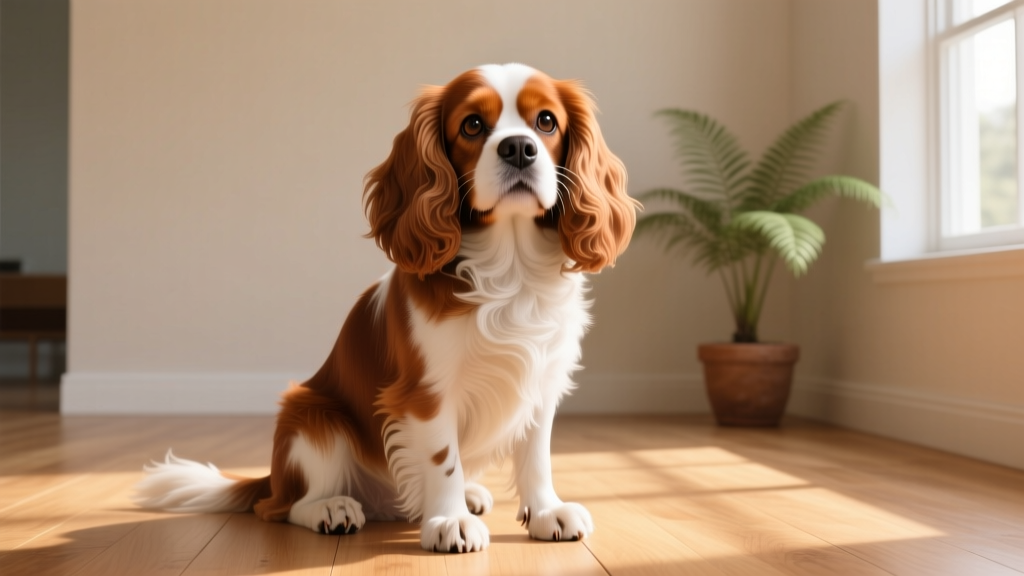
Breed Overview: The Cavalier King Charles Spaniel at a Glance
If you’ve been researching cavalier dog shed patterns before bringing one of these gentle companions home, you’re asking the right question. The Cavalier King Charles Spaniel is a toy breed with a silky, moderate-length coat that sheds year-round, with noticeable seasonal peaks. They are not hypoallergenic, and their shedding is considered moderate compared to heavy-shedding breeds like Huskies, but more pronounced than low-shed breeds like Poodles.
Originating in England during the 16th and 17th centuries as lap warmers for nobility — King Charles II was famously devoted to them — the modern Cavalier was re-established in the 1920s when American breeder Roswell Eldridge offered prizes at Crufts for longer-nosed King Charles Spaniels resembling those in Renaissance paintings. The AKC recognized the breed in 1995, and they’ve remained a top-20 favorite in the US ever since.
| Attribute | Details |
|---|---|
| Size Class | Toy / Small |
| Weight (Adult) | 13–18 lb / 5.9–8.2 kg |
| Height (Adult) | 12–13 inches / 30–33 cm at the withers |
| Lifespan | 12–15 years |
| Coat Type | Silky, medium-length, feathered |
| Shedding Level | Moderate (year-round with seasonal increases) |
| Energy Level | Low to Moderate |
| Family Fit | Excellent — children, seniors, apartments |
Physical Characteristics & Coat Details
The Cavalier’s coat is one of its defining features: soft, slightly wavy, and free from curl. Feathering develops fully by 18–24 months, with longer hair on the ears, chest, belly, legs, and tail. The breed comes in four AKC-recognized colors: Blenheim (chestnut on white), Tricolor (black/white/tan), Black & Tan, and Ruby (solid rich red).
Unlike double-coated breeds that "blow" their undercoat in dramatic seasonal events, Cavaliers have a single-layer coat that sheds steadily. You’ll notice more hair on furniture and clothing during spring (March–May) and fall (September–November) as daylight triggers follicle cycling. The hair on furnishings — ears, legs, belly — is longer and more prone to matting, which traps loose hairs and makes shedding appear worse than it actually is.
Shedding Comparison: Cavalier vs. Similar Breeds
| Breed | Shedding Level | Coat Type | Grooming Frequency |
|---|---|---|---|
| Cavalier King Charles Spaniel | Moderate | Silky single coat, feathered | 3–4x/week brushing |
| Cocker Spaniel | Moderate-Heavy | Wavy double coat | Daily + professional grooming |
| Havanese | Low | Long double coat (hair, not fur) | Daily brushing |
| French Bulldog | Low-Moderate | Short smooth coat | Weekly |
| Miniature Poodle | Very Low | Curly hair coat | Professional every 4–6 weeks |
Temperament & Personality
Cavaliers are defined by five core behavioral traits that make them stand out among toy breeds:
- Affiliative bonding: Cavaliers physically lean against their owners, follow them room-to-room, and show visible distress when left alone for more than 4–6 hours. This is not separation anxiety by default — it’s breed-typical attachment behavior rooted in centuries of selective breeding for companionship.
- Gentle play drive: Unlike terrier-type toys that escalate play into high arousal, Cavaliers engage in short bursts (5–10 minutes) of chase or fetch, then self-regulate and settle. They rarely initiate rough play.
- Low territorial instinct: Cavaliers are poor watchdogs. They may alert-bark once at a doorbell, but they typically greet strangers with tail wags and body wiggles within 30 seconds. Resource guarding is uncommon when puppies are properly socialized between 8–16 weeks.
- High social tolerance: In multi-dog households, Cavaliers typically defer to other dogs and avoid conflict. They integrate well with cats when introduced gradually over 3–5 days using scent-swapping protocols.
- Sensitivity to tone: Cavaliers shut down visibly when scolded with raised voices — ears flatten, eyes avert, body lowers. They respond best to calm, encouraging verbal markers during training.
Pros
- Extremely affectionate and bonded to family
- Adaptable to apartments, houses, and RV living
- Good with children ages 6+ and other pets
- Low barking tendency compared to other toy breeds
- Eager to please during training sessions
Cons
- Prone to separation distress if left alone >6 hours daily
- Moderate shedding — hair on dark clothing is visible
- High predisposition to mitral valve disease (MVD)
- Strong chase instinct for squirrels/birds — recall can fail outdoors
- Not suitable for rough play with toddlers under age 5
Exercise & Activity Requirements
Despite their lap-dog reputation, Cavaliers need structured daily activity to maintain healthy weight and joint function. The target is 30–45 minutes per day, ideally split into two sessions:
- Morning walk: 15–20 minutes on leash at a moderate pace (3 mph). Cavaliers are not built for jogging — their brachycephalic-adjacent muzzle structure means they overheat faster than longer-nosed breeds in temperatures above 80°F (27°C).
- Afternoon play: 10–15 minutes of indoor fetch, puzzle toy work (Kong Classic stuffed with peanut butter, Outward Hound Nina Ottosson puzzles), or supervised yard time.
- Evening wind-down: 5–10 minute sniffari walk or gentle tug session.
Cavaliers excel in low-impact canine sports: rally obedience, nose work, and therapy dog visits. Avoid high-impact activities like agility jumps or long-distance running, which stress their predisposed heart valves and patellas.
| Care Task | Frequency | Tools / Products | Time Required |
|---|---|---|---|
| Full-body brushing | 3–4x per week | Chris Christensen Big G slicker brush, Greyhound Comb | 10–15 minutes |
| Ear cleaning | Weekly | Epi-Otic Advanced ear cleanser, cotton rounds | 3–5 minutes |
| Nail trimming | Every 2–3 weeks | Millers Forge stainless steel nail clipper (small) | 5 minutes |
| Bathing | Every 4–6 weeks | Earthbath Oatmeal & Aloe shampoo | 20–30 minutes |
| Dental brushing | Daily (minimum 3x/week) | Virbac CET enzymatic toothpaste, finger brush | 2 minutes |
| Feather detangling | After outdoor walks | Wide-tooth comb, detangling spray | 3–5 minutes |
Grooming & Shedding Management
Managing cavalier dog shed starts with the right tools and a consistent schedule. Here’s what actually works based on coat structure:
Brushing Protocol
Use a slicker brush (Chris Christensen Big G or Big K series) on the body coat, working in sections from skin outward. Follow with a stainless steel Greyhound Comb through the feathering on ears, legs, and belly to catch loose undercoat and prevent matting. Pay special attention behind the ears — this is the #1 matting zone in Cavaliers.
Seasonal Shedding Peaks
During spring and fall, increase brushing to daily for 2–3 weeks. A de-shedding tool like the Furminator can be used cautiously once per week during peak shedding, but avoid overuse — the single-layer Cavalier coat does not regenerate as quickly as double-coated breeds.
Bathing & Blow-Drying
Bath every 4–6 weeks using a moisturizing shampoo (oatmeal or aloe-based). After bathing, use a high-velocity dryer (Flying Pig pet dryer, ~$90–$130) on low heat to blow out loose hair before it dries and sheds around your home. This single step reduces visible shedding by an estimated 40–60% for the following week.
Home Environment Tips
- Use a HEPA air purifier (Coway AP-1512HH Mighty, ~$200) in the room your Cavalier spends the most time in.
- Wash bedding weekly in hot water (130°F / 54°C) to remove trapped hair and dander.
- A robot vacuum (Roborock or Roomba j7+) running daily keeps Cavalier hair from accumulating on hard floors.
Common Health Issues
The Cavalier King Charles Spaniel carries significant genetic health burdens. Any prospective owner should understand these conditions before purchasing or adopting. Always consult your veterinarian for diagnosis and treatment planning.
| Condition | Prevalence | Onset Age | Estimated Treatment Cost |
|---|---|---|---|
| Mitral Valve Disease (MVD) | ~50% by age 5; nearly 100% by age 10 | Murmur detectable 4–6 years | $500–$2,500/year (medications + cardiology visits) |
| Syringomyelia (SM) | Estimated 25–70% (breed-line dependent) | 6 months–5 years | $1,500–$3,000 (MRI diagnosis); $200–$500/month (medication) |
| Patellar Luxation | ~12–15% of Cavaliers | 1–4 years | $1,500–$3,500 per knee (surgical correction) |
| Dry Eye (Keratoconjunctivitis Sicca) | ~5–10% | Any age, commonly 4+ years | $30–$60/month (Optimmune or Tacrolimus drops) |
| Idiopathic Epilepsy | ~2–5% | 1–5 years | $150–$400/year (phenobarbital + monitoring) |
Mitral Valve Disease: What Owners Must Know
MVD is the leading cause of death in Cavaliers. The Merck Veterinary Manual describes the progressive degeneration of the mitral valve leaflets, leading to regurgitation, heart enlargement, and eventual congestive heart failure. Responsible breeders now screen breeding stock via board-certified veterinary cardiologists and participate in the Orthopedic Foundation for Animals (OFA) cardiac registry. Ask any breeder for OFA cardiac clearance certificates for both parents.
Syringomyelia Awareness
Syringomyelia (SM) is a neurological condition where fluid-filled cavities (syrinxes) form within the spinal cord, often caused by a skull too small for the brain (Chiari-like malformation). Symptoms include neck scratching without making contact ("air scratching"), yelping when picked up, and sensitivity to touch around the head and neck. MRI is required for definitive diagnosis. The AKC notes that SM remains a concern despite breeding programs aimed at reducing incidence.
Call your veterinarian immediately if your Cavalier shows:
- Persistent coughing, especially at night or after exercise
- Labored breathing or blue-tinged gums
- Sudden collapse or fainting episodes
- "Air scratching" near the neck without touching the skin
- Reluctance to be touched around the head/neck
Training & Intelligence
Cavaliers rank in the bright-average range for working/obedience intelligence. They learn new commands in 5–15 repetitions and obey on first command approximately 85% of the time in familiar environments. Their trainability rating is 7.5/10 — they are willing and eager, but sensitive to correction.
Recommended Training Approach
Use exclusively positive reinforcement methods: treat rewards (Zuke's Mini Naturals, 3 calories each), clicker markers, and verbal praise. Keep sessions short — 5–8 minutes, 2–3 times daily. Cavaliers lose focus after 10 minutes and become stressed if pushed beyond their attention span.
Key training priorities for Cavaliers:
- Recall: Their spaniel heritage means strong prey drive toward birds and small mammals. Practice recall in fenced areas using high-value rewards (boiled chicken, freeze-dried liver) before attempting off-leash work. Many Cavaliers are never reliably off-leash in unfenced areas — accept this as a breed trait.
- Alone-time training: Begin crate training at 8–10 weeks using gradual desensitization (1 minute → 5 → 15 → 30 → 60 minutes over 2–3 weeks). This prevents the separation distress Cavaliers are prone to developing.
- Leash manners: Cavaliers tend to pull toward interesting smells. Use a front-clip harness (Ruffwear Front Range) and reward loose-leash walking with treats at your knee level.
Family Suitability
With Children
Cavaliers are excellent with children ages 6 and older who understand gentle handling. Their small frame (13–18 lb) makes them vulnerable to injury from toddlers who may drop, squeeze, or step on them. Supervise all interactions with children under age 8, and teach kids to let the dog retreat to its crate or bed without pursuit.
With Other Pets
Cavaliers integrate smoothly into multi-pet households. Introduce new dogs through parallel leash walks outdoors before home introductions. With cats, use a 3–5 day scent-swapping protocol (exchange bedding, feed on opposite sides of a closed door) before visual contact. Cavaliers rarely show aggression toward other animals.
Apartment Living
This breed adapts exceptionally well to apartments. Their low barking tendency, moderate exercise needs, and small size make them ideal for condos and rentals. The primary concern is separation distress — if you work 10+ hour days, arrange a midday dog walker or consider a breed less prone to attachment behaviors.
Cost of Ownership
Puppy Purchase Price (2026 Estimates)
| Source | Price Range | What's Included |
|---|---|---|
| AKC-registered responsible breeder (health-tested parents) | $2,500–$4,500 | OFA cardiac/clearance certificates, first vaccines, microchip, spay/neuter contract, take-back clause |
| Breed-specific rescue (Cavalier Rescue USA, etc.) | $300–$800 | Spay/neuter, basic vetting, behavioral assessment |
| Unregistered / backyard breeder | $800–$1,800 | Variable — often no health testing (not recommended) |
Annual Care Cost Breakdown
| Category | Annual Cost Range |
|---|---|
| High-quality food (Royal Canin Cavalier, Hill's Science Diet Small Breed) | $400–$650 |
| Routine veterinary (wellness exam, DHPP/rabies boosters, heartworm test) | $350–$600 |
| Heartworm + flea/tick prevention (Heartgard Plus + NexGard) | $250–$400 |
| Grooming supplies + professional grooming (2–4x/year) | $150–$350 |
| Pet insurance (Trupanion, Healthy Paws — Cavalier-specific premiums) | $600–$1,100 |
| Dental care (toothpaste, annual cleaning under anesthesia) | $300–$700 |
| Toys, treats, miscellaneous | $150–$300 |
| Total Annual Estimated Cost | $2,200–$4,100 |
First-year costs will be higher ($4,500–$8,500 total) due to puppy vaccines, spay/neuter surgery ($400–$800), crate, harness, and initial gear. Budget for potential cardiac screening starting at age 4–5 ($250–$500 per cardiologist visit).
Frequently Asked Questions
Is the Cavalier King Charles Spaniel right for first-time owners?
Yes, Cavaliers are one of the most recommended breeds for first-time dog owners. Their forgiving temperament, eagerness to please, and manageable size make them accessible. The main challenge is their health profile — first-time owners must be prepared for potential cardiac care costs and the emotional weight of managing chronic conditions.
How much exercise does a Cavalier need daily?
Plan for 30–45 minutes total per day: a 15–20 minute morning leash walk, 10–15 minutes of afternoon play or puzzle work, and a 5–10 minute evening sniffari. Avoid high-impact exercise and outdoor activity when temperatures exceed 80°F (27°C).
What health problems is the Cavalier breed prone to?
The most significant are mitral valve disease (affecting nearly all Cavaliers by age 10), syringomyelia (25–70% prevalence depending on bloodline), patellar luxation (12–15%), dry eye (5–10%), and idiopathic epilepsy (2–5%). Always ask breeders for OFA cardiac and patella clearance documentation.
How big does a Cavalier King Charles Spaniel get?
Adult Cavaliers stand 12–13 inches (30–33 cm) at the withers and weigh 13–18 lb (5.9–8.2 kg). Females tend toward the lower end of both ranges. Obesity is common in this breed — maintain a body condition score (BCS) of 4–5 out of 9, where ribs are palpable but not visible.
Is the Cavalier good with children and other pets?
Cavaliers are excellent with children ages 6+ and integrate well with other dogs and cats. They are too fragile for unsupervised interaction with toddlers. Their gentle, non-confrontational nature makes them one of the best toy breeds for multi-pet households.
How much does a Cavalier cost to buy and maintain?
Expect $2,500–$4,500 for a health-tested puppy from a responsible breeder, or $300–$800 through breed rescue. Annual care costs range from $2,200–$4,100, with pet insurance strongly recommended given the breed's cardiac predisposition. First-year total investment typically falls between $4,500–$8,500.
Do Cavaliers shed a lot?
Cavaliers shed moderately year-round with increased shedding in spring and fall. Their silky single coat requires brushing 3–4 times per week with a slicker brush and comb. Regular grooming with a high-velocity dryer after baths significantly reduces loose hair in the home. They are not a hypoallergenic breed.
Priya Sutaria
All our authors care for dogs every day — read more of their work on the authors page.


