Whippet Mixed Breed Dog Guide: Traits, Sizes, and What to Expect
Everything you need to know about the whippet mixed breed dog — parent traits, size ranges, temperament variability, health risks, and costs explained.
What Exactly Is a Whippet Mixed Breed Dog?
A whippet mixed breed dog is any cross between a Whippet and another breed — whether that's a Greyhound, Italian Greyhound, Chihuahua, Poodle, Labrador Retriever, or any number of companions. Unlike purpose-bred designer dogs (think Labradoodles or Cavapoos), most whippet mixes arise from accidental breedings, rescue intakes, or small-scale breeders experimenting with sighthound crosses. The result is a dog that may inherit the Whippet's sleek athleticism, gentle temperament, and prey drive — or may lean heavily toward the other parent breed in looks, size, and personality.
Before you commit to a whippet mixed breed dog, you need to understand that predictability is limited. Even full siblings from the same litter can look and behave very differently. This guide breaks down what you can reasonably expect, what you absolutely can't predict, and how to decide whether a whippet mix fits your household.
The Whippet Parent: What's in the Gene Pool?
To understand what a whippet mixed breed dog might be like, you first need to understand the Whippet itself. According to the American Kennel Club breed standard, the Whippet is a medium-sized sighthound originating in 19th-century England, where coal miners bred them for rabbit coursing and rag racing.
| Trait | Detail |
|---|---|
| Weight | 25–40 lb (11–18 kg) |
| Height | 18–22 in (46–56 cm) at the shoulder |
| Lifespan | 12–15 years |
| Coat | Short, smooth, fine — minimal shedding |
| Energy Level | Burst energy outdoors, couch potato indoors |
| Prey Drive | Very high — will chase cats, squirrels, small dogs |
| Trainability | Moderate — responds to positive reinforcement, sensitive to harsh methods |
| Barking | Low — generally quiet dogs |
| Cold Tolerance | Very low — thin coat and low body fat mean they feel cold quickly |
| Separation Anxiety Risk | Moderate to high — bond closely with their people |
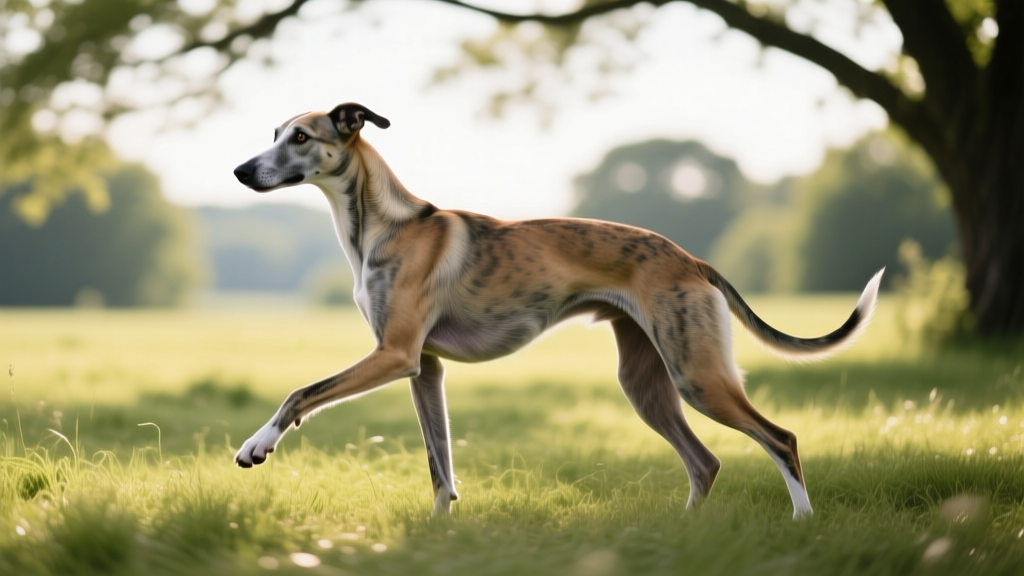
The Whippet's defining traits — deep chest, tucked waist, long legs, rose ears, and that explosive sprint speed (up to 35 mph) — are dominant in many crosses. But temperament traits like sensitivity, prey drive, and the famous "off-switch" indoors can be modified significantly by the other parent breed.
Popular Whippet Mix Combinations
While whippet mixes aren't as systematically bred as doodle-type designer dogs, several crosses appear regularly in rescue organizations and occasional breeder litters. Here's how the most common pairings tend to play out:
| Mix Name | Other Parent | Expected Size Range | Coat Possibilities | Key Trait Notes |
|---|---|---|---|---|
| Whippet × Greyhound | Greyhound (60–70 lb) | 35–60 lb / 16–27 kg | Short, smooth | Larger sighthound; calm indoors; high prey drive retained |
| Whippet × Italian Greyhound | Italian Greyhound (7–14 lb) | 12–25 lb / 5–11 kg | Short, smooth | Smaller, more fragile; higher anxiety risk; very cold-sensitive |
| Whippet × Chihuahua | Chihuahua (3–6 lb) | 8–20 lb / 4–9 kg | Short to medium | Can inherit Chihuahua boldness; may be wary of strangers |
| Whippet × Poodle (Mini/Standard) | Poodle (10–60 lb depending on size) | 20–50 lb / 9–23 kg | Wavy to curly; may shed less | More trainable; potentially lower shedding; unpredictable coat |
| Whippet × Labrador Retriever | Labrador (55–80 lb) | 35–65 lb / 16–29 kg | Short, dense, double coat possible | Higher energy; more food-motivated; heavier build |
| Whippet × Border Collie | Border Collie (30–55 lb) | 28–50 lb / 13–23 kg | Medium length; feathering possible | Very high energy and intelligence; needs serious mental stimulation |
| Whippet × Jack Russell Terrier | Jack Russell (9–15 lb) | 12–28 lb / 5–13 kg | Short to wire-haired possible | Intense prey drive doubled; high energy; not for first-time owners |
These are tendencies, not guarantees. A Whippet × Labrador mix might inherit the Lab's stocky build or the Whippet's lean frame — or land somewhere in between. Always meet the individual dog before making assumptions based on breed mix alone.
Understanding Generations: F1, F1B, and Beyond
Unlike doodle breeds, whippet mixes are rarely bred in structured generational programs. Here's what the terms mean if you encounter them:
- F1 (First Generation): One purebred Whippet parent + one purebred other breed. Maximum genetic diversity, but highest trait variability — puppies in the same litter can look wildly different.
- F1B (Backcross): An F1 whippet mix bred back to one of the original parent breeds. Slightly more predictable — e.g., an F1 Whippet-Poodle bred to a Poodle will likely have a curlier coat.
- F2 (Second Generation): Two F1 whippet mixes bred together. This is where genetics get unpredictable — recessive traits can surface, and puppies vary enormously.
- Multigen (F3+): Multiple generations of the same cross. Extremely rare for whippet mixes — you're more likely to see this in established designer breeds like Labradoodles.
Reality check: The vast majority of whippet mixed breed dogs available through rescue are F1 or unknown-generation accidental crosses. Purpose-bred multigen whippet mixes are essentially nonexistent.
Size, Coat, and Appearance: The Variability Spectrum
One of the biggest questions prospective owners ask: How big will this mixed breed get? The honest answer depends entirely on the other parent breed and which genes the individual dog inherits.
Size Range Across Common Mixes
| Cross Type | Min Weight | Max Weight | Min Height | Max Height |
|---|---|---|---|---|
| Whippet × Small breed (Chihuahua, IG, Jack Russell) | 8 lb / 4 kg | 25 lb / 11 kg | 10 in / 25 cm | 18 in / 46 cm |
| Whippet × Medium breed (Border Collie, Australian Shepherd) | 25 lb / 11 kg | 50 lb / 23 kg | 17 in / 43 cm | 22 in / 56 cm |
| Whippet × Large breed (Greyhound, Labrador) | 35 lb / 16 kg | 70 lb / 32 kg | 19 in / 48 cm | 28 in / 71 cm |
A general rule: if you know both parent breeds' weights, the offspring will typically fall somewhere between the two, often closer to the mother's size. But "closer to" still leaves a 10–15 lb range of uncertainty.
Coat Type Possibilities
The Whippet's short, single-layer coat is one of the easiest in the dog world to maintain. But cross it with another breed, and coat outcomes become a lottery:
- Short and smooth (Whippet-dominant): Most likely when crossed with Greyhounds, Chihuahuas, or other short-coated breeds. Minimal shedding, easy wipe-down grooming.
- Medium length with feathering: Possible with Border Collie, Spaniel, or Setter crosses. Requires brushing 2–3 times per week to prevent matting behind ears and on legs.
- Wavy or curly: Possible with Poodle or Bichon crosses. May shed less, but requires regular brushing and professional grooming every 6–8 weeks ($40–$75 per session).
- Wire-haired: Possible with terrier crosses. May need hand-stripping or clipping.
Is a Whippet Mix Hypoallergenic or Low-Shedding?
No whippet mixed breed dog can be guaranteed hypoallergenic. The Whippet itself is a moderate, low-volume shedder — they don't blow coat seasonally like double-coated breeds, but they do shed year-round. If crossed with a Poodle, the offspring may inherit a lower-shedding coat, but this is far from guaranteed in F1 crosses. Even puppies from the same Whippet-Poodle litter can have different coat types. People with dog allergies should spend time with the specific individual dog before committing — no breed or mix is truly hypoallergenic, as allergens come from dander and saliva, not just fur.
Temperament: What to Expect (and What Might Surprise You)
Temperament is where whippet mixes show the widest variability. The Whippet contributes a baseline of gentle sensitivity, quiet indoor behavior, strong prey drive, and a tendency to bond closely with one or two people. But the other parent breed can significantly shift the outcome.
Best-Case Temperament Scenario
The dog inherits the Whippet's calm indoor demeanor, low barking tendency, and gentle nature, combined with the other parent's trainability or sociability. You get a dog that's quiet in the house, affectionate without being clingy, good with respectful children, and responsive to positive reinforcement training. This is common in Whippet × Greyhound and Whippet × Golden Retriever crosses.
Challenging Temperament Scenarios
- High prey drive + terrier tenacity: A Whippet × Jack Russell mix may have an almost uncontrollable chase instinct combined with the terrier's determination. Not suitable for homes with cats, rabbits, or small dogs.
- Sensitivity + anxiety inheritance: Whippets are already sensitive dogs. Cross them with an anxious or fear-prone breed (some Italian Greyhound lines, some rescue backgrounds), and you may get a dog that struggles with separation anxiety, noise phobias, or fear-based reactivity.
- Sighthound independence + herding breed intensity: A Whippet × Border Collie mix can be an exhausting combination — the herding breed's need for constant mental stimulation paired with the sighthound's independent streak. These dogs need experienced handlers.
Socialization and Training Approach
Whippet mixes respond best to force-free, positive reinforcement methods. Their sighthound heritage means they're sensitive to physical corrections — harsh methods or aversive tools like shock collars and prong collars can damage the trust bond and trigger fear-based shutdowns. Use high-value treats (real chicken, freeze-dried liver), keep training sessions short (5–10 minutes for young dogs), and focus on building engagement rather than demanding compliance. For recall training specifically, work with a certified force-free trainer who understands sighthound motivation — standard recall methods often fail with these dogs.
Health Considerations: Hybrid Vigor vs. Reality
Let's address the biggest myth in designer dogs: hybrid vigor does not eliminate health issues. The concept of heterosis — where mixed-breed offspring show improved biological function — has some scientific support, but it primarily applies to traits controlled by many genes (like overall vitality and fertility). It does not protect against inherited conditions that both parent breeds share, nor does it guarantee freedom from structural problems.
According to research cited by the Merck Veterinary Manual, mixed-breed dogs can inherit any condition present in either parent breed's gene pool. Here's what to watch for in whippet mixes:
Inherited Conditions from the Whippet Side
- Cardiac issues: Whippets can carry genes for mitral valve disease and, less commonly, dilated cardiomyopathy (DCM). Prevalence in the breed is estimated at 2–4%.
- Eye conditions: Progressive retinal atrophy (PRA) and cataracts can appear. Responsible breeders screen with CERF/OFA ophthalmologist exams.
- Muscle cramping (myostatin-related): Some Whippets carry a myostatin gene mutation associated with increased muscle mass and occasional cramping. This is breed-specific.
- Anesthesia sensitivity: Like all sighthounds, Whippets have low body fat and altered drug metabolism. They require specific anesthesia protocols — always ensure your veterinarian is experienced with sighthound anesthesia. This sensitivity can pass to mixes.
Conditions Inherited from Common Cross Partners
| Cross | Added Health Risks from Other Parent | Screening to Request |
|---|---|---|
| Whippet × Greyhound | Osteosarcoma (higher in large sighthounds), bloat (GDV) | Cardiac exam, OFA X-rays |
| Whippet × Chihuahua | Patellar luxation, dental overcrowding, tracheal collapse | Patella evaluation, cardiac exam |
| Whippet × Poodle | Addison's disease, hip dysplasia, sebaceous adenitis | OFA hips, thyroid panel, Addison's DNA test |
| Whippet × Labrador | Hip/elbow dysplasia, obesity tendency, ear infections | OFA hips and elbows, body condition monitoring |
| Whippet × Border Collie | Collie eye anomaly (CEA), MDR1 drug sensitivity, hip dysplasia | CEA DNA test, MDR1 test, OFA hips |
Always consult your veterinarian about breed-specific screening and establish a preventive care plan tailored to your individual dog's mix and body type.
What Responsible Health Screening Looks Like
If you're buying from a breeder (rare for whippet mixes, but it happens), request documentation of:
- OFA or PennHIP hip scores for both parents
- OFA cardiac exam (within 12 months of breeding)
- CERF/OFA ophthalmologist eye exam (within 12 months)
- Breed-relevant DNA tests (varies by the other parent breed)
If adopting from rescue, ask for any available veterinary records and schedule a comprehensive exam within two weeks of adoption. Budget $200–$400 for initial bloodwork, urinalysis, and breed-mix DNA testing (Embark or Wisdom Panel, $100–$200) to understand your dog's genetic background.
Grooming, Exercise, and Daily Care Needs
Grooming by Coat Type
- Short-coated mixes: Rubber curry brush once weekly, bath every 4–6 weeks or as needed. Wipe down with a damp cloth between baths. Nail trims every 2–3 weeks. Budget: $5–$15/month in supplies.
- Medium-coated mixes: Slicker brush 2–3 times weekly, professional grooming optional. Pay special attention to feathering behind ears and on legs. Budget: $10–$25/month.
- Curly/wavy-coated mixes: Daily brushing to prevent mats, professional grooming every 6–8 weeks ($40–$75 per session). Budget: $40–$80/month.
All whippet mixes need winter protection if they inherit the Whippet's lean build and thin coat. A well-fitting dog coat for temperatures below 50°F (10°C) is not optional — it's a welfare necessity. Look for coats with belly coverage and a secure closure system (brands like Ruffwear and Hurtta run $50–$90).
Exercise Requirements
Despite their athletic ability, most whippet mixes are not endurance dogs. They're sprinters — built for short, intense bursts of speed followed by long rest periods.
- Daily walks: 30–45 minutes, split into two sessions
- Sprint sessions: 2–3 times per week in a securely fenced area — let them run at full speed for 10–20 minutes
- Mental enrichment: Snuffle mats, puzzle feeders, and scent work are excellent. Avoid repetitive ball-throwing as the sole exercise — it can overstimulate prey drive without providing mental satisfaction.
- What to avoid: Long-distance running on hard surfaces (their joints aren't built for marathon-style exercise), forced exercise in hot weather (sighthounds overheat quickly), and dog parks with uncontrolled small dogs (prey drive risk).
Cost and Where to Find a Whippet Mixed Breed Dog
Price Ranges
| Source | Typical Cost | What's Included |
|---|---|---|
| Rescue/shelter adoption | $50–$500 | Usually spay/neuter, initial vaccines, microchip |
| Breed-specific rescue (sighthound rescues) | $200–$600 | Vetted, fostered, temperament-evaluated |
| Small-scale breeder (accidental or planned litter) | $400–$1,200 | Varies widely — may or may not include health testing |
| Purpose-bred designer mix (rare) | $800–$2,000 | Health-tested parents, early socialization, contract |
First-year total cost estimate: $1,800–$3,500 including acquisition, veterinary care (initial exam, vaccines, spay/neuter if not included, heartworm prevention), supplies (crate, leash, harness, winter coat, bed), food, and pet insurance.
Ongoing annual costs typically run $1,200–$2,200 for food, preventive medications, routine veterinary care, grooming (if applicable), and insurance premiums.
Where to Look
Whippet mixes most commonly appear through:
- Sighthound-specific rescues: Organizations like Greyhound Pets of America and regional sighthound rescues occasionally take in whippet mixes. These dogs are typically fostered in homes, so you get detailed temperament information.
- General shelters and humane societies: Check Petfinder and Adopt-a-Pet using "Whippet" as a breed filter. Mixes are often listed as "Whippet mix" or "Hound mix."
- Breeders: Purpose-bred whippet mixes are uncommon. If you find a breeder advertising them, apply the same scrutiny you would to any breeder — health testing, facility visits, references, and a take-back clause in the contract.
Who Is the Whippet Mixed Breed Dog Best Suited For?
After working with dozens of sighthound owners and seeing these mixes in various homes, here's my honest assessment of the ideal household:
Best Fit
- Homes with secure fencing: A minimum 5-foot (1.5 m) fence with no gaps. Underground electric fences are not sufficient — a whippet mix in prey drive will run through the shock boundary.
- Owners who want a calm house dog with athletic potential: These dogs are genuinely low-key indoors. They're excellent for people who want a running companion for short sprints but a couch buddy for evenings.
- Families with older, respectful children (8+): Most whippet mixes are gentle but physically delicate. Toddlers who grab or fall on them can cause injury.
- Patient, positive-reinforcement trainers: If you believe in dominance theory or want a dog that obeys instantly, a whippet mix will frustrate you. These dogs think independently and respond to motivation, not intimidation.
- Cold-climate owners willing to invest in dog clothing: If you live where winters drop below 40°F (4°C), budget for quality coats and accept that your dog will need winter gear.
Poor Fit
- Homes with cats, rabbits, or other small pets (unless the individual dog has been cat-tested and cleared)
- Off-leash hiking as a primary exercise plan — prey drive makes this unsafe
- Owners away 10+ hours daily without a dog walker or daycare plan
- Those seeking a reliable guard dog — whippet mixes are more likely to flee than confront
Frequently Asked Questions
What two breeds make up a whippet mixed breed dog?
A whippet mixed breed dog is a cross between a purebred Whippet and any other breed. Common crosses include Greyhound, Italian Greyhound, Chihuahua, Poodle, Labrador Retriever, Border Collie, and Jack Russell Terrier. The specific mix determines size, coat, and temperament tendencies.
How big will a whippet mixed breed get?
Size varies enormously depending on the other parent breed. Whippet × small breed mixes can be as small as 8 lb (4 kg), while Whippet × large breed crosses can reach 70 lb (32 kg). Height ranges from 10 to 28 inches (25–71 cm) at the shoulder. If you know both parents' sizes, expect the offspring to fall somewhere between them.
What will the temperament be like?
Most whippet mixes inherit some degree of the Whippet's gentle, sensitive nature and calm indoor behavior. Prey drive is usually present to some degree. Beyond that, temperament depends heavily on the other parent breed and the individual dog's socialization history. Expect variability — even littermates can have very different personalities.
Is a whippet mixed breed dog hypoallergenic or low-shedding?
No whippet mix is guaranteed hypoallergenic. Short-coated mixes shed lightly year-round. Poodle crosses may shed less but this is unpredictable in F1 generations. Dog allergens come from dander and saliva, not just fur, so no mix is truly allergen-free.
What health issues might a whippet mix inherit?
From the Whippet side: cardiac conditions, eye disorders, and anesthesia sensitivity. From the other parent breed: varies (hip dysplasia from Labs, patellar luxation from Chihuahuas, MDR1 sensitivity from herding breeds). Always consult your veterinarian for breed-appropriate screening.
How much does a whippet mixed breed dog cost?
Rescue adoption fees range from $50 to $600. Purpose-bred crosses from breeders (rare) cost $800–$2,000. First-year total ownership costs typically run $1,800–$3,500 including veterinary care, supplies, food, and insurance.
Are whippet mixes good apartment dogs?
They can be — their indoor calmness and low barking tendency make them surprisingly good apartment companions, provided they get adequate daily exercise (30–45 minutes of walking plus sprint sessions in a fenced area 2–3 times per week). The main challenge is ensuring access to safe, enclosed running space nearby.
Do whippet mixes get along with other dogs?
Generally yes, especially with dogs of similar size. The main concern is prey drive toward very small dogs. Early socialization with a variety of dog sizes and types helps, but always supervise interactions with small breeds until you know your individual dog's prey threshold.
Sources consulted: AKC Whippet Breed Standard, Merck Veterinary Manual — Genetic Disorders in Dogs, and the ASPCA Dog Care resources. Always consult your veterinarian for advice specific to your individual dog.
Tom Renshaw
All our authors care for dogs every day — read more of their work on the authors page.