Mini Schnauzer Lifespan: How Long They Live & Health Tips
Mini Schnauzer lifespan averages 12-15 years. Learn breed-specific health risks, care tips, exercise needs, costs, and how to maximize your dog's longevity.
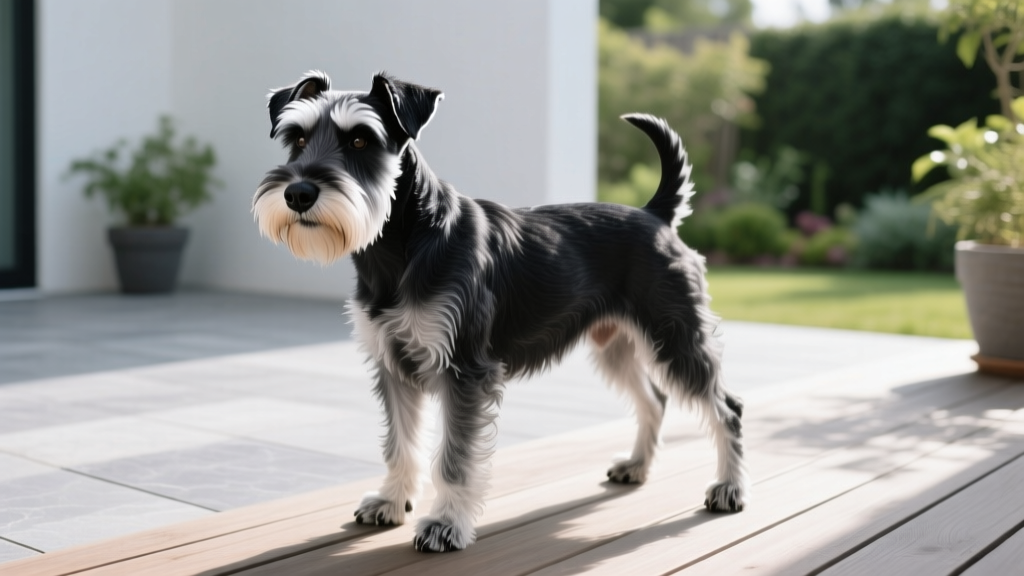
Mini Schnauzer Lifespan: What to Expect From This Spirited Breed
If you're researching the Miniature Schnauzer, you've likely already noticed their hallmark traits — the wiry coat, the prominent "beard" and eyebrows, and the confident strut of a dog who has no idea they're the smallest of the Schnauzer family. But one question tends to rise to the top for prospective owners: how long will a Mini Schnauzer live alongside you?
The Mini Schnauzer lifespan typically ranges from 12 to 15 years, with many well-cared-for individuals reaching 16 or even 17 years. According to the American Kennel Club, this places the Miniature Schnauzer among the longer-lived small breeds, outlasting many similarly sized companions by 2-3 years. Their longevity is partly attributed to hybrid development history — they were created by crossing Standard Schnauzers with smaller breeds like the Affenpinscher and Poodle, introducing genetic diversity that supports healthier aging.
But lifespan is only part of the picture. What you do during those 12-15 years — from preventive health screenings to daily exercise routines — dramatically shapes both the length and quality of your dog's life. This guide covers everything you need to know about the Miniature Schnauzer's lifespan, health risks, care requirements, and real ownership costs in 2026.
| Size Class | Small (11-20 lb / 5-9 kg) |
| Weight Range | 11-20 lb (5-9 kg) |
| Height Range | 12-14 inches (30-36 cm) at the shoulder |
| Lifespan | 12-15 years (some reach 16-17) |
| Coat Type | Double coat — wiry outer, soft undercoat |
| Energy Level | Moderate to high |
| Grooming Needs | High — clipping/stripping every 5-8 weeks |
| Family Fit | Excellent for active families, apartments, and seniors |
Origin and History: From German Farm Dog to Beloved Companion
The Miniature Schnauzer originated in Germany during the mid-to-late 1800s, specifically bred in rural farming regions to serve as a versatile ratter and farm guardian. Unlike many toy breeds developed purely for companionship, the Mini Schnauzer was engineered for work — catching rats in barns, alerting farmers to intruders, and herding livestock alongside their larger Standard Schnauzer relatives.
Breeders achieved the smaller size by crossing Standard Schnauzers with Affenpinschers and Miniature Poodles. The breed was first exhibited in 1899, and the American Kennel Club officially recognized the Miniature Schnauzer in 1926. By the 1950s, they had become one of the most popular breeds in the United States — a position they've largely maintained through 2026.
This working-dog heritage matters because it directly shapes the breed's temperament today. Mini Schnauzers are not lap dogs who sleep 18 hours a day. They're alert, intelligent, and driven — traits that made them excellent ratters and that now require structured outlets in a modern household.
Physical Characteristics: The Compact, Sturdy Build
The Miniature Schnauzer is a robust, nearly square-proportioned dog with a distinctive appearance. According to the AKC breed standard, adults stand 12 to 14 inches (30-36 cm) at the shoulder and weigh between 11 and 20 pounds (5-9 kg). Males tend toward the upper end of the range (14-18 lb / 6.4-8.2 kg), while females often fall between 11-15 lb (5-6.8 kg).
Their double coat is a defining feature: a harsh, wiry outer coat with a soft, dense undercoat. Recognized AKC colors include salt and pepper, black and silver, and solid black. The coat is low-shedding, which makes the breed a common choice for people with mild dog allergies — though no breed is truly hypoallergenic.
Notable physical features include the thick, arched eyebrows and the characteristic "beard" (longer facial hair around the muzzle). Ears may be naturally folded or cropped to stand erect (though ear cropping is increasingly uncommon and banned in many countries). The tail is traditionally docked but natural tails are becoming more accepted.
Temperament and Personality: 5 Core Traits That Define the Breed
Mini Schnauzers pack an outsized personality into a small frame. Here are the five core behavioral traits you'll encounter daily:
1. Alert and Vocal
Mini Schnauzers are exceptional watchdogs. They will announce every delivery driver, squirrel, and rustling leaf with enthusiastic barking. This isn't nuisance behavior gone unchecked — it's a deeply ingrained trait from their farm-guardian origins. Training can manage volume, but you cannot eliminate the instinct to alert. Expect your Mini Schnauzer to bark at doorbells, knocks, and unfamiliar sounds, particularly during their first year in a new home.
2. Intelligent and Problem-Solving
This breed ranks in the top tier for working intelligence. A Mini Schnauzer will learn a new command in 5-15 repetitions and retain it with minimal review. However, their intelligence means they get bored easily. Puzzle feeders, nose work games, and trick training aren't optional luxuries — they're behavioral necessities. A mentally under-stimulated Mini Schnauzer will invent their own entertainment, which usually involves chewing baseboards or digging at carpet seams.
3. Loyal and Velcro-Leaning
Unlike some small breeds that are aloof with strangers, Mini Schnauzers form intense bonds with their primary people. They follow owners room-to-room, sleep pressed against your legs, and often show a clear preference for one household member. This attachment can tip into separation anxiety if the dog isn't gradually conditioned to alone time from puppyhood.
4. Spirited and Confident
5. Playful but Not Hyperactive
Pros of Mini Schnauzer Ownership
- Low-shedding coat (good for allergy-sensitive homes)
- Highly trainable with fast command retention
- Long lifespan (12-15+ years)
- Adapts well to apartment living with proper exercise
- Alert watchdog without aggressive tendencies
- Sturdy build — not fragile like some toy breeds
Cons to Consider
- High grooming costs ($50-$90 per session, every 5-8 weeks)
- Prone to barking — requires consistent management
- Predisposed to pancreatitis (requires careful diet monitoring)
- Can develop separation anxiety without proper conditioning
- Small-dog confidence may lead to confrontations with larger dogs
- Stubborn streak during adolescence (6-14 months)
Exercise and Activity Needs: Keeping Your Mini Schnauzer Fit
A common mistake new Mini Schnauzer owners make is underestimating their exercise needs. These dogs were bred to chase rats through barns all day — they are not content with a five-minute walk around the block.
Daily exercise target: 45-60 minutes, split across two or more sessions. Here's a practical breakdown:
| Activity Type | Duration | Frequency | Notes |
|---|---|---|---|
| Leash walks | 20-30 minutes | 2x daily | Brisk pace with sniff breaks; vary routes to prevent boredom |
| Fetch / tug play | 10-15 minutes | 1-2x daily | Use a flirt pole or ball launcher for high-intensity bursts |
| Mental enrichment | 10-15 minutes | Daily | Puzzle feeders, snuffle mats, hide-and-seek with treats |
| Off-leash play | 15-20 minutes | 3-4x weekly | Fenced yard or secure area; supervise with larger dogs |
| Training sessions | 5-10 minutes | Daily | Short, positive sessions; focus on tricks, agility, or nose work |
Puppy exercise note: Puppies under 12 months should follow the "5 minutes per month of age, twice daily" rule. A 4-month-old Mini Schnauzer puppy needs roughly 20 minutes of structured exercise per session, not the full adult amount. Over-exercising growing joints can contribute to developmental orthopedic issues.
Senior adjustment (10+ years): Reduce intensity but maintain frequency. Two 15-minute walks plus gentle play sessions keep aging joints mobile without overtaxing the cardiovascular system. Watch for signs of fatigue: lagging behind, excessive panting, or reluctance to climb stairs.
Common Health Issues: What Mini Schnauzer Owners Must Watch For
While the Mini Schnauzer lifespan is impressively long for a small breed, the breed carries predispositions to several specific health conditions. Understanding these risks — and investing in early screening — is the single most impactful thing you can do to help your dog reach 15+ years. Always consult your veterinarian about a screening schedule tailored to your individual dog.
| Condition | Prevalence | Typical Onset | Screening / Prevention |
|---|---|---|---|
| Hyperlipidemia (elevated blood fats) | ~30% of breed (est.) | 4-8 years | Annual fasting lipid panel; low-fat diet management |
| Pancreatitis | 3x breed risk vs. average | Any age; often 5+ | Avoid high-fat foods/treats; immediate vet care for vomiting + abdominal pain |
| Urinary Stones (calcium oxalate & struvite) | Significantly elevated | 3-8 years | Urinalysis every 6-12 months; prescription diet if history present |
| Myotonia Congenita (muscle stiffness disorder) | ~5% carriers (DNA-testable) | Birth to 6 months | DNA test before breeding; manage with medication if symptomatic |
| Progressive Retinal Atrophy (PRA) | Documented in breed lines | 3-9 years | Annual CERF/OFA eye exam; DNA test available for some forms |
| Bladder Stones (Struvite) | Higher in females | 4-7 years | Increased water intake; urine pH monitoring |
Hyperlipidemia deserves special attention because it's so prevalent in the breed and often goes undiagnosed until it triggers secondary pancreatitis. The Merck Veterinary Manual notes that Miniature Schnauzers have a genetic predisposition to impaired fat metabolism, causing triglyceride levels to spike even on standard commercial diets. Many veterinarians now recommend a low-fat diet (under 15% fat on a dry-matter basis) as a preventive measure for this breed, even in the absence of symptoms.
Pancreatitis is the most acutely dangerous condition on this list. Symptoms include sudden vomiting, a hunched "prayer position" posture, diarrhea, and loss of appetite. Acute pancreatitis is a veterinary emergency — untreated cases can be fatal within 24-48 hours. Prevention centers on strict avoidance of fatty table scraps (bacon grease, butter, cheese rinds), maintaining a lean body condition score (BCS of 4-5 out of 9), and feeding a consistent, moderate-fat diet.
Urinary stones are another breed hallmark. Mini Schnauzers are prone to both calcium oxalate and struvite stones. If your dog strains to urinate, produces only small amounts, or has blood in their urine, contact your veterinarian immediately — urinary blockage is life-threatening, especially in males.
🚨 When to Call the Vet Immediately:
- Repeated vomiting (3+ episodes in 12 hours)
- Hunched posture with apparent abdominal pain
- Straining to urinate or inability to urinate
- Sudden lethargy combined with refusal to eat for 24+ hours
- Visible blood in urine or stool
- Difficulty breathing or collapse
For toxic ingestion emergencies, call ASPCA Animal Poison Control: (888) 426-4435 (24/7, consultation fee applies).
Grooming Requirements: Maintaining That Signature Wiry Coat
The Mini Schnauzer's double coat is one of their most appealing features — and one of the most maintenance-intensive. The wiry outer coat doesn't shed like a typical dog's fur, but it does require regular professional grooming to prevent matting, skin irritation, and that unkempt "overgrown teddy bear" look.
Professional grooming: Every 5-8 weeks. Expect to pay $50-$90 per session (2026 national average; urban areas may run $75-$120). Groomers typically clip the body coat short while leaving the "skirt" (longer belly hair), leg furnishings, and facial hair longer. Some owners opt for hand-stripping — a technique that pulls dead hair from the root to preserve the wiry texture — but this is more expensive ($80-$150) and time-consuming.
Home grooming between sessions:
- Brushing: 2-3x per week with a slicker brush and metal comb. Focus on the beard, leg furnishings, and behind the ears where mats form first.
- Beard cleaning: Daily wiping with a damp cloth. Food and water trapped in the beard causes bacterial growth and a sour odor.
- Ear care: Weekly inspection and cleaning with a veterinarian-approved ear cleanser. Folded ears trap moisture and predispose to yeast infections.
- Nail trimming: Every 2-3 weeks, or when nails click on hard floors. Overgrown nails alter gait and can contribute to joint stress.
- Dental care: Daily tooth brushing with enzymatic dog toothpaste. Mini Schnauzers are prone to periodontal disease, which can shorten lifespan by 1-3 years if untreated.
Estimated annual grooming cost: $400-$900, depending on frequency and your local market.
Training and Intelligence: Harnessing a Quick, Willful Mind
Mini Schnauzers are highly trainable but not blindly obedient. They learn commands rapidly — often within 5-15 repetitions — but they also evaluate whether compliance is worth their effort. This isn't defiance; it's independent problem-solving, a trait inherited from their ratting days when they had to make split-second decisions underground.
Trainability rating: 8/10 — excellent when motivated, stubborn when bored.
Recommended training approach: Positive reinforcement exclusively. Use high-value treats (small pieces of chicken, cheese, or commercial training treats like Zuke's Mini Naturals), clicker marking, and short sessions (5-10 minutes maximum). Force-free, LIMA (Least Intrusive, Minimally Aversive) methods produce the best results with this breed. Aversive tools like shock collars or prong collars will damage the trust bond and increase anxiety-driven barking — the exact opposite of what you want.
Priority training areas for Mini Schnauzers:
- Bark management: Teach a "quiet" cue paired with a "speak" cue. Reward silence, not barking. This doesn't eliminate alert barking but gives you control over duration.
- Recall (come when called): Their prey drive is strong. A Mini Schnauzer who spots a squirrel will run. Reliable recall requires months of proofing in increasingly distracting environments.
- Leash manners: Their confident stride leads to pulling. Use a front-clip harness (such as the Ruffwear Front Range) and reward loose-leash walking with direction changes and treats at your side.
- Crate training: Essential for managing separation anxiety and providing a safe den space. Introduce gradually over 2-3 weeks with positive associations (meals in crate, frozen Kong toys).
- Socialization: Structured exposure to diverse people, dogs, surfaces, and sounds between 8-16 weeks is non-negotiable. Poorly socialized Mini Schnauzers tend toward fear-based reactivity.
Family Suitability: Kids, Pets, and Living Spaces
With children: Mini Schnauzers are generally excellent with respectful children aged 6 and older. Their sturdy build (11-20 lb) makes them less fragile than toy breeds like Chihuahuas or Yorkies, so they tolerate gentle handling better. However, they are not tolerant of ear-pulling, tail-grabbing, or being picked up against their will. Supervision is essential with children under 6, and kids must be taught to let the dog retreat to their crate undisturbed.
With other dogs: Variable. Well-socialized Mini Schnauzers coexist peacefully with other household dogs, including larger breeds. However, same-sex aggression can occur, particularly between intact males. Their boldness means they may challenge unfamiliar dogs at parks — always supervise and intervene before posturing escalates.
With cats and small animals: Proceed with caution. The Mini Schnauzer's ratting heritage means a strong prey drive toward small, fast-moving animals. Some Mini Schnauzers live harmoniously with household cats (especially if raised together from puppyhood), but introducing them to pet rodents, rabbits, or birds is risky. Never leave a Mini Schnauzer unsupervised with pocket pets.
Apartment living: Mini Schnauzers adapt well to apartments if their exercise and mental stimulation needs are met. Their moderate size and low-shedding coat make them practical for smaller spaces. The primary challenge is barking — in close-quarters living, excessive vocalization can create neighbor conflicts. Invest in bark management training early and consider white noise machines or leaving a radio on during absences to reduce trigger sounds.
Cost of Ownership: Budgeting for a Mini Schnauzer in 2026
Mini Schnauzers sit in the mid-range for small breed ownership costs. Here's a realistic breakdown based on 2026 market data:
Puppy purchase price:
- Responsible breeder (AKC registered, health-tested parents): $1,800 - $3,500
- Show-quality / champion bloodline: $3,500 - $5,000+
- Rescue / adoption: $150 - $500 (often includes spay/neuter, vaccinations, and microchip)
When purchasing from a breeder, insist on seeing OFA (Orthopedic Foundation for Animals) health clearances for the parents, including cardiac evaluation, eye exam, and DNA testing for myotonia congenita. Responsible breeders will provide these willingly and include a take-back clause in their contract.
First-year costs (estimated):
- Puppy purchase: $1,800 - $3,500
- Initial veterinary visits (vaccinations, spay/neuter, microchip): $600 - $1,200
- Supplies (crate, harness, bed, bowls, toys): $200 - $400
- Food (high-quality small-breed formula): $350 - $550
- Grooming (6-8 sessions): $300 - $720
- Training classes (puppy socialization + basic obedience): $200 - $500
- Pet insurance (optional but recommended): $400 - $700/year
- Total first year: $3,850 - $7,570
Annual ongoing costs (years 2+):
- Food: $350 - $550
- Grooming: $400 - $900
- Veterinary care (wellness exam, vaccines, dental cleaning): $500 - $1,000
- Pet insurance: $400 - $700
- Miscellaneous (toys, treats, replacements): $150 - $300
- Total annual: $1,800 - $3,450
Lifetime cost estimate (13-year average lifespan): $25,000 - $48,000, excluding emergency medical expenses. A single pancreatitis hospitalization can add $1,500-$5,000, making pet insurance a sound financial decision for this breed.
Is a Mini Schnauzer Right for First-Time Owners?
Yes — with caveats. The Mini Schnauzer is one of the more forgiving breeds for first-time owners if you're prepared for the grooming commitment and the barking. They're not as sensitive as a Shiba Inu or as high-drive as a Belgian Malinois, making them manageable for someone learning dog ownership. Their intelligence means they respond quickly to training, which builds confidence in new owners.
However, first-time owners should be prepared for:
- The grooming schedule and cost (budget $50-$90 every 5-8 weeks)
- Consistent training to manage barking and leash reactivity
- Diet vigilance — you must be the gatekeeper against fatty treats and table scraps
- Early socialization investment — the 8-16 week window is critical and non-recoverable
If you're a first-time owner willing to commit to puppy classes, a structured routine, and preventive veterinary care, the Mini Schnauzer is an outstanding choice. Their long lifespan means a deep, lasting bond — many owners describe their Mini Schnauzer as the defining relationship of their adult life.
How long do Mini Schnauzers typically live?
The Mini Schnauzer lifespan averages 12 to 15 years, with some individuals reaching 16 or 17 years. Longevity depends on genetics, diet, preventive veterinary care, and maintaining a healthy weight throughout life.
How much exercise does a Mini Schnauzer need daily?
Adult Mini Schnauzers need 45-60 minutes of daily exercise, split across walks, play sessions, and mental enrichment activities. Puppies should follow the 5-minutes-per-month-of-age guideline to protect developing joints.
What health problems are Mini Schnauzers prone to?
Breed-specific conditions include hyperlipidemia (elevated blood fats), pancreatitis, urinary stones (calcium oxalate and struvite), myotonia congenita, and progressive retinal atrophy. Annual veterinary screening and a low-fat diet help manage these risks.
How big does a Mini Schnauzer get?
Adult Mini Schnauzers stand 12-14 inches (30-36 cm) at the shoulder and weigh 11-20 pounds (5-9 kg). Males are typically larger, ranging from 14-18 lb, while females tend to be 11-15 lb.
Are Mini Schnauzers good with children and other pets?
They are excellent with respectful children aged 6+ and can coexist with other dogs when properly socialized. Caution is advised around cats and small animals due to the breed's strong prey drive from their ratting heritage.
How much does a Mini Schnauzer cost to buy and maintain?
Expect to pay $1,800-$3,500 for a puppy from a responsible breeder. Annual care costs range from $1,800-$3,450, with grooming ($400-$900/year) and veterinary care ($500-$1,000/year) being the largest recurring expenses. Lifetime ownership costs average $25,000-$48,000.
Do Mini Schnauzers shed a lot?
No — Mini Schnauzers are a low-shedding breed thanks to their wiry double coat. However, they require professional grooming every 5-8 weeks to prevent matting and maintain coat health. Low-shedding does not mean hypoallergenic.
The information in this article is for educational purposes and does not replace professional veterinary advice. Always consult your veterinarian for health decisions specific to your dog. For breed health statistics, we reference data from the American Kennel Club and the Merck Veterinary Manual.
Marcus Aldridge
All our authors care for dogs every day — read more of their work on the authors page.


