What Is a Chow Dog? Complete Chow Chow Breed Guide for Owners
What is a chow dog? Discover the Chow Chow's ancient origins, unique blue-black tongue, temperament quirks, health risks, grooming needs, and true ownership costs.
What Is a Chow Dog? Understanding This Ancient Chinese Breed
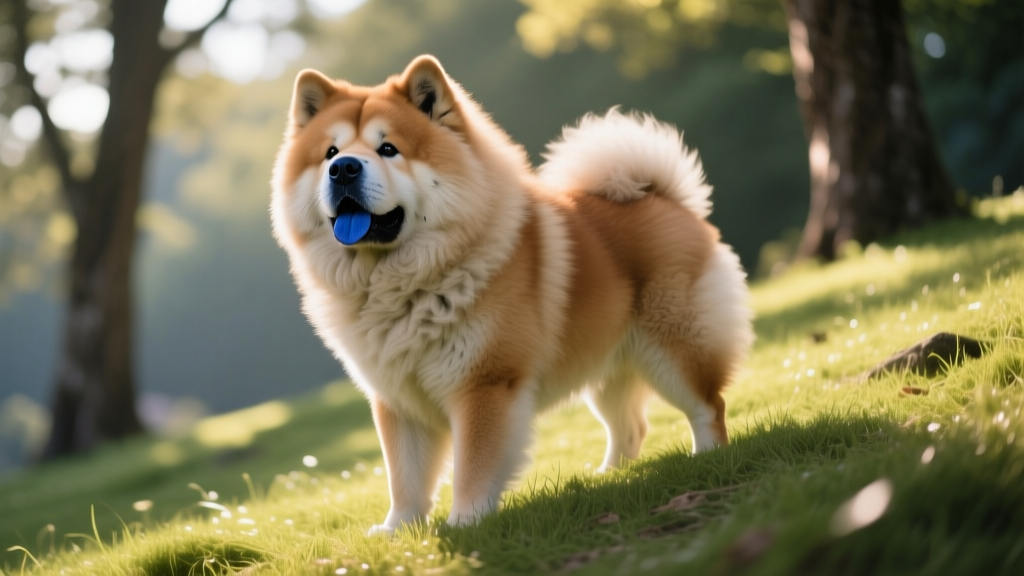
If you've searched "what is a chow dog," you're likely encountering the Chow Chow for the first time — or you've seen one on the street and couldn't get that lion-like silhouette out of your head. The Chow Chow is one of the world's oldest recognizable dog breeds, a spitz-type working dog that originated in northern China over 2,000 years ago. Known formally as the Songshi Quan (鬆獅犬, meaning "puffy-lion dog"), the Chow Chow is instantly identifiable by its dense double coat, scowling expression, and unmistakable blue-black tongue.
But the Chow Chow is far more than its striking appearance. This is a breed with a fiercely independent temperament, specific health vulnerabilities, and care requirements that catch many first-time owners off guard. Before you bring one home, here's everything you need to know about what a Chow dog really is — and whether this ancient breed fits your modern lifestyle.
| Weight | 45–70 lb / 20–32 kg |
| Height | 17–20 in / 43–51 cm at the shoulder |
| Lifespan | 8–12 years (median 10.5 years) |
| Coat | Rough (long, dense) or Smooth (short, hard); both double-coated |
| Colors | Red, black, blue, cinnamon, cream |
| Energy Level | Low to moderate (30–45 minutes daily) |
| Grooming | High — daily brushing during shedding season, 3–4x/week otherwise |
| Family Fit | Best for experienced owners; not ideal for families with toddlers |
| AKC Group | Non-Sporting Group |
Ancient Origins: Where the Chow Chow Comes From
The Chow Chow's origin story stretches back at least 2,000 years, with some canine historians and geneticists proposing an even older lineage. DNA analysis published in studies referenced by the American Kennel Club places the Chow Chow among the most basal dog breeds — meaning it diverged from the wolf ancestor earlier than most modern breeds.
- ~2000+ years ago (Northern China/Mongolia): The ancestors of the Chow Chow are believed to have served as hunting, herding, and guard dogs for nomadic tribes in the steppes of northern China and Mongolia. Bas-relief sculptures from the Han Dynasty (206 BC–220 AD) depict dogs strikingly similar to modern Chows.
- Han through Ming Dynasties: Chows reportedly served multiple utilitarian roles — pulling sledges, guarding temples and estates, hunting game, and, in some regions, providing fur and meat (the name "Chow" is believed to derive from a pidgin English term for miscellaneous goods from the East).
- 1780s: British East India Company traders are reported to have brought the first Chow Chows to England, where they were exhibited as curiosities in London's zoological gardens.
- 1895: The Chow Chow Club was founded in England, formalizing the breed standard.
- 1903: The AKC officially recognized the Chow Chow, placing it in the Non-Sporting Group.
- 1980s peak: Chow Chows surged in US popularity, ranking as high as 6th in AKC registrations — a boom that unfortunately fueled irresponsible breeding.
- 2025–2026: The breed now ranks around 77th–80th in AKC popularity, making it a relatively uncommon sight in American households.
The FCI (Fédération Cynologique Internationale) recognizes the Chow Chow under Group 5 (Spitz and Primitive Types), Section 5, with China listed as the country of origin. The UKC (United Kennel Club) classifies it in the Northern Breed Group.
What Makes a Chow Chow Physically Unique?
When people ask "what is a chow dog," the physical description is usually what they're after. The Chow Chow has several anatomical features found in almost no other breed:
The blue-black tongue: This is the breed's most famous hallmark. Unlike most dogs with pink tongues, the Chow Chow's tongue, gums, and roof of the mouth are deeply pigmented — ranging from dark blue to near-black. The only other breed sharing this trait is the Shar-Pei (which shares ancestral lineage with the Chow). A pink or spotted tongue on a Chow Chow is a disqualification under the AKC breed standard.
Straight hind legs: The Chow Chow has an unusually straight stifle (rear knee) with minimal angulation. This creates the breed's distinctive stilted, choppy gait — almost like a prancing motion. While this is a breed-defining characteristic, it also contributes to the breed's limited athletic range and predisposition to certain joint issues.
Lion-like ruff: Rough-coated Chows carry a profuse mane around the neck and shoulders, heavily plumed tail curling over the back, and substantial feathering on the thighs. The head appears broad and flat-skulled with small, thick, triangular ears set wide apart, giving the characteristic "scowl" expression.
Dense double coat: The undercoat is soft, thick, and woolly; the outer coat is harsh and straight. Rough-coated Chows can carry 3–5 inches of coat length on the body, with significantly longer fur on the ruff and tail. Smooth-coated Chows have a shorter, hard-textured outer coat (about 1 inch) but still carry a dense undercoat — they shed just as heavily but require less daily grooming.
Temperament: What Surprises New Chow Chow Owners
The Chow Chow temperament is where this breed truly diverges from what most people expect in a companion dog. If you're coming from a Golden Retriever or Labrador background, prepare for a fundamentally different personality.
Cat-like independence: Experienced Chow owners almost universally describe their dogs as "cat-like." Chows are not typically eager-to-please workers. They form deep bonds with their primary person but often show affection through quiet proximity rather than exuberant greetings. A Chow is more likely to sit in the same room as you than climb into your lap.
Strong territorial instinct: Chows are naturally aloof with strangers and can be intensely protective of their home and family. This isn't aggression in the typical sense — it's a deep-seated wariness that was selected for over centuries of guarding Chinese estates and temples. Without proper early socialization (beginning at 8–12 weeks and continuing through the first year), this wariness can harden into fear-based reactivity.
Low tolerance for rough handling: Chows tend to have little patience for poking, prodding, ear-pulling, or clumsy handling. This makes them a challenging fit for families with toddlers or very young children. They do best in households with older, dog-respectful children (generally age 10+) or adults-only homes.
Stubbornness in training: The Chow Chow ranks low on Stanley Coren's working/obedience intelligence scale — not because they lack intelligence, but because they lack motivation to comply with commands they see as pointless. Force-based or punitive training methods will backfire dramatically with this breed. Positive reinforcement, patience, and short training sessions (5–10 minutes) are essential. Many Chow owners find success with food-motivated training using high-value treats like freeze-dried liver or small pieces of cooked chicken.
Many new Chow owners are surprised by the breed's same-sex aggression (particularly male-male), their tendency to "hold grudges" against people who have treated them poorly, and the sheer volume of shedding during seasonal coat blows (spring and fall). Budget for professional grooming every 6–8 weeks ($65–$120 per session) during heavy shed seasons if you cannot commit to daily home brushing.
Chow Chow Health: Breed-Specific Conditions You Must Know
The Chow Chow's unique anatomy creates specific health vulnerabilities that go well beyond generic canine concerns. Here are the conditions with documented breed predisposition, along with prevalence data where available:
| Condition | Description | Prevalence/Notes | Estimated Treatment Cost |
|---|---|---|---|
| Entropion | Eyelids roll inward, causing corneal irritation and potential blindness. Common in brachycephalic-appearing breeds with heavy facial folds. | Reported in up to 30–40% of some Chow Chow lines; OFA lists Chows as a high-risk breed. | $300–$1,500 per eye (surgical correction) |
| Elbow Dysplasia | Developmental abnormality of the elbow joint causing pain, lameness, and early arthritis. | OFA data shows approximately 15–20% of Chow Chows evaluated have elbow dysplasia — significantly above the all-breed average. | $1,500–$4,000 (surgical) + lifelong joint supplements ($30–$60/month) |
| Hip Dysplasia | Malformation of the hip socket leading to joint instability, pain, and degenerative arthritis. | OFA reports roughly 12–18% of evaluated Chows with dysplastic hips. The breed's straight hind-leg conformation complicates assessment. | $3,500–$7,000 per hip (total hip replacement) |
| Chow Chow Myelopathy (Degenerative Myelopathy) | Progressive spinal cord degeneration causing hind-limb weakness and eventual paralysis. The SOD1 gene mutation has been identified in Chows. | Breed-specific variant documented; prevalence not fully quantified but recognized by veterinary neurologists as a Chow concern. | No cure; mobility carts ($250–$600) and palliative care |
| Autoimmune Thyroiditis | Immune-mediated destruction of the thyroid gland leading to hypothyroidism — weight gain, lethargy, coat thinning, skin infections. | Chows rank among breeds with elevated thyroiditis rates per Michigan State University's thyroid registry. | $30–$60/year (lifelong levothyroxine supplementation) |
| Gastric Dilatation-Volvulus (Bloat) | Life-threatening stomach torsion. Deep-chested breeds at higher risk. | Recognized risk for the breed; exact prevalence not quantified but documented in veterinary emergency literature. | $3,000–$7,000 emergency surgery; prophylactic gastropexy $300–$800 |
| Dermatitis/Hot Spots | The dense undercoat traps moisture against the skin, creating ideal conditions for bacterial and fungal skin infections. | Very common in rough-coated Chows, especially in humid climates. Many owners deal with recurrent hot spots. | $100–$400 per episode (vet visit + medicated shampoos/antibiotics) |
- Unproductive retching, distended abdomen, or restlessness (possible bloat — this is a life-threatening emergency)
- Sudden hind-limb weakness or dragging of rear paws
- Squinting, excessive tearing, or pawing at the eyes (entropion causing corneal ulceration)
- Difficulty breathing, especially in heat (Chows are extremely heat-sensitive due to dense coat and short muzzle)
Always consult your veterinarian for diagnosis and treatment. This article provides educational context, not medical advice.
The Orthopedic Foundation for Animals (OFA) maintains breed-specific health databases. Reputable Chow Chow breeders will provide OFA certifications for hips, elbows, and thyroid, as well as CERF/OFA eye exam clearances and SOD1 genetic test results for degenerative myelopathy.
Special Care Requirements: Grooming, Exercise, and Daily Life
- Brushing: Rough coat — daily during spring/fall shed, 3–4x/week off-season. Use an undercoat rake (e.g., Furminator Large or Chris Christensen Big G slicker brush, $35–$65) followed by a wide-tooth comb. Smooth coat — 2x/week with a bristle brush.
- Bathing: Every 6–8 weeks using a veterinary-formulated oatmeal or hypoallergenic shampoo. Thoroughly dry the undercoat with a high-velocity dryer ($100–$200 for models like the B-Air Pet Dryer) — trapped moisture causes hot spots.
- Exercise: 30–45 minutes of moderate walking daily. Avoid vigorous exercise in temperatures above 80°F / 27°C. Chows overheat rapidly due to their dense coat and compromised airway structure. Early morning or evening walks only in summer.
- Joint support: Given the breed's dysplasia risk, discuss joint supplements (glucosamine/chondroitin, omega-3 fatty acids) with your veterinarian starting at 12–18 months. Brands like Dasuquin or Cosequin ($25–$45/month) are commonly recommended.
- Dental care: Daily tooth brushing with enzymatic dog toothpaste (e.g., Virbac CET). Chows are prone to periodontal disease. Professional dental cleaning under anesthesia every 1–2 years ($400–$800).
- Socialization: Ongoing exposure to new people, environments, sounds, and other dogs from 8 weeks through at least 18 months. Puppy kindergarten classes (positive reinforcement only) are strongly recommended.
- Climate management: Chows thrive in cool climates. In warm regions, air conditioning is non-negotiable. Never leave a Chow outdoors in summer heat — heatstroke can develop within 15–20 minutes.
How Much Does a Chow Chow Cost? Purchase Price and Annual Budget
The Chow Chow is not a budget-friendly breed. Between the purchase price, intensive grooming needs, and elevated health risks, prospective owners should plan carefully.
| Expense Category | Estimated Cost |
|---|---|
| Puppy from a reputable breeder | $1,500–$3,500 (show-quality or champion-line puppies: $3,500–$6,000+) |
| Adoption/rescue | $200–$500 (Chow Chow Welfare and breed-specific rescues occasionally have adults available) |
| First-year veterinary care (vaccines, spay/neuter, microchip, baseline bloodwork) | $800–$1,500 |
| Annual veterinary care (checkups, vaccines, heartworm/flea prevention) | $500–$900/year |
| Grooming (professional, every 6–8 weeks) | $450–$960/year ($65–$120 per session × 6–8 sessions) |
| Food (high-quality large-breed formula, 4–5 cups/day) | $600–$960/year |
| Pet insurance | $50–$90/month ($600–$1,080/year) — premiums are higher for breeds with known health predispositions |
| Supplies (crate, bed, leash, grooming tools, toys) | $300–$600 initial |
| Estimated first-year total | $4,500–$9,500+ |
| Estimated annual ongoing cost | $2,500–$4,500/year |
Breeder red flags to avoid: No OFA health testing documentation, unwillingness to let you visit the breeding facility, multiple litters available year-round, no take-back or return clause in the contract, puppies sold before 8–10 weeks of age, and pricing significantly below $1,200 (which often indicates backyard breeding or puppy mill sourcing). The Chow Chow Club, Inc. maintains a breeder referral directory and code of ethics for member breeders.
Chow Chow vs. Similar Breeds: How Does It Compare?
If you're drawn to the Chow Chow's appearance but wondering whether a similar breed might be a better fit, here's a practical comparison:
| Trait | Chow Chow | Akita | Eurasier |
|---|---|---|---|
| Weight | 45–70 lb / 20–32 kg | 70–130 lb / 32–59 kg | 40–70 lb / 18–32 kg |
| Temperament | Aloof, independent, territorial, cat-like | Loyal, dignified, courageous, reserved with strangers | Calm, family-oriented, even-tempered, less aloof |
| Exercise needs | 30–45 min/day | 60–90 min/day | 45–60 min/day |
| First-owner friendly | Not recommended | Not recommended | Moderately suitable with guidance |
| Shedding | Extreme (seasonal blow) | Heavy (seasonal blow) | Moderate to heavy |
| Heat tolerance | Very poor | Poor | Moderate |
| Lifespan | 8–12 years | 10–13 years | 12–16 years |
| Availability | Low (long breeder waitlists) | Moderate | Very low (rare in the US) |
The Eurasier was actually developed in the 1960s in Germany by crossing the Chow Chow, Wolfspitz (Keeshond), and Samoyed — specifically to create a family companion with the Chow's beauty but a more biddable temperament. If you love the Chow's look but want a more family-friendly, trainable dog, the Eurasier may be worth researching — though finding one in the US requires patience and often international import.
The Akita shares the Chow's spitz heritage, territorial nature, and grooming demands but is substantially larger, more athletic, and requires more daily exercise. Both breeds demand experienced handling and are not recommended for first-time owners.
Is the Chow Chow Right for You? Real Owner Insights
After speaking with dozens of Chow owners and working alongside veterinary professionals who treat this breed regularly, here are the honest realities of living with a Chow Chow:
Energy level in practice: Most Chows are content with two 20-minute leash walks daily plus some yard time. They are not jogging partners and will actively refuse to continue walking if they become overheated or bored. Many owners describe their Chows as "couch dogs that look like lions."
Trainability quirks: Chows can learn obedience commands — but they evaluate whether compliance is worth their effort. A Chow that reliably sits for a treat at home may completely ignore the same cue at a busy park. Keep training sessions short, positive, and varied. Many Chow owners successfully earn Canine Good Citizen (CGC) titles, but it takes significantly more repetition and motivation than with biddable breeds like Border Collies or Poodles.
Lifestyle fit: The ideal Chow Chow owner is an experienced dog person who lives in a cooler climate (or has reliable air conditioning), has a securely fenced yard (Chows should never be off-leash in unfenced areas due to prey drive and poor recall), works from home or has a flexible schedule (Chows do poorly with 8+ hours of daily isolation), and is prepared for the financial commitment of potential orthopedic surgeries and lifelong grooming.
What owners love: Unwavering loyalty to their person, quiet demeanor (Chows bark less than most breeds), fastidious cleanliness (many Chows groom themselves like cats), dignified bearing, and a deep, quiet companionship that feels earned rather than given.
Frequently Asked Questions About Chow Dogs
Where did the Chow Chow originate and what was it bred for?
The Chow Chow originated in northern China and Mongolia at least 2,000 years ago. It served as a multi-purpose working dog — hunting game, herding livestock, pulling sledges, guarding temples and estates, and in some historical contexts, providing fur and meat. The breed's Chinese name, Songshi Quan, translates to "puffy-lion dog."
How rare is the Chow Chow today?
The Chow Chow ranks approximately 77th–80th out of 200+ AKC-recognized breeds in annual registration numbers, making it relatively uncommon. The breed experienced a popularity boom in the 1980s (ranking as high as 6th) followed by a steep decline as owners discovered the breed's demanding temperament and health needs. Today, reputable breeders often maintain waiting lists of 6–12 months for puppies.
What makes the Chow Chow different from similar-looking breeds?
Three physical features are essentially unique to the Chow Chow: the blue-black tongue and mouth pigmentation (shared only with the Shar-Pei), the nearly straight hind legs producing a distinctive stilted gait, and the combination of a broad, flat skull with a deeply set, scowling expression and heavy lion-like ruff. No other breed combines all three of these traits.
Is the Chow Chow suitable for families or first-time owners?
Generally, no. The Chow Chow is not recommended for first-time dog owners due to its strong-willed temperament, low tolerance for handling, and significant grooming and health management demands. Chows can coexist with respectful older children (10+) but are not a good match for homes with toddlers. They do best with experienced owners who understand canine body language and are committed to ongoing socialization and positive reinforcement training.
What special care does a Chow Chow require?
Chow Chows require intensive coat management (daily brushing during shedding seasons, professional grooming every 6–8 weeks), strict heat avoidance (they are among the most heat-intolerant breeds), early and ongoing socialization, proactive joint health monitoring (OFA hip/elbow screening), regular eye exams for entropion, and thyroid function testing. They also need careful weight management — excess weight dramatically worsens joint stress in this already dysplasia-prone breed.
How much does a Chow Chow typically cost?
A Chow Chow puppy from a reputable, health-testing breeder typically costs $1,500–$3,500, with show-line puppies reaching $3,500–$6,000+. Rescue adoptions range from $200–$500. The realistic first-year total cost of ownership (including veterinary care, grooming, food, insurance, and supplies) falls between $4,500 and $9,500, with ongoing annual costs of $2,500–$4,500.
Jonas Cole
All our authors care for dogs every day — read more of their work on the authors page.