Canadian Eskimo Dog: The Rare Arctic Breed Profile & Care Guide
Discover the Canadian Eskimo Dog — a rare Arctic spitz breed with rich Inuit history, extreme endurance, & specialized care needs.
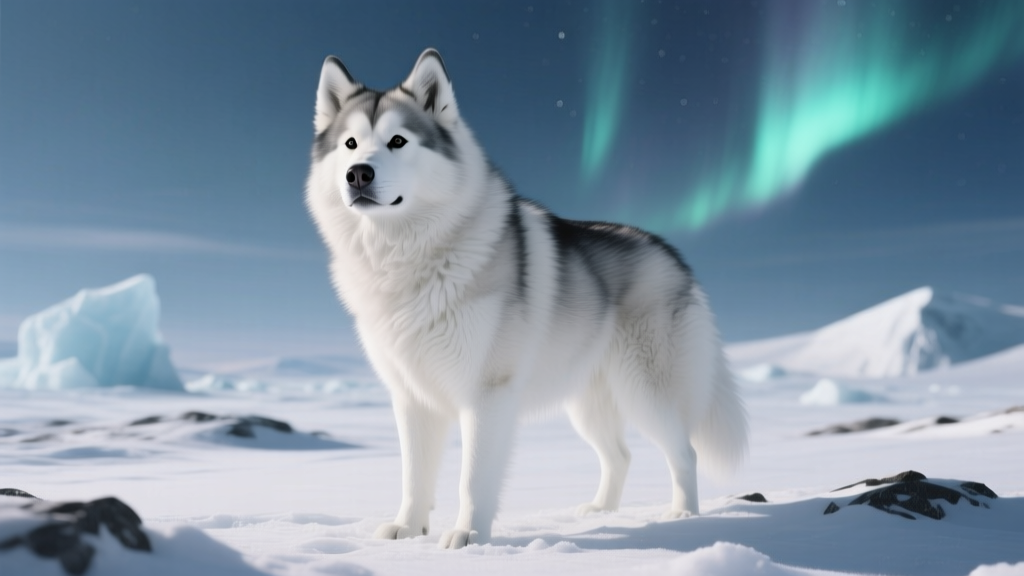
If you've ever watched a team of powerful, thick-coated dogs pulling a sled across Arctic ice in a documentary, there's a strong chance you were looking at the Canadian Eskimo Dog. Known to the Inuit as qimmiq (simply meaning "dog"), this is one of the oldest and rarest purebred indigenous dogs in North America — a living artifact of thousands of years of Arctic survival. Yet despite its iconic history, fewer than 300 registered Canadian Eskimo Dogs exist today, making it far rarer than the Tibetan Mastiff or even the Azawakh.
This guide covers everything a prospective owner or curious researcher needs to know about the Canadian Eskimo Dog: its deep Arctic origins, what separates it from the Siberian Husky or Alaskan Malamute, the serious exercise and grooming commitments it demands, and the realistic costs and challenges of bringing one into your home in 2026.
Origin and History: The Qimmiq of the Inuit
The Canadian Eskimo Dog traces its lineage back at least 1,000 years — possibly as far as 4,000 years based on archaeological evidence from Thule culture sites across the Canadian Arctic. The Thule people, ancestors of modern Inuit, relied on these dogs not as pets but as essential survival partners. The qimmiq pulled heavy sleds laden with family belongings across sea ice, hunted muskox and polar bear by holding prey at bay until the hunter arrived, and provided warmth on brutal nights when temperatures plunged below -50°F (-45°C).
Key Milestones in Breed History:
- ~2000 BCE–1000 CE: Paleo-Eskimo and Dorset peoples use dogs for transport in the Arctic; genetic evidence suggests these early dogs were distinct from the later qimmiq lineage.
- ~1000 CE: Thule migration brings the direct ancestors of the Canadian Eskimo Dog across the Bering Strait and throughout the Canadian Arctic Archipelago.
- 1800s: European explorers, including those on the Franklin expeditions, document and use qimmiq teams for polar exploration.
- 1920s–1960s: The Royal Canadian Mounted Police (RCMP) use Canadian Eskimo Dogs for Arctic patrols. The RCMP Sled Dog Program becomes iconic.
- 1950s–1970s: Snowmobiles replace dog teams. The RCMP controversially removes thousands of sled dogs from Inuit communities — an event known as the qimmiq massacre or RCMP sled dog slaughter, for which the Canadian government issued an apology in 2008.
- 1970s: The Eskimo Dog Research Foundation (EDRF), led by John McGrath and William Carpenter, begins a rescue effort to save remaining purebred stock. Only about 200 dogs are located across the Arctic.
- 1986: The Canadian Kennel Club (CKC) officially recognizes the Canadian Eskimo Dog.
- 2018: The United Kennel Club (UKC) recognizes the breed. The AKC does not currently recognize it, though it is listed in the AKC Foundation Stock Service (FSS).
- 2020s: Population remains critically low. The Nunavut government declares the Canadian Eskimo Dog the official territorial animal in 2000, and conservation efforts continue through breeders in Canada, the UK, and scattered US programs.
The breed's near-extinction is not ancient history — it happened within living memory. According to the Canadian Kennel Club, annual registrations have remained in the low dozens for over a decade. If you're considering this breed, you are looking at a dog that almost disappeared entirely.
Physical Characteristics: Built for the Extreme
The Canadian Eskimo Dog is a powerfully built, medium-to-large spitz breed designed for pulling heavy loads over long distances — not for sprinting. This is a critical distinction from the lighter, faster Siberian Husky.
| Attribute | Specification |
|---|---|
| Weight (Male) | 66–105 lb / 30–47 kg |
| Weight (Female) | 40–66 lb / 18–30 kg |
| Height (Male) | 23–27.5 in / 58–70 cm at the withers |
| Height (Female) | 20–24 in / 50–60 cm at the withers |
| Lifespan | 10–15 years (average 12 years) |
| Coat Type | Dense double coat; outer guard hairs up to 6 in (15 cm) long |
| Coat Colors | White, white with biscuit/tan markings, red & white, black & white, sable & white, solid white most common |
| Energy Level | Very high — bred for sustained endurance work |
| Grooming Needs | Heavy; daily brushing during shedding, weekly otherwise |
| Family Fit | Experienced owners only; not ideal for young children or first-time owners |
| AKC Recognition | Not fully recognized (FSS only) |
| UKC Recognition | Recognized (2018, Northern Breed Group) |
| CKC Recognition | Recognized (1986, Working Group) |
Several physical features distinguish the Canadian Eskimo Dog from similar-looking breeds:
- The tail: Carried in a tight curl over the back, heavily furred. Unlike the Alaskan Malamute's plumed tail, the CED's tail is more compact and tightly curled.
- Ears: Short, thick, and triangular with slightly rounded tips — set wide apart and heavily furred inside. Noticeably shorter than the erect, pointed ears of a Siberian Husky.
- Body proportions: Slightly longer than tall, with a deep, wide chest and heavy bone structure. Males can be genuinely massive at up to 105 lb — heavier than most Malamutes.
- Eyes: Almond-shaped, set obliquely, typically dark brown. Blue eyes are not a breed standard trait and would suggest mixed ancestry.
- Muzzle: Wedge-shaped, broad, and proportionally shorter than a Husky's but longer than an Akita's.
Temperament: What Surprises New Owners
The Canadian Eskimo Dog's temperament reflects thousands of years of selective pressure for endurance, pack cooperation, and prey drive — not for sitting on a couch. Here's what catches first-time owners off guard:
They vocalize constantly. This is not a breed that barks in the traditional sense. Canadian Eskimo Dogs howl, "talk," whine, grunt, and produce the iconic Arctic dog-team chorus. If you live in close proximity to neighbors — apartments, townhomes, suburban cul-de-sacs — this breed will create problems. They are loud, and no amount of training will silence a deeply ingrained vocalization instinct.
Prey drive is extreme and non-negotiable. These dogs were bred to hunt muskoxen and polar bears. Small animals — cats, rabbits, chickens, even small dogs — will trigger an instinctive chase-and-kill response. This is not something you can reliably train away with positive reinforcement alone. Management (secure fencing, leash protocols, never off-leash in unfenced areas) is mandatory for life.
Pack hierarchy matters intensely. Canadian Eskimo Dogs function as a team animal. They bond deeply with their human "pack" but tend to be aloof or indifferent with strangers. They are not guard dogs in the protective sense — they'll alert you to intruders vocally but are unlikely to attack. However, same-sex dog aggression is common, particularly among males. Many experienced owners keep them as the only dog or in carefully managed male-female pairs.
Independence is high; biddability is low. If you're used to the eager-to-please responsiveness of a Labrador or Border Collie, the Canadian Eskimo Dog will feel like training a cat. They learn commands but comply only when motivated. Force-free, reward-based training with high-value food rewards (freeze-dried liver, real meat) works best — but expect to repeat exercises many times before achieving reliability. Shock collars, prong collars, and dominance-based methods are counterproductive and damage trust with this sensitive, proud breed.
They are not cuddly in the traditional sense. While affectionate with their family, Canadian Eskimo Dogs often prefer to be near you rather than on you. They'll lean against your leg, sleep in the same room, and follow you around — but sustained lap-sitting is rare.
Special Care Requirements
Owning a Canadian Eskimo Dog is a lifestyle commitment that goes well beyond typical dog ownership. Here's what the day-to-day actually looks like.
Exercise: The Non-Negotiable Minimum
This breed was built to pull 100–200 lb sleds for 40–70 miles per day. While your pet CED won't be running the Iditarod, its exercise needs are still far beyond what most owners expect:
- Minimum daily exercise: 90–120 minutes of vigorous activity. A 20-minute walk around the block will not suffice and will lead to destructive behavior, excessive howling, and escape attempts.
- Best activities: Weight pulling (carting/mushing), long-distance hiking with a loaded dog backpack, canicross (competitive dog-assisted running), bikejoring, and skijoring in winter.
- Temperature sensitivity: Canadian Eskimo Dogs overheat dangerously above 60°F (15°C). In warm climates, exercise must be limited to early morning and late evening. They should never be exercised in temperatures above 75°F (24°C). Air conditioning is mandatory in summer — heatstroke is a genuine and frequent risk.
- Off-leash reliability: Essentially nonexistent. Their prey drive and independence mean they will chase and may not return. A securely fenced yard (minimum 6-foot fencing with dig-proof barriers) is required.
Grooming: The Coat Reality
| Task | Frequency | Details |
|---|---|---|
| Brushing (undercoat rake + slicker brush) | 2–3x per week (daily during blow) | Use an undercoat rake like the Furminator Deshedding Tool (large, long-hair model) followed by a slicker brush |
| Coat "blow" (full shed) | 1–2x per year, lasting 3–6 weeks | Expect tumbleweeds of fur throughout your home. Daily brushing mandatory during this period |
| Bathing | Every 3–4 months or as needed | The coat is naturally dirt-resistant. Over-bathing strips protective oils. Use a moisturizing dog shampoo (e.g., Earthbath Oatmeal & Aloe) |
| Nail trimming | Every 2–3 weeks | Thick, hard nails. A Dremel 7300-PT rotary tool works better than clippers for this breed's nail density |
| Ear cleaning | Monthly | Check for wax buildup and debris. Clean with a vet-approved ear wash |
| Dental care | Daily brushing ideal, minimum 3x/week | Use enzymatic dog toothpaste (e.g., Virbac C.E.T.) |
Never shave a Canadian Eskimo Dog. The double coat provides insulation against both cold and heat. Shaving destroys the coat's thermoregulatory function and it may never grow back correctly. This is a common mistake made by well-meaning groomers unfamiliar with Arctic breeds.
Nutrition
Despite their size, Canadian Eskimo Dogs are surprisingly efficient eaters — a legacy of surviving on limited rations in the Arctic. Most adults thrive on 2.5–4 cups of high-quality kibble per day (split into two meals), depending on activity level. Look for AAFCO-certified formulas with a named animal protein as the first ingredient and a minimum 22% protein / 8% fat for adult maintenance.
During heavy exercise (mushing season, competitive weight pulling), caloric needs can double. Working-line owners often supplement with high-fat performance diets (30%+ protein, 20%+ fat) such as Purina Pro Plan Sport Performance 30/20 or Orijen Original. Always consult your veterinarian before making significant dietary changes.
Breed-Specific Health Concerns
The Canadian Eskimo Dog benefits from some degree of hybrid vigor due to its small but genetically diverse founding population. However, several conditions are overrepresented in the breed. According to the Merck Veterinary Manual and breed health surveys, owners should be aware of:
| Condition | Prevalence | Screening Method | Estimated Treatment Cost |
|---|---|---|---|
| Hip Dysplasia | Moderate (~15–20% based on OFA data for related Arctic breeds) | OFA or PennHIP radiographic evaluation at 24 months | $1,500–$6,000 per hip (surgical) |
| Progressive Retinal Atrophy (PRA) | Low-to-moderate; reported in breed surveys | CERF/OFA ophthalmologist exam annually; genetic test available | No cure; management only |
| Heatstroke | High risk in warm climates | Preventive management (temperature monitoring, exercise restriction) | $1,500–$7,000 emergency treatment |
| Gastric Dilatation-Volvulus (Bloat) | Low-to-moderate; deep-chested breed | Preventive: slow-feed bowls, no exercise 1hr before/after meals, discuss gastropexy with vet | $3,000–$7,000 emergency surgery |
| Zinc-Responsive Dermatosis | Reported in Arctic/spitz breeds generally | Veterinary dermatology exam, skin biopsy | $200–$500 diagnosis; $30–$60/month lifelong supplementation |
| Entropion/Ectropion | Low; occasional reports | Annual ophthalmologist screening | $500–$1,500 surgical correction per eye |
Reputable breeders should provide: OFA hip certifications (both parents), annual CERF eye clearances, and a documented health history of the sire and dam for at least three generations. Always ask for these before committing to a puppy. Consult your veterinarian about establishing a preventive care schedule tailored to this breed's specific risks.
How the Canadian Eskimo Dog Compares to Similar Breeds
Understanding how this breed differs from more common Arctic dogs is essential for making the right choice.
| Trait | Canadian Eskimo Dog | Siberian Husky | Alaskan Malamute |
|---|---|---|---|
| Weight Range | 40–105 lb / 18–47 kg | 35–60 lb / 16–27 kg | 75–85 lb / 34–39 kg |
| Original Purpose | Heavy freighting, hunting (muskox/polar bear) | Light, fast sled racing | Heavy freighting |
| Speed vs. Endurance | Endurance (slow, steady pull) | Speed (fast, lighter loads) | Endurance (heavy, steady pull) |
| Prey Drive | Extreme | High | High |
| Vocalization | Very high (howling, "talking") | High (howling, vocal) | Moderate (howling, less frequent) |
| Same-Sex Aggression | Common, especially males | Moderate | Common, especially males |
| Off-Leash Reliability | Very poor | Poor | Poor |
| Stranger Friendliness | Aloof/indifferent | Friendly/indifferent | Aloof but generally tolerant |
| Heat Tolerance | Very poor | Poor | Poor |
| AKC Recognition | No (FSS only) | Yes (since 1930) | Yes (since 1935) |
| Population Status | Critically rare (<300 registered) | Very common | Common |
| Puppy Price Range (2026) | $2,500–$5,000+ | $800–$2,500 | $1,500–$3,500 |
The Canadian Eskimo Dog is most frequently confused with the Alaskan Malamute due to similar size and freighting heritage. However, the CED tends to have a tighter tail curl, shorter ears, a more pronounced prey drive (hunting heritage), and a more primitive, less "softened" temperament. Where a Malamute might lean into a stranger for attention, a CED is more likely to simply ignore them.
Availability, Breeders, and Costs
Finding a Canadian Eskimo Dog puppy is genuinely difficult. The breed's tiny population means waitlists of 1–3 years are standard, and litters are small (typically 4–6 puppies). Most breeders are located in Canada (particularly Nunavut, the Northwest Territories, Alberta, and British Columbia), with a handful in the United Kingdom and very few in the United States.
Where to Find a Canadian Eskimo Dog
- Eskimo Dog Research Foundation (EDRF): The primary conservation organization. They maintain a breeder directory and can connect you with registered programs.
- Canadian Kennel Club (CKC) breeder listings: Search the CKC directory for registered Canadian Eskimo Dog breeders.
- UKC breeder networks: Since 2018 UKC recognition, a small number of US-based breeders participate in UKC events.
- Breed-specific rescues: Extremely rare but occasionally available through the EDRF or Arctic breed rescue networks. Adult dogs sometimes become available when owners cannot meet the breed's demands.
Expected Costs in 2026
| Expense | Estimated Cost (USD) |
|---|---|
| Puppy purchase price | $2,500–$5,000 (rare lines or import: $5,000–$8,000) |
| Shipping/transport (if importing from Canada/UK) | $500–$2,000 |
| Initial veterinary exam + vaccinations (first year) | $400–$800 |
| Spay/neuter | $300–$600 |
| Crate (XXL, e.g., MidWest Solutions Series 54") | $120–$200 |
| Weight-pulling harness and cart/bikejoring gear | $200–$600 |
| Annual food cost | $700–$1,200 |
| Annual preventive veterinary care | $500–$900 |
| Grooming supplies (undercoat rake, brushes, Dremel) | $80–$150 initial |
| Pet insurance (annual premium) | $600–$1,200 |
First-year total: Expect to spend $5,500–$12,000+ including the puppy purchase. Ongoing annual cost: $2,000–$4,000 per year.
Breeder Red Flags
- No OFA/PennHIP hip certifications on parents
- Cannot provide three-generation pedigree
- Has puppies available immediately with no waitlist (may indicate backyard breeding)
- Sells through third-party websites, pet stores, or social media without direct communication
- No take-back clause in the contract (responsible breeders require you to return the dog to them if you can no longer keep it)
- Cannot discuss the breed's specific challenges honestly
Is This Breed Right for You?
The Canadian Eskimo Dog is not suitable for most households. Here's a realistic decision framework:
This breed may work for you if:
- You live in a cold or temperate climate (USDA Hardiness Zones 3–6 ideal)
- You have a securely fenced yard of at least 1/4 acre with 6-foot fencing
- You are physically active and can commit to 90+ minutes of vigorous daily exercise year-round
- You have prior experience with strong-willed, high-prey-drive breeds
- You don't have cats, small dogs, or livestock
- You're prepared for a 1–3 year waitlist and significant costs
- You can tolerate (and your neighbors can tolerate) frequent howling
This breed is almost certainly wrong for you if:
- You live in an apartment, condo, or densely packed neighborhood
- You live in a hot climate (USDA Zones 8–11) without robust air conditioning
- You're a first-time dog owner
- You want an off-leash hiking companion
- You have young children who cannot respect a large, powerful dog's boundaries (CEDs are not aggressive toward children but are large enough to accidentally injure a toddler)
- You want a dog that is easily obedience-trained
Frequently Asked Questions
How rare is the Canadian Eskimo Dog today?
Extremely rare. Fewer than 300 dogs are registered worldwide across the CKC, UKC, and associated breed registries. Annual puppy registrations number in the low dozens. The breed is considered one of the rarest indigenous dog breeds in North America and is the subject of active conservation efforts.
Can Canadian Eskimo Dogs live in warm climates?
They can survive with significant management, but they do not thrive in heat. Above 60°F (15°C), exercise must be restricted to cool hours. Above 75°F (24°C), outdoor time should be minimal and air conditioning is essential. Heatstroke is a leading cause of emergency veterinary visits for this breed in southern regions. If you live in the American South, Southwest, or any tropical climate, this is not an appropriate breed choice.
What's the difference between a Canadian Eskimo Dog and a "Canadian Inuit Dog"?
They are the same breed. "Canadian Inuit Dog" is the name preferred by some registries and the Inuit community, as "Eskimo" is considered by many to be an outdated or inaccurate exonym. The CKC uses "Canadian Eskimo Dog" while some organizations and the Government of Nunavut use "Canadian Inuit Dog." The breed standard and genetics are identical.
Are Canadian Eskimo Dogs good with children?
They are generally tolerant of children within their own family and are not aggressive toward people. However, they are large (up to 105 lb), powerful, and not particularly gentle or patient. They are best suited to families with older children (age 10+) who understand how to interact respectfully with dogs. They should never be left unsupervised with any child, as is true for all breeds.
Can I use a Canadian Eskimo Dog for actual sledding?
Absolutely — this is what they were born to do. Many owners participate in recreational mushing, weight pulling competitions (through the United Kennel Club and American Weight Pulling Alliance), canicross, and skijoring. A single Canadian Eskimo Dog can be trained for recreational skijoring or bikejoring. For traditional team mushing, you'd need a team of at least 3–6 dogs and specialized equipment, which is a significant commitment.
Do Canadian Eskimo Dogs shed a lot?
Yes — profusely. They shed moderately year-round and "blow" their entire undercoat once or twice annually, producing enormous quantities of loose fur for 3–6 weeks. During the blow, daily brushing with an undercoat rake is essential. If you're particular about a clean home or have allergies, this breed will be a poor fit.
This article is for informational purposes only and does not replace professional veterinary advice. Always consult your veterinarian for health, nutrition, and preventive care decisions specific to your dog.
Dr. Hannah Wickes
All our authors care for dogs every day — read more of their work on the authors page.


