Toy Mini Australian Shepherd: Complete Breed Profile & Care Guide
Everything about the toy mini Australian shepherd: size, temperament, health risks, exercise needs, grooming, training tips, and 2026 ownership costs.

Breed Overview: What Is a Toy Mini Australian Shepherd?
The toy mini Australian shepherd is a downsized version of the standard Australian Shepherd, selectively bred to stand under 14 inches at the shoulder and weigh between 7 and 20 pounds. Despite the compact frame, these dogs carry the same herding-drive DNA, sharp intelligence, and velcro-dog attachment style that made the standard Aussie one of America's most popular breeds. The "toy" designation refers to the smallest end of the miniature spectrum, while "mini" covers the 14-18 inch range — many breeders and owners use "toy mini" interchangeably to describe dogs in the 10-14 inch bracket.
The Australian Shepherd itself was developed in the western United States during the 19th and early 20th centuries, despite the misleading name. Basque shepherds who emigrated from Australia brought their herding dogs, which were then crossed with Collies and other herding breeds in California and the Pacific Northwest. The push to create smaller versions began in the late 1960s when California horse trainer Doris Cordova acquired undersized Aussies from the rodeo circuit. Her foundation dog, Cordova's Spike, was bred to produce the miniature line. By the 1990s, breeders were further selecting for toy sizes, and registries like the American Kennel Club eventually recognized the Miniature American Shepherd (the AKC's official name for the mini variety) in 2015. The toy size remains outside AKC recognition but is tracked by organizations like the Toy Australian Shepherd Association and MASCA (Miniature Australian Shepherd Club of America).
| Attribute | Details |
|---|---|
| Size Class | Toy / Small |
| Weight | 7–20 lb (3–9 kg) |
| Height | 10–14 inches (25–36 cm) at the shoulder |
| Lifespan | 13–17 years |
| Coat Type | Medium-length double coat; straight to wavy |
| Energy Level | High — 45–75 minutes/day of structured activity |
| Grooming Frequency | Brushing 3–4× per week; professional groom every 8–10 weeks |
| Family Fit | Excellent for active households; moderate suitability for apartments |
| AKC Recognition | Not recognized at toy size (Miniature American Shepherd covers 14–18 in) |
Temperament & Personality: Big Dog Attitude in a Small Package
Toy mini Australian shepherds are not lap ornaments. They are working-line dogs compressed into a travel-friendly chassis, and their temperament reflects that heritage in five core traits:
1. Intense handler focus. A toy mini Aussie watches your hands, your face, and your routine with the concentration of a border collie. They learn patterns quickly — which cabinet holds treats, which shoes mean a walk, which tone of voice means trouble. This makes them extraordinarily trainable but also means they notice (and react to) inconsistencies in your rules.
2. High herding instinct. Expect ankle-nipping, circling behavior, and a compulsion to "gather" moving children, other pets, or even guests heading toward the door. In my experience working with owners of toy herding breeds, this instinct peaks between 4 and 8 months and requires active redirection rather than punishment. Teaching a "leave it" and a reliable recall early is non-negotiable.
3. Velcro-level attachment. These dogs follow you from room to room, press against your leg while you cook, and often develop separation anxiety if left alone for more than 4–5 hours regularly. They thrive in households where someone is home often or where the dog can accompany the owner to work.
4. Alertness bordering on wariness. Toy mini Aussies are not aggressive, but they are vocal watchdogs. They will bark at delivery drivers, squirrels, and the neighbor's cat with genuine conviction. Early socialization (8–16 weeks) with varied people, surfaces, and sounds reduces reactive barking in adulthood.
5. Playful problem-solving. Puzzle toys, snuffle mats, and hide-and-seek games are not optional luxuries — they are mental health requirements. A bored toy mini Aussie will invent its own entertainment, usually involving shredded mail, opened cabinets, or obsessive shadow-chasing.
Pros
- Highly trainable; excels at agility, rally, and trick dog titles
- Compact size suits apartments, RV living, and travel
- Long lifespan (13–17 years) compared to larger breeds
- Strong bond with family; intuitive to owner emotions
- Lower food costs due to small size (roughly ½–1 cup kibble/day)
Cons
- Prone to separation anxiety if left alone excessively
- Herding instinct problematic around toddlers and small pets
- Vocal — not ideal for thin-walled apartments or noise-sensitive environments
- Double coat sheds heavily twice a year (seasonal blows)
- MDR1 gene mutation common — certain medications can be toxic
Physical Characteristics: Size, Coat, and Build
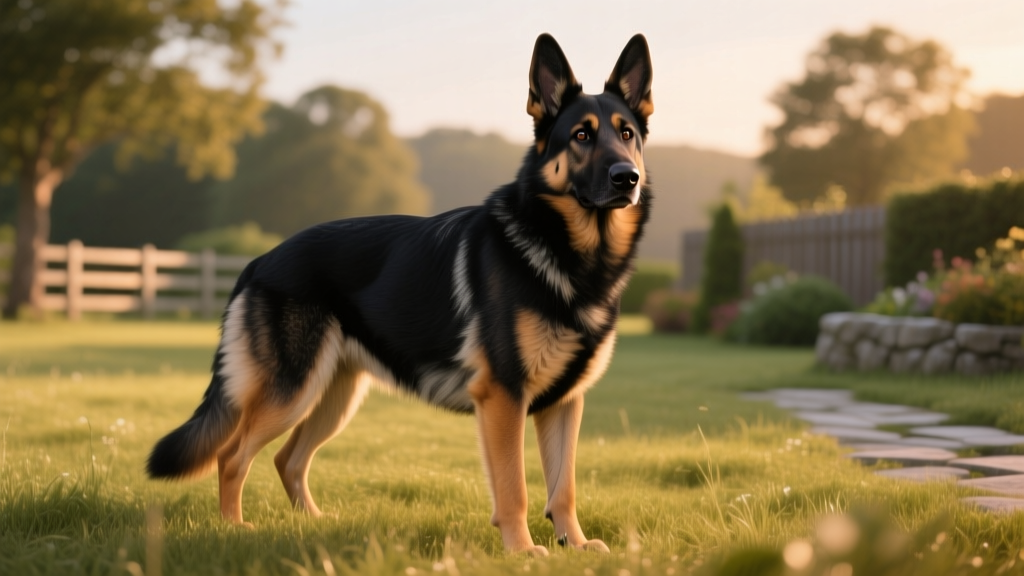
Adult toy mini Australian shepherds typically weigh between 7 and 20 pounds (3–9 kg), with most falling in the 10–15 pound range. Height at the withers measures 10 to 14 inches (25–36 cm). The body is slightly longer than tall, giving a rectangular silhouette, with a moderate bone structure that feels surprisingly sturdy for the size.
The coat is a medium-length double coat — a soft, dense undercoat beneath a moderately coarse outer coat that can be straight or slightly wavy. Recognized colors include blue merle, red merle, solid black, and solid red, all with or without white and/or tan (copper) markings. Eye color is one of the breed's most striking features: blue, brown, amber, hazel, or heterochromia (two different-colored eyes) are all possible, and marbled or "split" eyes are common in merles.
Natural bobtails occur in roughly 20% of the breed due to the T-gene mutation. Many toy mini Aussies born with full-length tails are docked at 3–5 days, though this practice is increasingly debated and banned in several countries. Ear set is semi-erect, with the ear folding over at roughly the one-third to one-half point.
Exercise & Activity Needs
Despite their small stature, toy mini Australian shepherds require a minimum of 45 to 75 minutes of structured activity daily. This is not a breed that self-exercises in a backyard — they need directed engagement. Here is a realistic daily activity breakdown:
| Activity Type | Duration | Frequency | Examples |
|---|---|---|---|
| Leash walk | 20–30 min | Daily (morning + evening preferred) | Sniffari walks, neighborhood routes |
| Off-leash play | 15–20 min | 4–5× per week | Fetch, flirt pole, dog park (if well-socialized) |
| Mental enrichment | 10–15 min | Daily | Puzzle toys, snuffle mats, training sessions |
| Structured sport | 30–45 min | 2–3× per week | Agility, rally obedience, nosework, herding trials |
| Trick training | 5–10 min | Daily | Shaping sessions, clicker training new behaviors |
Toy mini Aussies excel at dog sports scaled to their size. The AKC offers Preferred Agility classes with 8-inch and 12-inch jump heights, and many toy minis compete successfully in FAST CAT (coursing ability), barn hunt, and AKC Trick Dog programs. If competitive sport is not your goal, structured games like "find it" (scent work in the living room) and flirt pole sessions provide adequate outlet for the prey-drive and herding impulses.
Caution: avoid repetitive high-impact activities (long-distance running on hard surfaces, excessive stair climbing) before growth plates close at approximately 12–14 months. Puppy joints are vulnerable to developmental orthopedic disease.
Common Health Issues
Responsible breeders screen for conditions prevalent in the Australian Shepherd gene pool. The toy mini size does not eliminate these risks — in some cases, extreme downsizing can amplify them. Always consult your veterinarian for breed-appropriate health screening and never rely on online symptom checkers as a substitute for professional diagnosis.
| Condition | Description | Estimated Prevalence | Screening Method |
|---|---|---|---|
| MDR1 Gene Mutation | Multi-drug resistance mutation causing toxic reactions to ivermectin, loperamide, certain chemotherapy agents, and other common drugs | ~35–50% of herding breeds carry at least one copy | DNA test (Washington State University Veterinary Clinical Pharmacology Lab) |
| Progressive Retinal Atrophy (PRA) | Gradual degeneration of retinal photoreceptors leading to blindness, typically onset between 3–5 years | ~5–10% carrier rate in Aussies | OFA/CERF ophthalmologist exam; DNA test for prcd-PRA |
| Hip Dysplasia | Malformation of the hip joint causing arthritis, pain, and lameness | ~6–8% in miniature/toy lines (per OFA data) | OFA or PennHIP radiographic evaluation at 24 months |
| Epilepsy (Idiopathic) | Recurrent seizures with no identifiable structural cause; onset typically 6 months to 5 years | Estimated 2–4% (higher in some herding lines) | Diagnosis of exclusion via veterinary neurology workup |
| Cataracts | Opacification of the lens; hereditary cataracts can appear as early as 1–3 years | ~5–8% in the breed | Annual CERF ophthalmologist exam |
The MDR1 mutation deserves particular attention. Dogs with one or two copies of the mutation can experience severe neurotoxicity — tremors, disorientation, blindness, seizures, and death — from drugs that are safe for non-affected dogs. The Washington State University College of Veterinary Medicine maintains a list of drugs to avoid or dose-adjust for MDR1-affected dogs. Every toy mini Aussie owner should have their dog DNA-tested for MDR1 before any medication is administered, including routine heartworm preventives (though standard doses of ivermectin-based heartworm preventives are generally safe even for MDR1-positive dogs, according to the FDA's Center for Veterinary Medicine).
Grooming Requirements
The double coat requires consistent maintenance to prevent matting and manage shedding. Here is a practical grooming schedule:
- Brushing (3–4× per week): Use a slicker brush followed by an undercoat rake during shedding season (spring and fall). A metal greyhound comb works through feathering on the legs and behind the ears where tangles form first. Expect 10–15 minutes per session.
- Bathing (every 6–8 weeks or as needed): Use a dog-specific pH-balanced shampoo (canine skin pH is 6.2–7.4, more neutral than human skin). Avoid human shampoos, which strip natural oils and cause dryness.
- Nail trimming (every 2–3 weeks): Toy mini Aussie nails grow quickly. Use a scissor-style clipper or a rotary grinder (Dremel-style). If nails click on hard floors, they are too long — overgrown nails alter gait and contribute to joint stress.
- Ear cleaning (weekly): Check semi-erect ears for debris, moisture, and odor. Clean with a veterinary-approved ear cleanser; avoid cotton swabs inside the ear canal.
- Dental care (daily ideal, minimum 3× per week): Small breeds are disproportionately affected by periodontal disease. Brush with enzymatic dog toothpaste. Professional dental cleaning under anesthesia is typically needed by age 3–5 years.
- Professional grooming (every 8–10 weeks): A sanitary trim, paw pad shave, and feathering thinning keeps the coat manageable. Expect to pay $50–$85 per session depending on your region.
Never shave a toy mini Aussie's coat. The double coat provides insulation against both heat and cold; shaving disrupts the guard hair regrowth cycle and can cause permanent coat damage (post-clipping alopecia), particularly in merles.
Training & Intelligence
Toy mini Australian shepherds rank among the most trainable small breeds, inheriting the Aussie's position in the top tier of canine working intelligence. They typically learn a new command in fewer than 5 repetitions and obey a known command on the first signal 95% of the time or better — comparable to the standard Australian Shepherd's performance in Stanley Coren's intelligence rankings.
Recommended training methods center on positive reinforcement and force-free techniques. Clicker training, lure-and-reward shaping, and marker-based training (verbal "yes!" or click) produce fast, reliable results. Toy mini Aussies are sensitive to tone and body language; harsh corrections or aversive tools (shock collars, prong collars, alpha rolls) damage the handler-dog bond and frequently trigger fear-based reactivity in this breed.
Key training priorities for toy mini Aussie owners:
- Recall (come when called): The herding instinct and prey drive can override obedience in distracting environments. Train recall on a long line (15–30 ft) before attempting off-leash reliability. This may take 6–12 months of consistent practice.
- "Leave it" and impulse control: Essential for managing herding behavior toward children, cats, and bicycles.
- Crate training: Provides a safe den and is critical for managing separation anxiety. Introduce the crate as a positive space with meals and stuffed Kongs — never use it as punishment.
- Settle/mat training: Teach the dog to go to a designated mat and remain calm. This is invaluable for managing the breed's default hyper-vigilance in public settings.
- Early socialization (8–16 weeks): Expose the puppy to 100+ novel stimuli (surfaces, sounds, people, other animals) during the critical socialization window. The American Veterinary Medical Association recommends structured socialization classes that follow safe vaccination protocols.
Family Suitability: Kids, Pets, and Living Spaces
With children: Toy mini Aussies do well with respectful, dog-savvy children aged 7 and up. Their small size makes them vulnerable to accidental injury from toddlers who grab, squeeze, or drop them. The herding instinct also means they may nip at running children's ankles — not out of aggression, but out of genetic compulsion to control movement. Supervision is mandatory with children under 8, and children must be taught not to approach the dog while eating or sleeping.
With other pets: Socialized toy mini Aussies generally coexist well with other dogs, particularly when raised together. Cat introductions require patience — the prey drive can be strong, and a toy mini Aussie may chase a fleeing cat. Slow, controlled introductions over 2–4 weeks with the dog on a leash and the cat with escape routes are the standard protocol. Small pets (hamsters, rabbits, birds) should never be left unsupervised with any herding-breed dog.
Apartment living: The compact size makes apartment living physically feasible, but the vocal nature and high energy requirements demand an owner committed to multiple daily outings and mental stimulation. A toy mini Aussie in an apartment without adequate exercise will develop nuisance barking, destructive chewing, and obsessive-compulsive behaviors (tail chasing, shadow fixation) within weeks. If you can commit to 2+ walks daily, enrichment activities, and midday potty/companionship breaks, a toy mini Aussie can thrive in a 600–800 sq ft apartment. Without that commitment, a house with a fenced yard is strongly preferred.
Cost of Ownership
Here is a realistic cost breakdown for acquiring and maintaining a toy mini Australian shepherd in the United States, based on 2026 market data:
| Expense Category | First Year | Annual Ongoing |
|---|---|---|
| Puppy purchase (responsible breeder) | $1,800–$4,500 | — |
| Adoption/rescue fee | $300–$600 | — |
| Initial veterinary (vaccines, spay/neuter, microchip) | $600–$1,200 | — |
| Annual veterinary (wellness exam, vaccines, heartworm/flea/tick prevention) | — | $500–$900 |
| Food (high-quality kibble or balanced raw, ~½–1 cup/day) | $300–$500 | $300–$500 |
| Grooming (professional, every 8–10 weeks) | $300–$510 | $300–$510 |
| Pet insurance (accident + illness, $250 deductible) | $480–$720 | $480–$720 |
| Supplies (crate, bed, leash, harness, toys, puzzle feeders) | $250–$450 | $100–$200 (replacement) |
| Training classes (puppy socialization + basic obedience) | $200–$500 | $0–$200 (sport classes) |
| Estimated Total | $4,430–$8,580 | $1,680–$3,030 |
Puppy prices vary significantly by lineage, color (merles often command premiums), breeder reputation, and geographic region. Dogs from working/herding lines with OFA health-tested parents typically cost more than those from pet-only breeders. Always ask for documentation of parental health testing — OFA hips, CERF eyes, and MDR1 DNA results at minimum. Be wary of breeders offering "teacup" toy Aussies under 7 pounds; extreme miniaturization increases risks of hypoglycemia, dental overcrowding, and fragile bone structure.
Frequently Asked Questions
Is the toy mini Australian shepherd right for first-time owners?
A qualified yes — if the first-time owner is prepared for a high-energy, high-intelligence dog that requires daily mental stimulation and consistent training. Toy mini Aussies are more forgiving of novice handler mistakes than some herding breeds (like Border Collies), but they are not a "set it and forget it" dog. First-time owners who work from home, are physically active, and are willing to invest in puppy training classes tend to succeed. First-time owners who are away 8+ hours daily or prefer a sedentary lifestyle should consider a lower-energy small breed instead.
How much exercise does a toy mini Australian shepherd need daily?
A minimum of 45 to 75 minutes of structured activity per day, combining physical exercise (walks, fetch, flirt pole) with mental enrichment (training, puzzle toys, scent work). This does not include passive time in a yard — toy mini Aussies need directed engagement with their handler to feel fulfilled. Under-exercised dogs of this breed develop behavioral problems rapidly.
What health problems is this breed prone to?
The most significant breed-specific risks are the MDR1 multi-drug sensitivity mutation (35–50% carrier rate), progressive retinal atrophy (PRA), hip dysplasia, idiopathic epilepsy, and hereditary cataracts. Reputable breeders test breeding stock for all five conditions. Owners should request proof of parental health clearances before purchasing a puppy.
How big does a toy mini Australian shepherd get?
Adults typically weigh 7 to 20 pounds (3–9 kg) and stand 10 to 14 inches (25–36 cm) at the shoulder. Most individuals fall in the 10–15 pound range. Growth is largely complete by 10–12 months, though some dogs continue filling out until 14–16 months.
Is this breed good with children and other pets?
With proper socialization, toy mini Aussies are good with dog-savvy children aged 7+ and with other dogs. They may chase cats due to prey drive and will instinctively herd running children by nipping at ankles. They are not recommended for homes with toddlers unless constant supervision is guaranteed. Small caged pets (hamsters, birds) should never be left unsupervised with this breed.
How much does a toy mini Australian shepherd cost to buy and maintain?
Expect to pay $1,800–$4,500 for a puppy from a health-tested, responsible breeder. Adoption fees through breed-specific rescues range from $300–$600. Annual ongoing costs (veterinary care, food, grooming, insurance, supplies) typically run $1,680–$3,030 per year. First-year total costs including the puppy purchase range from approximately $4,400 to $8,600.
Beth Carrasco
All our authors care for dogs every day — read more of their work on the authors page.