German Shepherd Dog: Complete Breed Profile, Care & Health Guide
Everything about the German Shepherd dog: temperament, health risks, exercise needs, grooming, training, and 2026 ownership costs in one expert guide.
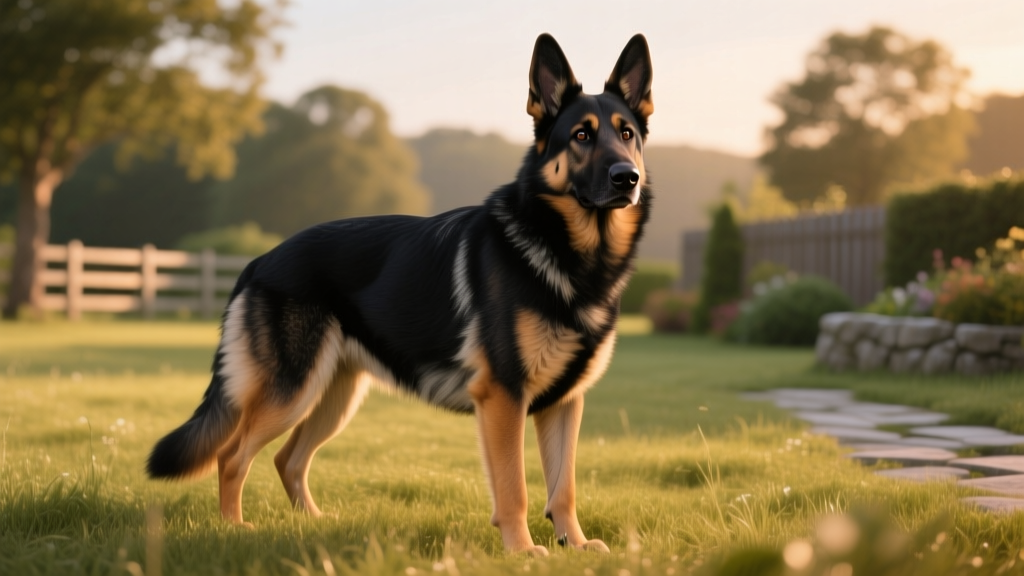
Breed Overview: The German Shepherd Dog at a Glance
The German Shepherd Dog (GSD) is a large herding breed originating in Germany in the late 19th century. Captain Max von Stephanitz formally established the breed in 1899, selecting working farm dogs from regions like Thuringia, Württemberg, and Bavaria for intelligence, utility, and endurance — not appearance. The result was a versatile working dog that went on to serve in military, police, search-and-rescue, and service roles worldwide.
Today, the GSD consistently ranks among the top 5 most popular breeds registered with the American Kennel Club. They belong to the Herding Group and are classified as a large breed — though some working-line males push into giant-breed weight territory.
| Attribute | Details |
|---|---|
| Size Class | Large |
| Weight (Male) | 65–90 lb / 29–41 kg |
| Weight (Female) | 50–70 lb / 23–32 kg |
| Height (Male) | 24–26 in / 61–66 cm at the shoulder |
| Height (Female) | 22–24 in / 56–61 cm at the shoulder |
| Lifespan | 9–13 years (median ~11 years) |
| Coat Type | Double coat; medium or long |
| Energy Level | High (working breed) |
| Grooming | Moderate–High (weekly + seasonal blowouts) |
| Trainability | Exceptional (5/5) |
| Family Fit | Excellent with proper socialization |
Temperament & Personality: What Living With a GSD Is Really Like
The German Shepherd temperament is defined by five core behavioral traits that prospective owners should understand before committing:
1. Handler-Focused Bonding. GSDs form intensely close attachments to their primary handler. This isn't generic loyalty — it manifests as shadowing behavior, checking in visually during walks, and distress when separated. Many owners report their GSD will follow them room-to-room and position themselves between their person and strangers.
2. Environmental Vigilance. Bred to assess threats to livestock, GSDs remain alert to changes in their environment. A delivery truck pulling up, a new visitor, or an unusual sound at night will trigger an alert response — typically a low "woof" or a stiffening of posture, not uncontrolled barking. This makes them excellent watchdogs without specialized protection training.
3. Problem-Solving Drive. These dogs don't just learn commands; they test boundaries and look for patterns. If you open the pantry door a certain way, your GSD will figure out the mechanism. Owners frequently find them opening latches, unzipping bags, or learning routines (like which cabinet holds treats) within days.
4. High Prey Drive with Herding Instinct. Many GSDs will chase squirrels, joggers, bicycles, or children running in circles. The herding instinct can manifest as nipping at heels or circling to "contain" family members — behaviors that need redirection, not punishment.
5. Confident but Not Reckless. A well-bred GSD approaches novel situations with caution-then-assessment rather than fear or aggression. Poorly bred or undersocialized individuals, however, may develop fear-based reactivity — a common behavioral issue in the breed that early socialization largely prevents.
Physical Characteristics & Build
The German Shepherd is an athletic, well-angled dog with a distinctive sloping topline (in show lines) or a straighter back (in working lines). The breed standard calls for a body that is longer than it is tall, with a deep chest and powerful hindquarters.
Coat: The standard GSD has a medium-length double coat — a dense, harsh outer layer over a thick, soft undercoat. Long-coated GSDs (now accepted in AKC conformation as of 2021) have feathering on the ears, legs, and tail. Colors include black and tan, black and red, sable, solid black, and bicolor. White GSDs exist but are disqualified from AKC conformation (they are recognized separately as the Berger Blanc Suisse in FCI registries).
Build variations: There is a meaningful split between show-line (American/Canadian) GSDs, which have more extreme rear angulation and a sloping back, and working-line (Czech, East German/DDR, West German) GSDs, which are leaner, more compact, and built for endurance. Working-line dogs typically have higher drive and may be less suitable for casual pet homes.
Exercise & Activity: How Much Does a German Shepherd Dog Need Daily?
This is a working breed that physically and mentally deteriorates without adequate output. The minimum daily exercise requirement for an adult GSD is 90–120 minutes, split across multiple sessions. This is non-negotiable for behavioral health.
| Activity Type | Duration | Frequency | Notes |
|---|---|---|---|
| Brisk leash walk | 30–45 min | 2× daily | Minimum baseline; working lines need more |
| Off-leash running (secure area) | 20–30 min | Daily | Fetch, flirt pole, or running companion |
| Mental stimulation | 15–30 min | Daily | Training sessions, puzzle toys, scent work |
| Structured sport | 45–60 min | 2–3× weekly | Agility, obedience, IGP, herding trials |
| Swimming | 15–30 min | Seasonal | Low-impact; excellent for joint health |
Puppies under 18 months should follow the "5 minutes of structured exercise per month of age" guideline to protect developing joints — so a 4-month-old puppy gets roughly 20 minutes of structured activity per session, not marathon hikes. Free play in a yard does not count against this limit.
What happens without enough exercise: Understimulated GSDs develop destructive behaviors rapidly — chewing drywall, shredding furniture, obsessive pacing, excessive barking, and escape attempts. This breed is consistently overrepresented in shelters due to owners underestimating their activity needs.
Common Health Issues: What Is the German Shepherd Prone To?
GSDs carry several breed-specific health risks that responsible owners should budget and screen for. Always consult your veterinarian about breed-appropriate screening protocols.
| Condition | Prevalence | Onset | Management |
|---|---|---|---|
| Hip Dysplasia | ~19% (OFA data) | 6–24 months (signs); lifelong | Weight management, joint supplements, surgical options (FHO, THR) |
| Elbow Dysplasia | ~16% (OFA data) | 4–10 months | Conservative management or arthroscopic surgery |
| Degenerative Myelopathy (DM) | ~16% carriers (UC Davis) | 8+ years (progressive) | No cure; physical therapy slows decline |
| Exocrine Pancreatic Insufficiency (EPI) | Higher in GSDs than any other breed | 1–5 years | Lifelong pancreatic enzyme replacement (e.g., Pancrezyme) |
| Gastric Dilatation-Volvulus (Bloat) | High-risk deep-chested breed | Any age; acute emergency | Prophylactic gastropexy; feed 2–3 small meals; no exercise 1 hr around meals |
Hip and elbow dysplasia are polygenic conditions influenced by both genetics and environment. The Orthopedic Foundation for Animals (OFA) maintains a searchable database of hip/elbow scores — any reputable breeder should provide OFA or PennHIP certifications for both parents.
Degenerative Myelopathy is a progressive neurological disease that causes hind-limb weakness and eventual paralysis. A DNA test (available through Cornell's Animal Health Diagnostic Center) can identify carriers. Breeding two clear dogs eliminates risk in offspring.
EPI is particularly associated with GSDs. Symptoms include chronic weight loss despite ravenous appetite, pale/yellow/greasy stools, and coprophagia (eating feces). Diagnosis requires a canine trypsin-like immunoreactivity (cTLI) blood test. Treatment is effective but lifelong — enzyme powder added to every meal costs approximately $80–$200/month.
- Unproductive retching, distended abdomen, restlessness (bloat/GDV — survival depends on surgery within hours)
- Sudden hind-limb weakness or dragging (could indicate DM, IVDD, or fibrocartilaginous embolism)
- Difficulty breathing, pale gums, collapse
- Seizures lasting more than 3 minutes or cluster seizures
Grooming Requirements
The GSD double coat requires consistent maintenance — this is not a low-shedding breed. Expect dog hair on furniture, clothing, and in your car year-round, with dramatic "coat blow" shedding episodes twice yearly (spring and fall).
Weekly grooming routine:
- Brush 2–3× per week using an undercoat rake (e.g., Furminator Large or Chris Christensen Big G) for 15–20 minutes per session
- Nail trim every 3–4 weeks — or grind weekly with a Dremel to keep nails short enough that you don't hear clicking on hard floors
- Ear check weekly; clean with a vet-approved ear cleaner (e.g., Epi-Otic Advanced) only if debris is visible
- Teeth brushing 3× per week minimum with enzymatic dog toothpaste
During coat blow (2–4 weeks, twice yearly): Daily brushing is essential. A high-velocity dryer (like the MetroVac Air Force Commander, ~$130) dramatically reduces loose undercoat in 10–15 minutes. Many owners use a professional groomer for a deshedding treatment during these periods ($50–$80 per session).
Never shave a GSD. The double coat regulates body temperature in both heat and cold. Shaving disrupts this system, can cause permanent coat damage (post-clipping alopecia), and actually increases sunburn and heat stress risk.
Training & Intelligence
The German Shepherd ranks #3 in Stanley Coren's The Intelligence of Dogs for working/obedience intelligence — meaning they learn new commands in fewer than 5 repetitions and obey known commands 95% of the time or better. This makes them extraordinarily trainable but also means they learn bad habits just as quickly.
Recommended training approach: Positive reinforcement methods (food rewards, toy rewards, praise) combined with clear boundaries and consistency. Force-free, LIMA (Least Intrusive, Minimally Aversive) methods produce the best long-term results with this breed. Aversive tools — shock collars, prong collars, alpha rolls — damage the handler-dog bond and can trigger fear-based aggression in a dog powerful enough to cause serious injury.
Key training milestones:
- 8–16 weeks: Focus on socialization (exposure to 100+ people, surfaces, sounds, animals), house training, bite inhibition, and basic marker training (clicker or "yes")
- 4–6 months: Foundation obedience — sit, down, stay, recall, loose-leash walking. Begin impulse control exercises (leave-it, wait at doors)
- 6–12 months: Adolescence brings regression and testing. Maintain daily training sessions (10–15 min, 2–3× daily). Introduce structured activities like nosework or foundation agility
- 12–24 months: Advanced obedience, sport training, or job-oriented tasks (carrying a backpack on hikes, therapy dog certification, advanced scentwork)
Professional training costs: Group puppy classes run $150–$250 for a 6–8 week course. Private sessions with a certified trainer (CPDT-KA or IAABC) typically cost $80–$150/hour. Board-and-train programs range from $1,500–$3,500 for 2–4 weeks. Budget for at least group classes and 2–3 private sessions in the first year.
Family Suitability: Kids, Pets, and Living Environments
With children: Well-socialized GSDs are typically excellent with children in their own family — patient, protective, and tolerant. However, their herding instinct may cause them to nip at running children or try to "contain" kids during play. They are best matched with families where children are at least 5–6 years old and have been taught to respect the dog's space. Never leave any dog unsupervised with young children.
With other pets: GSDs raised with other dogs typically coexist well, though same-sex aggression (particularly male-male) is documented in the breed. Introductions to existing dogs should be gradual and on neutral territory. With cats, early socialization is key — a GSD with high prey drive may not be safe with small animals regardless of training.
Apartment living: Possible but challenging. A GSD can adapt to apartment life if the owner commits to the full 90–120 minutes of daily exercise and mental stimulation. Without a yard, this means multiple structured walks, trips to dog parks, and dedicated training sessions. Noise (alert barking) can be a concern in shared-wall housing. A house with a securely fenced yard (minimum 6-foot fence — GSDs are athletic jumpers) is the ideal setup.
- Exceptionally intelligent and trainable
- Deeply bonded and devoted to family
- Versatile — excels in sports, service work, therapy
- Natural watchdog without aggression training
- Generally healthy with responsible breeding
- Heavy shedding year-round, extreme during coat blow
- Requires 90–120 min daily exercise — non-negotiable
- Prone to hip/elbow dysplasia and other costly conditions
- Not ideal for first-time owners without mentorship
- Can develop separation anxiety if left alone 8+ hours daily
Cost of Ownership: Buying and Maintaining a German Shepherd Dog
Puppy purchase price (2026 estimates):
- AKC-registered pet-quality puppy from a responsible breeder: $2,000–$3,500
- Working-line or show-quality puppy from titled parents: $3,500–$5,000+
- Imported European working-line puppy: $4,000–$7,000+
- Rescue/adoption: $200–$500 (breed-specific rescues like German Shepherd Dog Rescue often have adults and young dogs)
First-year total cost estimate: $4,500–$7,500 (includes puppy price, initial vet exams, vaccinations, spay/neuter, supplies, training, and food).
Annual ongoing costs (adult dog):
| Category | Estimated Annual Cost |
|---|---|
| High-quality food (large-breed formula, ~60 lb/month) | $700–$1,200 |
| Routine veterinary care (exams, vaccines, heartworm/flea prevention) | $500–$900 |
| Pet insurance (comprehensive plan, $250 deductible) | $600–$1,100/year |
| Grooming supplies and professional deshedding | $100–$300 |
| Training and sport activities | $200–$800 |
| Supplies (toys, beds, leash/gear replacement) | $200–$400 |
| Total Annual (excluding emergencies) | $2,300–$4,700 |
Emergency fund recommendation: GSDs are predisposed to conditions that may require expensive intervention. Hip replacement surgery (total hip replacement) costs $5,000–$8,000 per hip. Bloat surgery (emergency gastropexy) runs $3,000–$7,000. Maintain an emergency fund of at least $3,000–$5,000 or carry comprehensive pet insurance.
Is the German Shepherd Right for First-Time Owners?
Honestly? It depends — but generally, this breed is better suited to owners with prior dog experience. The combination of high exercise needs, intense bonding (which can develop into separation anxiety), environmental sensitivity, and physical power means that mistakes in socialization or training have bigger consequences than they would with a smaller, lower-drive breed.
That said, a first-time owner can succeed with a GSD if they:
- Commit to structured puppy classes and at least some private training sessions
- Have an active lifestyle that naturally provides 90+ minutes of daily exercise
- Read breed-specific resources (the AKC breed page and The Merck Veterinary Manual are excellent starting points)
- Choose a puppy from a breeder who temperament-tests and health-tests parents
- Have a support network — a mentor, trainer, or experienced GSD owner to consult
If you're a first-time owner drawn to the breed's intelligence and loyalty but unsure about the intensity, consider a GSD mix from a rescue (often lower-drive) or look into similar but slightly more forgiving breeds like the Belgian Malinois (higher drive — not easier) or the White Swiss Shepherd (often softer temperament).
Frequently Asked Questions
How big does a German Shepherd dog get?
Adult males typically weigh 65–90 lb (29–41 kg) and stand 24–26 inches (61–66 cm) at the shoulder. Females are smaller at 50–70 lb (23–32 kg) and 22–24 inches (56–61 cm). Some working-line and European males exceed 100 lb (45 kg), though this is outside the AKC breed standard.
Do German Shepherds shed a lot?
Yes — they are among the heaviest-shedding breeds. Expect year-round moderate shedding with two intense "coat blow" periods (spring and fall) lasting 2–4 weeks each. Daily brushing during these periods and a high-velocity dryer are essential management tools.
Are German Shepherds aggressive?
Well-bred, properly socialized GSDs are confident and discerning — not aggressive. They are naturally reserved with strangers and protective of their family, which can be misread as aggression. Fear-based reactivity, which does occur, is typically the result of poor breeding (shy/sharp temperaments) or inadequate socialization during the critical 8–16 week window.
Can a German Shepherd live in an apartment?
It's possible with a committed owner who provides the full 90–120 minutes of daily exercise and mental enrichment. However, alert barking may disturb neighbors in shared-wall buildings, and the lack of a yard means every bathroom break and play session requires a leashed outing. A fenced yard is strongly preferred.
What is the best food for a German Shepherd?
Look for an AAFCO-complete large-breed formula with controlled calcium/phosphorus ratios (important for joint development in puppies). Adult GSDs do well on diets with 22–26% protein and 12–16% fat. Given the breed's bloat risk, feed 2–3 smaller meals per day rather than one large meal, and avoid exercise for 1 hour before and after eating. Brands like Royal Canin, Purina Pro Plan, and Hill's Science Diet all offer large-breed specific formulas.
How long do German Shepherds live?
The typical lifespan is 9–13 years, with a median around 11 years. Working-line dogs from health-tested parents with lean body condition scores (BCS 4–5/9) tend to live at the longer end of this range. The most common causes of early death are cancer, degenerative myelopathy complications, and acute conditions like bloat.
This article is for informational purposes only. Always consult your veterinarian for breed-specific health screening recommendations, dietary guidance, and any concerns about your dog's health or behavior.
Tom Renshaw
All our authors care for dogs every day — read more of their work on the authors page.


