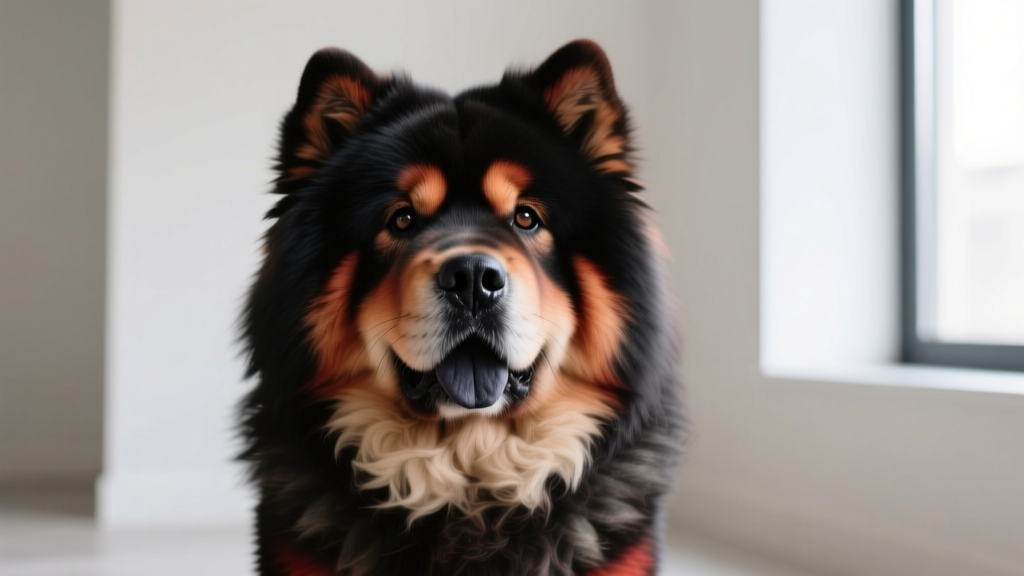
Tiny Pomeranian: The Complete Breed Guide for Prospective Owners
Everything about the tiny Pomeranian: size, temperament, health risks, grooming needs, training tips, and 2026 ownership costs for this popular toy breed.

Meet the Tiny Pomeranian: A Bold Spirit in a Compact Package
If you've ever watched a three-pound dog strut across a living room like they own the building, you've likely met a tiny Pomeranian. Often marketed under names like "teacup Pomeranian," "pocket Pom," or "miniature Pomeranian," the tiny Pomeranian isn't a separate breed — it's simply a Pomeranian bred to fall on the extreme small end of the breed standard. The American Kennel Club recognizes Pomeranians as a toy breed weighing 3–7 lb (1.4–3.2 kg), but dogs at the 3–4 lb (1.4–1.8 kg) end of that spectrum are what most owners and breeders mean when they say "tiny Pomeranian."
These dogs descend from large Arctic spitz-type sled dogs. Over centuries, breeders in the Pomerania region (modern-day Poland and Germany) progressively downsized them. Queen Victoria of England is credited with popularizing the smaller variety in the late 1800s — her own Poms reportedly weighed around 12 lb, and she actively bred them smaller. By the early 20th century, the breed had settled into the toy-size dog we recognize today.
Before you bring one home, understand what you're signing up for. This guide covers the real-world care, health risks, and costs of owning a tiny Pomeranian — no sugarcoating the fragile bones and dental bills.
| Attribute | Details |
|---|---|
| Size Class | Toy |
| Weight Range | 3–5 lb (1.4–2.3 kg) for "tiny" specimens |
| Height | 6–8 inches (15–20 cm) at the shoulder |
| Lifespan | 12–16 years (some reach 18+) |
| Coat Type | Double coat — dense undercoat, long straight outer coat |
| Energy Level | Moderate for a toy breed |
| Grooming Needs | High — brushing 3–4× weekly, professional grooming every 6–8 weeks |
| Apartment Friendly | Excellent |
| AKC Group | Toy |
Temperament & Personality: Big Dog Attitude, Small Dog Body
Tiny Pomeranians carry themselves with a confidence that borders on audacity. Their temperament reflects their spitz heritage — alert, curious, and stubbornly independent. Here are the core traits you'll encounter daily:
1. Vocal watchdog instinct. Pomeranians rank among the most vocal toy breeds. They will announce the mail carrier, the neighbor's cat, and the wind gust that rattled a window. This isn't nuisance barking by accident — it's a breed trait. Early training with positive reinforcement can teach a "quiet" cue, but expect a lifelong tendency to alert-bark.
2. Boldness that exceeds their size. A 4-lb Pom will square off with a German Shepherd at the dog park without a second thought. This fearlessness is charming until it puts them in danger. Supervision around larger dogs is non-negotiable — a single shake from a larger breed can cause fatal spinal injuries in a dog this small.
3. Strong owner attachment. Tiny Pomeranians tend to bond intensely with one person and follow them room to room. They are prone to separation anxiety if left alone for extended periods. If you work 10-hour days outside the home without a pet sitter or doggy daycare arrangement, this breed will struggle.
4. Intelligence with a stubborn streak. Poms learn commands quickly but comply selectively. They excel at trick training (spin, shake, crawl) where the payoff is high-value treats and praise, but recall in distracting environments is notoriously unreliable without extensive proofing. Force-free, reward-based methods work best — aversive tools like shock collars will damage trust and worsen anxiety in this sensitive breed.
5. Playful but not hyperactive. Expect short bursts of zoomies followed by long naps on your lap. They entertain themselves with puzzle toys and fetch sessions but don't require the constant stimulation of a working breed.
Physical Characteristics: What a Tiny Pomeranian Actually Looks Like
The tiny Pomeranian's most striking feature is its profuse double coat, which creates the illusion of a dog twice its actual body size. Underneath all that fur, the frame is compact and surprisingly sturdy for its weight — but "sturdy" is relative when we're talking about a dog that weighs less than a bag of sugar.
Weight: Dogs marketed as "tiny" or "teacup" Pomeranians typically weigh 3–5 lb (1.4–2.3 kg) at maturity. The AKC standard calls for 3–7 lb (1.4–3.2 kg), so a tiny Pom sits at the lower boundary. Be cautious of breeders advertising dogs under 3 lb — extreme miniaturization amplifies health risks including hypoglycemia, fragile bones, and organ defects.
Height: 6–8 inches (15–20 cm) at the withers. They are slightly longer than tall, giving a compact, square-ish silhouette under the coat.
Coat: The double coat consists of a soft, dense undercoat and a longer, harsh-textured outer coat that stands off the body. The signature "mane" around the neck and chest is more pronounced in males. The plumed tail fans flat over the back. Coat colors span over 20 recognized variations including orange, red, cream, sable, black, chocolate, blue, and merle — though merle is controversial due to associated deafness and eye defects when two merle carriers are bred together.
Head: Fox-like expression with dark, almond-shaped eyes and small erect ears set high on a wedge-shaped skull. The muzzle is short but not flat — Pomeranians are not brachycephalic, which gives them a respiratory advantage over breeds like Pugs.
Exercise & Activity Needs: Less Than You'd Expect
Tiny Pomeranians need roughly 30–45 minutes of activity per day, split into two or three sessions. This is manageable even for owners with limited mobility or apartment lifestyles.
Here's what a realistic daily exercise plan looks like:
| Activity | Duration | Notes |
|---|---|---|
| Morning leash walk | 15–20 minutes | Use a harness, never a collar — tracheal collapse risk |
| Indoor play session | 10 minutes | Fetch, tug with a small rope toy, or flirt pole |
| Afternoon walk or potty outing | 10–15 minutes | Short sniffari — let them explore at their pace |
| Evening training or trick session | 5–10 minutes | Mental stimulation counts as exercise for toy breeds |
Critical precautions: Avoid walking a tiny Pom in temperatures above 85°F (29°C) — their dense coat traps heat, and their small body mass makes them prone to rapid overheating. In cold weather below 32°F (0°C), a lightweight sweater or coat helps retain body heat since they have minimal fat reserves. Skip the dog park unless it has a dedicated small-dog area — one accidental step from a Labrador can fracture a Pom's leg.
Common Health Issues in Tiny Pomeranians
Owning a dog at the extreme small end of a breed standard means accepting elevated health risks. The conditions below are disproportionately common in tiny Pomeranians compared to mid-range or larger toy breeds. Always consult your veterinarian if you notice any symptoms described here — early intervention changes outcomes dramatically.
| Condition | Description | Estimated Prevalence | Typical Treatment Cost (USD) |
|---|---|---|---|
| Tracheal Collapse | Weakening of tracheal cartilage rings causing chronic cough, honking sound, exercise intolerance | Up to 20–25% of toy breeds (Poms overrepresented) | $200–$500 medical management; $3,500–$6,000+ surgical |
| Patellar Luxation | Kneecap slips out of groove, causing skipping gait or rear-leg lameness | Grade I–IV; ~8–10% prevalence in Pomeranians | $1,500–$3,500 per knee (surgical correction) |
| Hypoglycemia | Dangerously low blood sugar, especially in puppies under 6 months; causes weakness, seizures, collapse | Common in puppies under 4 lb (1.8 kg) | Emergency vet visit $200–$800; recurring cases may require dietary overhaul |
| Dental Disease | Crowded teeth in a tiny jaw lead to rapid plaque buildup, periodontal disease, tooth loss, and jaw fractures | ~80%+ of toy breeds show signs by age 3 (AVMA) | $500–$1,200 per professional cleaning; extractions $200–$600 per tooth |
| Open Fontanel | Soft spot on top of skull that fails to close; leaves brain vulnerable to trauma | More common in dogs under 4 lb; estimated 10–15% in tiny specimens | No surgical fix; management and trauma prevention required lifelong |
Additional conditions to monitor include alopecia X (a non-itchy hair-loss condition sometimes called "black skin disease" that affects Pomeranians at higher rates than other breeds), cryptorchidism (undescended testicles in males), and hypothyroidism. Ask any breeder for Orthopedic Foundation for Animals (OFA) or PennHIP documentation on the parent dogs' patellas, and request a recent veterinary dental assessment.
- A persistent honking or goose-like cough (tracheal collapse flare-up)
- Sudden hind-leg skipping or refusal to bear weight (patellar luxation or fracture)
- Lethargy, trembling, or disorientation in a puppy (hypoglycemia — rub honey on gums en route to vet)
- Seizures of any duration
- Difficulty breathing or blue-tinged gums
Grooming Requirements: High Maintenance Is an Understatement
The Pomeranian's magnificent double coat demands consistent upkeep. Skip brushing for two weeks and you'll face mats tight enough to require a full shave-down at the groomer.
Brushing: 3–4 times per week minimum using a slicker brush (such as the Chris Christensen Big G or a comparable quality pin brush) followed by a metal greyhound comb to catch tangles near the skin. Pay special attention to the "pants" area behind the rear legs, behind the ears, and the chest ruff — these are mat-prone zones.
Bathing: Every 3–4 weeks using a dog-specific moisturizing shampoo. Human shampoo disrupts canine skin pH (dogs sit around 6.2–7.4 vs. human 5.5). Blow-dry on cool setting while brushing to maintain coat volume — air-drying a Pom's dense undercoat invites hot spots and fungal growth.
Professional grooming: Every 6–8 weeks for a sanitary trim, paw pad shave, nail trim, and ear cleaning. Expect to pay $60–$120 per session depending on your region. Never shave a Pomeranian's coat short unless medically necessary — the double coat may never regrow properly, a condition known as post-clipping alopecia.
Nails: Trim every 2–3 weeks. Tiny Poms have small, quick-heavy nails. If you hear clicking on hard floors, they're overdue. Use a small guillotine-style clipper or a low-speed Dremel pet nail grinder.
Dental care: Daily tooth brushing with enzymatic dog toothpaste (Virbac C.E.T. or similar) is essential, not optional. Given the dental disease prevalence in this breed, add VOHC-approved dental chews sized for toy breeds and schedule annual veterinary dental cleanings under anesthesia starting by age 2.
Training & Intelligence: Smart but Selectively Compliant
Pomeranians rank well above average in canine intelligence assessments. They learn new commands in 5–15 repetitions and retain them long-term — but their willingness to obey depends heavily on motivation and context.
Trainability rating: 7/10. They are capable of advanced obedience and trick titles, but their independent spitz nature means they will test boundaries. Consistency matters more than intensity.
Recommended methods: Positive reinforcement exclusively. High-value treats (freeze-dried chicken, small cheese pieces), clicker marking, and enthusiastic praise produce reliable results. Keep sessions under 10 minutes — Poms lose focus fast and will simply walk away if bored.
Priority training goals for a tiny Pom:
- Harness acclimation — collar walks risk tracheal damage; start harness training at 8 weeks
- "Quiet" cue — essential for managing the breed's vocal tendency in apartments
- Crate training — protects them from household hazards when unsupervised and aids housetraining
- Recall — practice in low-distraction environments before attempting off-leash in fenced areas
- Handling desensitization — accustom them to paw handling, ear inspection, and teeth brushing early to make grooming and vet visits less stressful
Housetraining note: Toy breeds have tiny bladders and high metabolisms. Expect to take a tiny Pom puppy outside every 1–2 hours during the day, including overnight wake-ups for the first 8–12 weeks. Indoor pee-pad training is common for this breed given their size, but transitioning to outdoor elimination later is harder once pad habits form. Choose one method and commit.
Family Suitability: Who Should (and Shouldn't) Own a Tiny Pomeranian
Tiny Pomeranians thrive in specific household setups and can be a poor match for others. Here's an honest assessment:
- Adults or seniors in apartments or small homes
- Work-from-home owners (companionship needs are high)
- First-time owners who have researched toy-breed fragility
- Households without young children or very large dogs
- Owners willing to invest in grooming and dental care
- Families with children under 8 (risk of accidental injury to the dog)
- Owners away 8+ hours daily without pet care support
- Multi-dog households with dogs over 30 lb (13.6 kg) unless carefully managed
- Budget-conscious owners — veterinary costs for tiny breeds add up fast
- Anyone seeking an outdoor adventure or hiking companion
With children: A tiny Pomeranian and a toddler are a dangerous combination — not because the dog is aggressive, but because a child can accidentally crush, drop, or step on a 4-lb dog. The AKC recommends that small children always be supervised with toy breeds, and many Pom owners set a household rule of no picking up the dog without adult assistance until the child is at least 8–10 years old.
With other pets: Poms generally coexist peacefully with cats and other small dogs. Introduce slowly and never leave a tiny Pom unsupervised with a dog that has any prey drive or rough play style. Even a friendly Golden Retriever can accidentally injure a Pom during play.
Cost of Ownership: Budgeting for a Tiny Pomeranian
The initial purchase price is only the beginning. Here's a realistic breakdown of what owning a tiny Pomeranian costs in 2026:
Puppy purchase price:
- Responsible breeder (health-tested parents, AKC registration, contract): $2,500–$6,000
- Show-line or rare-color puppies: $5,000–$10,000+
- Rescue/adoption: $200–$600 (Pom-specific rescues like the American Pomeranian Rescue Association occasionally have adults available)
First-year estimated costs:
| Expense | Estimated Cost (USD) |
|---|---|
| Puppy purchase (breeder) | $2,500–$6,000 |
| Initial veterinary exam + vaccinations (DHPP, rabies, bordetella) | $300–$600 |
| Spay/neuter | $300–$600 |
| Microchipping | $25–$50 |
| Supplies (harness, crate, bed, bowls, grooming tools) | $200–$400 |
| Professional grooming (6 sessions/year) | $360–$720 |
| High-quality food (AAFCO-complete, toy-breed formula) | $180–$360 |
| Pet insurance (recommended for toy breeds) | $360–$600/year |
| Dental cleaning (if needed in year one) | $500–$1,200 |
| First-year total (excluding purchase price) | $2,225–$5,130 |
Ongoing annual costs (years 2+): Expect $1,800–$3,500/year for food, grooming, routine veterinary care, dental cleanings, and insurance premiums. Budget an additional emergency fund of $1,000–$3,000 for unexpected illnesses or injuries — tiny Pomeranians are fragile, and a single fall from a couch can result in a $3,000 orthopedic surgery bill.
Frequently Asked Questions
Is a tiny Pomeranian right for first-time owners?
Yes, with caveats. Pomeranians are manageable in size, trainable, and adaptable to apartment living — all pluses for beginners. The challenge lies in understanding toy-breed fragility. First-time owners must commit to learning about hypoglycemia prevention in puppies, harness-only walking, safe handling around children, and the breed's significant grooming demands. If you're prepared to invest time in education and budget for higher-than-average veterinary costs, a tiny Pom can be an excellent first dog.
How much exercise does a tiny Pomeranian need daily?
Approximately 30–45 minutes of total activity per day, divided into two or three sessions. This includes leash walks (15–20 minutes each), indoor play, and short training sessions. They do not need — and should not be pushed into — the kind of sustained exercise a Border Collie or Vizsla requires. Mental stimulation through puzzle feeders and trick training is equally valuable for this intelligent breed.
What health problems is a tiny Pomeranian prone to?
The most significant breed-specific conditions include tracheal collapse (chronic cough, airway narrowing), patellar luxation (kneecap dislocation), hypoglycemia (especially dangerous in puppies), severe dental disease due to tooth crowding, and open fontanels (unclosed skull soft spots). Alopecia X, luxating patellas, and cryptorchidism are also seen at elevated rates. Working with a breeder who performs OFA patella evaluations and cardiac clearances on parent dogs reduces — but does not eliminate — these risks.
How big does a tiny Pomeranian get?
A fully grown tiny Pomeranian typically weighs 3–5 lb (1.4–2.3 kg) and stands 6–8 inches (15–20 cm) tall at the shoulder. They reach most of their adult size by 9–10 months, though some continue filling out slightly until 12 months. The fluffy coat adds a visual 2–3 inches to their apparent size.
Is a tiny Pomeranian good with children and other pets?
With children over 8 years old who have been taught gentle handling, yes. With toddlers and young children, the risk of accidental injury to the dog is too high — a small child picking up, squeezing, or dropping a 4-lb dog can cause fractures, internal injuries, or death. With other pets, Poms do well alongside cats and similarly sized dogs. Supervised introductions with larger dogs are essential, and unsupervised play with dogs over 30 lb should be avoided.
How much does a tiny Pomeranian cost to buy and maintain?
Expect to pay $2,500–$6,000 for a responsibly bred puppy, or $200–$600 through rescue. Annual maintenance costs run $1,800–$3,500 once the dog is established, with the first year (including initial veterinary care, supplies, and spay/neuter) totaling $2,225–$5,130 beyond the purchase price. Pet insurance is strongly recommended — premiums of $30–$50/month can offset the high likelihood of breed-specific dental and orthopedic expenses down the road.
What's the difference between a "teacup" Pomeranian and a regular Pomeranian?
There is no official breed distinction. "Teacup," "pocket," and "tiny" are marketing terms used by breeders to describe Pomeranians at the lowest end of the AKC weight standard (3–4 lb). Reputable breeders do not intentionally breed for extreme miniaturization because it increases health risks. If a breeder advertises "teacup" Pomeranians as a premium product, ask for health clearances on the parents and be wary of prices above $8,000 — you may be paying extra for a dog with amplified medical vulnerabilities.
This article is for informational purposes only and does not replace professional veterinary advice. Always consult your veterinarian before making decisions about your dog's health, diet, or care. If your dog ingests a toxic substance, contact the ASPCA Animal Poison Control Center at (888) 426-4435 (24/7, consultation fee applies) immediately.
Dr. Hannah Wickes
All our authors care for dogs every day — read more of their work on the authors page.