Complete Breed Profile & Care Guide
the short hair Chow Chow: temperament, health risks, grooming needs, exercise requirements, costs, and whether this smooth-coated breed fits your family.
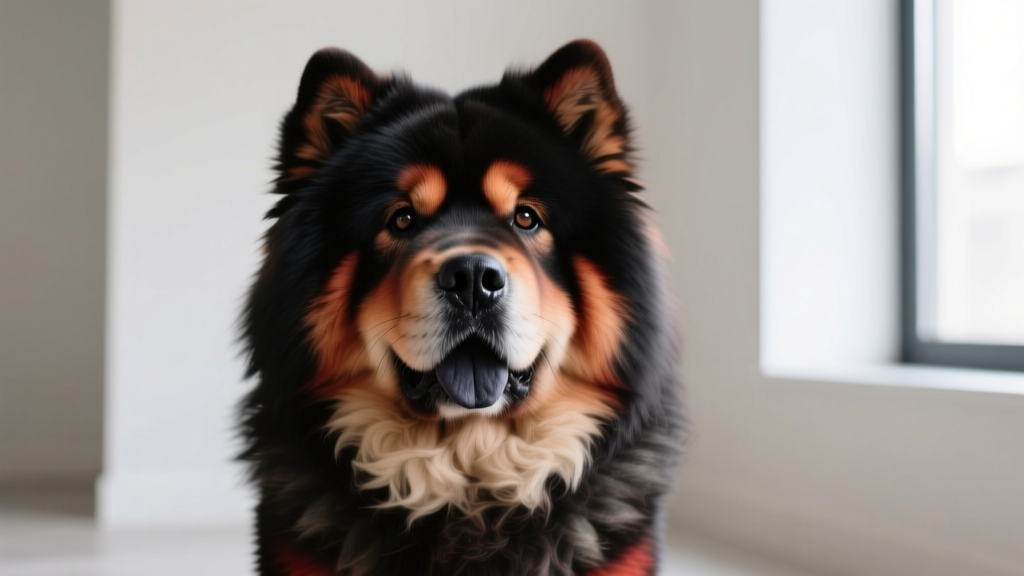
The Short-Haired Chow Chow: A Distinctive Variation of an Ancient Breed
When most people picture a Chow Chow, they imagine a lion-maned fluffball. But the chow short hair variety — officially called the Smooth Coat Chow Chow — is equally purebred, equally striking, and far less demanding to groom. Recognized by the American Kennel Club as one of two acceptable coat types within the same breed standard, the smooth-coated Chow Chow carries the same independent temperament, blue-black tongue, and stilted gait as its rough-coated counterpart, just wrapped in a sleek, low-maintenance package.
This profile covers everything a prospective owner needs to know about the short-haired Chow Chow, from its ancient origins in northern China to realistic 2026 ownership costs, breed-specific health screening, and daily care routines.
| Size Class | Medium-to-Large |
| Weight (Male) | 55–70 lb / 25–32 kg |
| Weight (Female) | 45–60 lb / 20–27 kg |
| Height (Male) | 19–22 inches / 48–56 cm |
| Height (Female) | 18–20 inches / 46–51 cm |
| Lifespan | 8–12 years (median ~10 years) |
| Coat Type | Smooth / short — dense, hard outer coat with soft undercoat |
| AKC Group | Non-Sporting |
| Energy Level | Low-to-Moderate |
| Grooming Frequency | Weekly brushing (vs. daily for rough coat) |
Origin and History: From Northern China to Modern Living Rooms
The Chow Chow is among the oldest recognizable dog breeds. DNA analysis places the breed's divergence from other dogs at roughly 3,000–4,000 years ago, making it one of the basal breeds closest to the ancestral wolf lineage. Archaeological evidence — including bas-relief carvings from the Han Dynasty (206 BC–220 AD) — depicts dogs nearly identical to the modern Chow Chow, used for hunting, herding, pulling sleds, and guarding in northern China and Mongolia.
Both coat types existed historically. The rough coat was more common in colder northern regions, while the smooth coat appeared more frequently in warmer southern Chinese provinces. The breed arrived in England in the early 1800s via merchant ships from Canton, and the name "Chow Chow" likely derives from the pidgin-English term for miscellaneous cargo. The AKC recognized the breed in 1903, and both rough and smooth varieties have been shown under the same standard ever since.
According to the Merck Veterinary Manual, the smooth coat is governed by a recessive gene, meaning two rough-coated carriers can produce smooth-coated puppies in the same litter. This is why you'll occasionally see a short-haired Chow Chow pop up from breeders who primarily produce rough coats.
Physical Characteristics of the Short-Haired Chow Chow
The smooth-coated Chow Chow shares the breed's hallmark build: a compact, square-proportioned body with a broad skull, small rounded ears, and the distinctive blue-black tongue and gums (the only breed alongside the Shar-Pei to have this trait). The stilted, almost mechanical gait comes from relatively straight hind legs — a structural feature unique to the breed.
Where the smooth coat differs is in the outer coat itself. Instead of the abundant, stand-off rough coat, the short-haired Chow Chow has a hard, dense, smooth outer coat approximately 1 inch (2.5 cm) in length with a soft, woolly undercoat. There is no pronounced ruff around the neck or heavy feathering on the legs and tail. The tail still curls over the back but carries less plumage.
Both coat types come in five AKC-accepted colors: red, black, blue, cinnamon (fawn), and cream. The short-haired variety often shows more visible muscular definition and body contour than the rough coat, which can obscure the dog's actual build.
Temperament and Personality: What Living With a Short-Haired Chow Chow Is Really Like
The smooth coat doesn't change the Chow Chow's personality. Coat length is cosmetic; temperament runs deeper. Here's what you can realistically expect from a short-haired Chow Chow's behavior:
1. Fiercely Independent. Unlike retrievers or shepherds that look to their owners for constant direction, the Chow Chow is a self-directed thinker. They'll assess a situation and decide for themselves whether it's worth engaging. This isn't stubbornness in the traditional sense — it's a breed that was selected for autonomous decision-making over thousands of years.
2. Cat-Like Aloofness. Chows are notoriously reserved with strangers. A short-haired Chow Chow at a dog park will typically observe from a distance rather than rush into play. They form intense bonds with one or two family members and may tolerate everyone else rather than seek them out.
3. Quiet and Low-Vocalization. This is not a breed that barks at every sound. Chows tend to vocalize only when something genuinely warrants attention — a delivery driver at the door, an unusual noise at night. This makes them surprisingly good apartment dogs from a noise standpoint.
4. Strong Guarding Instinct. The Chow Chow's protective nature manifests as wariness and body-blocking rather than outright aggression. A short-haired Chow Chow will position itself between its owner and an unfamiliar person, plant its feet, and give a low, closed-mouth warning before escalating. Early socialization is non-negotiable to prevent this from becoming overprotective behavior.
5. Surprisingly Affectionate on Their Terms. Don't expect a Chow to greet you with full-body wiggles. Their affection is subtle: leaning against your leg, resting their head on your knee, following you from room to room without making a production of it. Owners who appreciate quiet companionship over exuberant displays tend to thrive with this breed.
Pros of the Short-Haired Chow Chow
- Significantly less grooming than the rough coat variety
- Quiet nature suits apartments and close-neighbor living
- Low shedding compared to most double-coated breeds
- Loyal, devoted to family members
- Natural watchdog without excessive barking
- Less prone to matting and hot spots than rough coats
Challenges to Consider
- Not a beginner-friendly breed — requires experienced handling
- Socialization window is narrow; must start by 8–12 weeks
- Can be dog-aggressive, especially same-sex
- Heat-sensitive despite shorter coat (brachycephalic tendencies)
- Difficult to train for off-leash recall
- Higher-than-average veterinary costs due to breed-specific conditions
Exercise and Activity Requirements
Despite their solid build, Chow Chows are not high-energy dogs. The short-haired variety has the same exercise needs as the rough coat — the difference is purely cosmetic.
Daily requirement: 30–45 minutes of moderate activity.
Here's a practical breakdown of what that looks like:
| Day | Activity | Duration | Notes |
|---|---|---|---|
| Monday | Morning + evening leash walks | 20 min each | Use a front-clip harness to reduce pulling |
| Tuesday | Structured sniff walk (decompression) | 30–40 min | Let them lead and sniff — mental enrichment |
| Wednesday | Short training session + walk | 10 min training + 20 min walk | Keep sessions short; Chows bore quickly |
| Thursday | Leash walk + puzzle feeder at home | 30 min walk + 15 min enrichment | Kong Wobbler or snuffle mat work well |
| Friday | Morning + evening leash walks | 20 min each | Vary routes to prevent boredom |
| Saturday | Longer exploratory walk (new trail/park) | 45–60 min | Avoid midday heat; early morning is best |
| Sunday | Rest day + light indoor play | 15–20 min | Short tug sessions or hide-and-seek |
Critical heat warning: Chow Chows — even the short-haired variety — are highly susceptible to heat exhaustion. Their brachycephalic-adjacent facial structure (short muzzle, thick soft palate) compromises panting efficiency. When outdoor temperatures exceed 80°F (27°C), limit exercise to early morning or after sunset. Always carry water and watch for excessive panting, dark red gums, or stumbling, which signal heatstroke onset. If you observe these signs, apply cool (not ice-cold) water to the belly and paw pads and seek emergency veterinary care immediately.
Health Issues Specific to the Chow Chow Breed
The short-haired Chow Chow carries the same genetic health risks as the rough coat. Coat length does not influence disease predisposition. Responsible breeders screen for the following conditions, and prospective owners should request Orthopedic Foundation for Animals (OFA) or PennHIP documentation before purchasing a puppy.
| Condition | Description | Estimated Prevalence | Screening Method |
|---|---|---|---|
| Hip Dysplasia | Malformation of the hip socket leading to arthritis and pain | ~15–20% of screened Chows (OFA data) | PennHIP or OFA radiographs at 24 months |
| Elbow Dysplasia | Abnormal elbow joint development causing lameness | ~10–15% | OFA elbow radiographs |
| Entropion | Eyelid rolls inward, causing corneal irritation and ulcers | ~8–12% (higher than most breeds) | Veterinary ophthalmologic exam (CERF/OFA) |
| Gastric Dilatation-Volvulus (GDV / Bloat) | Stomach fills with gas and twists — life-threatening emergency | Chows are a predisposed deep-chested breed | Preventive gastropexy discussed with vet |
| Hypothyroidism | Underactive thyroid causing weight gain, lethargy, coat changes | ~5–8% | Annual thyroid panel (T4, free T4, TSH) |
Additional conditions seen in the breed include:
- Autoimmune thyroiditis — the underlying cause of most hypothyroidism in Chows
- Pemphigus foliaceus — an autoimmune skin disease more prevalent in Chow Chows than in other breeds, presenting as crusting lesions on the face and paw pads
- Diabetes mellitus — Chows have a statistically higher risk compared to mixed-breed dogs
- Melanoma — the breed's heavily pigmented mouth and skin can mask oral tumors; annual oral exams are essential
Emergency Red Flags — Call Your Vet or Emergency Clinic Immediately
- Bloat signs: Distended abdomen, unproductive retching, restlessness, drooling — onset can kill within 2 hours
- Heatstroke: Collapse, dark red/purple gums, body temperature above 105°F (40.5°C)
- Eye emergency: Squinting, pawing at eye, visible corneal cloudiness (entropion-related ulcer)
- Sudden hind limb weakness: Could indicate spinal issue or cruciate ligament rupture
Always consult your veterinarian for diagnosis and treatment planning. The information above is educational and does not replace professional veterinary care.
Grooming the Short-Haired Chow Chow: Tools, Frequency, and Technique
This is where the smooth coat earns its keep. While a rough-coated Chow Chow requires 30–60 minutes of daily brushing and professional grooming every 6–8 weeks, the short-haired variety needs a fraction of that effort.
Weekly grooming routine (15–20 minutes total):
- Brush with a rubber curry brush or bristle brush — the Kong ZoomGroom or a medium-bristle brush removes loose undercoat and distributes skin oils. Brush in the direction of hair growth, covering the entire body.
- Use an undercoat rake during shedding season — Chows blow their undercoat twice yearly (spring and fall). During these 2–3 week periods, switch to a shedding blade or undercoat rake (like the Furminator Short Hair model) every other day to manage loose fur.
- Check and clean ears weekly — Chow ears are small and erect but can accumulate wax. Use a veterinarian-recommended ear cleaner (e.g., Epi-Otic Advanced) on a cotton ball. Never use cotton swabs in the ear canal.
- Trim nails every 2–3 weeks — Chow Chow nails grow quickly and contain a large quick. Use a guillotine-style clipper or a Dremel pet nail grinder. If you see a pink dot in the center of the nail cross-section, you've reached the quick.
- Dental care 3–4 times per week minimum — Given the breed's melanoma risk, regular mouth checks during brushing are important. Use a veterinary enzymatic toothpaste (e.g., C.E.T. Poultry Flavor) and a finger brush or small-head toothbrush.
Bathing frequency: Every 6–8 weeks or as needed. Over-bathing strips the natural oils from the short coat and can cause dry, flaky skin. Use a mild, oatmeal-based dog shampoo (e.g., Burt's Bees Oatmeal Shampoo) and rinse thoroughly.
Training and Intelligence: Working With the Chow Chow's Independent Mind
Trainability rating: 2 out of 5 (where 5 is a Border Collie). This isn't a reflection of intelligence — Chows are highly intelligent dogs. It's a reflection of willingness to comply. A Chow Chow understands what you want; it simply evaluates whether compliance serves its interests.
Recommended training approach:
Positive reinforcement and force-free methods are the only approaches that work reliably with this breed. Aversive techniques — shock collars, prong collars, alpha rolls, physical corrections — are counterproductive and potentially dangerous with a Chow Chow. These methods trigger the breed's defensive instincts and can produce fear-based aggression in a dog powerful enough to cause serious injury.
Here's what works:
- High-value food rewards — freeze-dried liver, small pieces of cooked chicken, or commercial treats like Zuke's Mini Naturals. Chows are food-motivated, which is your primary training lever.
- Short sessions (5–10 minutes maximum) — a Chow Chow's attention for repetitive drills evaporates quickly. End sessions while the dog is still engaged.
- Start socialization by 8–12 weeks — the critical socialization window closes around 14–16 weeks. Expose your Chow puppy to diverse people, surfaces, sounds, and other vaccinated dogs during this period. A structured puppy socialization class (not a dog park) is ideal.
- Leash manners early — an adult Chow Chow pulling on a leash is a 70-pound problem. Front-clip harnesses (e.g., Ruffwear Front Range) combined with redirect-and-reward training starting in puppyhood prevent this.
- Don't expect competition-level obedience — Chows can earn CGC (Canine Good Citizen) titles and basic obedience certifications, but they are not natural candidates for high-drive sports like agility or competitive obedience.
Family Suitability: Kids, Other Pets, and Living Environments
With children: Chow Chows can coexist with children they're raised alongside, but they are not a tolerant breed. They do not enjoy hugging, face-grabbing, tail-pulling, or being climbed on. A Chow that feels harassed will give one warning (a stiff freeze, lip curl, or low growl) and then escalate. For this reason, Chows are best suited to homes with children aged 10 and older who can be taught to respect the dog's space. Never leave a Chow Chow unsupervised with young children.
With other dogs: Same-sex aggression is well-documented in the breed. Two intact male Chows in one household is a recipe for serious conflict. Even neutered/spayed Chows may show dog-selective or dog-aggressive tendencies, particularly on leash. Careful introductions and management are required in multi-dog homes.
With cats and small animals: A Chow raised with a household cat typically tolerates it. Unfamiliar cats, rabbits, or small animals may trigger prey drive. Supervision is essential.
Apartment living: Surprisingly suitable. The short-haired Chow Chow's low exercise needs, quiet nature, and moderate indoor energy make it a viable apartment dog — provided the owner commits to daily walks and the building allows the breed (some insurance policies and HOAs restrict Chow Chows under breed-specific legislation). Check your local regulations and renter's insurance policy before committing.
Cost of Ownership: Puppy Price, Annual Care, and Lifetime Budget
Chow Chows are a moderately expensive breed to acquire and maintain. Here's a realistic 2026 cost breakdown:
| Expense Category | Estimated Cost (USD) | Frequency |
|---|---|---|
| Puppy from a responsible breeder (health-tested parents, AKC registered) | $2,500–$5,000 | One-time |
| Adoption from breed-specific rescue | $300–$600 | One-time |
| Initial veterinary setup (vaccines, spay/neuter, microchip) | $600–$1,200 | First year |
| Annual wellness care (exams, vaccines, heartworm/flea prevention) | $500–$900 | Yearly |
| Food (premium dry or wet diet, 2–3 cups/day) | $600–$1,000 | Yearly |
| Grooming supplies / professional grooming | $150–$400 | Yearly (smooth coat saves significantly here) |
| Pet insurance (accident + illness plan) | $50–$90/month ($600–$1,080) | Yearly |
| Emergency / specialty care fund (recommended reserve) | $2,000–$5,000 | As needed |
Estimated first-year total: $4,500–$9,000 (including puppy purchase). Estimated ongoing annual cost: $1,850–$3,400 (excluding emergencies).
Over a 10-year lifespan, expect to spend between $23,000 and $43,000 on a Chow Chow. This is higher than many breeds due to the combination of purchase price, breed-specific health conditions, and the potential for orthopedic surgery (hip replacement can cost $4,000–$7,000 per hip) or GDV emergency surgery ($3,000–$7,000).
Frequently Asked Questions About the Short-Haired Chow Chow
Is the short-haired Chow Chow right for first-time dog owners?
Generally, no. The Chow Chow's combination of independence, guarding instinct, narrow socialization window, and same-sex aggression risk makes it a challenging breed for someone without prior dog-handling experience. First-time owners who are set on a Chow should work with a professional trainer from day one and commit to structured socialization classes. Breeds like the Labrador Retriever, Cavalier King Charles Spaniel, or Standard Poodle are more forgiving of beginner mistakes.
How much exercise does a short-haired Chow Chow need daily?
30 to 45 minutes of moderate activity per day, split into two sessions. This breed does not need — and should not be pushed into — high-intensity exercise like running alongside a bicycle or long-distance jogging. Their straight hind-leg structure and heat sensitivity make sustained strenuous activity inappropriate. Two 20-minute leash walks plus a puzzle toy session satisfies most adult Chows.
What health problems is the short-haired Chow Chow prone to?
The most significant breed-specific risks are hip dysplasia (15–20%), elbow dysplasia (10–15%), entropion (8–12%), gastric dilatation-volvulus (bloat), hypothyroidism, and autoimmune skin conditions like pemphigus foliaceus. The smooth coat does not reduce or increase any of these risks. Request OFA health clearances from the breeder for both parents before purchasing.
How big does a short-haired Chow Chow get?
Adult males typically weigh 55–70 lb (25–32 kg) and stand 19–22 inches (48–56 cm) at the shoulder. Females are slightly smaller at 45–60 lb (20–27 kg) and 18–20 inches (46–51 cm). The short coat can make them appear leaner than rough-coated Chows, but the underlying bone structure is identical.
Is the short-haired Chow Chow good with children and other pets?
With respectful, older children (10+) they were raised with, Chows can form calm bonds. They are not tolerant of rough handling and will defend themselves if pushed. With other dogs, same-sex aggression is a real concern. With cats they were raised alongside, most Chows coexist peacefully. Supervised introductions and management are essential in any multi-pet household.
How much does a short-haired Chow Chow cost to buy and maintain?
Expect $2,500–$5,000 for a puppy from a health-tested, responsible breeder, or $300–$600 through a breed rescue. Annual maintenance runs $1,850–$3,400 per year after the first year. Over the dog's lifetime (8–12 years), total ownership costs typically range from $23,000 to $43,000. Pet insurance is strongly recommended to offset potential orthopedic or emergency surgery costs.
Does the short-haired Chow Chow shed less than the rough coat?
Yes, noticeably less — but Chows are not a low-shedding breed. The smooth coat sheds moderately year-round and blows its undercoat twice a year. During those shedding seasons, you'll find tufts of soft undercoat around your home. A good vacuum (the Shark Navigator Lift-Away handles pet hair well) and consistent brushing manage it effectively.
Can I find a short-haired Chow Chow through rescue?
Yes. The Chow Chow Welfare Trust and regional Chow rescues occasionally have smooth-coated dogs available. Because the smooth coat is less common (estimated 15–25% of the breed population), you may need to join a waiting list and be open to either coat type. Rescue Chows are often adults whose previous owners underestimated the breed's temperament needs.
This article is for educational purposes and does not replace professional veterinary advice. Always consult your veterinarian for breed-specific health screening, vaccination schedules, and treatment decisions.
Beth Carrasco
All our authors care for dogs every day — read more of their work on the authors page.


