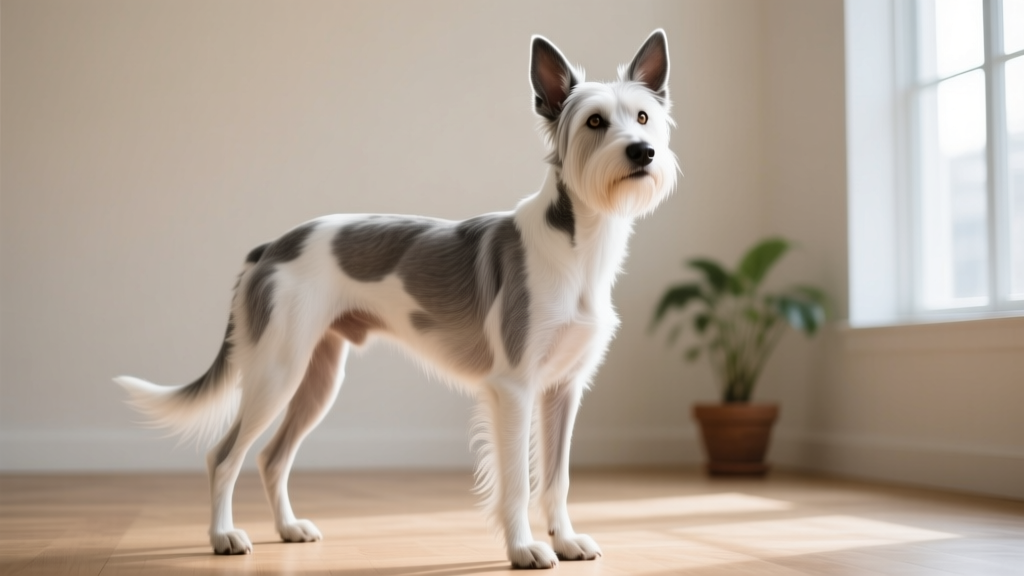
Tallest Dog Breed in the World: 10 Giant Breeds Ranked by Height
Discover the tallest dog breed in the world and 9 other giant breeds ranked by height, temperament, and lifestyle fit with expert care guidance.

What Makes a Dog the Tallest in the World?
When people search for the tallest dog breed in the world, they're usually thinking of one iconic giant: the Irish Wolfhound. Standing 32 to 34 inches at the shoulder — and sometimes taller — this sighthound has held the height crown for centuries. But the world of giant breeds extends well beyond a single record-holder, and choosing a tall dog involves far more than measuring shoulder height.
This guide ranks the 10 tallest dog breeds recognized by major kennel clubs, combining official AKC breed standards, veterinary guidance on giant-breed care, and practical ownership insights. Whether you're researching before adopting or simply fascinated by canine giants, you'll find specific data on height ranges, weight expectations, lifespan realities, and the lifestyle each breed demands.
To qualify, each breed must meet all of the following:
- Minimum height: 26 inches (66 cm) at the withers for males per official breed standard
- Kennel club recognition: Recognized by the AKC, UKC, or FCI with a published breed standard
- Measurable standard: Breed standard includes specific height ranges (not just "large" or "giant")
- Active breeding population: Puppies are available through responsible breeders or breed-specific rescues
Breeds are ranked by maximum male shoulder height as stated in their official standard. Individual dogs may exceed these ranges.
The 10 Tallest Dog Breeds Ranked by Height
1. Irish Wolfhound — The Tallest Dog Breed in the World
Height: 32–34 in / 81–86 cm (males) | Weight: 120–160 lb / 54–73 kg
Size Class: Giant Sighthound | Lifespan: 6–8 years
The undisputed tallest breed recognized by any major kennel club. Irish Wolfhounds were originally bred in Ireland to hunt wolves and elk, requiring both immense size and athletic speed. Despite their imposing stature, they're famously gentle — often called "gentle giants." Their sighthound prey drive means secure fencing (minimum 6 feet) is non-negotiable, and their deep chests put them at high risk for gastric dilatation-volvulus (GDV or bloat), a life-threatening emergency.
Why it ranks #1: The AKC standard mandates a minimum of 32 inches for males, with many individuals reaching 34–36 inches. No other recognized breed has a higher minimum height requirement.
2. Great Dane — The "Apollo of Dogs"
Height: 30–32 in / 76–81 cm (males) | Weight: 140–175 lb / 64–79 kg
Size Class: Giant Working | Lifespan: 7–10 years
Great Danes often rival Irish Wolfhounds in actual measured height, and the tallest dog ever recorded was a Great Dane named Zeus (44 inches at the shoulder). The breed standard, however, sets the male minimum at 30 inches — slightly below the Wolfhound. Bred in Germany as boar hunters, today's Danes are couch-loving companions who need moderate daily exercise (30–45 minutes) but are surprisingly low-energy indoors. Their massive size means elevated food bowls, orthopedic beds, and a vehicle that can handle a 150-pound passenger.
Why it ranks #2: While individual Danes can be the tallest dogs alive, the breed standard's minimum places them just behind the Wolfhound on average.
3. Scottish Deerhound
Height: 30–32 in / 76–81 cm (males) | Weight: 85–110 lb / 39–50 kg
Size Class: Giant Sighthound | Lifespan: 8–11 years
Often confused with the Irish Wolfhound, the Scottish Deerhound is leaner and slightly more refined. Bred to hunt red deer in the Scottish Highlands, they have a wiry, weather-resistant coat and a quiet, dignified temperament. They tend to live slightly longer than Wolfhounds — a meaningful difference when you're prepared for giant-breed lifespans measured in single digits. Deerhounds bond deeply with their families and can be reserved with strangers.
Why it ranks #3: Matches the Great Dane's height range but is lighter-framed and less widely bred, placing it third in practical accessibility.
4. Leonberger
Height: 28–31.5 in / 71–80 cm (males) | Weight: 110–170 lb / 50–77 kg
Size Class: Giant Working | Lifespan: 7–9 years
This lion-like German breed was created in the 1840s by crossing Saint Bernards, Newfoundlands, and Great Pyrenees. Leonbergers are versatile working dogs — they've been used for water rescue, cart-pulling, and as family guardians. Their double coat sheds heavily twice a year, and they require committed grooming (20–30 minutes, three times per week). They're notably more trainable than many giant breeds and excel in obedience and drafting competitions.
Why it ranks #4: Males can reach 31.5 inches, overlapping with the lower end of the Deerhound range, with a stockier, more muscular build.
5. Neapolitan Mastiff
Height: 26–31 in / 66–79 cm (males) | Weight: 150–200 lb / 68–91 kg
Size Class: Giant Mastiff | Lifespan: 7–9 years
Recognizable by their dramatic loose skin and deep wrinkles, Neapolitan Mastiffs descend from Roman war dogs. They are intensely loyal and protective, requiring early and extensive socialization using positive reinforcement methods. This is not a breed for first-time owners — their guarding instincts are strong, and their sheer mass (up to 200 pounds) means any behavioral issue becomes a safety concern. Daily exercise needs are modest (20–30 minutes of walking), but drool management is a constant reality.
Why it ranks #5: The upper height range reaches 31 inches, though most males cluster around 28–30 inches. Their extreme weight compensates for slightly less height.
6. Saint Bernard
Height: 28–30 in / 71–76 cm (males) | Weight: 140–180 lb / 64–82 kg
Size Class: Giant Working | Lifespan: 8–10 years
Famous for their alpine rescue heritage in the Swiss Alps, Saint Bernards are among the most recognizable giant breeds. They come in short-haired and long-haired varieties. Their temperament is famously patient and gentle, making them one of the more family-friendly giants. However, their size demands serious logistical planning: doorways, vehicle cargo space, and staircases all need to accommodate a dog that can weigh as much as an adult human. Hip and elbow dysplasia screening is essential — ask any breeder for OFA or PennHIP certifications.
Why it ranks #6: Solid 28–30 inch range with massive bone structure. Less height than the top five but extraordinary overall mass.
7. English Mastiff
Height: 30+ in / 76+ cm (males) | Weight: 160–230 lb / 73–104 kg
Size Class: Giant Mastiff | Lifespan: 6–10 years
The English Mastiff is the heaviest dog breed in the world — the record-holder, Zorba, weighed 343 pounds. The AKC standard sets a minimum of 30 inches for males with no upper limit, meaning some individuals rival the tallest breeds. Despite their bulk, Mastiffs are relatively calm and low-energy, often content with two 20-minute walks daily. Their short coat is easy to maintain, but potential owners should budget for enormous food costs (8–12 cups of large-breed kibble daily, roughly $150–$250/month) and prepare for significant veterinary expenses related to joint health.
Why it ranks #7: The "30+ inches" standard has no ceiling, but the breed prioritizes mass over height. Average males stand 30–32 inches.
8. Newfoundland
Height: 28 in / 71 cm (males, average) | Weight: 130–150 lb / 59–68 kg
Size Class: Giant Working | Lifespan: 9–10 years
Newfoundlands are legendary water rescue dogs with webbed feet and a water-resistant double coat. They're among the tallest of the heavy-coated working breeds, with males averaging 28 inches and some reaching 30. Their temperament is exceptionally gentle — Newfoundlands are often called "nanny dogs" for their patience with children. They require regular swimming or water access to stay mentally stimulated and physically fit. Their thick coat demands thorough brushing 2–3 times weekly and professional grooming every 8–12 weeks.
Why it ranks #8: Consistent 28-inch average with some taller individuals. Their water-rescue heritage and family-friendly nature make them a standout giant.
9. Anatolian Shepherd Dog
Height: 29+ in / 74+ cm (males) | Weight: 110–150 lb / 50–68 kg
Size Class: Giant Livestock Guardian | Lifespan: 11–13 years
An outlier among giants: the Anatolian Shepherd lives significantly longer than most breeds on this list — often 11 to 13 years. Originally bred to guard livestock against wolves and bears in Turkey, they are fiercely independent, territorial, and not suited for apartment or suburban living. They need acreage, a job (even if that "job" is guarding your property), and an owner experienced with livestock guardian breeds. Their intelligence and wariness of strangers demand early socialization and consistent, force-free training.
Why it ranks #9: Minimum 29 inches for males, with many exceeding 30 inches. Their working-dog intensity and long lifespan set them apart from companion-oriented giants.
10. Tibetan Mastiff
Height: 26+ in / 66+ cm (males) | Weight: 90–150 lb / 41–68 kg
Size Class: Giant Livestock Guardian | Lifespan: 10–12 years
Guardians of Himalayan monasteries and nomadic camps for thousands of years, Tibetan Mastiffs are imposing, lion-maned dogs with a powerful nocturnal bark. They're the shortest "minimum height" entry on this list but can reach 30+ inches. Like the Anatolian, they are independent thinkers bred to make decisions without human direction. They shed their massive coat once annually in a dramatic "blow" and are notably cleaner than many giant breeds. Nighttime barking is a breed trait, not a bug — potential owners in noise-restricted areas should think carefully.
Why it ranks #10: AKC minimum is 26 inches for males, placing them at the threshold, but impressive individuals regularly exceed 28–30 inches.
Giant Breed Comparison: Height, Weight, Lifespan & Cost
| Breed | Male Height (in/cm) | Male Weight (lb/kg) | Lifespan | Exercise/Day | Annual Cost Est. |
|---|---|---|---|---|---|
| Irish Wolfhound | 32–34 / 81–86 | 120–160 / 54–73 | 6–8 yrs | 45–60 min | $3,200–$5,000 |
| Great Dane | 30–32 / 76–81 | 140–175 / 64–79 | 7–10 yrs | 30–45 min | $2,800–$4,500 |
| Scottish Deerhound | 30–32 / 76–81 | 85–110 / 39–50 | 8–11 yrs | 40–60 min | $2,500–$4,000 |
| Leonberger | 28–31.5 / 71–80 | 110–170 / 50–77 | 7–9 yrs | 45–60 min | $3,000–$4,800 |
| Neapolitan Mastiff | 26–31 / 66–79 | 150–200 / 68–91 | 7–9 yrs | 20–30 min | $3,500–$5,500 |
| Saint Bernard | 28–30 / 71–76 | 140–180 / 64–82 | 8–10 yrs | 30–45 min | $2,800–$4,500 |
| English Mastiff | 30+ / 76+ | 160–230 / 73–104 | 6–10 yrs | 30–40 min | $3,500–$6,000 |
| Newfoundland | 28 / 71 | 130–150 / 59–68 | 9–10 yrs | 30–45 min | $2,800–$4,500 |
| Anatolian Shepherd | 29+ / 74+ | 110–150 / 50–68 | 11–13 yrs | 45–60 min | $2,000–$3,500 |
| Tibetan Mastiff | 26+ / 66+ | 90–150 / 41–68 | 10–12 yrs | 30–45 min | $2,500–$4,500 |
Annual cost estimates include food, routine veterinary care, preventives, grooming, and supplies. They do not include emergency veterinary care, which averages $2,000–$5,000+ per incident for giant breeds. Consult your veterinarian for breed-specific preventive care plans.
Health Realities of Owning the Tallest Dog Breeds
Giant breeds share a cluster of health risks that prospective owners must understand before committing. The Merck Veterinary Manual identifies several conditions disproportionately affecting dogs over 100 pounds:
- Gastric Dilatation-Volvulus (GDV/bloat): The stomach fills with gas and twists, cutting off blood supply. This is a surgical emergency with a mortality rate of 15–30% even with treatment. Prophylactic gastropexy (surgically tacking the stomach to the abdominal wall) during spay/neuter reduces risk by over 90% — ask your vet about this procedure for any deep-chested giant breed.
- Dilated Cardiomyopathy (DCM): The heart muscle weakens and the chambers enlarge. Irish Wolfhounds have one of the highest breed predispositions, with an estimated prevalence of 25–35% in some lines. Annual cardiac screening by a veterinary cardiologist is recommended after age 2.
- Hip and Elbow Dysplasia: Malformation of the ball-and-socket joints causing pain, arthritis, and lameness. OFA (Orthopedic Foundation for Animals) or PennHIP screening of both parents is essential when selecting a breeder.
- Osteosarcoma: Aggressive bone cancer with a devastatingly high incidence in giant breeds — Irish Wolfhounds, Great Danes, and Rottweilers are among the most affected. Amputation followed by chemotherapy extends median survival to approximately 10–12 months.
- Joint and Mobility Issues: Rapid growth in giant puppies can cause developmental orthopedic diseases. Feed a large-breed puppy formula (AAFCO-approved, with controlled calcium and phosphorus) and avoid forced exercise on hard surfaces until growth plates close at 18–24 months.
If your giant-breed dog shows a distended abdomen, unproductive retching, restlessness, or pale gums, this is a life-threatening emergency. Transport to the nearest emergency veterinary clinic immediately. Time to treatment is the single biggest factor in survival.
How to Choose the Right Giant Breed for Your Lifestyle
Height alone shouldn't drive your decision. The right tall breed depends on your living situation, experience level, activity preferences, and emotional readiness for a shorter-than-average lifespan. Here's a practical decision framework for the top three contenders:
Decision Flowchart: Irish Wolfhound vs. Great Dane vs. Saint Bernard
- Do you have a securely fenced yard of at least 1/4 acre?
- No → Consider the Great Dane. They adapt better to smaller spaces and are lower-energy indoors than Wolfhounds.
- Yes → Continue to question 2.
- Do you have young children (under 8)?
- Yes → The Saint Bernard or Great Dane are more predictable and patient. Wolfhounds are gentle but their sighthound prey drive can be triggered by fast-moving, squealing children.
- No → Continue to question 3.
- Can you commit to 45–60 minutes of daily exercise regardless of weather?
- Yes → The Irish Wolfhound will thrive with a jogging partner or access to a large field for sprinting.
- I prefer 30 minutes or less → The Great Dane or Saint Bernard better matches your energy level.
- Are you prepared for a 6–8 year lifespan?
- Yes, I understand the emotional cost → The Wolfhound offers an unmatched bond in a shorter window.
- I'd prefer 8–10+ years → The Great Dane (7–10) or Saint Bernard (8–10) provides more time together.
- What's your grooming tolerance?
- Low — I want minimal grooming → Great Dane (short coat, weekly brushing).
- Moderate — I don't mind some upkeep → Saint Bernard (weekly brushing, seasonal heavy shedding).
- I enjoy grooming rituals → Irish Wolfhound (hand-stripping or regular brushing of the wiry coat).
Honorable Mentions and Breeds to Consider Carefully
Honorable Mentions (Tall but Below the Top 10 Threshold)
- Greyhound: Males reach 28–30 inches but are far lighter (65–70 lb) and built for sprinting, not sustained size. They're the fastest, not the tallest overall.
- Bloodhound: 25–27 inches at the shoulder — just below our minimum threshold — but their massive build and 90–110 lb weight make them feel much larger.
- Great Pyrenees: Males stand 27–32 inches, but the breed's average clusters around 28–29 inches. They're a strong contender if livestock guardian temperament appeals to you.
Breeds to Approach With Caution
Some breeds are marketed as "the tallest" or "the biggest" by breeders prioritizing size over health. Be wary of:
- "Record-size" Great Danes or Mastiffs: Breeders advertising dogs over 40 inches or 300+ pounds are often selecting for extreme size at the expense of joint health, cardiac function, and lifespan. The AKC breed standards exist for a reason — dogs far exceeding them often suffer.
- Unrecognized "giant" designer breeds: Crosses marketed as "giant" versions of popular breeds (e.g., "Giant Golden Retrievers") lack health-tested pedigrees and predictable temperaments. Stick with established breeds from health-testing breeders or breed-specific rescues.
Practical Costs of Giant Dog Ownership
Budgeting for a tall dog requires thinking beyond the purchase price. Here's what giant-breed ownership actually costs in the first year:
| Expense Category | Low Estimate | High Estimate | Notes |
|---|---|---|---|
| Puppy Purchase (responsible breeder) | $1,500 | $4,000 | Rescue adoption: $300–$600 |
| Annual Food (large-breed formula) | $1,200 | $2,400 | 8–12 cups/day; brands like Purina Pro Plan Large Breed, Royal Canin Giant |
| Veterinary (routine + preventives) | $800 | $1,500 | Heartworm prevention costs more for giant breeds (weight-based dosing) |
| Orthopedic Bed (giant size) | $150 | $400 | Brands: Big Barker, K9 Ballistics; essential for joint health |
| Crate (54-inch or larger) | $120 | $300 | Midwest, ProSelect Empire series |
| Pet Insurance (annual premium) | $900 | $2,000 | Giant breeds are expensive to insure; consider Trupanion, Healthy Paws |
| Total First Year | $4,670 | $10,600 | Excluding emergency care |
Frequently Asked Questions
What is the tallest dog breed in the world?
The Irish Wolfhound is the tallest recognized dog breed, with males standing a minimum of 32 inches (81 cm) at the shoulder per the AKC breed standard. Many individuals reach 34 inches or more. However, individual Great Danes have held the Guinness World Record for tallest living dog — the record-holder Zeus measured 44 inches.
Why is the Great Dane not ranked as the tallest breed?
While individual Great Danes can be taller than individual Irish Wolfhounds, the breed standard sets the minimum male height at 30 inches — two inches below the Wolfhound's 32-inch minimum. On average across the breed population, Wolfhounds are consistently taller. The Dane's claim to fame is holding records for the tallest individual dogs ever measured.
Are tall dog breeds good with children?
Many giant breeds — particularly the Saint Bernard, Newfoundland, and Great Dane — are known for patience and gentleness with children. However, any dog over 100 pounds can accidentally injure a toddler simply by leaning, stepping, or wagging their tail. Always supervise interactions, teach children to respect the dog's space, and never allow a child to ride or climb on a dog.
How long do giant dog breeds live?
Giant breeds have the shortest lifespans in the canine world. Most live 6–10 years, with the Irish Wolfhound averaging just 6–8 years. The Anatolian Shepherd and Tibetan Mastiff are notable exceptions, often reaching 11–13 years. Research published in veterinary journals consistently shows an inverse relationship between body size and lifespan in dogs, likely linked to accelerated growth rates and increased oxidative stress.
Can tall dog breeds live in apartments?
It's possible but not ideal. Great Danes are the most apartment-adaptable giant breed due to their low indoor energy level — they're often described as "the world's biggest lap dogs." However, all giants need daily outdoor exercise, and the logistics of maneuvering a 150-pound dog through apartment hallways, elevators, and parking structures is a significant daily consideration. Irish Wolfhounds and sighthounds need secure outdoor space to run and are poorly suited to apartment life.
What should I feed a giant breed puppy?
Giant breed puppies need a specifically formulated large-breed puppy food that controls calcium and phosphorus levels to prevent developmental orthopedic diseases like hypertrophic osteodystrophy (HOD) and osteochondritis dissecans (OCD). Look for an AAFCO statement confirming the food meets nutritional requirements for "growth" or "all life stages" and specifically mentions large-breed puppies. Feed measured meals (never free-feed), and keep puppies lean — you should be able to feel but not see their ribs. Consult your veterinarian for a breed-specific feeding plan.
This article is for informational purposes only and does not replace professional veterinary advice. Always consult your veterinarian for health, nutrition, and behavioral guidance specific to your dog.
Aaron Whyte
All our authors care for dogs every day — read more of their work on the authors page.