Weiner Dog Maltese Mix: The Complete Malchi Breed Profile & Care Guide
the weiner dog maltese mix (Malchi): size, temperament, coat types, health risks, grooming, and cost in one complete guide.
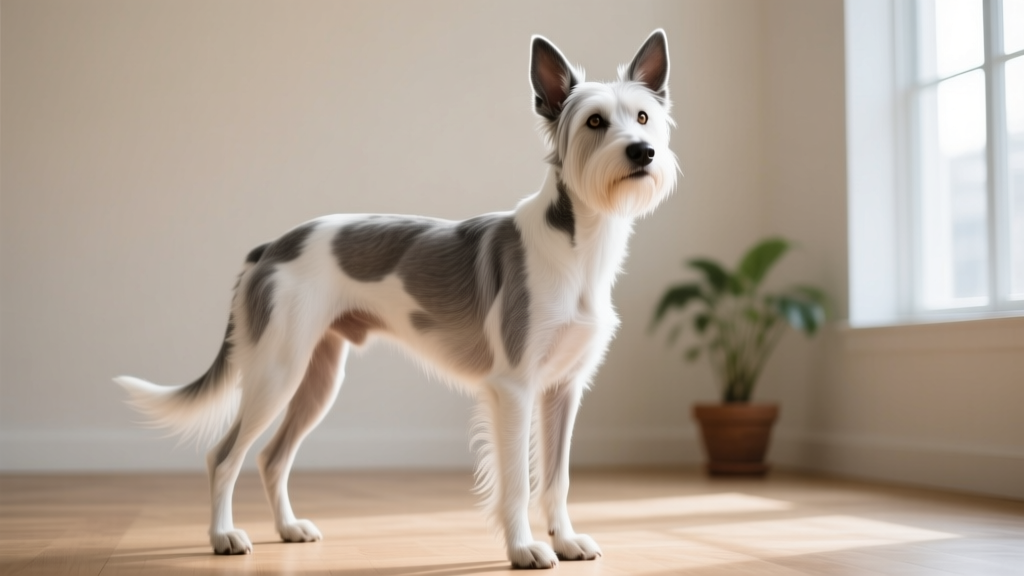
Meet the Malchi: When a Dachshund Meets a Maltese
The weiner dog maltese mix — most commonly called the Malchi (also spelled Malchie or Maltechi) — is a small designer cross between a Dachshund and a Maltese. Weighing in at roughly 5 to 15 pounds and standing 6 to 12 inches at the shoulder, this compact companion has carved out a loyal following among apartment dwellers, seniors, and families looking for a portable, affectionate dog.
But before you bring one home, it is critical to understand that mixed-breed dogs are not carbon copies of each other. A Malchi can inherit any combination of traits from its parent breeds — from the Dachshund's bold, independent streak to the Maltese's gentle, velcro-dog devotion. This guide breaks down the real range of what you can expect, backed by breed standards and veterinary data, so you can decide whether this mix fits your household.
| Parent Breeds | Dachshund (Miniature or Standard) × Maltese |
| Common Names | Malchi, Malchie, Maltechi, Dachshund Maltese Mix |
| Weight Range | 5–15 lb (2.3–6.8 kg) |
| Height Range | 6–12 in (15–30 cm) at the shoulder |
| Lifespan | 12–16 years |
| Coat Types | Long/silky, short/smooth, or wiry — varies by individual |
| AKC Recognition | Not recognized (hybrid); parents are AKC-recognized |
Parent Breed Breakdown: Dachshund vs. Maltese
Understanding a Malchi starts with understanding the two very different dogs that create it. The Dachshund and the Maltese sit on opposite ends of the temperament and working-dog spectrum, and a Malchi can lean strongly toward either parent.
| Trait | Dachshund | Maltese |
|---|---|---|
| Origin | Germany, 15th century — bred to hunt badgers | Mediterranean (Malta), ancient — bred as a companion |
| AKC Group | Hound | Toy |
| Weight | Miniature: 8–11 lb (3.6–5 kg); Standard: 16–32 lb (7.3–14.5 kg) | Under 7 lb (under 3.2 kg) |
| Temperament | Bold, curious, stubborn, vocal, prey-driven | Gentle, affectionate, alert, people-oriented |
| Coat Varieties | Smooth, longhaired, or wirehaired | Long, straight, silky, single coat |
| Shedding | Low to moderate (varies by coat type) | Very low — considered low-shedding |
| Trainability | Independent; can be challenging | Eager to please; responds well to positive methods |
| Barking Level | High — bred to alert | Moderate — alert but less intense |
| Lifespan | 12–16 years | 12–15 years |
The Dachshund's hunting heritage means that even in a tiny Malchi body, you may see a strong prey drive — chasing squirrels, digging in the yard, or barking at anything that moves past the window. The Maltese influence tends to soften these edges, producing a dog that is more content to curl up on a lap. But there are no guarantees with a first-generation cross.
Generations Explained: F1, F1B, and Multigen Malchis
- F1 (First Generation): One purebred Dachshund parent × one purebred Maltese parent. Maximum genetic diversity, but the most trait variability. Puppies in the same litter can look and behave very differently.
- F1B (First-Generation Backcross): An F1 Malchi bred back to one of the parent breeds — typically the Maltese, to push toward a low-shedding coat. Slightly more predictable coat type, but still variable.
- F2 (Second Generation): Two F1 Malchis bred together. Trait predictability does not improve — in fact, you may see a wider spread of sizes, coat types, and temperaments due to gene recombination.
- Multigen (F3+): Malchis bred to Malchis over multiple generations. Some breeders market these as more "consistent," but without a closed registry and formal breed standard, significant individual variation persists.
Most Malchis you will encounter from breeders are F1 crosses, simply because the mix is not common enough to have established multigen breeding programs the way Labradoodles or Goldendoodles have. This means you should expect meaningful puppy-to-puppy variation even within a single litter. Ask any breeder which specific generation they produce and request to see both parent dogs in person.
Size, Coat, and Appearance: The Variability Factor
One of the most common questions prospective owners ask is: "How big will my Malchi get?" The honest answer is that the range is broad, and it depends heavily on whether the Dachshund parent is a Miniature or Standard.
| Dachshund Parent | Expected Weight | Expected Height | Body Type Tendency |
|---|---|---|---|
| Miniature Dachshund (8–11 lb) | 5–10 lb (2.3–4.5 kg) | 6–9 in (15–23 cm) | Compact, lighter-boned |
| Standard Dachshund (16–32 lb) | 10–15 lb (4.5–6.8 kg) | 9–12 in (23–30 cm) | Sturdier, more elongated body |
Coat possibilities are equally varied. A Malchi can inherit:
- Long, silky single coat (from the Maltese side) — low-shedding but requires daily brushing to prevent mats
- Short, smooth double coat (from a smooth-coat Dachshund) — minimal grooming, moderate seasonal shedding
- Wiry or wavy coat (from a wirehaired or longhaired Dachshund) — medium maintenance, occasional hand-stripping may be needed
- A blend — medium-length, slightly wavy hair with a softer undercoat, which is perhaps the most common F1 outcome
Is the Malchi hypoallergenic? No dog is truly hypoallergenic. However, Malchis that inherit the Maltese's single-layer, hair-like coat tend to shed very little and produce less dander, making them a better choice for people with mild dog allergies. Malchis that inherit the Dachshund's double coat will shed more and are less suitable for allergy-sensitive homes. Because coat inheritance is unpredictable in F1 crosses, spending time with the specific puppy before committing is the only way to gauge this.
Temperament: What to Expect (and What to Prepare For)
The Malchi temperament is a lottery — but it is a lottery with a known set of outcomes. Here is the realistic range based on the parent breed traits documented by the American Kennel Club:
Best-Case Scenario
Your Malchi inherits the Maltese's gentle affection and the Dachshund's playful curiosity without excessive stubbornness. The result is a cheerful, people-oriented companion who is alert enough to bark at the doorbell but settles quickly, enjoys short walks and puzzle games, and bonds closely with their family. These dogs tend to do well in apartments and with older children who understand how to handle small dogs gently.
Challenging Scenario
Your Malchi inherits the Dachshund's intensity — high prey drive, territorial barking, wariness of strangers, and a stubborn streak that makes recall training a long-term project. Combined with the Maltese's tendency toward separation anxiety, you may end up with a dog who is vocal, clingy, and reactive on-leash. This is not a "bad" dog — it is a dog that needs a committed owner willing to invest in structured positive reinforcement training and early socialization.
Key Temperament Considerations
- Barking: Both parent breeds are vocal. Expect a Malchi who alerts to sounds, visitors, and passing animals. Early "quiet" cue training is strongly recommended.
- Prey drive: The Dachshund's hunting instinct can surface as chasing cats, squirrels, or small dogs. Keep your Malchi on-leash in unfenced areas.
- Separation anxiety: Maltese dogs are prone to distress when left alone. Malchis often inherit this, making them poor candidates for households where they would be left alone for 6+ hours daily.
- Child compatibility: Best with children ages 8+ who can handle a small, fragile dog calmly. Toddlers can accidentally injure a Malchi by dropping or squeezing them.
- Other pets: Early socialization helps, but same-sex dog aggression (common in Dachshunds) can appear. Introduce slowly and supervise.
Health Considerations: Hybrid Vigor vs. Reality
Let's address a pervasive myth: hybrid vigor does not guarantee a healthier dog. The concept of heterosis — where crossbred animals show improved biological function — has some scientific basis, but it primarily applies to traits controlled by many genes (like overall fertility or growth rate). It does not eliminate the risk of inherited diseases that both parent breeds share. A Malchi can inherit any condition that affects either the Dachshund or the Maltese, and in some cases, the combination of body structures creates unique risks.
According to data referenced in the Merck Veterinary Manual, here are the health conditions to screen for and monitor:
| Condition | Inherited From | What to Watch For | Prevention / Management |
|---|---|---|---|
| Intervertebral Disc Disease (IVDD) | Dachshund (extremely high prevalence — up to 25% of Dachshunds affected) | Back pain, reluctance to jump, dragging hind legs, sudden paralysis | Use ramps instead of stairs/jumping; maintain lean body weight; avoid activities that strain the spine |
| Patellar Luxation | Both breeds (common in small dogs) | Skipping gait, occasional hind-leg lameness, "popping" kneecap | Veterinary grading (I–IV); surgical correction for Grade III–IV; weight management |
| Dental Disease | Both breeds (small mouths crowd teeth) | Bad breath, red gums, loose teeth, difficulty eating | Daily tooth brushing with enzymatic dog toothpaste; annual veterinary dental cleanings starting at age 2–3 |
| Mitral Valve Disease (MVD) | Both breeds (prevalent in aging small dogs) | Coughing, exercise intolerance, heart murmur detected at exam | Annual cardiac auscultation from age 5+; medication if murmur progresses |
| Tracheal Collapse | Maltese (common in toy breeds) | Honking cough, especially when excited or pulling on leash | Use a harness instead of a collar; avoid obesity; medical management in mild cases |
| Hypoglycemia | Both (risk in puppies under 6 months) | Lethargy, trembling, seizures in young/small puppies | Frequent small meals; rub corn syrup on gums during an episode and go to vet immediately |
If your Malchi shows any of these signs, seek emergency veterinary care: sudden inability to walk or dragging rear legs (possible IVDD emergency — treatment within 24 hours dramatically improves outcomes), difficulty breathing, blue-tinged gums, collapse, seizures, or persistent vomiting/diarrhea with lethargy.
Recommended health screenings from a responsible breeder should include: OFA (Orthopedic Foundation for Animals) patella evaluation for both parents, a cardiac exam, and a veterinary ophthalmologist evaluation. Ask for documentation before purchasing. Always consult your veterinarian to establish a preventive care plan tailored to your individual dog.
Grooming, Exercise, and Daily Care
Grooming by Coat Type
Your Malchi's grooming routine depends entirely on which coat they inherit:
- Long/silky coat (Maltese-dominant): Daily brushing with a slicker brush and metal comb. Professional grooming every 4–6 weeks ($40–$70 per session). Bathe every 2–3 weeks with a gentle dog shampoo. Expect to spend 10–15 minutes per day on coat maintenance.
- Short/smooth coat (Dachshund-dominant): Weekly brushing with a rubber grooming mitt. Bathe monthly or as needed. Minimal professional grooming required. Shedding is light but present.
- Wiry/wavy coat (blended): Brush 3–4 times per week. Professional grooming every 6–8 weeks. May need occasional hand-stripping if the wirehaired Dachshund genes are strong.
Regardless of coat type, all Malchis need:
- Nail trims every 2–3 weeks (small dogs' nails grow fast and can alter foot structure)
- Ear checks weekly — floppy-eared Malchis (inheriting Dachshund ears) are prone to ear infections; clean with a veterinarian-approved ear wash as needed
- Daily teeth brushing — this is non-negotiable for small breeds with crowded dentition
Exercise Requirements
The Malchi is not a high-energy dog, but they still need structured daily activity to maintain muscle tone (critical for supporting that vulnerable spine) and prevent obesity:
- Walks: Two 15–20 minute walks per day on a harness (never a neck collar, due to tracheal collapse risk)
- Play: 15–20 minutes of indoor play — fetch in a hallway, puzzle toys, or sniffing games
- Total daily exercise: 40–60 minutes, split across sessions
- Avoid: Jumping on/off furniture (use pet ramps — a good one like the PetSafe CozyUp Folding Ramp runs about $35–$50), rough play with large dogs, and long stair climbs
Nutrition
Feed a high-quality, AAFCO-approved small-breed formula. Most adult Malchis eat approximately ¼ to ½ cup of kibble per day, split into two meals, depending on their weight and activity level. Look for a product with a named animal protein as the first ingredient and a guaranteed analysis showing at least 22% protein for adult maintenance. Avoid free-feeding — obesity puts devastating stress on a long-backed dog's spine.
Cost Breakdown: What a Malchi Actually Costs
The weiner dog maltese mix is not as widely bred as doodle-type designer dogs, which affects both price and availability. Here is a realistic 2026 cost breakdown:
| Expense | Estimated Cost | Notes |
|---|---|---|
| Puppy from a breeder | $800–$2,500 | Lower end for unplanned/backyard litters (not recommended); higher end for health-tested parents with documentation |
| Adoption/rescue | $100–$400 | Check Petfinder, local Dachshund or Maltese breed-specific rescues; Malchis occasionally appear |
| First-year veterinary care | $500–$900 | Includes initial vaccines (DHPP, rabies), spay/neuter, microchip, fecal tests, heartworm prevention |
| Annual ongoing vet care | $400–$700 | Wellness exam, vaccines, dental check, flea/tick/heartworm prevention |
| Food (annual) | $200–$400 | Small dogs eat less, but premium small-breed formulas cost more per pound |
| Grooming (annual) | $0–$560 | $0 for short-coat Malchis groomed at home; up to $70/session × 8 sessions for long-coat Malchis |
| Pet insurance (annual) | $350–$600 | Strongly recommended given IVDD risk — a single spinal surgery can cost $3,000–$8,000 |
Estimated first-year total: $2,350–$5,660 depending on purchase price and coat-related grooming costs. Ongoing annual cost: $950–$2,260.
Is the Malchi Right for You?
The Malchi is a wonderful match for specific households and a poor match for others. Here is a decision framework:
- Live in an apartment or small home
- Are home most of the day (retirees, remote workers)
- Have older children (8+) or no children
- Want a devoted companion dog, not a working dog
- Are willing to invest in positive reinforcement training and early socialization
- Can commit to daily grooming (if long-coated)
- Will use ramps and harnesses to protect their spine
- Are away from home 8+ hours daily
- Have toddlers who may handle a small dog roughly
- Want an off-leash hiking companion
- Are sensitive to barking
- Have cats or small pets (prey drive risk)
- Cannot budget for potential IVDD-related veterinary costs ($3,000–$8,000 for surgery)
- Prefer a highly predictable temperament and appearance
Frequently Asked Questions
What two breeds make up the Malchi?
The Malchi is a cross between a Dachshund (often called a "wiener dog" or "weiner dog" due to its elongated body shape) and a Maltese. The Dachshund parent may be a Miniature or Standard, which significantly affects the resulting puppy's size.
How big will a weiner dog maltese mix get?
Most Malchis weigh between 5 and 15 lb (2.3–6.8 kg) and stand 6 to 12 inches (15–30 cm) tall at the shoulder. Those from Miniature Dachshund lines will be on the smaller end; those from Standard Dachshund lines will be larger. Ask the breeder for parent weights to estimate your puppy's adult size.
Is the Malchi hypoallergenic or low-shedding?
No dog is truly hypoallergenic. Malchis that inherit the Maltese's single-layer coat shed very little and may be tolerable for people with mild allergies. Those inheriting the Dachshund's double coat will shed moderately. In an F1 litter, you cannot predict which coat type a given puppy will have.
What health issues might a Malchi inherit?
The most significant concern is Intervertebral Disc Disease (IVDD), inherited from the Dachshund side — up to 25% of Dachshunds develop IVDD in their lifetime. Other risks include patellar luxation, dental disease, mitral valve disease, tracheal collapse, and hypoglycemia in puppies. Pet insurance is strongly recommended.
How much does a Malchi puppy cost?
Expect to pay $800–$2,500 from a breeder, depending on location, parent health testing, and breeder reputation. Adoption through a rescue typically costs $100–$400. Always verify that the breeder provides OFA health clearances for both parent dogs.
Are Malchis easy to train?
It depends on which parent they favor. Maltese-influenced Malchis tend to be eager to please and respond well to positive reinforcement methods. Dachshund-influenced Malchis can be stubborn and require more patience and consistency. Force-free, reward-based training works best for both types — never use aversive tools like shock or prong collars, which can damage trust and worsen fear-based behaviors in small dogs.
Where can I find a Malchi for adoption?
Because Malchis are uncommon, check Petfinder and Adopt-a-Pet using mixed-breed search filters. Breed-specific rescues for Dachshunds and Maltese also occasionally take in mixed-breed dogs. Adoption gives you an adult dog whose temperament and coat type are already known — a significant advantage with variable mixes.
Sources consulted: American Kennel Club — Dachshund Breed Standard, American Kennel Club — Maltese Breed Standard, Merck Veterinary Manual.
Robin Maitland
All our authors care for dogs every day — read more of their work on the authors page.


