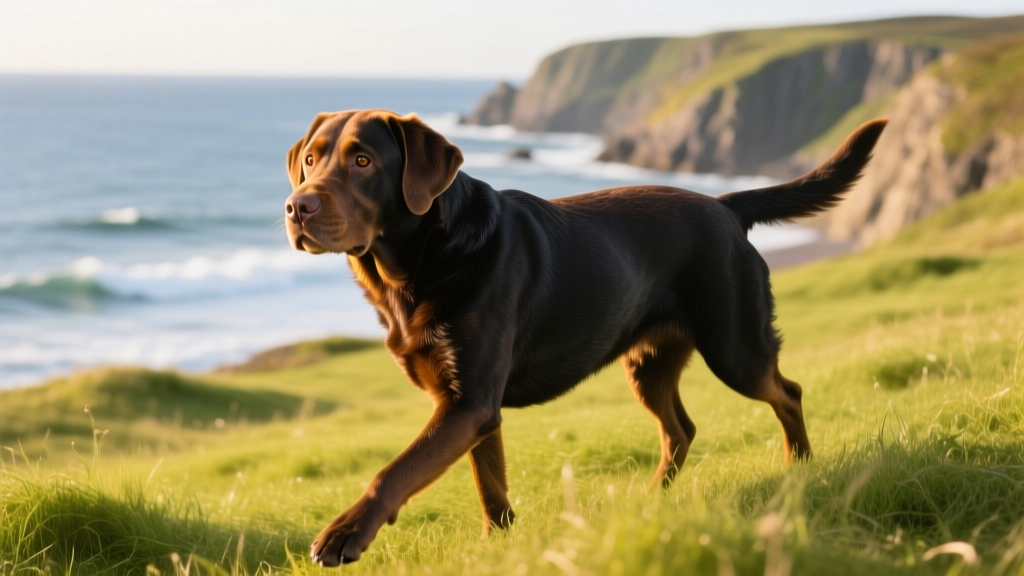
Springer Poodle Mix: The Complete Sproodle Breed Guide
Everything about the Springer Poodle mix (Sproodle): size, temperament, coat types, health risks, grooming needs, cost.

If you've spent any time browsing designer dog communities, you've probably encountered the Springer Poodle mix — often called the Sproodle. This cross between an English Springer Spaniel and a Poodle (usually Miniature or Medium) has gained a quiet but loyal following among active families looking for an athletic, intelligent companion with a potentially lower-shedding coat.
But here's the reality that many breeder websites skip: mixed-breed dogs are genetic lotteries. A Springer Poodle mix can inherit any combination of traits from either parent, and no breeder can guarantee which version you'll get. This guide breaks down what's known, what's variable, and what you should honestly expect before bringing one home.
Parent Breed Breakdown: English Springer Spaniel Meets Poodle
Understanding a Sproodle starts with understanding the two breeds behind it. Each parent brings distinct working-dog genetics, and the mix inherits from both gene pools.
| Trait | English Springer Spaniel | Poodle (Miniature/Medium) |
|---|---|---|
| AKC Group | Sporting | Non-Sporting (Miniature) / varies by registry |
| Weight Range | 40–50 lb / 18–23 kg | 10–15 lb (Mini) / 25–45 lb (Medium, per AKC) |
| Height | 19–20 inches | 10–15 in (Mini) / 15–20 in (Medium) |
| Coat Type | Medium-length, flat/wavy, feathered | Curly, dense, continuously growing |
| Shedding | Moderate, seasonal increases | Minimal (hair-like, not fur) |
| Energy Level | High — bred for all-day fieldwork | Moderate to high — athletic and trainable |
| Original Purpose | Flushing and retrieving game birds | Water retrieving, later versatile working/companion |
| Lifespan | 12–14 years | 12–15 years (Miniature) |
Both breeds are highly intelligent, eager to work with humans, and carry strong retrieving instincts. This overlap is actually good news for the Sproodle — temperament tends to land in a predictable zone of biddable, people-oriented energy. The unpredictability lies more in physical traits and specific behavioral quirks.
Understanding Generations: F1, F1B, F2, and Multigen Sproodles
- F1 (First Generation): 50% Springer Spaniel × 50% Poodle. Maximum genetic diversity, but highest trait variability. Coat type is most unpredictable in F1s.
- F1B (First Generation Backcross): An F1 Sproodle bred back to a Poodle (75% Poodle / 25% Springer) or occasionally back to a Springer. Backcrossing to a Poodle increases the likelihood of a curlier, lower-shedding coat.
- F2 (Second Generation): Two F1 Sproodles bred together. Genetic recombination means F2s have the widest variability — you might get puppies that look almost entirely like one parent breed.
- Multigen (F3+): Sproodle-to-Sproodle breeding over multiple generations. Reputable multigen programs aim for more consistent traits, but true stabilization takes 5–7+ generations and rigorous health testing.
Most Sproodles you'll encounter are F1 or F1B. The generation matters most for coat predictability: if low shedding is a priority (for allergy management, for instance), an F1B backcrossed to a Poodle gives you better odds — but never a guarantee. Even within a single F1 litter, one puppy might have a wavy, Springer-leaning coat while a littermate has tight Poodle curls.
Size Range: How Big Will a Springer Poodle Mix Get?
Sproodle size depends heavily on which Poodle variety was used in the cross. Most breeders use Miniature or Medium (also called "Moyen") Poodles rather than Standards, because a Standard Poodle × Springer cross would produce a very large dog with significant size disparity between parents.
| Poodle Parent | Expected Weight | Expected Height | Notes |
|---|---|---|---|
| Miniature Poodle | 20–35 lb / 9–16 kg | 14–18 inches at shoulder | Most common cross; compact but athletic |
| Medium (Moyen) Poodle | 30–45 lb / 14–20 kg | 16–20 inches at shoulder | Closer to Springer size; sturdier build |
| Standard Poodle (rare) | 40–60 lb / 18–27 kg | 18–22 inches at shoulder | Less common; verify breeder's rationale for size gap |
Within any litter, individual puppies can fall outside these ranges. F1 puppies especially may surprise you — I've seen Mini-Poodle-cross Sproodles hit 40 pounds because they inherited the Springer's stockier frame. Ask the breeder for the exact weights and heights of both parents, and expect the puppies to land somewhere between those two numbers (with a ±15% margin).
Coat Types and the Hypoallergenic Question
Let's address this directly: no dog is truly hypoallergenic, and no breeder can honestly guarantee a Sproodle won't trigger allergies. The AKC confirms that allergens live in dander and saliva, not just shed hair. That said, some Sproodles are more allergy-friendly than others.
| Coat Type | Inherited From | Shedding | Grooming Frequency | Allergy Impact |
|---|---|---|---|---|
| Tight curls | Poodle-dominant | Very low | Professional groom every 6–8 weeks | Lowest (but not zero) |
| Wavy/fleece | Mix of both | Low to moderate | Professional groom every 8–10 weeks + weekly brushing | Moderate |
| Flat/feathered | Springer-dominant | Moderate, seasonal surges | Brushing 3–4× weekly, professional groom every 10–12 weeks | Higher — not suitable for allergy sufferers |
The wavy "fleece" coat is the most common outcome in F1 Sproodles. It tends to be softer than a pure Poodle's wiry curls and less feathered than a Springer's. Regardless of coat type, expect regular ear maintenance — both parent breeds have pendulous, floppy ears that trap moisture and create ideal conditions for yeast and bacterial infections.
Temperament: What to Expect (and What Might Surprise You)
The good news: both Springers and Poodles are highly trainable, people-focused, and eager to please. You're unlikely to get a stubborn or aloof Sproodle. The temperament range is more about energy expression than fundamental disposition.
Best-Case Scenario
Your Sproodle inherits the Poodle's thoughtful problem-solving ability paired with the Springer's cheerful enthusiasm. The result is a dog that learns commands rapidly, enjoys advanced training (agility, scent work, rally obedience), greets visitors warmly, and settles nicely in the house after adequate exercise. They're excellent with children when properly socialized and typically get along with other dogs.
Challenging Scenario
Your Sproodle inherits the Springer's high prey drive and bird-chasing instincts combined with the Poodle's sensitivity and tendency toward anxiety when under-stimulated. This can manifest as: leash reactivity toward squirrels and birds, separation distress (vocalizing, destructive chewing) when left alone for long stretches, " Springer rage syndrome" — a rare but documented aggression condition in certain Springer lines that can theoretically appear in offspring, though it's uncommon and poorly understood. Early socialization (weeks 8–16 are critical) and consistent positive reinforcement training are non-negotiable.
- High intelligence — needs mental work, not just physical exercise
- Strong retrieving instinct — will carry things in their mouth
- People-oriented — not a backyard dog; needs to be with family
- Alert and vocal — will announce visitors (not a guard dog, but a willing doorbell)
- Water-loving — both parent breeds were water retrievers; expect puddle-seeking behavior
Health Considerations: Hybrid Vigor vs. Reality
Let's debunk a persistent myth: "hybrid vigor" does not mean your Sproodle is immune to inherited diseases. The concept of heterosis (hybrid vigor) in dogs is real but modest — it primarily reduces the risk of recessive conditions that require two copies of a faulty gene. It does not protect against conditions that both parent breeds share, or dominant genetic disorders.
A responsible Sproodle breeder should health-test both parent dogs. Here's what to look for:
| Condition | From Which Parent | Prevalence | Recommended Screening |
|---|---|---|---|
| Hip Dysplasia | Both breeds | ~7–12% in Springers (OFA data) | OFA or PennHIP evaluation of both parents |
| Progressive Retinal Atrophy (PRA) | Both breeds | Known in both; carrier rates vary | DNA test (prcd-PRA) + annual CERF eye exam |
| Ear Infections (Otitis Externa) | Both breeds (floppy ears) | Very common — expect recurring management | Regular cleaning protocol; vet checks |
| Patellar Luxation | Primarily Poodle (Miniature) | ~5–9% in Miniature Poodles | OFA patella evaluation |
| Phosphofructokinase (PFK) Deficiency | Springer Spaniel | ~2–4% carrier rate in Springers | DNA test — Springer parent should be clear |
| Sebaceous Adenitis | Poodle | Known in Poodles; variable expression | Skin biopsy if symptoms appear |
| Chronic Ear Disease / Deafness | Springer Spaniel | Adult-onset deafness documented in Springers | BAER test if hearing concerns arise |
Budget $800–$2,000 annually for preventive care (vaccinations, heartworm/flea/tick prevention, dental cleanings) and be prepared for the possibility of orthopedic or ophthalmologic issues in middle age. Pet insurance for a Sproodle typically runs $35–$65/month depending on age, location, and deductible — worth considering given the dual-breed health risk overlap.
Always consult your veterinarian to establish a health screening and preventive care schedule tailored to your individual dog.
Grooming, Exercise, and Daily Care Requirements
Grooming
Regardless of coat type, plan on:
- Brushing: 3–5 times per week with a slicker brush and metal comb. Wavy coats mat easily behind the ears, under the legs, and around the collar area.
- Professional grooming: Every 6–10 weeks depending on coat type. Expect to pay $50–$90 per session (2026 pricing; higher in metro areas).
- Ear cleaning: Weekly with a veterinarian-recommended ear cleanser. Both parent breeds are prone to otitis externa. After swimming, dry ears thoroughly and apply cleanser within the hour.
- Nail trimming: Every 2–4 weeks. Overgrown nails alter gait and can contribute to joint stress.
- Dental care: Daily brushing ideal; at minimum, veterinary dental cleanings annually ($300–$700 per procedure).
Exercise
Sproodles are not couch dogs. Plan for:
- Minimum 60 minutes of structured exercise daily (leash walks, fetch, swimming)
- Ideally 90 minutes including off-leash running in a secure area
- Mental stimulation: 15–20 minutes of training, puzzle toys, or scent work daily — this is as important as physical exercise for preventing destructive behavior
- Swimming access: Both parent breeds are natural swimmers; a dog-friendly pool or lake will be your Sproodle's favorite activity
Training Approach
Use positive reinforcement methods exclusively — both Springers and Poodles are sensitive dogs that shut down under harsh correction. Force-free, reward-based training (treats, play, praise) produces reliable results. Sproodles excel in:
- Obedience and rally competitions
- Agility (if structurally sound — wait until growth plates close around 14–18 months before high-impact jumping)
- Scent work and nose games (taps into spaniel heritage)
- Trick training (taps into Poodle intelligence)
Cost, Availability, and Finding a Sproodle
Puppy Pricing (2026 Estimates)
| Source | Price Range | What to Expect |
|---|---|---|
| Reputable breeder (health-tested parents) | $1,200–$2,800 | OFA/DNA test documentation, early socialization, health guarantee, take-back clause, spay/neuter contract |
| Casual/backyard breeder | $500–$1,200 | Rarely health-tested; higher risk of inherited conditions; no guarantee or support |
| Rescue/adoption | $150–$500 | Adult dogs available through spaniel or Poodle-specific rescues; check Petfinder and breed-specific rescue networks |
Sproodles are not as widely produced as Labradoodles or Goldendoodles, so you may need to join a waitlist (typically 3–8 months) or expand your search regionally. Check spaniel rescue organizations and Poodle rescue networks — mixed-breed dogs from both parent breeds turn up regularly in shelters, and adopting an adult Sproodle lets you see the dog's actual temperament and coat type rather than guessing.
First-Year Budget Estimate
- Puppy purchase: $1,200–$2,800
- Initial veterinary (vaccines, spay/neuter, microchip): $600–$1,200
- Supplies (crate, bed, leash, bowls, grooming tools): $200–$400
- Food (quality AAFCO-complete diet): $400–$700/year
- Grooming (6–8 sessions): $300–$720
- Training classes (puppy + intermediate): $200–$500
- Pet insurance (annual premium): $420–$780
- Total first year: $3,320–$7,100
Who This Mix Suits Best
- Active individual or family with a securely fenced yard
- Someone home for most of the day or able to arrange midday visits (separation anxiety risk)
- Experience with at least one prior dog — not the best first-dog choice due to exercise and grooming demands
- Families with children aged 6+ who understand dog boundaries (Sproodles are generally good with kids but can be mouthy as puppies)
- Owners interested in dog sports, hiking, or outdoor activities
- Budget for regular professional grooming and preventive veterinary care
- You live in a small apartment without nearby green space
- You work 10+ hour days away from home
- You want a low-maintenance dog that requires minimal grooming
- You have severe dog allergies (the "hypoallergenic" claim is unreliable in F1 crosses)
- You're looking for a guard or protection dog — Sproodles are friendly to a fault
Frequently Asked Questions
What two breeds make up the Springer Poodle mix?
The Sproodle is a cross between an English Springer Spaniel and a Poodle — most commonly a Miniature or Medium (Moyen) Poodle. Some breeders use Standard Poodles, but this is less common due to the size difference with the Springer.
How big will my Springer Poodle mix get?
Most Sproodles weigh 20–45 lb (9–20 kg) and stand 14–20 inches at the shoulder, depending on the Poodle parent's size. Ask your breeder for exact parent measurements and expect ±15% variability.
Is the Springer Poodle mix hypoallergenic or low-shedding?
No dog is truly hypoallergenic. Sproodles with Poodle-dominant curly coats shed minimally and may be better tolerated by allergy sufferers, but F1 crosses with wavy or Springer-leaning coats will shed moderately. If allergies are a concern, spend time with the specific puppy before committing, and consider an F1B backcrossed to a Poodle for better (but not guaranteed) odds.
What is the temperament of a Springer Poodle mix?
Typically intelligent, energetic, people-oriented, and eager to train. They inherit strong retrieving instincts and a love of water from both parents. The main variable is energy level — some Sproodles are moderate-energy house dogs after exercise, while others have relentless spaniel-drive that requires serious daily outlet.
What health issues might this mix inherit?
Key concerns include hip dysplasia (both breeds), progressive retinal atrophy (both breeds), patellar luxation (from the Poodle side), PFK deficiency (from the Springer side), ear infections (both breeds have floppy ears), and sebaceous adenitis (Poodle). Health testing of both parent dogs significantly reduces risk.
How much does a Springer Poodle mix cost?
Expect $1,200–$2,800 from a reputable breeder who health-tests both parents. Rescue adoption fees range from $150–$500. First-year total costs (including vet care, food, grooming, and supplies) typically fall between $3,320 and $7,100.
Are Springer Poodle mixes good with children?
Generally yes, when both the dog and children are properly socialized. Sproodles tend to be gentle and playful. However, young puppies may mouth and jump, so supervision with children under 6 is important. Teach children to respect the dog's crate and meal times.
How long do Sproodles live?
Most live 12–15 years, consistent with both parent breeds. Maintaining a healthy body condition score (BCS of 4–5 out of 9), regular veterinary care, and daily exercise are the most impactful factors in longevity.
Dr. Hannah Wickes
All our authors care for dogs every day — read more of their work on the authors page.