Labrador Retriever: From Newfoundland's Coastal Region to Your Home
Explore the Labrador Retriever's origin in Newfoundland's coastal region, plus breed traits, health risks, exercise needs, costs, and family suitability.
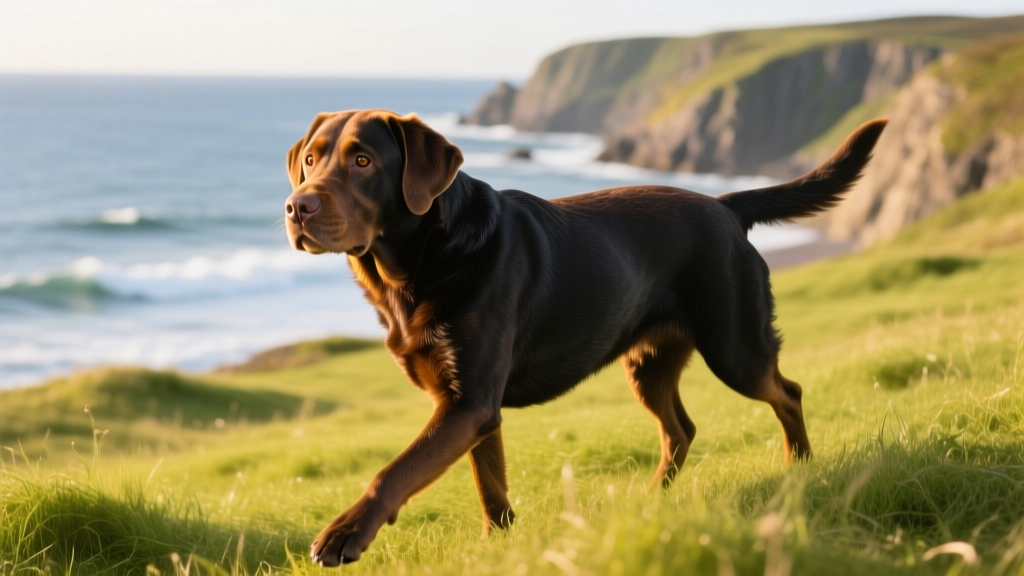
Breed Overview: The Labrador Retriever's Maritime Origins
If you've ever wondered why Labrador Retrievers seem magnetically drawn to every puddle, pond, and puddle-sized mud patch, the answer lies in the breed's origin story. Despite the name, the Labrador Retriever didn't actually originate on the Labrador peninsula — the breed's ancestors were St. John's Water Dogs from the island of Newfoundland, a rugged coastal region in eastern Canada. In the early 1800s, British ships visiting the Grand Banks fishing grounds encountered these hardy, otter-tailed dogs retrieving fish that escaped hooks and hauling lines through icy North Atlantic water.
English nobles imported the dogs back to the United Kingdom in the 1830s, where gamekeepers on Scottish and English estates refined them into the gundog we recognize today. The American Kennel Club recognized the breed in 1917, and Labradors have held the #1 spot in AKC registrations for 31 consecutive years (1991–2022), only recently displaced by the French Bulldog in 2023.
Size class: Large breed
Lifespan range: 11–13 years (median 12 years, per a 2024 UK Royal Veterinary College study of over 33,000 Labradors)
| Attribute | Details |
|---|---|
| Weight (male) | 65–80 lb / 29–36 kg |
| Weight (female) | 55–70 lb / 25–32 kg |
| Height (male) | 22.5–24.5 in / 57–62 cm |
| Height (female) | 21.5–23.5 in / 55–60 cm |
| Lifespan | 11–13 years |
| Coat type | Double coat — short, dense, water-resistant |
| Energy level | High (working-line) to Moderate-High (show-line) |
| Grooming | Weekly brushing; daily during shedding season |
| Family fit | Excellent — highly tolerant of children and other pets |
Temperament & Personality: Five Traits That Define the Lab
Labrador Retrievers are not a one-note "friendly dog" — their personality profile is layered, shaped by centuries of selective breeding for cooperative work alongside humans. Here are the five core traits you'll encounter daily:
1. Retrieving drive (hardwired, not optional). A Lab will carry things in its mouth — your shoes, a pillow, a dead fish from the creek — from puppyhood through senior years. This isn't mischief; it's a genetic impulse. Channel it with structured fetch sessions and carry-training (teaching "drop it" and "leave it" early).
2. Food motivation bordering on obsession. A 2016 study published in Cell Metabolism found that roughly 23% of Labradors carry a deletion in the POMC gene associated with satiety signaling. Translation: many Labs genuinely feel hungry more often than other breeds. This makes them highly trainable (food rewards work brilliantly) but also prone to obesity if free-fed.
3. Social magnetism. Labradors typically greet strangers as if they're long-lost friends. In my years working with dog owners, I've seen adult Labs wiggle their entire bodies when the doorbell rings — a trait that makes them terrible guard dogs but outstanding therapy and assistance animals.
4. Mouthiness in puppyhood. Lab puppies explore the world with their teeth. Expect persistent nipping and chewing from 8 weeks to roughly 6 months. Redirect to appropriate chew toys (Kong Classic, Nylabone DuraChew) rather than punishing — punishment suppresses behavior without teaching alternatives.
5. Emotional resilience. Labradors generally bounce back from startling events quickly. A thunderclap might startle them, but they typically recover within minutes rather than spiraling into prolonged anxiety. This stability is why they dominate search-and-rescue, detection, and guide dog work.
Physical Characteristics: Built for Water and Work
The Labrador's body is an engineering blueprint for aquatic retrieval. Three features set them apart from similar retriever breeds:
- Otter tail: Thick at the base, tapering to a rounded tip, carried level with the back — acts as a rudder in water. Unlike the Golden Retriever's feathered tail, the Lab's tail is short and densely coated.
- Webbed feet: Skin between toes extends further than most breeds, providing natural swim paddles. Check between toes regularly for interdigital cysts or foxtail awns after outdoor adventures.
- Double coat: A harsh, straight topcoat (roughly 2 inches long) repels water, while a dense, soft undercoat insulates against cold. The coat should feel slightly oily to the touch — this is the natural water-resistant sebum, not a sign of skin disease.
Recognized colors: Solid black, yellow (ranging from pale cream to fox-red), and chocolate. The AKC breed standard disqualifies any other color or combination. "Silver" Labradors are a controversial topic — they are registered as chocolate by the AKC, but many breed historians believe the dilute gene was introduced through outcrossing with Weimaraners in the mid-20th century. The Labrador Retriever Club, Inc. (the AKC parent club) does not recognize silver as a standard color.
Adult weight range: Males 65–80 lb (29–36 kg); Females 55–70 lb (25–32 kg). Show-line (English/Bench) Labradors tend to be stockier and heavier, sometimes reaching 85–90 lb, while field-line (American) Labradors are leaner and more athletic, often sitting at the lower end of the weight range.
Exercise & Activity: Meeting the Lab's Energy Needs
A common mistake new Lab owners make is underestimating this breed's stamina. "Moderate exercise" is not sufficient for a healthy adult Labrador. Here are specific daily targets:
| Life Stage | Minutes/Day | Recommended Activities |
|---|---|---|
| Puppy (8–12 weeks) | 15–20 (split into 3–4 sessions) | Free play in yard, short sniff walks, puppy socialization classes |
| Puppy (3–6 months) | 25–35 (split into 2–3 sessions) | Leash walks (5 min per month of age rule), fetch, shallow water introduction |
| Adolescent (6–18 months) | 45–60 | Structured fetch, swimming, hiking, basic obedience drills, flirt pole |
| Adult (1.5–7 years) | 60–90 | Running partner (after 18 months), dock diving, fieldwork, agility, long hikes with swimming |
| Senior (7+ years) | 30–45 (adjusted for arthritis) | Gentle walks, swimming (low-impact), sniffaris, short retrieve sessions |
Mental exercise matters equally. A physically exhausted but mentally bored Lab will find its own entertainment — usually destructive. Food puzzles (Outward Hound Nina Ottosson Dog Brick, Kong Wobbler), scent work games, and 10-minute training sessions burn cognitive energy. Ten minutes of nosework can tire a Lab as effectively as a 30-minute walk.
Common Health Issues: Breed-Specific Conditions to Watch
Labradors are generally robust, but their popularity has created a wide gene pool with several well-documented hereditary conditions. Always ask breeders for OFA (Orthopedic Foundation for Animals) or PennHIP certifications for hips and elbows, and CERF (Canine Eye Registration Foundation) documentation for eyes. Consult your veterinarian about screening protocols specific to your dog's age and lineage.
| Condition | Description | Estimated Prevalence | Typical Onset |
|---|---|---|---|
| Hip dysplasia | Abnormal hip joint formation leading to arthritis | ~12% (OFA data, 2020–2024) | Signs from 6 months; confirmed 12–24 months |
| Elbow dysplasia | Malformed elbow joint, often involving fragmented coronoid process | ~11% (OFA data) | 4–10 months |
| Exercise-induced collapse (EIC) | Genetic mutation (DNM1 gene) causing hind-limb weakness and collapse during intense exercise | ~3–5% affected; ~30% carriers | 5 months – 3 years |
| Progressive retinal atrophy (PRA-prcd) | Hereditary retinal degeneration leading to blindness | ~4–6% affected | 3–9 years |
| Gastric dilatation-volvulus (bloat) | Stomach fills with gas and may twist — life-threatening emergency | Risk elevated in deep-chested breeds; ~3–5% lifetime risk | Typically 4–7 years |
Obesity is the #1 preventable health issue. The American Veterinary Medical Association notes that over 50% of pet dogs are overweight or obese, and Labradors are disproportionately represented. Excess weight accelerates hip/elbow dysplasia progression, increases diabetes risk, and can reduce lifespan by up to 2.5 years. Feed measured meals (not free-choice), use a body condition score (BCS) chart, and aim for a BCS of 4–5 out of 9 — you should feel ribs with light pressure but not see them prominently.
Grooming: Managing the Double Coat
Labradors shed year-round with two heavy "coat blow" periods in spring and fall. Here's a realistic grooming schedule:
| Task | Frequency | Tools Needed |
|---|---|---|
| Brushing | 2–3 times/week (daily during coat blow) | Slicker brush + undercoat rake (Furminator Large Short-Hair or Kong ZoomGroom) |
| Bathing | Every 6–8 weeks (or as needed after swimming) | Oatmeal-based dog shampoo; avoid human shampoo (pH mismatch) |
| Nail trimming | Every 2–3 weeks | Guillotine-style or scissor-style clippers; Dremel 7300-PT for grinding |
| Ear cleaning | Weekly (Labs' floppy ears trap moisture) | Veterinary ear cleanser (Epi-Otic Advanced); cotton balls, never Q-tips |
| Teeth brushing | Daily or minimum 3x/week | Dog-specific enzymatic toothpaste (Virbac C.E.T.); finger brush or soft-bristle brush |
A note on shaving: Never shave a Labrador's double coat. The undercoat regulates temperature — shaving destroys the coat's insulating properties, increases sunburn risk, and the coat may grow back patchy or altered in texture. Shedding is managed through brushing, not removal.
Training & Intelligence: Why Labs Dominate Working Roles
Labrador Retrievers consistently rank in the top 5 most trainable breeds in canine cognition research. Stanley Coren's The Intelligence of Dogs classifies them as having "brightest" working/obedience intelligence — learning new commands in fewer than 5 repetitions and obeying known commands on the first attempt 95% of the time or better.
Recommended training approach: Positive reinforcement methods exclusively. Labs respond to food rewards, toy rewards, and social praise. Force-free, LIMA (Least Intrusive, Minimally Aversive) training builds confidence and cooperation. Aversive tools — shock collars, prong collars, alpha rolls — damage the human-dog bond and are unnecessary for this biddable breed. A 2020 study in the Journal of Veterinary Behavior confirmed that dogs trained with aversive methods displayed significantly more stress behaviors and elevated cortisol levels.
Key training milestones:
- 8–12 weeks: Name recognition, sit, crate training foundation, bite inhibition through redirection
- 3–6 months: Recall ("come"), loose-leash walking, "drop it," "leave it," house training consistency
- 6–12 months: Proofing commands with distractions, impulse control (wait at doors, settle on mat), introduction to structured activities
- 12–18 months: Advanced obedience, Canine Good Citizen (CGC) certification prep, sport-specific training (hunt tests, agility, rally)
Trainability rating: 9.5/10 — among the easiest breeds for first-time owners to train, though adolescent Labs (6–18 months) can test patience with selective hearing and high energy bursts.
Family Suitability & Living Situation Assessment
✅ Pros
- Exceptionally patient and tolerant with children of all ages
- Gets along well with other dogs and typically cohabitates peacefully with cats when socialized early
- Highly trainable — forgiving of first-time owner mistakes
- Versatile: excels in hiking, swimming, camping, therapy work, and couch-cuddling
- Low grooming complexity relative to coat volume
- Eager to please — strong cooperative instinct
❌ Cons
- Heavy shedding — fur will be on furniture, clothing, and in food
- Puppy mouthiness is intense (first 6 months require patience)
- High food motivation leads to counter-surfing and trash-raiding
- Prone to obesity without disciplined feeding
- Adolescent energy (6–18 months) can overwhelm sedentary households
- Poor guard dog — will likely greet intruders enthusiastically
Children: Labradors are widely regarded as one of the best breeds for families with children. Their tolerance threshold is high, and they rarely snap even when ears or tails are grabbed. That said, no dog should be left unsupervised with toddlers — a 75-lb Lab can accidentally knock over a small child during exuberant play.
Other pets: Generally excellent with other dogs. Labs have low prey drive compared to terriers or hounds, and most coexist peacefully with cats when introduced properly. Small mammals (hamsters, rabbits) should be kept securely separated — a Lab's retrieving instinct can still trigger chase behavior.
Apartment living: Possible but not ideal. A Lab can adapt to apartment life if given 60–90 minutes of vigorous daily exercise outside. Without adequate outlet, apartment-dwelling Labs develop nuisance barking, destructive chewing, and hyperactivity. A fenced yard (minimum 4-foot fence; Labs are not typically escape artists but adolescents will test boundaries) is strongly preferred.
Cost of Ownership: Purchase Price & Annual Expenses
| Category | Low | Mid-Range | High |
|---|---|---|---|
| Puppy from responsible breeder | $1,200 | $1,800–$2,500 | $3,000–$4,000 (proven working/show lines) |
| Adoption/rescue fee | $150 | $300–$500 | $600 (breed-specific rescue, trained adult) |
| First-year veterinary (vaccines, spay/neuter, preventives) | $600 | $900–$1,200 | $1,800 (includes emergency visits) |
| Annual food (quality kibble, 65–80 lb dog) | $480 ($40/mo) | $720 ($60/mo) | $1,080 ($90/mo — raw/fresh diet) |
| Annual preventives (heartworm, flea/tick) | $180 | $300 | $450 |
| Pet insurance (monthly premium) | $35/mo ($420/yr) | $55/mo ($660/yr) | $85/mo ($1,020/yr) |
| Grooming supplies & occasional professional grooming | $100/yr | $200/yr | $400/yr |
| Training classes (group) | $150 (6-week course) | $300 (multiple courses) | $800+ (private sessions) |
Estimated first-year total: $2,500–$5,500 depending on source (adoption vs. breeder), veterinary needs, and chosen food/insurance plans.
Estimated annual cost after year one: $1,500–$3,500.
When selecting a breeder, look for OFA health testing on both parents, a written health guarantee (minimum 2 years for hip/elbow), a take-back clause requiring you to return the dog to the breeder if you can no longer keep it, and AKC registration. Breed-specific rescues like Labrador Retriever Rescue, Inc. often have adult Labs already evaluated for temperament and health — a cost-effective and life-saving alternative.
Frequently Asked Questions
Is the Labrador Retriever right for first-time owners?
Yes — Labradors are among the most recommended breeds for first-time dog owners. Their eagerness to please, food motivation (which makes training straightforward), and forgiving nature mean that beginner mistakes are less likely to create lasting behavioral problems. The main challenge for first-timers is managing adolescent energy (6–18 months) and committing to daily exercise regardless of weather or schedule.
How much exercise does a Labrador need daily?
Adult Labradors require 60–90 minutes of vigorous exercise daily. This should include aerobic activity (running, swimming, fetch) rather than only leash walking. Mental stimulation through food puzzles, scent work, or training sessions supplements physical exercise. Puppies follow the "5 minutes of structured exercise per month of age" guideline to protect developing joints.
What health problems are Labradors most prone to?
The top breed-specific concerns are hip dysplasia (~12%), elbow dysplasia (~11%), exercise-induced collapse (EIC, ~3–5% affected), progressive retinal atrophy (PRA-prcd, ~4–6%), and gastric dilatation-volvulus (bloat). Obesity is the most significant preventable health issue. Work with your veterinarian to establish a screening and prevention plan tailored to your dog.
How big does a full-grown Labrador Retriever get?
Adult males typically weigh 65–80 lb (29–36 kg) and stand 22.5–24.5 inches (57–62 cm) at the shoulder. Females weigh 55–70 lb (25–32 kg) and stand 21.5–23.5 inches (55–60 cm). English/show-line Labs tend to be stockier and heavier; American/field-line Labs are leaner and more athletic.
Are Labradors good with children and other pets?
Labradors are one of the top-rated breeds for families with children and multi-pet households. They are patient, gentle, and social. Early socialization (exposure to children, cats, and other dogs during the 3–14 week critical window) solidifies these traits. Always supervise interactions between any dog and young children.
How much does it cost to buy and maintain a Labrador?
Puppies from responsible breeders range from $1,200 to $4,000; adoption fees from rescues run $150–$600. First-year expenses (including veterinary care, food, supplies, and training) typically fall between $2,500 and $5,500. Ongoing annual costs are approximately $1,500–$3,500, depending on food quality, insurance coverage, and preventive care choices.
Are English (show) Labs and American (field) Labs different?
Yes — they represent two distinct breeding lines within the same breed. English/bench Labs are broader, calmer, and thicker-coated, bred for conformation shows. American/field Labs are leaner, higher-drive, and more energetic, bred for hunt tests and field trials. Both are AKC-registered Labrador Retrievers, but their temperaments and energy levels differ significantly. Match the line to your lifestyle: active outdoor enthusiasts often prefer field lines, while families seeking a calmer companion may lean toward show lines.
Anouk Beaumont
All our authors care for dogs every day — read more of their work on the authors page.


