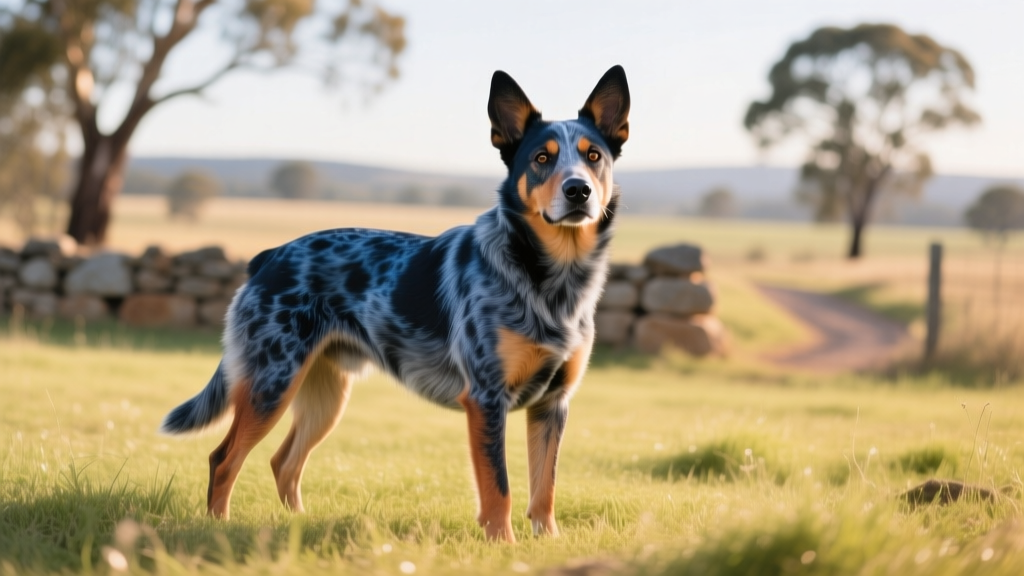
Small Pitbull Breeds: Pocket Bullies & Miniature Bullies
Everything about small pitbull breeds: size, temperament, health risks, costs, and care for Pocket Bullies and Miniature American Bullies.

What Are Small Pitbull Breeds?
When people search for "small pitbull breeds," they're usually referring to compact versions of the American Bully — most commonly the Pocket Bully and the Miniature American Bully. These dogs carry the muscular build, broad head, and confident demeanor of their larger Bully cousins but in a significantly smaller package. Neither the American Kennel Club (AKC) nor the Fédération Cynologique Internationale (FCI) currently recognizes these size variants as separate breeds, but the United Kennel Club (UKC) recognizes the American Bully breed standard, and registries like the American Bully Kennel Club (ABKC) maintain specific size classifications including Pocket and Miniature categories.
The term "pitbull" itself is an umbrella label covering several breeds — the American Pit Bull Terrier, American Staffordshire Terrier, Staffordshire Bull Terrier, and American Bully. The small variants we're covering here descend primarily from American Bully breeding programs that selectively paired smaller, compact dogs to produce a below-standard-size companion animal with the same breed temperament.
| Attribute | Pocket Bully | Miniature American Bully |
|---|---|---|
| Size Class | Small | Small-to-Medium |
| Weight Range | 10–22 lb (4.5–10 kg) | 20–35 lb (9–16 kg) |
| Height (at withers) | 12–16 in (30–41 cm) | 14–17 in (36–43 cm) |
| Lifespan | 10–13 years | 10–14 years |
| Coat Type | Short, smooth, single coat | Short, smooth, single coat |
| Energy Level | Moderate | Moderate-to-High |
| Grooming Needs | Low (weekly brushing) | Low (weekly brushing) |
| Family Fit | Excellent with proper socialization | Excellent with proper socialization |
Origin and Breed Development
The American Bully was developed in the United States between 1980 and 1990, primarily by crossing American Pit Bull Terriers with American Staffordshire Terriers and selectively introducing other bulldog-type breeds for stockier conformation. Breeders like Dave Wilson (Razors Edge line) and others shaped the modern Bully through the 1990s and early 2000s.
The push toward smaller variants began in the mid-2000s when breeders started selecting the most compact dogs from standard litters and breeding them together. Some lines introduced smaller breeds — French Bulldogs and Patterdale Terriers appear in certain pedigree backgrounds — to reduce size while maintaining the Bully's signature head structure and body proportions. The ABKC officially defined the Pocket class as males under 17 inches and females under 16 inches at the withers, and the Miniature class as males under 14 inches and females under 13 inches.
This selective downsizing is relatively recent in canine breeding terms, which means the gene pool for small pitbull breeds is narrower than that of established toy breeds. That narrower pool has direct implications for health — something we'll cover in detail below.
Temperament and Personality Traits
Small pitbull breeds inherit the core temperament of the American Bully, which the UKC describes as confident, sociable, and good-natured. Here's what you can realistically expect in daily life:
- People-oriented attachment: These dogs form intense bonds with their primary caregivers. A Pocket Bully will follow you room-to-room and prefer to be physically touching you on the couch. This is not independence — separation anxiety is a genuine risk if left alone for more than 4–5 hours regularly.
- Stable confidence: Unlike some small breeds that compensate with nervous barking or skittishness, well-bred small Bullies tend to be calm in novel environments. Take one to an outdoor café and they're more likely to settle under your chair than to react to every passing dog.
- Stubborn intelligence: They learn commands quickly but compliance is a negotiation. A Pocket Bully who has decided the couch is more comfortable than their bed will look at you, process your "off" command, and then slowly slide back onto the cushion. This is not defiance — it's a breed that was developed to think independently.
- Dog tolerance (variable): Early socialization is critical. American Bully lines vary in same-sex dog tolerance. Some Pocket Bullies are dog-friendly; others show leash reactivity or resource guarding by 18 months if not properly socialized between 8–16 weeks of age.
- Playful stamina: Despite their compact size, these dogs have surprising endurance. Expect a Pocket Bully to engage in 20–30 minute play sessions of tug, fetch, or wrestling without tiring quickly.
Physical Characteristics in Detail
The hallmark of small pitbull breeds is a disproportionately muscular frame on a compact skeleton. Here's what defines the look:
- Head: Broad, blocky skull with pronounced cheek muscles and a short-to-medium muzzle. The head should appear large in proportion to the body — this is a breed standard requirement, not a fault.
- Body: Wide chest, heavy bone density, and visible muscle definition even at rest. A 15-pound Pocket Bully will feel denser and heavier in your arms than a 15-pound terrier mix.
- Coat: Single-layer, short, glossy hair that lies flat against the body. All colors and patterns are accepted — blue, fawn, brindle, tri-color, merle, and pied are common. Merle coloring has become trendy but carries health risks (see health section below).
- Tail: Naturally short-to-medium length, set low, tapering to a point. No docking is required or standard.
Weight ranges vary considerably even within the same size class. A heavily muscled male Pocket Bully at 16 inches can weigh 22 lb (10 kg) and be perfectly lean, while a less muscular female at the same height might be overweight at 18 lb (8.2 kg). Body Condition Score (BCS) assessment is more reliable than scale weight for these dogs — you should be able to feel but not prominently see the ribs, with a visible waist tuck when viewed from above.
Exercise and Activity Requirements
Small pitbull breeds need structured daily exercise, but their requirements are manageable for most lifestyles. Here's a practical breakdown:
| Activity Type | Duration | Frequency | Notes |
|---|---|---|---|
| Leash walk (brisk pace) | 20–30 minutes | 2x daily | Use a front-clip harness to reduce pulling |
| Structured play (tug, fetch, flirt pole) | 15–20 minutes | 1–2x daily | End sessions before overexertion — watch for heavy panting |
| Mental enrichment (snuffle mat, puzzle toys) | 10–15 minutes | Daily | Cong, West Paw Toppl, or Outward Hound puzzles work well |
| Off-leash free run (fenced area) | 20–30 minutes | 3–4x weekly | Only in secure areas — recall can be unreliable around distractions |
Total daily exercise target: 45–75 minutes of combined physical and mental activity. This is less than a Standard American Bully (which needs 60–90+ minutes) but more than most toy breeds. Puppies under 12 months should follow the "5 minutes per month of age" rule for structured walks to protect developing joints — a 4-month-old puppy should have no more than 20 minutes of continuous leash walking per session.
Heat sensitivity is a real concern. These dogs are brachycephalic-adjacent — not as flat-faced as a French Bulldog, but their shortened muzzles reduce cooling efficiency. When temperatures exceed 80°F (27°C), move exercise to early morning or evening and carry water on every walk.
Common Health Issues
The selective breeding for small size has concentrated certain health risks. Before purchasing or adopting a small pitbull breed, understand these conditions:
| Condition | Prevalence | Onset Age | Estimated Treatment Cost |
|---|---|---|---|
| Hip Dysplasia | 15–25% in Bully breeds (OFA data) | 6 months – 2 years | $1,500–$6,000 (surgical) |
| Patellar Luxation | 10–20% in small variants | 4 months – 3 years | $1,000–$3,500 per knee |
| Allergic Dermatitis (skin/food) | 30–40% of American Bullies | 6 months – 3 years | $200–$800/year ongoing |
| Brachycephalic Airway Issues | 5–15% (varies by muzzle length) | Birth – 5 years | $500–$5,000 (surgical correction) |
| Congenital Heart Defects (ASD/VSD) | 3–8% in Pocket/Mini lines | Birth – 1 year | $2,000–$10,000+ depending on severity |
Merle-to-merle breeding warning: The merle coat pattern has surged in popularity among small Bully breeders, but breeding two merle dogs together produces "double merle" puppies with significantly elevated risk of deafness, blindness, and ocular abnormalities. Reputable breeders never pair merle-to-merle. If a breeder offers you a double merle puppy, walk away.
Always ask a breeder for OFA (Orthopedic Foundation for Animals) hip and elbow scores, a recent cardiac evaluation, and documented allergy history on both parents. Consult your veterinarian about breed-appropriate screening schedules — a baseline orthopedic exam at 6 months and annual cardiac auscultation are standard recommendations for these breeds.
Grooming and Maintenance
One of the biggest appeals of small pitbull breeds is their low-maintenance coat. Here's the realistic grooming commitment:
- Brushing: Once weekly with a rubber curry brush (like the Kong ZoomGroom, ~$8) or a soft bristle brush. This removes loose hair and distributes skin oils. Shedding is moderate year-round with seasonal increases in spring and fall.
- Bathing: Every 4–8 weeks, or as needed. Use a gentle, canine-specific shampoo — their skin is allergy-prone, so avoid heavily fragranced products. Earthbath or Burt's Bees oatmeal shampoos are solid choices ($10–$15).
- Nail trimming: Every 2–3 weeks. Their nails grow quickly, and overgrown nails alter gait and stress already-vulnerable joints. A Dremel 7300-PT rotary tool (~$25) is easier on thick Bully nails than manual clippers.
- Ear cleaning: Weekly inspection, clean with a canine ear wash (like Epi-Otic Advanced, ~$12) every 2 weeks if prone to buildup. Their semi-prick to rose ears don't trap moisture like drop ears, but debris accumulates.
- Dental care: Daily tooth brushing is ideal, but at minimum 3–4x weekly. Small Bullies are prone to early periodontal disease due to dental crowding in their compact jaws. Use a veterinary-formulated enzymatic toothpaste — never human toothpaste, which contains xylitol or fluoride toxic to dogs.
- Skin fold care: Some Pocket Bullies have facial wrinkles or a tight tail pocket. Wipe folds weekly with unscented pet wipes and dry thoroughly to prevent yeast and bacterial infections.
Training and Intelligence
Small pitbull breeds are smart but strong-willed. Their trainability rating is moderate-to-high — they learn quickly but require motivation and consistency. Here's what works:
Recommended methods: Positive reinforcement and force-free training are the gold standard. Use high-value treats (freeze-dried chicken, small cheese pieces) for new commands and phase to lower-value rewards as behaviors become reliable. Clicker training works exceptionally well for these dogs — they respond to the precise marker sound.
Key training priorities by age:
- 8–16 weeks: Socialization is the single most important investment. Expose your puppy to 100+ novel stimuli — surfaces, sounds, people of different ages and appearances, other vaccinated dogs. The AKC socialization checklist is a useful framework.
- 4–6 months: Basic obedience — sit, down, stay, recall, loose-leash walking. Keep sessions short (5–10 minutes) to match puppy attention spans.
- 6–12 months: Adolescent impulse control. This is when leash reactivity and jumping on people often emerge. A structured group class with a certified positive-reinforcement trainer (CPDT-KA or IAABC credentialed) is worth the $150–$300 investment.
- 12+ months: Advanced skills, canine sports (rally obedience, nosework), or therapy dog preparation if temperament suits.
Aversive tools to avoid: Shock collars, prong collars, and alpha rolls have no place in training any dog, but they are particularly counterproductive with Bully breeds, who tend to shut down or escalate when confronted with pain-based methods.
Family Suitability and Living Environment
Strengths
- Generally patient and gentle with children when raised with them
- Compact size suits apartment living (under 25 lb typically)
- Low grooming demands fit busy households
- Stable temperament — less yappy than many small breeds
- Strong loyalty and protective instinct without excessive aggression
Challenges
- Separation anxiety risk if left alone long hours
- Same-sex dog aggression possible without early socialization
- Higher veterinary costs due to breed-specific conditions
- Breed-specific legislation (BSL) may restrict ownership in some cities/counties
- Strong prey drive toward small animals (cats, rabbits) in some lines
With children: Well-socialized Pocket Bullies and Mini Bullies are typically excellent family dogs. Their stocky build means they can tolerate the clumsy handling of young children better than fragile toy breeds. However, no dog should be left unsupervised with children under 8, and kids must be taught to respect the dog's resting space.
With other pets: Dog-to-dog compatibility varies significantly by individual and lineage. Opposite-sex pairings tend to work best. Cat cohabitation is possible if the dog is raised with cats from puppyhood, but adult introductions require careful management and may not succeed with high-prey-drive individuals.
Apartment living: Their size and moderate energy make them viable apartment dogs, provided you commit to the daily exercise outlined above. Check your lease — many properties restrict "pit bull-type" breeds regardless of size, and Pocket Bullies can be mistaken for larger pit bulls by unfamiliar landlords.
Important note on breed-specific legislation: Local laws regarding pit bull-type dogs vary widely across US jurisdictions. Some cities maintain breed bans or mandatory muzzling requirements that apply to all dogs perceived as pit bull types, regardless of actual size or registration. Check your city and county ordinances before committing to a small pitbull breed.
Cost of Ownership
Budget realistically before bringing home a small pitbull breed. Here's what to expect in 2026:
| Expense Category | Low Range | Mid Range | High Range |
|---|---|---|---|
| Puppy purchase (from breeder) | $800 | $2,000–$3,500 | $5,000–$8,000+ (show lines, rare colors) |
| Adoption/rescue fee | $150 | $300–$500 | $600 (specialty Bully rescues) |
| Initial veterinary (vaccines, spay/neuter, microchip) | $400 | $600–$900 | $1,200+ |
| Annual routine care (exams, preventives, dental) | $600 | $900–$1,400 | $2,000+ |
| Annual food (quality kibble or fresh diet) | $300 | $500–$700 | $1,000+ (fresh/raw diets) |
| Pet insurance (annual premium) | $400 | $600–$900 | $1,200+ |
| Supplies (crate, harness, bed, toys — first year) | $200 | $350–$500 | $700+ |
| Training classes (first year) | $0 (DIY) | $200–$400 | $800+ (private sessions) |
| Estimated first-year total | $2,800 | $5,550–$8,300 | $12,500+ |
Where to find a responsible breeder: Look for breeders who perform OFA health testing (not just "vet checked"), offer a written health guarantee of at least 2 years, maintain a take-back clause requiring you to return the dog to them if you can no longer keep it, and allow you to visit the breeding facility. The ABKC maintains a breeder directory, but independently verify health testing through the OFA database.
Adoption alternative: Several rescue organizations specialize in Bully breeds, including the American Bully Rescue and various regional pit bull rescues. Adult dogs (2+ years) from rescues often have known temperaments and health histories, which reduces the uncertainty of puppy raising. Adoption fees are typically $200–$500 and include spay/neuter, vaccinations, and microchipping.
Frequently Asked Questions
Is a small pitbull breed right for first-time dog owners?
They can be, but with caveats. Their moderate trainability, potential dog reactivity, and breed-specific health risks make them a better fit for owners who have done thorough research and can commit to structured training and socialization. If you're a first-time owner, invest in professional training classes from day one and choose a puppy from a breeder who prioritizes temperament testing.
How much exercise does a Pocket Bully or Mini Bully need daily?
Plan for 45–75 minutes of combined physical and mental activity per day, split into two walks plus one or two play sessions. This is less demanding than a full-size American Bully but more than most toy breeds require.
What health problems are small pitbull breeds most prone to?
The top concerns are hip dysplasia (15–25% prevalence), patellar luxation, allergic skin disease (30–40%), brachycephalic airway issues, and congenital heart defects. Regular veterinary screening catches many of these conditions early when treatment is most effective and least costly.
How big do small pitbull breeds get as adults?
Pocket Bullies typically reach 10–22 lb (4.5–10 kg) and 12–16 inches (30–41 cm) at the shoulder. Miniature American Bullies are slightly larger at 20–35 lb (9–16 kg) and 14–17 inches (36–43 cm). Growth plateaus around 12–18 months.
Are small pitbull breeds good with children and other pets?
With proper socialization, they are generally excellent with children — their stocky build handles toddler interactions better than fragile toy breeds. Dog-to-dog compatibility varies by individual, and opposite-sex pairings tend to work best. Cat cohabitation is possible with early exposure but not guaranteed.
How much does a small pitbull breed cost to buy and maintain?
Expect to pay $800–$8,000+ for a puppy depending on lineage and breeder quality. First-year total ownership costs typically range from $2,800 to $8,300 when including veterinary care, food, supplies, and training. Ongoing annual costs after the first year average $1,500–$3,000 for routine care, food, and insurance.
Anouk Beaumont
All our authors care for dogs every day — read more of their work on the authors page.