Catahoula Queensland Heeler Mix: Complete Breed Guide for Owners
Catahoula Queensland Heeler mix — temperament, size, health risks, coat types
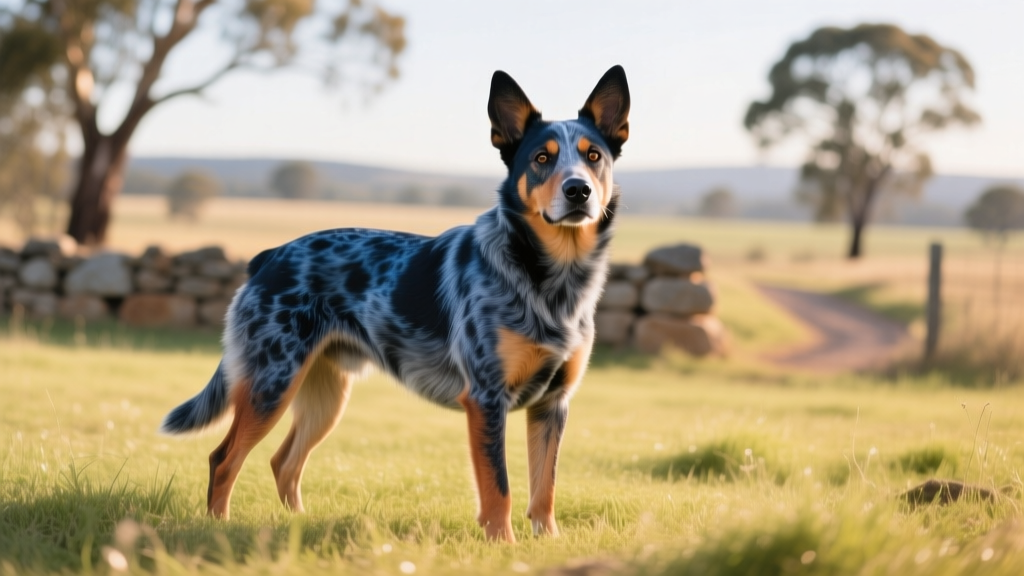
What Two Breeds Make Up the Catahoula Queensland Heeler Mix?
The Catahoula Queensland Heeler mix is a cross between two of the most capable working dogs in the world: the Louisiana Catahoula Leopard Dog and the Australian Cattle Dog (commonly called the Queensland Heeler or Blue Heeler). Both breeds were developed to herd livestock across rough terrain in extreme climates, and their offspring inherits an extraordinary drive to work, move, and think.
This isn't a mix you'll find in AKC conformation rings — it's a functional crossbreed that ranchers, hunters, and active outdoor enthusiasts have produced intentionally (and sometimes accidentally) for decades. The result is a dog that combines the Catahoula's independent problem-solving and treeing instinct with the Heeler's relentless herding tenacity and compact athleticism.
- F1 (First Generation): One purebred Catahoula × one purebred Queensland Heeler. Most common. Highest trait variability.
- F1B (Backcross): An F1 mix bred back to one of the parent breeds. Rare for this specific cross.
- F2 (Second Generation): Two F1 Catahoula/Heeler mixes bred together. Uncommon; increases predictability slightly but can surface recessive traits.
- Multigen: Multiple generations of deliberate crossbreeding. Almost unheard of for this mix — most are F1 or accidental litters.
Unlike designer breeds like Labradoodles, the Catahoula Heeler cross has no established multigen breeding programs. Expect F1 variability.
Parent Breed Breakdown: Catahoula vs. Queensland Heeler
Understanding the parent breeds is the best way to anticipate what your mixed dog might look and act like. Here's how they compare side by side:
| Trait | Louisiana Catahoula Leopard Dog | Queensland Heeler (Australian Cattle Dog) |
|---|---|---|
| Origin | Louisiana, USA (1800s) | Australia (1840s) |
| Weight | 50–95 lb / 23–43 kg | 35–50 lb / 16–23 kg |
| Height | 20–26 in / 51–66 cm | 17–20 in / 43–51 cm |
| Coat | Short, smooth; merle, solid, patched | Short, dense double coat; blue or red speckle/mottle |
| Primary Job | Hog/cattle herding, treeing game, tracking | Cattle driving over long distances |
| Energy Level | Very high (90–120 min/day) | Very high (90–120 min/day) |
| Temperament | Independent, protective, intense, loyal | Alert, tenacious, one-person bond, wary of strangers |
| Lifespan | 10–14 years | 12–16 years |
| Registry | AKC (Foundation Stock Service), UKC, NAHRA | AKC (Herding Group), UKC, FCI |
Both breeds share a common thread: they were selected for stamina, intelligence, and the willingness to make independent decisions in the field. The AKC's Australian Cattle Dog standard describes a dog that is "alert, curious, and pleasant" but also notes their strong guarding instinct. The Catahoula, recognized through the United Kennel Club, carries a similar intensity with a more independent streak rooted in its hunting-dog heritage.
How Big Will a Catahoula Queensland Heeler Mix Get?
Size is one of the more predictable traits in this cross because both parent breeds fall within a medium-to-large range, but the Catahoula's upper weight limit can push the mix substantially heavier than a purebred Heeler.
| Measurement | Low End (Heeler-Dominant) | Mid Range (Balanced) | High End (Catahoula-Dominant) |
|---|---|---|---|
| Weight | 35–45 lb / 16–20 kg | 45–65 lb / 20–29 kg | 65–85 lb / 29–39 kg |
| Height (at shoulder) | 17–19 in / 43–48 cm | 19–22 in / 48–56 cm | 22–25 in / 56–64 cm |
| Build | Compact, stocky | Athletic, moderate frame | Tall, muscular, rangy |
Females tend to land on the smaller end of these ranges. If you're adopting a puppy and want to estimate adult size, look at the parents — particularly the dam, since maternal size has a slightly stronger influence on offspring growth in crossbreeds. By 6 months, most Catahoula Heeler mixes will be at roughly 60–70% of their adult weight, which gives a reasonable projection.
What Will the Temperament Be Like?
This is where the mix gets interesting — and where prospective owners need to be honest with themselves. Both parent breeds rank among the most intense, driven working dogs available, and their offspring does not dial that down.
Best-Case Temperament Scenario
A well-socialized Catahoula Heeler mix is a profoundly loyal, attentive companion who bonds deeply with their handler, excels at dog sports (agility, herding trials, barn hunt, nosework), and settles calmly in the home after adequate daily exercise. They're intelligent enough to learn complex commands quickly and are typically eager to work with you once trust is established.
Challenging Temperament Scenarios
Without sufficient physical and mental stimulation, this mix is prone to:
- Destructive behavior: Chewing drywall, dismantling fencing, digging escape tunnels. Both breeds are notorious escape artists when bored.
- Herding/nipping children: The Heeler's instinct to heel-nip moving targets combines with the Catahoula's livestock-driving aggression. Small children running and screaming can trigger a herding response that includes biting at ankles.
- Same-sex aggression: Particularly male-on-male. Both breeds carry this tendency, and the mix often amplifies it.
- Stranger wariness escalating to reactivity: Neither breed is naturally gregarious with unfamiliar people. Without early, ongoing socialization (through at least 18 months), wariness can harden into fear-based reactivity or territorial aggression.
- Resource guarding: Food, toys, and even favored people can become guarded resources. This is manageable with positive counter-conditioning protocols but requires proactive training.
Coat, Shedding, and Grooming: Is This Mix Low-Shedding?
No. This mix is not hypoallergenic and is not low-shedding. Both parent breeds have short, dense, weather-resistant coats that shed moderately year-round with heavier seasonal blows (typically spring and fall).
Coat Type Possibilities
| Coat Trait | Catahoula Influence | Heeler Influence | Likely Mix Outcome |
|---|---|---|---|
| Length | Short, smooth | Short, dense double coat | Short (1–2 in), may have slight undercoat density |
| Color/Pattern | Blue merle, red merle, solid, patched, brindle | Blue speckle/mottle, red speckle/mottle | Merle, speckle, patched — often striking and unique |
| Shedding | Moderate | Moderate-heavy (seasonal blow) | Moderate year-round, heavy during coat blows |
| Eye Color | "Glass eyes" (blue/white), heterochromia common | Brown, occasionally blue | Any combination — glass eyes and heterochromia possible |
Grooming Routine
The coat is low-maintenance compared to long-haired breeds but still requires consistent care:
- Brushing: 2–3 times per week with a rubber curry brush or medium-bristle brush. During seasonal blows, daily brushing with an undercoat rake reduces loose hair significantly.
- Bathing: Every 6–8 weeks or as needed. Use a mild, dog-specific shampoo — both breeds can have sensitive skin, and over-bathing strips natural oils.
- Nails: Trim every 2–3 weeks. Active dogs on hard surfaces may wear nails naturally, but dewclaws (if present) always need manual trimming.
- Ears: Catahoulas often have drop or semi-prick ears that trap moisture. Check and clean weekly with a veterinary ear cleanser, especially after swimming.
- Teeth: Brush 3–4 times per week minimum. Both breeds are prone to periodontal disease by middle age.
Health Considerations: Hybrid Vigor vs. Reality
Let's address a persistent myth: hybrid vigor does not eliminate health problems. The concept of heterosis (hybrid vigor) is real — crossbred dogs do show a modest reduction in some recessive genetic disorders compared to heavily inbred purebreds. A Merck Veterinary Manual overview of breed-related disorders confirms that mixed-breed dogs have lower incidence of certain inherited conditions. However, hybrid vigor only applies to conditions where both parent breeds carry different recessive alleles. If both parent breeds are susceptible to the same condition, the cross can inherit it just as readily.
Shared Health Risks (Both Parent Breeds)
| Condition | Description | Prevalence in Parent Breeds | Screening Test |
|---|---|---|---|
| Hip Dysplasia | Malformation of the hip joint leading to arthritis | Catahoula: ~10–15%; Heeler: ~5–10% (OFA data) | OFA/PennHIP radiographs |
| Deafness (Congenital) | Unilateral or bilateral, linked to merle/white pigmentation genes | Catahoula: up to 10% unilateral; Heeler: rare but present in white-headed lines | BAER test (brainstem auditory evoked response) |
| Progressive Retinal Atrophy (PRA) | Degenerative eye disease causing eventual blindness | Both breeds: documented, particularly in Heeler lines | CERF/OFA ophthalmologist exam, DNA test (prcd-PRA) |
| Elbow Dysplasia | Abnormal elbow joint development | Catahoula: low-moderate; Heeler: low | OFA elbow radiographs |
Catahoula-Specific Concerns
- Merle-to-merle breeding risk: If both parents carry the merle gene, double-merle puppies can be born with severe vision and hearing deficits. Responsible breeders never mate two merle dogs. Ask for parent color/genotype documentation.
- Catahoula leopard dog associated neuromuscular disorder: A rare but documented condition causing progressive muscle weakness. DNA testing is available through university veterinary labs.
Heeler-Specific Concerns
- Primary lens luxation (PLL): A painful eye condition where the lens dislocates. DNA test available; ask breeders for PLL-clear results.
- Osteochondritis dissecans (OCD): Cartilage defect in joints, more common in rapidly growing puppies fed high-calorie diets.
Always consult your veterinarian about a screening schedule tailored to your individual dog. For puppies from known parents, request hip, eye, and BAER test results before purchase.
Exercise, Training, and Mental Stimulation
This is the section that determines whether this dog is right for you. The Catahoula Queensland Heeler mix requires a minimum of 90–120 minutes of vigorous physical activity daily, plus structured mental work. A walk around the block is not sufficient — not even close.
Physical Exercise That Works
- Running partner: 3–5 mile runs at a steady pace, 4–5 times per week. Both breeds have exceptional endurance.
- Hiking: Off-leash in secure areas (where legal), or on a long-line (15–30 ft). These dogs need to explore and make decisions, not just follow a path.
- Herding: If you have livestock or access to herding clinics, this is the gold standard. Both breeds come alive when given stock to work.
- Agility/Flyball/Disc: High-speed dog sports channel their athleticism and handler-focus constructively.
- Swimming: Many Catahoulas love water; Heelers are more variable. Introduce gradually and never force.
Mental Stimulation (Equally Critical)
- Scent work/nosework: Hide treats or target scents in increasingly complex environments. 15–20 minutes of nosework can tire a dog as effectively as an hour of physical exercise.
- Puzzle feeders: Kong Wobbler, Outward Hound Nina Ottosson puzzles, or snuffle mats for all meals. These dogs should never eat from a bowl without working for it.
- Obedience training: Short (5–10 minute) sessions, 2–3 times daily. Use positive reinforcement methods — food rewards, toy rewards, and life rewards (access to the yard, a sniff walk). Avoid force-based methods; both breeds are sensitive to unfair correction and will shut down or become defensive.
- Trick training: Teach complex chains (fetch specific items by name, close doors, turn off lights). These dogs thrive on cognitive challenges.
- Snapping or biting when approached near food/toys
- Intense fixation on children or other pets that escalates to stalking
- Inability to settle after exercise (pacing, panting, whining for hours)
- Fear-based aggression toward strangers (lunging, snarling, not just barking)
How Much Does a Catahoula Queensland Heeler Mix Cost?
Pricing varies widely depending on whether you're buying from a breeder, adopting from a rescue, or acquiring from a working ranch litter.
| Source | Price Range | What's Typically Included |
|---|---|---|
| Responsible Breeder (health-tested parents) | $500–$1,200 | First vaccinations, deworming, health guarantee, parent OFA/CERF records, take-back clause |
| Working Ranch/ Farm Litter | $200–$600 | Variable — may include first shots; parents may not be health-tested but have proven working ability |
| Breed-Specific Rescue | $150–$400 | Spay/neuter, vaccinations, microchip, behavioral assessment |
| General Shelter | $50–$250 | Spay/neuter, vaccinations, microchip; limited history |
First-year total cost estimate: Beyond the purchase price, budget $1,800–$3,200 for the first year, including high-quality food ($50–$80/month for a 50–70 lb dog), veterinary care (initial exams, vaccinations, spay/neuter if not included, preventives), gear (crate, harness, long-line, puzzle toys), and training classes. Pet insurance for this mix typically runs $40–$70/month depending on coverage level and deductible.
Who Is This Mix Best Suited For?
The Catahoula Queensland Heeler mix is not a beginner dog, an apartment dog, or a casual pet. Here's who thrives with this cross:
Ideal Owner Profile
- Experience level: Intermediate to advanced. You've owned at least one strong-willed working breed before and understand canine body language, socialization windows, and positive reinforcement training principles.
- Lifestyle: Highly active. You run, hike, bike, or work outdoors regularly and want a dog that keeps up. A sedentary lifestyle is incompatible with this mix.
- Property: Fenced yard minimum (6-foot fence recommended — both breeds can scale shorter fencing). Rural or suburban properties with acreage are ideal.
- Family composition: Best with adults or families with older children (10+) who understand how to interact with dogs respectfully. Not recommended for homes with toddlers due to herding/nipping risk.
- Other pets: Possible with early socialization, but same-sex dog aggression is common. Cats and small animals are at risk due to high prey drive unless raised together from puppyhood with careful management.
- Time commitment: Home often or able to bring the dog along. These dogs do not do well with 8+ hours of daily isolation — they need a job or a partnership.
Who Should Skip This Mix
- First-time dog owners still learning training fundamentals
- Apartment dwellers without access to large off-leash areas
- Families with infants or toddlers who cannot manage a high-drive herding dog
- Anyone seeking a low-energy couch companion
- Owners who prefer aversive training methods — this mix will deteriorate behaviorally under punitive handling
Frequently Asked Questions
What two breeds make up the Catahoula Queensland Heeler mix?
The Louisiana Catahoula Leopard Dog and the Australian Cattle Dog (Queensland Heeler/Blue Heeler). Both are herding and working breeds developed for livestock management in harsh conditions.
How big will this mixed breed get?
Adult weight typically ranges from 35–85 lb (16–39 kg) and height from 17–25 inches (43–64 cm) at the shoulder, depending on which parent the individual favors. Most fall in the 45–65 lb range.
What will the temperament be like?
Expect high intelligence, strong handler loyalty, wariness of strangers, high energy, and a strong work drive. Socialization and training from puppyhood are essential. Temperament varies between individuals — some lean toward the Catahoula's independence, others toward the Heeler's handler-focus.
Is this mix hypoallergenic or low-shedding?
No. Both parent breeds shed moderately year-round with seasonal heavy shedding. This mix is not suitable for allergy-sensitive households.
What health issues might this mix inherit?
Hip dysplasia, congenital deafness (especially in merle or white-pigmented dogs), progressive retinal atrophy, and elbow dysplasia are the primary concerns. Reputable breeders screen parents with OFA hip/elbow radiographs, CERF eye exams, and BAER hearing tests.
How much does a Catahoula Queensland Heeler mix cost?
From a responsible breeder, expect $500–$1,200. Rescue adoption fees range from $50–$400. First-year total ownership costs typically run $1,800–$3,200 beyond the purchase price.
Can this mix live with cats?
It's risky. Both parent breeds have high prey drive, and the Catahoula's hunting heritage makes small animals particularly tempting. Puppies raised with cats from 8 weeks can learn coexistence, but adult introductions are unpredictable and require careful management.
Are Catahoula Heeler mixes good for first-time owners?
Generally no. The combination of high energy, strong will, potential dog aggression, and herding instincts makes this a challenging mix for someone without prior experience managing working breeds. If you're a determined first-time owner, commit to professional training classes starting at 8 weeks and ongoing through adolescence.
Aaron Whyte
All our authors care for dogs every day — read more of their work on the authors page.


