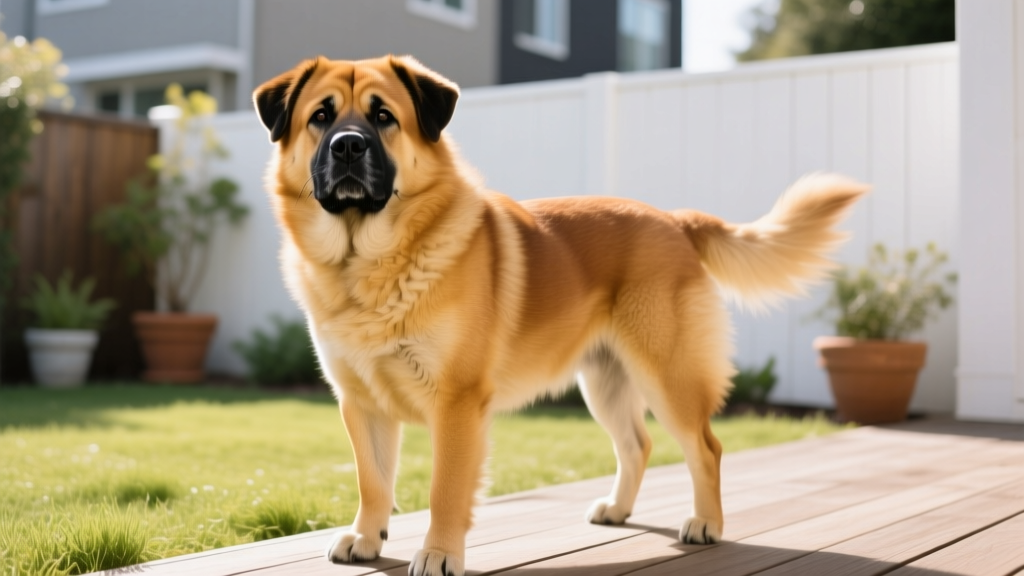
Small Golden Retriever: The Complete Breed Guide for Compact Goldens
Everything about the small golden retriever: size, temperament, health risks, exercise needs, grooming, and 2026 cost breakdown for compact Goldens.

What Is a Small Golden Retriever?
If you've searched for a "small golden retriever," you're not alone — it's one of the most common queries from apartment dwellers and families who love the Golden Retriever temperament but need a more compact dog. Here's the essential truth: there is no officially recognized separate breed called the "small golden retriever." Instead, this term covers three distinct categories of smaller-than-standard Goldens that prospective owners should understand before committing.
The three paths to a small golden retriever are:
- Naturally small Standard Golden Retrievers — dogs that fall at the lower end (or below) the AKC breed standard due to genetics, without being a different breed
- Golden Retriever mixes — intentional crosses with smaller breeds (Cocker Spaniel, Miniature Poodle, Cavalier King Charles Spaniel) that produce a Golden-like dog in a smaller package
- Dwarfism-affected Goldens — rare cases where achondroplasia or pituitary dwarfism produces a genuinely small purebred Golden, though this comes with serious health implications
The Golden Retriever originated in the Scottish Highlands during the 1860s, developed by Sir Dudley Marjoribanks (Lord Tweedmouth) by crossing a Yellow Retriever with the now-extinct Tweed Water Spaniel, later adding Bloodhound and Irish Setter lines. The breed was built for retrieving waterfowl across rugged terrain and cold lochs. The AKC recognized the breed in 1925. Standard Goldens are classified as a large breed, but dogs marketed as "small golden retrievers" typically fall into the small-to-medium size class depending on their lineage.
Lifespan range: Standard Goldens live 10–12 years on average. Smaller mixed variants (like the Golden Cocker mix) may reach 12–15 years due to hybrid vigor, while dwarfism-affected purebreds often face shortened lifespans of 8–10 years due to skeletal and endocrine complications.
| Attribute | Naturally Small Standard | Golden Mix (e.g., Golden Cocker) | Dwarfism-Affected |
|---|---|---|---|
| Weight | 40–55 lb / 18–25 kg | 20–40 lb / 9–18 kg | 15–30 lb / 7–14 kg |
| Height | 19–21 in / 48–53 cm | 14–19 in / 36–48 cm | 12–17 in / 30–43 cm |
| Lifespan | 10–12 years | 12–15 years | 8–10 years |
| Coat | Dense, water-repellent double coat | Variable — wavy to curly, moderate density | Dense double coat, often disproportionate |
| Energy Level | High (75–90 min/day) | Moderate-High (45–75 min/day) | Low-Moderate (30–45 min/day) |
| Grooming | 3–4x/week brushing | 2–3x/week brushing | 3–4x/week brushing |
| Family Fit | Excellent — needs space | Excellent — apartment-adaptable | Fair — health monitoring required |
Temperament & Personality: What to Expect
The small golden retriever's personality depends heavily on which path produced its smaller size. However, Golden genetics tend to dominate temperament even in mixes, so you can generally expect a cluster of core traits:
1. Eager-to-please sociability. Goldens were bred to work cooperatively with hunters, and that translates into a dog that watches your face for cues. A small golden retriever mix will typically follow you room to room, bring you toys unprompted, and greet visitors with enthusiasm rather than suspicion. In my experience working with Golden-owner households, even the smaller variants retain this "everyone is a friend" default.
2. Mouth-oriented behavior. Retrievers carry things — shoes, socks, stuffed animals, your hand (gently). This isn't aggression; it's a hardwired retrieving instinct. Small golden retrievers often express this by "mouth greeting" guests, wrapping their jaws softly around a visitor's wrist. Redirect this to a designated carry-toy early to prevent it from becoming an unwanted habit.
3. Sensitivity to household tension. Goldens are emotionally attuned dogs. Raised voices, arguments, or even a stressed tone on a phone call can cause a small golden retriever to retreat, lip-lick, or develop stress-related behaviors like excessive shedding or digestive upset. This sensitivity makes them poor candidates for chaotic or unpredictable environments.
4. Playful adolescence that lingers. Golden Retrievers mature slowly — mentally, many remain puppy-like until 3–4 years old. A small golden retriever will likely still initiate play sessions, steal socks, and perform the classic "Golden zoomie" (butt tucked, circling the yard at full speed) well into adulthood.
5. Low guarding instinct. If you want a watchdog, look elsewhere. A small golden retriever is more likely to show a burglar where the valuables are kept than to bark at them. They may give an alert bark at the doorbell, but sustained protective behavior is virtually absent from the breed's makeup.
Physical Characteristics & Size Breakdown
The AKC standard for Golden Retrievers specifies males at 23–24 inches (58–61 cm) and 65–75 lb (29–34 kg), females at 21.5–22.5 inches (55–57 cm) and 55–65 lb (25–29 kg). A "small golden retriever" falls below these benchmarks, and understanding how far below matters for health planning.
Naturally small Standards are typically females at the lower end of the range or males from smaller European (English) bloodlines, which tend to be stockier but sometimes shorter. These dogs are proportionally built — just compact. They weigh 40–55 lb (18–25 kg) and stand 19–21 inches (48–53 cm) at the shoulder.
Golden Retriever mixes vary widely. Popular small golden retriever designer crosses include:
- Golden Cocker (Golden Retriever × Cocker Spaniel): 25–40 lb / 11–18 kg, 15–19 in / 38–48 cm
- Mini Golden (Golden Retriever × Miniature Poodle): 20–35 lb / 9–16 kg, 14–18 in / 36–46 cm
- Golden Cavalier (Golden Retriever × Cavalier King Charles Spaniel): 20–35 lb / 9–16 kg, 14–17 in / 36–43 cm
Coat type: Purebred small Goldens carry the same dense, water-repellent double coat as their standard counterparts — a soft undercoat beneath a longer, slightly wavy outer coat in shades ranging from light cream to dark mahogany gold. Mixed variants may inherit curlier Poodle-type coats or shorter Spaniel-type coats, which changes grooming requirements significantly.
Exercise & Activity Requirements
Exercise needs scale with the dog's size and genetic composition, but Golden Retriever DNA carries a strong working drive regardless of body size. Here's what each small golden retriever type needs:
| Type | Minutes/Day | Activity Breakdown | Intensity |
|---|---|---|---|
| Naturally Small Standard | 75–90 min | 30 min brisk walk AM + 30 min off-leash play/fetch + 15–30 min training games | Moderate-High |
| Golden × Poodle Mix | 45–75 min | 25 min walk AM + 20–30 min fetch/swim + 15 min puzzle work | Moderate |
| Golden × Cocker Mix | 45–60 min | 20 min walk AM + 20 min sniffari/sniff walk + 15 min retrieve games | Moderate |
| Golden × Cavalier Mix | 30–45 min | 20 min leisurely walk + 15–25 min gentle play | Low-Moderate |
| Dwarfism-Affected | 30–45 min | Two 15–20 min short walks + 10 min gentle indoor play (avoid jumping) | Low |
Critical note for dwarfism-affected dogs: Shortened limbs mean abnormal joint loading. Avoid stairs, jumping on/off furniture, and high-impact activities like agility or frisbee. Consult your veterinarian about appropriate exercise limits, as overexertion accelerates joint degeneration in dogs with skeletal dysplasia.
Mental exercise matters as much as physical. Goldens are intelligent working dogs who need jobs. For a small golden retriever in an apartment, 15 minutes of scent work (hiding treats in a snuffle mat or around the room) can tire them as effectively as a 30-minute walk. Puzzle feeders like the Outward Hound Dog Brick or Kong Wobbler are excellent for daily mental enrichment.
Common Health Issues in Small Golden Retrievers
Golden Retrievers carry several well-documented genetic health risks, and smaller variants inherit many of these — plus additional concerns depending on their mix lineage. Always consult your veterinarian about breed-appropriate screening and preventive care.
| Condition | Prevalence | Affected Types | Screening/Cost |
|---|---|---|---|
| Hip Dysplasia | ~20% of Goldens (OFA data) | All types, especially Standards | OFA/PennHIP X-ray: $200–$400 |
| Cancer (hemangiosarcoma, lymphoma, osteosarcoma) | ~60% of Goldens die from cancer (per Purdue University studies) | Purebred Goldens, naturally small Standards | Annual senior bloodwork: $150–$300 |
| Heart Disease (subvalvular aortic stenosis) | ~6–8% of Goldens | Purebred Goldens | Cardiac echo: $300–$500 |
| Ear Infections (otitis externa) | Very common — 30–40% annually in drop-eared dogs | All types, especially Cocker mixes | Vet visit + meds: $75–$200 per episode |
| Patellar Luxation | ~5–10% in small/medium mixes | Golden × Cavalier, Golden × Mini Poodle | Orthopedic exam at annual visit |
| Mitral Valve Disease | ~30% of Cavaliers by age 5, higher by age 10 | Golden × Cavalier mixes | Annual cardiac auscultation, echo if murmur detected: $300–$600 |
| Intervertebral Disc Disease (IVDD) | Elevated in dwarfism-affected dogs | Dwarfism-affected Goldens | MRI if symptomatic: $1,500–$3,500 |
The cancer problem in Goldens deserves special attention. Research from the Golden Retriever Lifetime Study (Morris Animal Foundation/Purdue) has confirmed that approximately 60% of Golden Retrievers in the U.S. will die from cancer — one of the highest rates in any breed. This applies to naturally small Standards just as much as large ones. Key preventive steps include:
- Spaying/neutering after physical maturity (18–24 months) rather than early, as some studies suggest early alteration increases certain cancer risks in Goldens
- Annual wellness exams with complete bloodwork starting at age 6
- Monitoring for new lumps monthly — any mass larger than a pea that persists for 2+ weeks warrants fine-needle aspiration ($75–$150)
- Maintaining lean body condition (BCS 4–5 on a 9-point scale) — obesity is a confirmed cancer risk factor
Grooming Requirements
A small golden retriever with a purebred-style double coat requires consistent grooming to prevent matting and manage the breed's legendary shedding. Here's a realistic schedule:
| Task | Frequency | Tools Needed | Estimated Cost |
|---|---|---|---|
| Line-brushing (full coat) | 3–4x per week | Slicker brush (e.g., Chris Christensen Big G), undercoat rake | $25–$60 (tools) |
| De-shedding session | Weekly (daily during spring/fall blow-out) | Furminator or de-shedding blade | $20–$45 |
| Bathing | Every 4–6 weeks (or as needed) | Oatmeal-based canine shampoo, high-velocity dryer | $12–$25 (shampoo); $80–$150 (dryer) |
| Ear cleaning | Weekly (2x/week if prone to infections) | Veterinary ear cleanser (e.g., Epi-Otic Advanced), cotton balls | $10–$18 per bottle |
| Nail trimming | Every 2–3 weeks | Guillotine or scissor clippers, styptic powder | $8–$15 (tools) |
| Professional grooming | Every 8–12 weeks (optional) | N/A | $60–$100 per session |
The "Golden blow-out" is real. Twice a year (spring and fall), your small golden retriever will shed its entire undercoat over a 2–4 week period. During this time, expect fur on every surface in your home. A high-velocity dryer (like the MetroVac Air Force Commander) used outdoors can remove loose undercoat in 15–20 minutes and dramatically reduce indoor shedding. This single tool purchase pays for itself within months if you'd otherwise pay a groomer for de-shedding treatments.
For Golden × Poodle mixes: The coat may be wavy-to-curly and lower-shedding but requires more frequent brushing (daily to every other day) to prevent painful matting near the skin. Professional grooming every 6–8 weeks is typically necessary, budget $480–$800/year.
Training & Intelligence
Golden Retrievers consistently rank among the top 5 most trainable breeds in canine intelligence assessments (notably Stanley Coren's research at the University of British Columbia). A small golden retriever inherits this cognitive ability and typically learns new commands in 5–15 repetitions.
Trainability rating: 9/10 for naturally small Standards and Golden × Poodle mixes; 7–8/10 for Golden × Cocker and Golden × Cavalier crosses (which may inherit slightly more independent or distractible tendencies from the non-Golden parent).
Recommended training methods: Only positive reinforcement and force-free (LIMA — Least Intrusive, Minimally Aversive) methods suit this sensitive breed. Goldens shut down under harsh corrections — you'll see avoidance behaviors like sitting down and refusing to move, excessive lip-licking, or "shutting off" entirely. Specific approaches that work well:
- Clicker training for precision behaviors (heel position, retrieve holds, place/mat targeting)
- Food lure → hand signal → verbal cue progression for basic obedience (sit, down, stay, come)
- Premack Principle — using environmental rewards (sniffing, greeting people) as reinforcement for polite leash walking and recall
- Counter-conditioning and desensitization for any fear responses (thunder, nail trims, vet visits)
Common training challenges: The biggest issue with small golden retrievers is not stubbornness — it's over-excitement. Jumping on guests, mouthing, and pulling on leash are enthusiasm problems, not defiance problems. Teach an incompatible behavior: a solid "sit to greet" replaces jumping; a "carry your toy" behavior replaces mouthing visitors. Expect 4–8 weeks of consistent daily practice before these become reliable.
Family Suitability & Living Environment
✅ Pros
- Excellent with children ages 5+ (gentle mouth, patient temperament)
- Generally good with other dogs and cats when socialized early
- Smaller variants adapt well to apartments if exercised adequately
- Highly trainable — great for first-time owners willing to commit to daily training
- Therapy and emotional support dog potential
- Minimal aggression or guarding behavior
❌ Cons
- Heavy shedding — not ideal for allergy sufferers (even "low-shed" mixes shed somewhat)
- High cancer rate in purebred Goldens is emotionally and financially devastating
- Separation anxiety risk — these dogs struggle when left alone 8+ hours daily
- Mouthy behavior through age 2–3 requires management around toddlers
- Golden × Cavalier mixes may inherit serious heart disease
- Not suitable as a protection or guard dog
With children: Small golden retrievers are generally outstanding family dogs, but the mouthy, exuberant puppy phase (4–18 months) can overwhelm toddlers. The dog isn't aggressive — it's enthusiastic. Supervised interactions and teaching children to respect the dog's crate as a safe space are essential. Best suited for families with children ages 5 and up who can participate in training.
With other pets: Golden genetics carry low prey drive, and most small golden retrievers coexist peacefully with cats, especially when introduced as puppies. Same-sex dog aggression is uncommon in this breed. However, Golden × Cocker mixes may inherit slightly higher prey drive from the Spaniel side — monitor introductions with small mammals (hamsters, rabbits).
Apartment living: The smaller mixed variants (Golden × Cavalier, Golden × Mini Poodle) can thrive in apartments provided they receive their daily exercise quota. Naturally small Standards still carry high exercise needs and do better with yard access. All types are vocal enough to potentially trigger noise complaints — Goldens tend to "woo-woo" vocalize when excited or bored.
Cost of Ownership in 2026
Budgeting realistically for a small golden retriever prevents surrender to shelters later. Here's what to expect:
| Expense | Low Range | Mid Range | High Range |
|---|---|---|---|
| Puppy purchase (responsible breeder) | $1,500 | $2,500 | $4,000+ |
| Adoption/rescue | $200 | $400 | $600 |
| First-year veterinary (vaccines, spay/neuter, screening) | $800 | $1,500 | $2,500 |
| Annual routine vet care (years 2–7) | $500 | $900 | $1,400 |
| Senior care (years 8+, including cancer screening) | $800 | $1,800 | $3,500+ |
| Food (quality kibble or balanced diet) | $480/year | $720/year | $1,200/year |
| Grooming (products + professional sessions) | $200/year | $500/year | $960/year |
| Pet insurance (monthly premium) | $360/year | $600/year | $960/year |
| Training (group classes or private) | $150 | $400 | $1,200 |
| Estimated first-year total | $4,090 | $7,520 | $15,720 |
Emergency fund recommendation: Set aside $2,000–$5,000 for unexpected illness. Golden Retrievers' cancer predisposition means many owners face a $5,000–$15,000 oncology treatment decision at some point. Pet insurance (companies like Trupanion, Healthy Paws, or ASPCA Pet Health Insurance) can offset this, but enroll before any diagnoses — pre-existing conditions are universally excluded.
Frequently Asked Questions
Is a small golden retriever right for first-time owners?
Yes, with caveats. The Golden Retriever temperament is forgiving of beginner mistakes, and the breed's eagerness to please makes training more straightforward than with independent breeds like Shiba Inus or Afghan Hounds. However, first-time owners must commit to daily exercise, consistent positive-reinforcement training for the first 2 years, and grooming 3–4 times per week. If you work 10+ hour days away from home, this breed will develop separation anxiety and destructive behaviors regardless of size.
How much exercise does a small golden retriever need daily?
Between 30 and 90 minutes per day, depending on the type. Naturally small Standards need 75–90 minutes of mixed physical and mental activity. Golden mixes with smaller breed parents typically need 45–60 minutes. Dwarfism-affected dogs need 30–45 minutes of low-impact activity only. All types benefit from splitting exercise into 2–3 sessions rather than one marathon outing.
What health problems is a small golden retriever prone to?
The most significant concern is cancer — approximately 60% of Golden Retrievers develop cancer, with hemangiosarcoma, lymphoma, and osteosarcoma being most common. Other risks include hip dysplasia (~20% prevalence), heart disease (subvalvular aortic stenosis), ear infections (especially in drop-eared mixes), and eye conditions like progressive retinal atrophy. Mixed variants may also inherit breed-specific conditions from the non-Golden parent (e.g., mitral valve disease from Cavalier lineage).
How big does a small golden retriever get as an adult?
Naturally small Standards reach 40–55 lb (18–25 kg) and 19–21 inches (48–53 cm). Golden mixes with smaller breeds typically reach 20–40 lb (9–18 kg) and 14–19 inches (36–48 cm). Dwarfism-affected dogs may be as small as 15–30 lb (7–14 kg) and 12–17 inches (30–43 cm). Always ask a breeder for the parents' exact measurements — estimated adult size based on parental weight is the most reliable predictor.
Is a small golden retriever good with children and other pets?
Generally excellent. Goldens have one of the lowest bite-rate statistics among popular breeds, and their soft-mouth retrieving instinct means even playful mouthing is gentle. They typically accept cats and other dogs readily. The main concern is exuberant puppies accidentally knocking over toddlers during play — supervise interactions until the dog reaches emotional maturity around age 2–3.
How much does a small golden retriever cost to buy and maintain?
Expect to pay $1,500–$4,000 for a puppy from a responsible breeder who health-tests parents (OFA hips, cardiac, and eye clearances). Adoption from a Golden Retriever rescue costs $200–$600. Annual maintenance (food, vet care, grooming, insurance) runs $2,000–$4,500 for a healthy adult dog, rising to $3,000–$7,000+ in senior years when cancer screening and treatment become factors. Over a 12-year lifespan, total cost of ownership typically ranges from $25,000 to $55,000.
Sources consulted: AKC Golden Retriever Breed Standard, Golden Retriever Lifetime Study (Purdue/Morris Animal Foundation), and the Merck Veterinary Manual.
Anouk Beaumont
All our authors care for dogs every day — read more of their work on the authors page.