Chow Lab Retriever Mix
Everything you need to know about the Chow Lab Retriever mix — temperament, size, health risks, coat types, cost.
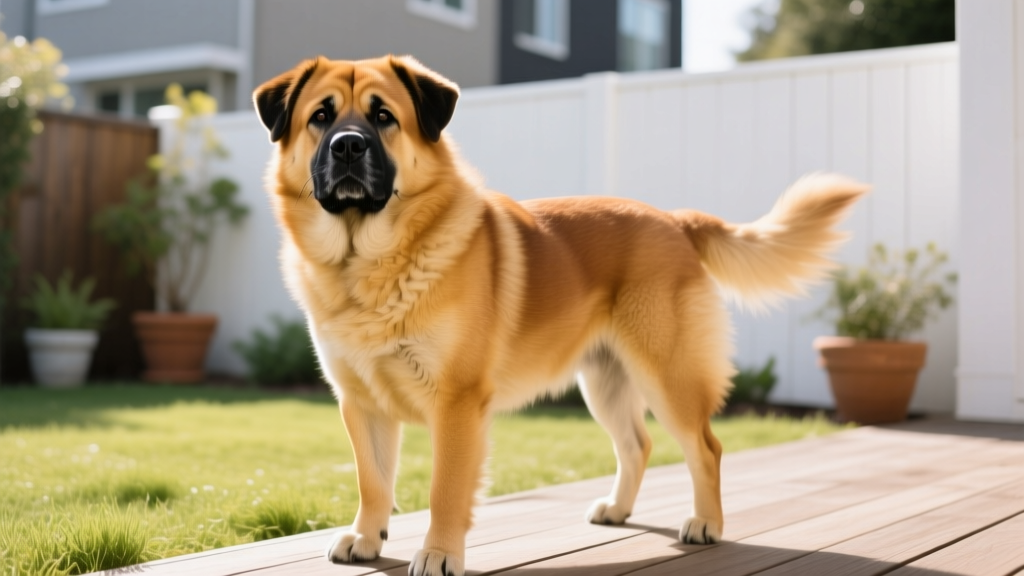
The Chow Lab Retriever mix — sometimes called a Chabrador or Chowbrador — pairs the dignified independence of the Chow Chow with the outgoing enthusiasm of the Labrador Retriever. It's a cross that produces dogs of striking contrast: some puppies inherit the Lab's biddable friendliness, while others lean hard into the Chow's aloof, cat-like reserve. If you're researching this mix, understanding the wide variability between individual dogs is essential before bringing one home.
This guide covers everything from parent breed genetics and generation types to real-world cost ranges and the specific health screenings you should demand from any breeder. We'll also be direct about the challenges this mix can present, because informed owners make better decisions.
What Two Breeds Make Up the Chow Lab Retriever Mix?
As the name states, this designer cross combines two purebred parents recognized by the American Kennel Club (AKC):
| Trait | Chow Chow | Labrador Retriever |
|---|---|---|
| AKC Group | Non-Sporting | Sporting |
| Weight Range | 45–70 lb (20–32 kg) | 55–80 lb (25–36 kg) |
| Height | 17–20 in (43–51 cm) | 21.5–24.5 in (55–62 cm) |
| Lifespan | 8–12 years | 11–13 years |
| Coat | Dense double coat (rough or smooth) | Short, dense double coat |
| Temperament | Aloof, independent, loyal to family | Friendly, eager, outgoing |
| Trainability | Moderate — requires patience | High — highly biddable |
| Exercise Needs | 30–45 min/day | 60–90 min/day |
The Chow Chow originated in northern China over 2,000 years ago, serving as a guard dog, hunter, and companion. Known for a blue-black tongue, a stilted gait, and a famously reserved demeanor with strangers, the Chow bonds deeply with its family but rarely seeks attention from outsiders. The Labrador Retriever, developed in Newfoundland and refined in England, has held the top spot in AKC registrations for decades thanks to its versatility as a family dog, service animal, and hunting companion.
When you cross these two, you're blending a working gundog bred for cooperation with an ancient guardian breed bred for independence. That genetic tug-of-war explains why individual Chow Lab mixes can behave so differently from one another.
Generation Types: F1, F1B, F2, and Multigen Explained
- F1 (First Generation): 50% Chow Chow × 50% Labrador Retriever. Most common and most genetically variable. Each puppy in a litter may look and act quite differently.
- F1B (First Generation Backcross): An F1 Chow Lab mix bred back to one of the parent breeds (usually the Lab). Results in roughly 75% of one parent breed, 25% of the other. Slightly more predictable traits.
- F2 (Second Generation): Two F1 Chow Lab mixes bred together. Produces the widest trait variation of any generation — puppies can lean heavily toward either grandparent breed.
- Multigen (F3+): Multiple generations of Chow Lab mixes bred together. Rare for this particular cross; most breeders do not maintain multigen lines for Chow-Lab mixes the way they do for Labradoodles or Goldendoodles.
Most Chow Lab Retriever mixes you'll encounter are F1 crosses. Unlike the heavily established Doodle lines where multigen breeding programs have stabilized traits over decades, the Chow-Lab cross remains relatively niche. This means you should expect meaningful variation even within a single litter — one puppy may be a 75-lb extrovert with a short Lab coat, while a littermate might be a 50-pound reserved dog with a dense Chow-style mane.
How Big Will a Chow Lab Retriever Mix Get?
Size is one of the more predictable aspects of this cross, since both parent breeds fall within a similar medium-to-large range. However, the Chow is noticeably shorter and more compact than the Lab, so height and build can swing either direction.
| Measurement | Low End | High End | Most Common |
|---|---|---|---|
| Weight | 45 lb (20 kg) | 80 lb (36 kg) | 55–70 lb (25–32 kg) |
| Height (at shoulder) | 17 in (43 cm) | 24 in (61 cm) | 19–22 in (48–56 cm) |
| Full-grown age | 12 months | 18 months | 14–16 months |
Males tend to cluster toward the upper end of these ranges, females toward the lower. If you're adopting an adult rescue, you'll already know the dog's full size. For puppies, ask the breeder for the exact weight and height of both parents — the mid-parent calculation (average of both parents' weights, adjusted ±15%) gives the most reliable estimate.
What Will the Temperament Be Like?
This is where the Chow Lab Retriever mix earns its reputation for unpredictability. The two parent breeds sit at nearly opposite ends of the sociability spectrum, and individual puppies can land anywhere along that continuum.
Best-Case Scenario
The dog inherits the Lab's social confidence and trainability while gaining the Chow's calm composure and lower exercise demands. You get a dog that greets visitors politely, settles well in the house, bonds deeply with family, and doesn't need two hours of running per day. This is the outcome most owners hope for, and it does happen — particularly in F1 puppies that lean slightly more toward the Lab side.
Challenging Scenario
The dog inherits the Chow's wariness of strangers combined with the Lab's high energy and physical power. You get a 70-pound dog that is difficult to socialize, reactive on-leash toward unfamiliar people and dogs, strong enough to pull an adult off their feet, and stubborn enough to resist standard training approaches. This combination demands an experienced owner who understands counter-conditioning and desensitization protocols.
Temperament Variability Factors
| Trait | Lab-Leaning | Chow-Leaning | Blended |
|---|---|---|---|
| Stranger friendliness | Greets everyone enthusiastically | Ignores or avoids strangers | Polite but reserved |
| Trainability | Eager, food-motivated, fast learner | Independent, bores easily with repetition | Willing but needs short, varied sessions |
| Dog-to-dog social | Generally friendly with all dogs | Same-sex aggression possible; selective | Fine with familiar dogs; cautious with new ones |
| Family bonding | Loves everyone equally | One-person dog tendency | Family-loyal with a favorite person |
| Energy level | 60–90 min vigorous exercise daily | 30–45 min moderate walks | 45–60 min mixed activity |
Early socialization is non-negotiable for this mix. The critical socialization window closes around 14–16 weeks of age, and a Chow-leaning puppy that hasn't been exposed to diverse people, surfaces, sounds, and other dogs during that period may develop lasting fear-based reactivity. Work with a certified positive-reinforcement trainer from 8 weeks onward — avoid any trainer who recommends prong collars, shock collars, or alpha rolls, as aversive methods will amplify the Chow's defensive instincts rather than build confidence.
Coat Types, Shedding, and Grooming Requirements
Both parent breeds have double coats, so your Chow Lab mix will almost certainly be a double-coated dog. What varies is the length, density, and texture.
Three Common Coat Outcomes
- Lab-type coat: Short, dense, straight hair lying close to the body. Moderate year-round shedding with two heavy seasonal blows (spring and fall). Easiest to maintain — weekly brushing with a rubber curry brush or bristle brush suffices.
- Chow-type coat: Long, dense, standoff fur with a pronounced ruff around the neck and heavy feathering on the tail and hindquarters. Heavy shedding year-round with intense seasonal blows. Requires brushing 3–5 times per week with an undercoat rake and slicker brush to prevent matting.
- Intermediate coat: Medium-length fur, denser than a Lab's but shorter than a full Chow mane. Moderate-to-heavy shedding. Brushing 2–3 times weekly with a combination of undercoat rake and pin brush.
Is the Chow Lab Retriever mix hypoallergenic? No. Neither parent breed is low-shedding or hypoallergenic. Both produce the Can f 1 allergen protein in their saliva and dander. If allergies are a concern in your household, this mix is not a suitable choice — consider a Poodle-based cross instead.
If you opt for professional grooming (particularly for Chow-leaning coats), budget $50–$90 per session every 6–8 weeks, or roughly $350–$650 per year. Lab-coated mixes can typically be maintained at home for under $50/year in brushes and shampoo.
Never shave a double-coated dog. The undercoat provides insulation against both heat and cold, and shaving disrupts the coat's natural thermoregulation. Shaved double coats also frequently grow back patchy or altered in texture — a condition sometimes called post-clipping alopecia.
Health Considerations: Hybrid Vigor vs. Reality
Let's address a persistent myth directly: hybrid vigor does not eliminate inherited health conditions. The concept of heterosis (hybrid vigor) applies primarily to traits controlled by many genes — things like overall fertility, litter size, and general hardiness. It does not magically protect a crossbreed from the specific genetic diseases carried by both parent breeds. If both the Chow Chow and the Labrador Retriever carry risk alleles for hip dysplasia, their offspring absolutely can inherit it.
What crossbreeding can do is reduce the probability of inheriting recessive conditions that are concentrated within a single breed's gene pool — provided the two parent breeds don't share the same recessive mutations. For the Chow-Lab cross, the relevant health picture looks like this:
| Condition | Chow Chow Risk | Lab Retriever Risk | Mix Risk Level |
|---|---|---|---|
| Hip Dysplasia | Moderate (OFA ~22% affected) | Moderate (OFA ~12% affected) | Moderate — both parents carry risk |
| Elbow Dysplasia | Low–Moderate | Moderate (OFA ~12%) | Moderate |
| Entropion (eyelid rolling) | High — breed-predisposed | Low | Moderate — depends on facial structure inherited |
| Exercise-Induced Collapse (EIC) | Not associated | Carrier rate ~15% in some lines | Low — only if Lab parent is a carrier |
| Gastric Dilatation-Volvulus (Bloat) | Low (deep-chested but smaller) | Moderate–High | Moderate — large, deep-chested mixes are at risk |
| Skin Allergies / Hot Spots | Moderate | High | Moderate–High |
| Hypothyroidism | Moderate | Moderate | Moderate — both breeds predisposed |
Health screenings to request from breeders: OFA or PennHIP hip certification, OFA elbow certification, ophthalmologist evaluation (CERF), and EIC genetic testing on the Lab parent. A responsible breeder will provide documentation for all of these. According to the Orthopedic Foundation for Animals, hip dysplasia screening should be performed after 24 months of age for accurate results.
- Unproductive retching or a distended, firm abdomen (possible bloat/GDV — this is a surgical emergency)
- Sudden hind-limb weakness or collapse during exercise (possible EIC episode)
- Persistent squinting, eye redness, or pawing at the face (possible entropion causing corneal damage)
- Lameness lasting more than 48 hours, especially in dogs under 2 years old
For any suspected toxic ingestion, contact ASPCA Animal Poison Control: (888) 426-4435 (24/7, consultation fee applies).
Expected lifespan for a well-bred Chow Lab mix falls between 10 and 13 years, assuming appropriate preventive care, weight management, and regular veterinary checkups. Always consult your veterinarian for a personalized wellness plan tailored to your individual dog's needs.
How Much Does a Chow Lab Retriever Mix Cost?
Pricing varies significantly based on source, breeder reputation, geographic region, and whether health testing has been performed on the parent dogs.
| Source | Price Range | What's Typically Included |
|---|---|---|
| Responsible breeder (health-tested parents) | $800–$2,000 | Health clearances, first vaccinations, deworming, microchip, health guarantee, take-back clause |
| Casual/backyard breeder | $300–$700 | Often minimal — may lack health testing, guarantees, or follow-up support |
| Rescue / shelter adoption | $50–$400 | Spay/neuter, vaccinations, microchip, basic vet exam |
First-year total ownership costs (including food, supplies, veterinary care, training, and licensing) typically run $2,200–$4,500 for a puppy, or $1,500–$3,000 for an adult dog from rescue. Ongoing annual costs average $1,400–$2,800 depending on your region, the dog's health needs, and your insurance choices.
This cross is uncommon enough that you're unlikely to find a dedicated breed-specific rescue. Check general Labrador Retriever rescues, Chow Chow rescues, and all-breed shelters. Petfinder and Adopt-a-Pet allow you to search by mix type, and setting up saved-search alerts will notify you when a matching dog appears in your area.
Who Is the Chow Lab Retriever Mix Best Suited For?
This mix is not a universally easy dog. The right owner profile matters more here than with many straightforward purebreds.
Ideal Owner Profile
- Experience level: Intermediate to advanced. You've owned at least one dog before and understand basic canine body language and positive-reinforcement training methods.
- Home environment: House with a securely fenced yard is strongly preferred. The Chow's territorial instincts combined with the Lab's size make apartment living challenging unless the individual dog is confirmed calm and low-energy.
- Family composition: Best with families whose children are 8+ years old and understand how to interact respectfully with dogs. Chow-leaning individuals may not tolerate ear-pulling or sudden approaches from toddlers.
- Time commitment: At least 45–60 minutes of structured exercise daily, plus 15–20 minutes of training or enrichment work. Early socialization requires daily outings to varied environments during the puppy's first 4 months.
- Grooming tolerance: Willingness to brush 2–5 times per week and manage significant seasonal shedding. If you're particular about dog hair on furniture and clothing, this is not the mix for you.
Who Should Consider a Different Breed
- First-time dog owners with no training experience
- Families with infants or toddlers who cannot supervise all interactions
- Owners seeking a highly social, everyone-is-my-friend dog for therapy work or frequent public outings
- People with dog allergies
- Those unwilling to commit to structured socialization during the critical puppy period
Frequently Asked Questions
Are Chow Lab mixes aggressive?
Not inherently, but the Chow Chow's guardian instincts can produce wariness or reactivity toward strangers and unfamiliar dogs if the dog isn't properly socialized. A well-socialized Chow Lab mix is typically calm and composed rather than aggressive. Any dog of this size and strength should be supervised around unfamiliar children and animals until you understand their individual temperament.
Do Chow Lab Retriever mixes have blue-black tongues?
Some do. The Chow Chow's distinctive blue-black tongue pigmentation is a dominant trait, so many Chow Lab mixes inherit partial or full dark tongue coloring. However, a pink tongue doesn't mean the dog isn't a true Chow-Lab cross — it simply means that particular gene wasn't expressed.
How much exercise does a Chow Lab mix need daily?
Plan for 45–60 minutes of combined physical and mental exercise per day. This might include a 30-minute brisk walk, 15 minutes of fetch or flirt pole work, and 10–15 minutes of puzzle toys or training drills. Adjust based on your individual dog's energy level — Lab-leaning dogs will need more, Chow-leaning dogs may be satisfied with less.
Can Chow Lab mixes live with cats or other small pets?
It depends on the individual dog's prey drive and early socialization. Labs generally have moderate-to-high prey drive toward small animals, and Chows can be territorial. A puppy raised alongside cats from 8 weeks of age has a better chance of coexisting peacefully than an adult dog with unknown history. Always supervise initial introductions and never leave a new dog alone with small pets until trust is firmly established over weeks or months.
What's the best food for a Chow Lab Retriever mix?
Look for a kibble that carries an AAFCO statement of complete and balanced nutrition for your dog's life stage. Given the mix's joint risk profile, choose a formula with appropriate calcium-to-phosphorus ratios (especially for large-breed puppies) and consider adding a glucosamine/chondroitin supplement after consulting your veterinarian. Maintain a body condition score (BCS) of 4–5 out of 9 to reduce stress on hips and elbows — excess weight is the single biggest modifiable risk factor for dysplasia progression.
Is this mix recognized by any kennel clubs?
The Chow Lab Retriever mix is not recognized by the AKC, UKC, or FCI as a breed. It may be registrable with hybrid registries like the American Canine Hybrid Club (ACHC) or the Designer Dogs Kennel Club (DDKC), but these registrations carry no health or quality guarantees. Focus on the breeder's health testing practices rather than registry paperwork when evaluating a puppy.
Dr. Hannah Wickes
All our authors care for dogs every day — read more of their work on the authors page.


