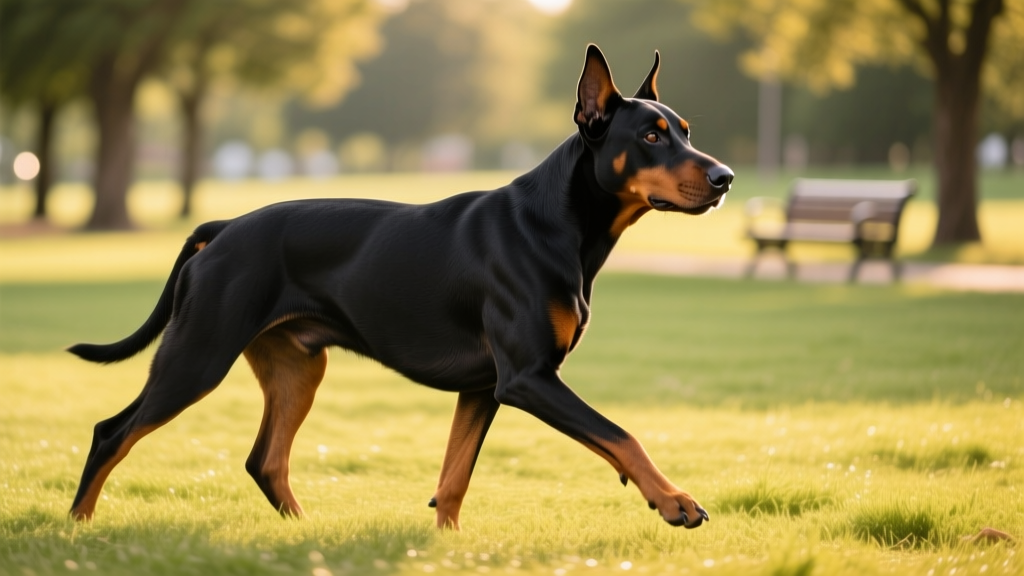
Siberian Husky Cattle Dog Mix: Complete Breed Guide for 2026
the Siberian Husky Cattle Dog mix: temperament, size, coat, health risks, cost, and whether this high-energy crossbreed fits your lifestyle.

If you've ever watched a blue-eyed Husky streak across a field or marveled at an Australian Cattle Dog's relentless work ethic, you might wonder what happens when you combine the two. The Siberian Husky Cattle Dog mix — sometimes called the "Husky Heeler" or "Blue Husky" — is a designer crossbreed that pairs two of the canine world's most driven, intelligent, and physically capable breeds. The result can be a stunning, athletic companion, but this is not a mix for the casual dog owner.
This guide breaks down exactly what prospective owners need to know about the Siberian Husky Cattle Dog mix in 2026, from unpredictable coat colors and shedding realities to the serious exercise commitments and health screenings this crossbreed demands.
Parent Breed Breakdown: Husky Meets Cattle Dog
Understanding any designer mix starts with its parent breeds. Both the Siberian Husky and the Australian Cattle Dog (also known as the Blue Heeler or Queensland Heeler) were developed for demanding physical work in extreme environments — and those instincts don't disappear in a crossbreed.
| Trait | Siberian Husky | Australian Cattle Dog |
|---|---|---|
| Origin | Northeast Asia (Chukchi people); sled pulling | Australia; cattle herding in harsh outback terrain |
| AKC Group | Working Group | Herding Group |
| Weight Range | 35–60 lb / 16–27 kg | 35–50 lb / 16–23 kg |
| Height | 20–23.5 in / 51–60 cm | 17–20 in / 43–51 cm |
| Lifespan | 12–14 years | 12–16 years |
| Coat | Dense double coat; heavy seasonal shedding | Short double coat; moderate year-round shedding |
| Energy Level | Very high (90–120+ min/day) | Very high (90–120+ min/day) |
| Key Instinct | Prey drive, pack running, escape artistry | Herding, nipping heels, territorial loyalty |
| Vocalization | Howling, "talking," rarely barks | Alert barking, generally quieter |
| Stranger Friendliness | Outgoing, poor watchdog | Reserved, excellent watchdog |
These two breeds share high energy and intelligence but diverge sharply on social behavior. Huskies tend to greet strangers like long-lost friends; Cattle Dogs tend to watch them with suspicion. A Siberian Husky Cattle Dog mix could land anywhere on that spectrum — which is part of what makes this crossbreed both fascinating and challenging.
Understanding Generations: F1, F1B, and Beyond
Generation Terminology for Designer Mixes
- F1 (First Generation): One purebred Siberian Husky × one purebred Australian Cattle Dog. Maximum genetic diversity but the least predictable in appearance and temperament. Most Siberian Husky Cattle Dog mixes you'll encounter are F1.
- F1B (First Generation Backcross): An F1 Husky Cattle Dog mix bred back to one of the parent breeds (usually the Husky for coat or the Cattle Dog for size). Slightly more predictable traits leaning toward the backcross parent.
- F2 (Second Generation): Two F1 Husky Cattle Dog mixes bred together. Trait predictability actually decreases due to gene recombination — puppies in the same litter can look and behave very differently.
- Multigen (F3+): Multiple generations of Husky Cattle Dog crosses bred together. Extremely rare for this particular mix; most breeders have not established multigen lines.
Unlike popular doodle mixes where multigen breeding programs are well-established, the Siberian Husky Cattle Dog mix remains primarily an F1 crossbreed. This means most puppies are first-generation, and individual variation within a single litter can be dramatic. One puppy might inherit the Husky's thick coat and blue eyes while a littermate gets the Cattle Dog's short coat and stockier build.
Size, Build, and Appearance: What to Expect
Because both parent breeds fall in the medium-size category, the Siberian Husky Cattle Dog mix tends to be a medium-sized dog — but the range is wider than many breeders advertise.
| Measurement | Low End | High End | Most Common Range |
|---|---|---|---|
| Weight | 30 lb / 14 kg | 65 lb / 29 kg | 40–55 lb / 18–25 kg |
| Height (at shoulder) | 17 in / 43 cm | 24 in / 61 cm | 19–22 in / 48–56 cm |
| Body Type | Lean, leggy (Husky-dominant) | Compact, muscular (Cattle Dog-dominant) | Athletic, moderately stocky |
Females tend to cluster on the lower end of these ranges, while males push toward the upper end. Nutrition and exercise during the first 18 months significantly influence final adult build. According to the American Kennel Club's Siberian Husky breed standard, males reach 45–60 lb and females 35–50 lb; the Australian Cattle Dog standard puts both sexes at 35–50 lb. Your mix will likely fall somewhere in the overlap.
Coat and Color Possibilities
This is where the Siberian Husky Cattle Dog mix gets genuinely unpredictable. Coat inheritance depends on which parent's genes dominate:
- Husky-dominant coat: Medium-length double coat with dense undercoat. Colors include black/white, gray/white, red/white, agouti, or solid white. May inherit the Husky's facial mask pattern.
- Cattle Dog-dominant coat: Short, straight double coat. Colors include blue (blue speckle or blue mottle), red speckle, or red mottle — the signature "Heeler" patterns.
- Blended coat: Medium length with some Cattle Dog coloring — a blue merle Husky-type coat, for instance, or a red-agouti with Heeler-style speckling.
Eye color is equally variable: blue (Husky gene), brown (both breeds), heterochromia (one blue, one brown — common in Huskies), or even the Cattle Dog's characteristic dark brown with alert expression. Some puppies' eye color continues to change until 12–16 weeks of age.
Temperament Range: Best-Case and Challenging Scenarios
Temperament is the most critical — and most unpredictable — factor in any designer mix. Here's what the spectrum looks like for the Siberian Husky Cattle Dog mix:
Temperament Trait Spectrum
| Trait | Husky-Leaning | Cattle Dog-Leaning | Blended (Most Common) |
|---|---|---|---|
| Social Behavior | Gregarious, loves everyone | One-person dog, aloof with strangers | Friendly with family, cautious with new people |
| Trainability | Independent, questions commands | Eager to work but strong-willed | Smart but requires motivation and patience |
| Prey Drive | Very high — will chase squirrels, cats | Moderate — will herd moving targets | High — needs secure containment always |
| Destructive Tendencies | Digs, chews, howls when bored | Nips heels, chews when under-stimulated | Chewing, digging, or vocalizing if under-exercised |
| Escape Risk | Expert fence-jumper and tunnel-digger | Less likely to escape but will if bored | Moderate to high — secure fencing is mandatory |
| Children | Playful but can be too rambunctious | May try to herd children by nipping heels | Good with older kids who respect boundaries |
| Other Dogs | Pack-oriented, generally social | Can be territorial or same-sex aggressive | Varies — early socialization is critical |
Best-Case Scenario
You get a dog that combines the Husky's social warmth with the Cattle Dog's trainability and loyalty. This dog thrives on structured activity — agility, canicross, advanced obedience, or herding trials — and bonds deeply with the whole family. They're alert without being reactive, playful without being overwhelming, and settle nicely in the house after adequate exercise.
Challenging Scenario
You get a dog with the Husky's independence and escape artistry combined with the Cattle Dog's heel-nipping instinct and wariness of strangers. This dog may be difficult to recall off-leash, may try to herd small children by nipping, may howl or bark excessively when left alone, and may show reactivity toward unfamiliar dogs. This scenario isn't a "bad dog" — it's an under-exercised, under-trained dog whose working-breed instincts haven't been channeled.
For both scenarios and everything in between, positive reinforcement training methods — including clicker training, reward-based shaping, and counter-conditioning for reactivity — are the gold standard. Aversive tools like shock collars or prong collars tend to backfire with intelligent, sensitive breeds like these, often increasing anxiety and reactivity rather than reducing it.
Health Considerations: Separating Myth from Reality
Let's address a common misconception head-on: hybrid vigor does not eliminate all health issues. While crossbreeding can reduce the risk of recessive genetic conditions that are concentrated within a single breed's gene pool, the Siberian Husky Cattle Dog mix can still inherit any condition that affects either parent breed. According to the Merck Veterinary Manual, crossbreeds have lower incidence of some breed-specific disorders but remain susceptible to conditions with polygenic or environmental causes.
Conditions Inherited from the Siberian Husky Side
- Hip dysplasia: Estimated 6–8% prevalence in Huskies (OFA data). Malformation of the hip joint leading to arthritis. Screening: OFA or PennHIP evaluation of parent dogs.
- Eye conditions: Hereditary cataracts (can appear as early as 6 months), progressive retinal atrophy (PRA), and corneal dystrophy. Screening: Annual CERF/OFA ophthalmologist exam of parent dogs.
- Zinc-responsive dermatosis: A skin condition where the Husky's body cannot properly absorb zinc, causing crusting around the eyes, mouth, and pressure points. Requires lifelong zinc supplementation.
Conditions Inherited from the Australian Cattle Dog Side
- Progressive retinal atrophy (PRA): Both breeds carry PRA risk, making this a double concern. DNA testing for the prcd-PRA mutation is available and should be performed on both parent dogs.
- Deafness: Congenital deafness is linked to the merle and extreme white coat genes present in Cattle Dogs. BAER (Brainstem Auditory Evoked Response) testing of parent dogs and puppies is recommended.
- Elbow dysplasia: Less common than hip dysplasia but present in the Cattle Dog gene pool.
Conditions Affecting Both Breeds
- Hip dysplasia (both breeds)
- PRA (both breeds — compounded risk)
- Obesity (if exercise needs aren't met — a significant risk given both breeds' appetites when sedentary)
Health Screening Checklist for Breeders
Before purchasing a Siberian Husky Cattle Dog mix puppy, request documentation of these tests on both parent dogs:
- OFA or PennHIP hip evaluation (results: Excellent, Good, or Fair only)
- OFA ophthalmologist examination (current within 12 months)
- PRA DNA test (clear or carrier status disclosed)
- BAER hearing test (especially if Cattle Dog parent has merle or white coat)
If a breeder cannot provide these results, walk away. Consult your veterinarian for guidance on evaluating puppy health at your first wellness visit.
Expected Lifespan
Most Siberian Husky Cattle Dog mixes live 12–15 years, with some reaching 16+ when maintained at a healthy body condition score (BCS of 4–5 on the 9-point scale), fed a balanced AAFCO-approved diet, and given regular veterinary preventive care including annual bloodwork starting at age 7.
Grooming and Shedding: What You're Signing Up For
Is the Siberian Husky Cattle Dog mix hypoallergenic or low-shedding? No. Neither parent breed is hypoallergenic, and this mix will shed — the only question is how much and when.
- Husky-dominant coat: Expect heavy seasonal "blowing" of the undercoat twice per year (spring and fall), lasting 3–4 weeks each time. During blow season, daily brushing with an undercoat rake is necessary. Outside blow season, brush 2–3 times weekly with a slicker brush.
- Cattle Dog-dominant coat: Moderate year-round shedding with less dramatic seasonal blows. Weekly brushing with a rubber curry brush or bristle brush manages most loose hair.
- Blended coat: Moderate-to-heavy shedding year-round with seasonal increases. Plan for 2–3 brushing sessions per week minimum.
Regardless of coat type, invest in a quality undercoat rake (the Furminator or the Chris Christensen Big G are popular choices in the $30–$55 range), a high-velocity dryer for blow season ($80–$150 for models like the B-Air Bear Power), and a robot vacuum rated for pet hair. Budget $40–$80 per professional grooming session if you opt for de-shedding treatments — typically needed 2–4 times per year for Husky-coated individuals.
Bathing should be limited to every 6–8 weeks or as needed, using a dog-specific shampoo (pH 6.5–7.5) to avoid stripping natural oils from the double coat. Never shave a double-coated dog — this disrupts temperature regulation and the coat may not grow back correctly.
Exercise, Training, and Mental Stimulation Requirements
This is where prospective owners most commonly underestimate the Siberian Husky Cattle Dog mix. Both parent breeds were developed to work 8–12 hours per day. While your crossbreed won't need that level of output, they do need significantly more exercise than the average dog.
Daily Exercise Minimums
- Physical exercise: 90–120 minutes per day, split into at least two sessions. This should include structured activities (running alongside a bike, canicross, hiking) rather than just backyard time.
- Mental stimulation: 30–45 minutes per day of training, puzzle toys (Kong Wobbler, Outward Hound Nina Ottosson puzzles — $15–$35 range), scent work, or structured play.
- Off-leash freedom: Only in fully enclosed areas. The combined prey drive and independence of these breeds makes reliable recall extremely difficult to achieve, even with professional training.
Activities This Mix Excels At
Channeling their instincts into structured activities prevents the behavioral problems that plague under-stimulated working breeds:
- Agility: Combines speed, intelligence, and handler focus. Local classes run $150–$300 for a 6–8 week session.
- Canicross / Bikejoring: Harness-based running sports that satisfy the Husky's pulling instinct. Equipment costs $80–$200 for a quality harness and bungee line setup.
- Herding trials: If the Cattle Dog instinct is strong, herding instinct tests ($50–$100) and lessons ($60–$120/session) can be incredibly fulfilling for the dog.
- Nosework / Scent detection: Low-impact mental exercise suitable for any age. Introductory kits cost $20–$40; classes run $100–$200 for a 6-week course.
Cost Breakdown: Purchase Price and Lifetime Expenses
The Siberian Husky Cattle Dog mix is not as widely bred as popular doodle crosses, which affects both pricing and availability.
Puppy Purchase Price (2026 Estimates)
| Source | Price Range | What's Typically Included |
|---|---|---|
| Responsible breeder (health-tested parents) | $800–$2,000 | First vaccinations, deworming, microchip, health guarantee, take-back clause, parent health clearances |
| Casual/backyard breeder | $300–$700 | Often nothing beyond the puppy — rarely includes health testing or guarantees |
| Rescue / shelter adoption | $50–$400 | Spay/neuter, vaccinations, microchip, basic veterinary exam |
Rescue availability for this specific mix is moderate. Because both parent breeds are common in shelters, Husky Cattle Dog mixes do appear in breed-specific rescues (such as ASPCA partner shelters) and general adoption platforms. Adult mixes are often surrendered when owners underestimate the exercise commitment.
First-Year Cost Estimate
- Puppy purchase: $800–$2,000
- Initial veterinary (vaccines, spay/neuter, microchip): $400–$800
- Supplies (crate, leash, harness, bowls, bed, toys): $250–$500
- Food (high-quality kibble, AAFCO-approved): $400–$700/year
- Training (group classes + possible private sessions): $200–$600
- Pet insurance (recommended for working-breed mixes): $400–$700/year
- Grooming supplies and sessions: $100–$300
- Total first year: $2,550–$5,600
Annual costs after the first year typically settle to $1,500–$2,800, depending on health needs, insurance, and activity level.
Who This Mix Suits Best
The Siberian Husky Cattle Dog mix is not a universally easy dog. Here's a realistic look at who thrives with this crossbreed — and who should consider a different match.
Ideal Owner Profile
- Experience level: Intermediate to advanced. You've owned at least one high-energy or working breed before and understand the commitment.
- Activity level: You run, hike, bike, or participate in dog sports regularly. A sedentary lifestyle is a dealbreaker.
- Living situation: House with a securely fenced yard (minimum 6-foot fence, with dig-proofing at the base). Apartments are possible only if you commit to multiple daily outings.
- Time at home: This mix does poorly with 8+ hours of daily solitude. Separation anxiety and destructive behavior are common in under-stimulated individuals.
- Family composition: Best with older children (8+) who understand how to interact with dogs. Families with very young children or small pets (cats, rabbits) should proceed with caution due to prey drive and herding instincts.
- Training commitment: Willingness to invest in ongoing positive reinforcement training, socialization, and structured activities for the dog's entire life.
Who Should Consider a Different Breed
- First-time dog owners without a support network (trainer, experienced friends)
- Households where the dog will be left alone more than 6 hours daily
- Families wanting a low-maintenance, couch-companion dog
- Homes with free-roaming cats, chickens, or livestock (unless raised together from puppyhood with careful management)
- Renters without access to a secure yard or nearby off-leash areas
Frequently Asked Questions
What two breeds make up the Siberian Husky Cattle Dog mix?
This mix combines a purebred Siberian Husky (a Working Group sled dog from Northeast Asia) with a purebred Australian Cattle Dog (a Herding Group stock dog from Australia). The Australian Cattle Dog is also known as the Blue Heeler, Red Heeler, or Queensland Heeler. Both breeds are medium-sized, high-energy working dogs, but they come from very different working traditions — pulling versus herding.
How big will a Siberian Husky Cattle Dog mix get?
Most adults fall in the 40–55 lb (18–25 kg) range and stand 19–22 inches (48–56 cm) at the shoulder. However, the full possible range stretches from 30 lb to 65 lb depending on which parent's size genes dominate. Ask the breeder for the exact weights and heights of both parent dogs — this gives the best prediction for F1 puppies.
What will the temperament be like?
Expect an intelligent, high-energy dog that needs a job. The specific temperament is unpredictable in F1 crosses — your dog may lean toward the Husky's outgoing, independent nature or the Cattle Dog's loyal, one-person focus. Early socialization (exposure to 100+ people, surfaces, sounds, and environments before 16 weeks) and consistent positive reinforcement training are the strongest tools for shaping a well-adjusted adult regardless of genetic leaning.
Is the Siberian Husky Cattle Dog mix hypoallergenic or low-shedding?
No. Neither parent breed is hypoallergenic. Both have double coats that shed, and this mix will shed moderately to heavily depending on which coat type is inherited. If you have dog allergies or strongly prefer a clean house, this mix is not a good fit. Consider a Poodle-based crossbreed instead.
What health issues might this mix inherit?
The primary concerns are hip dysplasia (from both breeds), progressive retinal atrophy (compounded risk — both breeds carry PRA genes), hereditary cataracts (Husky), deafness linked to merle/white coat genes (Cattle Dog), and zinc-responsive dermatosis (Husky). Reputable breeders screen parent dogs for these conditions. Always consult your veterinarian about a breed-appropriate preventive care plan, including annual eye exams and orthopedic evaluations.
How much does a Siberian Husky Cattle Dog mix cost?
From a responsible breeder who health-tests both parent dogs, expect to pay $800–$2,000 for a puppy. Rescue adoptions range from $50–$400. First-year total expenses (purchase, veterinary, supplies, food, training, insurance) typically run $2,550–$5,600. Avoid breeders who cannot provide OFA/PennHIP hip results and CERF eye exam documentation — the lower upfront price from an untested breeding often results in higher veterinary bills later.
Are Siberian Husky Cattle Dog mixes good with children?
They can be, with important caveats. The Cattle Dog's herding instinct may cause heel-nipping of running children, and the Husky's exuberance can accidentally knock over toddlers. This mix is best suited to families with children aged 8 and older who understand canine body language and respect the dog's space. Always supervise interactions between any dog and children under 12.
Can this mix live with cats or small animals?
It depends heavily on the individual dog's prey drive, which is influenced by both parent breeds. Huskies have notoriously high prey drive, and Cattle Dogs have strong herding/chasing instincts. Puppies raised with cats from 8 weeks of age have a better chance of coexisting peacefully, but adult dogs with established chase behavior are risky around small animals. Never leave this mix unsupervised with cats, rabbits, or poultry regardless of how well they seem to get along.
The Siberian Husky Cattle Dog mix is a striking, capable, and deeply rewarding companion for the right owner — and a frustrating, destructive handful for the wrong one. If you're an active, experienced dog person with the time, space, and commitment to channel two working breeds' worth of energy and intelligence, this crossbreed can be an extraordinary partner. If you're looking for an easy-going pet that adapts to whatever you throw at it, look elsewhere. Honesty about your lifestyle is the best gift you can give both yourself and the dog.
Beth Carrasco
All our authors care for dogs every day — read more of their work on the authors page.