Doberman Pitbull Mix: Temperament, Size, Health & Care Guide
Everything you need to know about the Doberman Pitbull mix — size, temperament, health risks, grooming, cost.
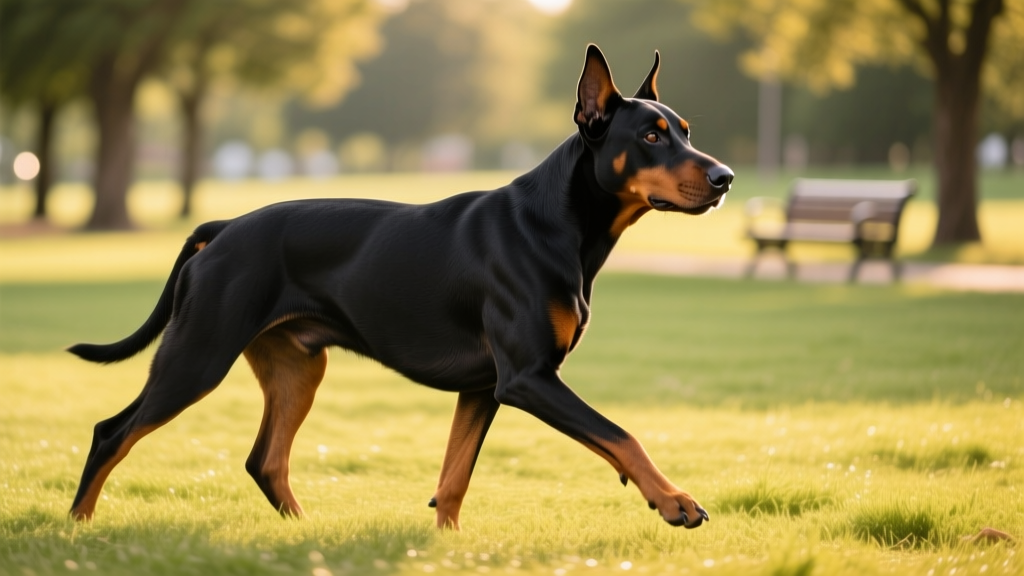
What Is a Doberman Pitbull Mix?
The Doberman Pitbull mix — sometimes called a "Dober Pit" or "Pitman" — is a cross between a Doberman Pinscher and an American Pit Bull Terrier (APBT). This is not an AKC-recognized breed. It's a first-generation or multi-generation designer cross that combines two powerful, athletic, and deeply loyal working-dog lineages.
Both parent breeds carry strong reputations — some earned, many exaggerated by media. When you cross them, you get a dog that is almost always physically impressive, intensely bonded to its people, and in need of an owner who understands canine behavior, structured training, and responsible socialization. This is not a beginner-friendly dog, but for the right household, it can be an extraordinary companion.
Parent Breed Breakdown: Doberman Pinscher Meets American Pit Bull Terrier
Understanding a mixed breed starts with understanding each parent. Here's what each breed brings to the table genetically, physically, and temperamentally.
| Trait | Doberman Pinscher | American Pit Bull Terrier |
|---|---|---|
| AKC Recognition | Recognized (1908) | Not AKC-recognized (UKC-recognized) |
| Weight Range | 60–100 lb / 27–45 kg | 30–65 lb / 14–29 kg |
| Height | 24–28 in / 61–71 cm | 17–21 in / 43–53 cm |
| Original Purpose | Personal protection, military/police work | Bull-baiting heritage, farm/working dog |
| Energy Level | High (60–90 min exercise/day) | High (60–90 min exercise/day) |
| Coat | Short, smooth, minimal undercoat | Short, smooth, stiff, single coat |
| Shedding | Low to moderate | Moderate |
| Lifespan | 10–12 years | 12–14 years |
| Key Temperament Traits | Alert, loyal, intelligent, reserved with strangers | Confident, people-oriented, tenacious, dog-selective |
| Trainability | Very high (ranked #5 in intelligence, per AKC rankings) | High but requires patience; can be strong-willed |
Both breeds share athleticism, loyalty, and a strong drive to work alongside their humans. They diverge on sociability with other dogs (Dobermans tend to be more tolerant; APBTs can be dog-selective or dog-aggressive, especially same-sex) and on stranger wariness (Dobermans are naturally more guarded; APBTs are famously friendly with people).
How Big Will a Doberman Pitbull Mix Get?
Size in mixed breeds is inherently variable, especially when the parent breeds differ significantly in weight. The Doberman is substantially larger than the APBT, so the mix typically lands somewhere in between — but individual puppies can lean heavily toward either parent.
| Category | Weight | Height at Shoulder |
|---|---|---|
| Small end (APBT-dominant) | 45–55 lb / 20–25 kg | 18–22 in / 46–56 cm |
| Average (balanced mix) | 55–75 lb / 25–34 kg | 20–25 in / 51–64 cm |
| Large end (Doberman-dominant) | 75–90 lb / 34–41 kg | 24–27 in / 61–69 cm |
Males tend to cluster toward the upper ranges; females toward the lower. If you're adopting a puppy, ask the breeder or rescue for the parents' weights — this gives the best prediction. By 6 months of age, most puppies will be roughly 60–70% of their adult weight, which lets you estimate where they'll land.
Body type variability: Expect a muscular, athletic build regardless of size. Some individuals inherit the Doberman's sleek, angular silhouette with a deep chest and tucked waist. Others get the APBT's stockier, broader-chested frame with heavier bone. Many split the difference — a powerful, medium-to-large dog that turns heads at the dog park.
Coat, Color, and Grooming
This is one area where predictability is high. Both parent breeds have short, smooth, single coats. You will almost certainly get a short-haired dog that requires minimal grooming.
Coat Characteristics
- Length: Short (0.5–1 inch), lying flat against the body
- Texture: Smooth to slightly stiff (APBT influence can add coarseness)
- Shedding: Moderate year-round, with seasonal increases in spring and fall
- Undercoat: Minimal to none — these dogs do not have a dense double coat
- Hypoallergenic: No. Neither parent breed is hypoallergenic. This mix sheds dander and hair and is not suitable for allergy sufferers.
Common Colors
Color inheritance is wide open. You may see:
- Black and rust/tan (classic Doberman markings — this is recessive and requires both parents to carry the tan-point gene)
- Solid black, blue (gray), fawn, or red
- Brindle (from the APBT side)
- White or white-patched (APBT genetics)
- Any combination of the above
Grooming Routine
Keep it simple:
- Brushing: Once weekly with a rubber curry brush (like a Kong ZoomGroom, ~$8–$12) to remove loose hair and distribute skin oils
- Bathing: Every 6–8 weeks or as needed; use a gentle, dog-specific shampoo to avoid stripping coat oils
- Nails: Trim every 3–4 weeks; active dogs on concrete may wear them down naturally
- Ears: Check weekly for debris or redness, especially if ears are floppy (APBT-inherited) rather than cropped/erect (Doberman-inherited)
- Teeth: Daily brushing ideal; at minimum, veterinary dental cleanings annually
Cold weather note: With a single short coat and low body fat (especially Doberman-leaning individuals), this mix gets cold easily. Below 45°F (7°C), consider a fitted dog jacket for extended outdoor time. Brands like Ruffwear and Hurtta make well-insulated options in the $50–$90 range.
Temperament: What to Expect (and What to Prepare For)
This is where the Doberman Pitbull mix demands the most honest assessment. You're combining two powerful, strong-willed breeds with specific behavioral tendencies. The result can be a phenomenal family dog — or a management challenge — depending on genetics, socialization, training, and your own experience level.
Best-Case Temperament Scenario
A well-socialized Doberman Pitbull mix from stable parent lines is:
- Deeply loyal and bonded to their family — often a "velcro dog" that follows you room to room
- Intelligent and trainable — picks up commands quickly, excels in obedience, agility, and scent work
- Protective without being aggressive — alerts to strangers, watches the door, but settles when you indicate all is well
- Playful and athletic — loves fetch, tug, hiking, swimming (if introduced), and structured games
- Gentle with family children when raised with them and taught appropriate interaction
Challenging Scenario (and Why It Happens)
Less ideal outcomes typically stem from poor socialization, unstable breeding, or owner inexperience:
- Dog-selective or dog-aggressive tendencies — inherited from the APBT side, particularly same-sex aggression. This is a breed trait, not a training failure, and it often emerges between 1–3 years of age as the dog matures socially.
- Stranger wariness or fear-based reactivity — the Doberman's protective instinct can tip into suspicion or fearfulness without early, positive exposure to varied people and environments
- Separation anxiety — both parent breeds form intense bonds. Left alone for long hours without mental stimulation, this mix is prone to destructive behavior, vocalization, and stress
- Leash reactivity — a combination of the Doberman's alertness and the APBT's physical confidence can produce a dog that lunges or postures on leash when triggered by other dogs
- Resource guarding — not breed-specific but worth monitoring, especially in multi-pet homes
Temperament Variability Chart
| Trait | Leans Doberman | Balanced Mix | Leans APBT |
|---|---|---|---|
| Stranger Friendliness | Reserved, watchful | Polite but cautious | Outgoing, gregarious |
| Dog Sociability | Moderate; can coexist with housemates | Variable; early socialization critical | Often dog-selective; same-sex aggression possible |
| Energy Expression | Endurance-oriented; needs long runs/mental work | Balanced athletic drive | Burst energy; loves intense play sessions |
| Trainability | Very high; responds to subtle cues | High with consistent methods | High but needs motivation; can test boundaries |
| Guard Instinct | Strong natural protector | Moderate; alerts but defers to owner | Low; more likely to greet intruders with a wag |
Training approach: Use positive reinforcement exclusively — high-value treats (freeze-dried liver, chicken), toy rewards, and praise. Both breeds are sensitive despite their tough appearance. Harsh methods, shock collars, prong collars, and alpha rolls are counterproductive and can trigger fear-based aggression. If you're dealing with reactivity, work with a certified professional dog trainer (CPDT-KA or IAABC-credentialed) who uses force-free, LIMA (Least Intrusive, Minimally Aversive) methods.
Health Considerations: Inherited Risks from Both Parent Breeds
Let's address the hybrid vigor myth directly. Crossbreeding does not guarantee better health. While mixed-breed dogs can benefit from a broader gene pool, they can inherit any condition that affects either parent breed. The Merck Veterinary Manual notes that mixed breeds are susceptible to many of the same genetic conditions as purebreds, particularly when both parent breeds share predispositions.
Here are the conditions to screen for and monitor:
| Condition | Parent Breed Source | Prevalence | Screening / Notes |
|---|---|---|---|
| Dilated Cardiomyopathy (DCM) | Doberman (very high risk) | Up to 58% of Dobermans develop DCM in their lifetime | Annual echocardiogram + Holter monitor starting at age 2–3. This is the #1 health concern for this mix. |
| Hip Dysplasia | Both breeds | ~15–20% in Dobermans; ~23% in APBTs (OFA data) | OFA or PennHIP evaluation of parent dogs; maintain lean body condition |
| Von Willebrand's Disease (vWD) | Doberman | Up to 30% of Dobermans carry the vWD Type 1 gene | DNA test available; ask breeder for parent results |
| Hypothyroidism | Doberman | Common in the breed | Annual thyroid panel (T4, free T4, TSH) |
| Allergies (skin/food) | APBT (high predisposition) | Very common in pit bull-type dogs | Watch for paw licking, ear infections, hot spots; may require elimination diet or allergy testing |
| Demodectic Mange | APBT | Higher predisposition in pit bull-type breeds | Immune-mediated; usually manageable with veterinary treatment (isoxazoline-class medications) |
| Wobbler Syndrome (Cervical Spondylomyelopathy) | Doberman | Dobermans are the most commonly affected breed | Watch for gait abnormalities, neck pain, weakness in rear legs; MRI diagnosis |
| Cataracts / Progressive Retinal Atrophy | Both breeds | Moderate risk | CERF/OFA eye exam for parent dogs |
Recommended health screening protocol: If purchasing from a breeder, insist on seeing health clearances for both parent dogs: OFA hips, OFA cardiac (echocardiogram + Holter), vWD DNA test, and OFA thyroid. For rescue dogs, request a baseline cardiac exam and hip X-rays within the first year. Consult your veterinarian about establishing a proactive cardiac monitoring schedule.
Generations, Predictability, and What Varies
Unlike Poodle-based designer breeds (Goldendoodles, Labradoodles), the Doberman Pitbull mix is rarely bred in structured multi-generation programs. Most litters you'll find are F1 crosses — a first-generation pairing of a purebred Doberman and a purebred APBT.
- F1: First-generation cross (purebred Doberman × purebred APBT). Most common for this mix. Moderate trait variability.
- F1B: Backcross (F1 mix × one purebred parent). Rare for this combination. Increases predictability toward one parent breed.
- F2: F1 × F1 cross. Very rare. Trait variability increases significantly — puppies in the same litter can look and behave very differently.
- Multigen: Multiple generations of mixed-to-mixed breeding. Almost nonexistent for this pairing in any organized breeding program.
What's predictable: Coat type (short, smooth), general athleticism, loyalty to family, and high exercise needs are almost guaranteed regardless of generation.
What's unpredictable: Adult size (can range 45–90 lb), ear carriage (floppy, semi-erect, or erect), dog sociability, guard instinct intensity, color/markings, and head shape. Even within a single F1 litter, siblings can look like entirely different breeds.
Exercise, Training, and Daily Life
This is a high-drive dog that needs a job — or at least a structured outlet for physical and mental energy. Plan for:
Exercise Requirements
- Minimum: 60–90 minutes of dedicated exercise daily
- Ideal: 90–120 minutes combining physical activity (running, hiking, fetch, flirt pole) with mental stimulation (training sessions, puzzle toys, scent work)
- Best activities: Canicross (dog-assisted running), bikejoring, agility, barn hunt, advanced obedience, and structured play
- Avoid: Dog parks with unknown dogs, given potential dog-selectivity. Opt for controlled playdates with known, compatible dogs instead.
Training Essentials
Start early and stay consistent:
- Puppy socialization (8–16 weeks): Expose to 100+ novel people, surfaces, sounds, and environments. Use the AVMA's socialization guidelines as a framework.
- Basic obedience (8 weeks+): Sit, down, stay, recall, loose-leash walking. Use high-value rewards. Keep sessions short (5–10 minutes for puppies).
- Impulse control (4 months+): "Leave it," "wait," and settling on a mat. Critical for a powerful dog that may react to triggers.
- Leash reactivity prevention (ongoing): Counter-conditioning and desensitization to other dogs at sub-threshold distances. Work with a professional if reactivity emerges.
- Advanced training (1 year+): This breed mix thrives with a "job" — consider therapy dog certification, nose work, rally obedience, or trick training titles.
Living Environment
A fenced yard is strongly recommended (minimum 6-foot fence; both breeds are athletic jumpers and the Doberman can be an escape artist). This mix can adapt to apartment living only if exercise needs are met rigorously — but a house with yard access is ideal. They are indoor dogs that need to be with their people, not outdoor or kennel dogs.
Cost: Purchase Price and Lifetime Budget
| Expense Category | Estimated Cost |
|---|---|
| Puppy from a breeder | $500–$1,500 (less established breeders); up to $2,000 if parents are health-tested and titled |
| Rescue/adoption fee | $150–$400 (typically includes spay/neuter, initial vaccines, microchip) |
| First-year veterinary care | $800–$1,500 (vaccines, spay/neuter if not included, baseline cardiac exam, hip X-rays, preventives) |
| Annual veterinary care (years 2+) | $600–$1,200/year (wellness exam, dental, cardiac monitoring, preventives) |
| Food (high-quality kibble or balanced diet) | $50–$90/month ($600–$1,080/year) |
| Training (group classes + private sessions) | $300–$800 first year; $100–$400/year ongoing |
| Pet insurance | $45–$85/month depending on coverage and location |
| Estimated first-year total | $3,000–$6,000+ |
Breeder availability: Dedicated Doberman Pitbull mix breeders are rare. Most litters come from small-scale or accidental breedings. If you find a breeder, prioritize those who health-test both parent dogs (not just "vet-checked" — request OFA and DNA test documentation). Be wary of breeders marketing this mix as a "protection dog" or "guard dog" — responsible breeders prioritize temperament stability.
Rescue availability: This mix appears regularly in breed-specific rescues and general shelters, particularly in regions with high pit bull-type dog populations. Check Petfinder, local humane societies, and Doberman rescue networks (such as the Doberman Pinscher Club of America's rescue page). Adopting an adult dog (2+ years) gives you the advantage of knowing the dog's actual temperament, size, and any existing health issues.
Who Is This Mix Right For?
Based on the combined traits, needs, and potential challenges of both parent breeds, here's an honest assessment of fit:
Ideal Owner Profile
- Experience level: Intermediate to advanced. You've owned and trained at least one strong-willed or powerful breed before. You understand canine body language and can recognize early signs of reactivity or stress.
- Time commitment: Home at least part of the day. This mix does poorly with 8+ hour daily absences. If you work full-time, plan for a dog walker, daycare (if the dog is social), or a structured alone-time routine.
- Activity level: Active. You run, hike, bike, or walk 3+ miles daily and want a dog that can keep up.
- Family composition: Families with older children (8+) who understand how to interact respectfully with dogs. Singles and couples do well. Multi-pet households are possible but require careful introductions and management, especially with same-sex dogs.
- Housing: House with a secure, fenced yard. Comfortable managing a powerful dog on leash in public.
- Training commitment: Willing to invest in professional training, ongoing socialization, and mental enrichment for the dog's lifetime.
This Mix Is NOT a Good Fit For
- First-time dog owners without mentorship from an experienced handler or trainer
- Households that are away from home 10+ hours daily
- Families who want a dog that's reliably friendly with all other dogs off-leash
- Anyone in housing with breed restrictions or insurance exclusions for pit bull-type dogs
- People looking for a low-maintenance, couch-potato companion
Frequently Asked Questions
What two breeds make up the Doberman Pitbull mix?
The Doberman Pitbull mix is a cross between a Doberman Pinscher and an American Pit Bull Terrier (APBT). Some breeders may use American Staffordshire Terriers (AmStaffs) in place of APBTs, as the breeds are closely related and share similar traits.
Is the Doberman Pitbull mix a good family dog?
Yes, with the right preparation. Well-socialized individuals from stable parent lines can be excellent family dogs — loyal, gentle with children they're raised with, and deeply bonded to their household. However, their size, strength, and potential dog-selectivity mean they need an experienced owner who can manage interactions and maintain consistent training.
Do Doberman Pitbull mixes shed a lot?
Moderate shedding year-round, with heavier seasonal shedding in spring and fall. They are not hypoallergenic. Weekly brushing with a rubber curry brush and regular bathing manage loose hair effectively.
How long do Doberman Pitbull mixes live?
Expect a lifespan of approximately 10–14 years. The Doberman parent breed's shorter lifespan (10–12 years) and high DCM risk are the primary limiting factors. Cardiac monitoring from a young age is essential to catch and manage heart disease early.
Are Doberman Pitbull mixes aggressive?
Aggression is not a breed trait — it's a behavior influenced by genetics, socialization, training, and environment. Well-bred, well-socialized Doberman Pitbull mixes are not inherently aggressive toward people. Dog-selectivity or same-sex dog aggression is a realistic possibility inherited from the APBT lineage and should be managed proactively, not punished.
Can I find a Doberman Pitbull mix in a shelter?
Yes. Pit bull-type mixes are among the most common dogs in US shelters, and Doberman mixes appear regularly as well. Check Petfinder, local humane societies, and breed-specific rescues. Adopting an adult gives you temperament certainty that you cannot get with a puppy.
Do Doberman Pitbull mixes have cropped ears or floppy ears?
Ear carriage is unpredictable. Some inherit the Doberman's naturally folded ears (cropping is a cosmetic surgical procedure, not a genetic trait), others get the APBT's rose or half-pricked ears. Many have semi-erect ears that don't fully stand. If a breeder advertises "cropped ear" puppies, understand that cropping is an elective surgery performed at 7–12 weeks — it's not natural, and the AVMA opposes cosmetic ear cropping.
Tom Renshaw
All our authors care for dogs every day — read more of their work on the authors page.


