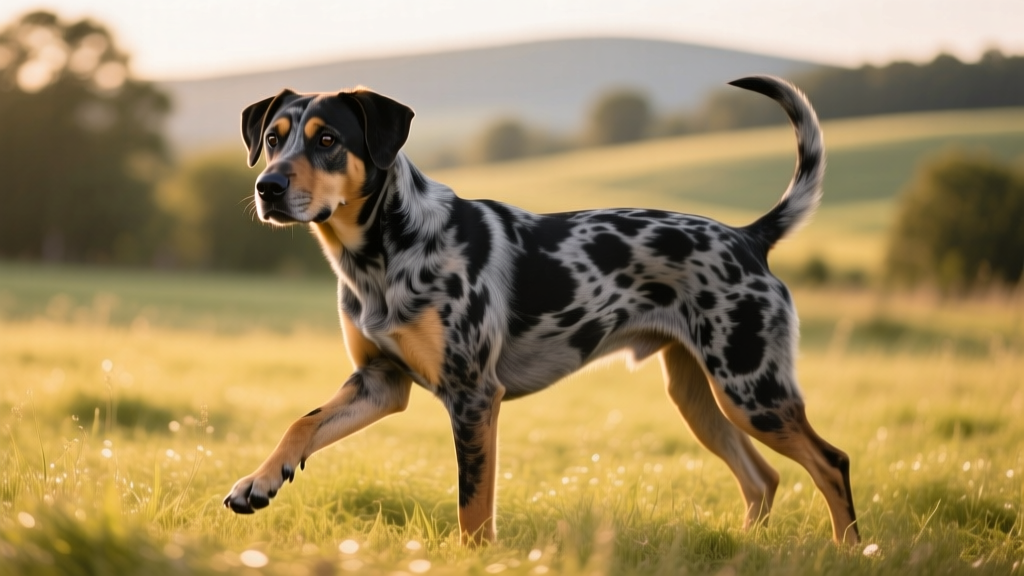
Siberian Husky Arctic Wolf Mix: What Owners Need to Know
Considering a Siberian Husky Arctic Wolf mix? Learn about size, temperament, health risks, coat care, and whether this intense hybrid suits your household.

If you have been browsing breeder websites or rescue forums, you may have encountered listings for a Siberian Husky Arctic Wolf mix — sometimes marketed under names like "Arctic Wolf Dog," "Husky Wolf hybrid," or "Tundra Husky." These dogs are visually striking, often featuring dense double coats, piercing eyes, and a wild, wolf-like silhouette. But behind the dramatic appearance lies a complex animal whose needs and challenges are far more demanding than most conventional dog breeds.
This profile breaks down what prospective owners should understand before committing to a Siberian Husky Arctic Wolf mix — from the genetic realities of mixing a domestic sled dog with a wild canid, to the practical daily requirements of living with one.
Parent Breeds: Siberian Husky and Arctic Wolf Explained
To understand this mix, you need to understand both parent lineages. They are closely related — both belong to the genus Canis — but their behavioral profiles diverge significantly due to thousands of years of domestication (or lack thereof).
| Trait | Siberian Husky (Domestic) | Arctic Wolf (Wild / Captive-Bred Lineage) |
|---|---|---|
| Scientific Classification | Canis lupus familiaris | Canis lupus arctos (subspecies of gray wolf) |
| Typical Weight | 35–60 lb / 16–27 kg | 70–125 lb / 32–57 kg |
| Height at Shoulder | 20–23.5 in / 51–60 cm | 26–32 in / 66–81 cm |
| Domestication Status | Fully domesticated; bred for sled pulling | Wild canid; captive-bred lines exist but retain wild instincts |
| Trainability | Moderate; independent but responsive to positive reinforcement | Very low; not suited to obedience training |
| Social Behavior | Pack-oriented; generally friendly with humans | Strongly pack-bonded; wary or fearful of unfamiliar humans |
| Vocalization | Howls, "talks," barks occasionally | Howls; rarely barks |
| Prey Drive | High | Extremely high; natural hunting predator |
The Siberian Husky was developed by the Chukchi people of northeastern Siberia as an endurance sled dog and is recognized by the American Kennel Club (AKC). Arctic Wolves (Canis lupus arctos) are a subspecies of gray wolf native to the Canadian Arctic Archipelago and parts of Greenland. When breeders refer to "Arctic Wolf" in a mix, they typically mean captive-bred wolves or high-content wolf-dogs from private breeding programs — not animals taken from the wild.
Understanding Generations: F1, F2, and Wolf Content Percentages
Unlike designer dog crosses (such as Labradoodles), wolf-dog hybrids are usually described by wolf content percentage rather than F1/F1B/F2 generation labels. Here is how the terminology works:
- Low content (1–49% wolf): Predominantly dog-like behavior with some wolf traits. Most common in "Husky Wolf mix" puppies sold to pet owners.
- Mid content (50–79% wolf): Noticeable wild behaviors; requires experienced handling and specialized containment.
- High content (80%+ wolf): Behaviorally closer to a wild wolf; often unsuitable as a household pet.
An F1 cross (one pure Siberian Husky × one Arctic Wolf) would produce approximately 50% wolf content — placing offspring firmly in the mid-content range. Backcrossing (breeding a low-content wolf-dog back to a Husky) reduces wolf percentage and generally produces more manageable animals. Multi-generational wolf-dog breeding programs may stabilize certain traits, but behavioral predictability remains significantly lower than in purebred domestic dogs.
Reputable breeders will disclose the estimated wolf content percentage of each puppy. Be cautious of sellers who cannot or will not provide this information, or who claim their wolf-dogs are "just like regular dogs."
Size, Build, and Physical Appearance
Because one parent is a wild canid that can weigh over 100 lb, size variability in this mix is substantial. Even littermates can differ dramatically.
| Category | Low Wolf Content (1–49%) | Mid Wolf Content (50–79%) | High Wolf Content (80%+) |
|---|---|---|---|
| Weight (Male) | 50–75 lb / 23–34 kg | 70–100 lb / 32–45 kg | 85–125+ lb / 39–57+ kg |
| Weight (Female) | 40–65 lb / 18–29 kg | 60–85 lb / 27–39 kg | 75–110 lb / 34–50 kg |
| Height at Shoulder | 22–26 in / 56–66 cm | 25–30 in / 64–76 cm | 28–33 in / 71–84 cm |
| Build | Athletic, Husky-like | Leggy, deep-chested | Powerful, wolf-proportioned |
Physical markers often associated with higher wolf content include: longer legs relative to body length, a narrower chest, larger paws, a longer muzzle, obliquely set amber or yellow eyes, and a tail that hangs straight down rather than curling over the back (as a Husky's tail typically does). However, appearance alone is an unreliable indicator of wolf content — genetic testing through services like Embark or Wisdom Panel can provide more accurate ancestry estimates.
Coat, Color, and Grooming Requirements
Both Siberian Huskies and Arctic Wolves have dense double coats evolved for extreme cold. You can expect a Siberian Husky Arctic Wolf mix to inherit a thick undercoat with longer guard hairs, regardless of which parent's coat type dominates.
Shedding: This mix is emphatically not hypoallergenic or low-shedding. Expect heavy seasonal "blowing" of the undercoat twice per year (spring and fall), with moderate shedding year-round. During blowout periods, daily brushing with an undercoat rake or deshedding tool (such as the Furminator or a slicker brush) is necessary to prevent matting and reduce hair accumulation in your home.
Common coat colors:
- White and cream (Arctic Wolf influence)
- Gray and silver agouti
- Black and white
- Sable or wolf-gray
- Red-gray (less common, more Husky-influenced)
Grooming schedule:
- Brush 3–4 times per week minimum; daily during coat blow
- Bathe every 8–12 weeks (over-bathing strips natural oils from the double coat)
- Never shave a double-coated dog — the undercoat provides insulation against both heat and cold, and shaving can cause permanent coat damage (post-clipping alopecia)
- Trim nails every 3–4 weeks; check ears weekly for debris or infection
Temperament: Predictable Traits vs. Individual Variation
This is the area where prospective owners most often underestimate the challenge. A Siberian Husky Arctic Wolf mix is not a Husky with a wilder look — the wolf genetics fundamentally alter behavioral tendencies in ways that vary from individual to individual.
Best-Case Temperament Scenario
Low-content wolf-dogs (under 30–40% wolf, backcrossed to Husky over multiple generations) may behave similarly to a high-drive Siberian Husky: energetic, vocal, intelligent, somewhat independent, but ultimately social and manageable with consistent positive reinforcement training (as recommended by the American Veterinary Society of Animal Behavior).
Challenging Temperament Scenario
Mid- to high-content wolf-dogs frequently display:
- Extreme wariness of strangers — not aggression necessarily, but fear-based avoidance that makes veterinary visits, boarding, and social situations difficult
- Intense prey drive — cats, small dogs, rabbits, and even livestock may be seen as prey; this is not trainable out of the animal
- Destructive behavior — chewing through drywall, digging under fences, and destroying furniture out of boredom or anxiety
- Difficulty with house training — wolves do not naturally avoid soiling their immediate territory the way domestic dogs do; some wolf-dogs never fully house-train
- Seasonal aggression — intact wolf-dogs may show heightened aggression or territorial behavior during breeding season (typically January–April for wolves)
- Escape behavior — wolf-dogs are notorious escape artists; standard 6-foot fences are often insufficient without dig-proof barriers and roof enclosures
Even within a single litter of Siberian Husky Arctic Wolf mix puppies, one pup may be confident and social while another is shy and reactive. Wolf content percentage is an estimate, and gene expression is not perfectly linear. You cannot guarantee temperament in a wolf-dog hybrid — and behavioral issues that emerge at sexual maturity (12–24 months) are the leading reason these animals are surrendered to sanctuaries.
Health Considerations: Hybrid Vigor Myth vs. Reality
A common misconception is that crossing a domestic dog with a wild canid produces offspring with superior health due to "hybrid vigor" (heterosis). While hybrid vigor does occur in some contexts — such as crossing two genetically diverse purebred dog lines — it does not apply cleanly to wolf-dog crosses. Here is why:
- Siberian Huskies and wolves are not genetically distant enough for classic heterosis to apply; they are the same species (Canis lupus)
- Wolf-dog hybrids may inherit health conditions from both parent lineages rather than avoiding them
- Captive wolf populations often have limited genetic diversity, which can concentrate — not dilute — inherited disorders
Health Conditions to Monitor
| Condition | Inherited From | Prevalence / Notes |
|---|---|---|
| Hip Dysplasia | Both parents | Estimated 15–20% in large canids; request OFA or PennHIP screening of parents |
| Elbow Dysplasia | Both parents | Less common than hip dysplasia but documented in wolves and Huskies |
| Degenerative Myelopathy (DM) | Siberian Husky lineage | Progressive spinal cord disease; genetic test available (SOD1 mutation) |
| Hypothyroidism | Siberian Husky lineage | Autoimmune thyroiditis; monitor with annual thyroid panels |
| Cataracts / Progressive Retinal Atrophy | Siberian Husky lineage | Hereditary eye conditions; request CERF/OFA eye certification |
| Gastric Dilatation-Volvulus (Bloat) | Both parents (deep-chested build) | Life-threatening emergency; know the signs and locate a 24-hour emergency vet |
According to the Merck Veterinary Manual, hip dysplasia is one of the most common orthopedic conditions in large canids, and both wolves in captivity and Siberian Huskies carry risk. Always consult your veterinarian about appropriate screening, nutrition to support joint health, and maintaining a lean body condition score (BCS 4–5 out of 9) to reduce joint stress.
Vaccination note: Rabies vaccination is legally required in most US jurisdictions, but the USDA has not approved any rabies vaccine specifically for wolf-dog hybrids. Some states recognize rabies titers for wolf-dogs; others do not. Check your local regulations and discuss vaccination protocols with your veterinarian, as referenced in AVMA vaccination guidelines.
Legal Restrictions and Housing Challenges
Before acquiring a Siberian Husky Arctic Wolf mix, research your local and state laws. Wolf-dog ownership is:
- Banned outright in several US states (including Michigan, Illinois, and Connecticut for certain wolf content levels)
- Restricted or permit-required in many others (such as Texas, Indiana, and Ohio, where county-level rules vary)
- Prohibited by most landlords and HOAs — even where legal, finding rental housing that accepts wolf-dogs is extremely difficult
- Excluded from most pet insurance policies — companies like Trupanion, Healthy Paws, and Nationwide typically exclude wolf-dog hybrids from coverage
If you are in a jurisdiction where wolf-dog ownership is restricted, you may face fines, mandatory surrender of the animal, or euthanasia orders. Always verify legality before purchasing or adopting.
Cost: Purchase Price, Annual Care, and Contingency Budget
| Expense Category | Estimated Cost Range |
|---|---|
| Purchase price (low-content, reputable breeder) | $1,500–$3,000 |
| Purchase price (mid-content, specialized breeder) | $2,500–$5,000+ |
| Adoption from wolf-dog sanctuary/rescue | $250–$750 |
| Secure outdoor enclosure (dig-proof, 8+ ft fence with lean-in) | $3,000–$8,000+ |
| Annual food (high-protein, large-breed diet) | $1,200–$2,400/year |
| Veterinary care (annual exams, vaccines, screenings) | $600–$1,500/year |
| Emergency veterinary fund (bloat surgery, orthopedic procedures) | $3,000–$8,000 per incident |
| Professional behavioral consultation (if needed) | $150–$300/session |
First-year budget estimate: Expect to spend between $8,000 and $18,000 in the first year, including the animal, enclosure construction, veterinary setup, and supplies. Ongoing annual costs typically run $2,500–$5,000.
Be extremely wary of breeders selling "Husky Wolf" puppies for under $500 — these are often Siberian Huskies or Husky-Malamute mixes misrepresented as wolf-dogs to inflate perceived value. Request DNA testing documentation.
Who Is This Mix Suited For?
A Siberian Husky Arctic Wolf mix is not a dog for casual owners, first-time dog parents, or families with small children or small pets. The ideal guardian profile includes:
- Experience: Prior ownership of high-drive, independent breeds (Huskies, Malamutes, livestock guardian dogs) or professional animal-handling background
- Property: Acreage with space for a large, secure enclosure; not suitable for apartments or suburban homes with close neighbors (howling complaints are common)
- Time commitment: 2+ hours daily of structured exercise, enrichment, and socialization — not just yard time
- Financial capacity: Ability to fund enclosure construction, emergency veterinary care, and specialized diets without pet insurance support
- No small pets: The prey drive in this mix makes cohabitation with cats, rabbits, or small dogs unsafe regardless of training
- Long-term planning: Wolf-dogs live 12–16 years; you must have a contingency plan for the animal's care if you can no longer keep it, as most standard rescues will not accept wolf-dogs
Frequently Asked Questions
What two breeds make up a Siberian Husky Arctic Wolf mix?
This mix is a cross between a domestic Siberian Husky (Canis lupus familiaris) and an Arctic Wolf (Canis lupus arctos), a subspecies of gray wolf. The Arctic Wolf parent is typically from a captive breeding program, not the wild.
How big will a Siberian Husky Arctic Wolf mix get?
Size varies enormously based on wolf content. Low-content wolf-dogs may weigh 50–75 lb (23–34 kg), while mid- to high-content animals can reach 85–125+ lb (39–57+ kg). Height ranges from 22 to 33 inches (56–84 cm) at the shoulder.
What will the temperament be like?
Temperament is the most unpredictable aspect of this mix. Low-content wolf-dogs may behave similarly to energetic, independent Huskies. Higher wolf content introduces wariness of strangers, intense prey drive, difficulty with house training, and seasonal behavioral shifts. You cannot reliably predict a puppy's adult temperament.
Is a Siberian Husky Arctic Wolf mix hypoallergenic or low-shedding?
No. This mix inherits a thick double coat from both parent lineages and sheds heavily year-round, with intense seasonal blowouts in spring and fall. It is not suitable for allergy-sensitive households.
What health issues might this mix inherit?
Key concerns include hip dysplasia, elbow dysplasia, degenerative myelopathy, hypothyroidism, hereditary eye diseases, and gastric dilatation-volvulus (bloat). Request health screening documentation from breeders and schedule regular veterinary checkups.
How much does a Siberian Husky Arctic Wolf mix cost?
Purchase prices range from $1,500 to $5,000+ depending on wolf content and breeder. Rescue adoptions cost $250–$750. Factor in $3,000–$8,000 for secure enclosure construction and $2,500–$5,000 annually for ongoing care. Most pet insurance companies will not cover wolf-dog hybrids.
Can I train a Siberian Husky Arctic Wolf mix off-leash?
Off-leash reliability is extremely unlikely in any wolf-dog hybrid. The prey drive and instinct to roam are too deeply ingrained for consistent recall, even with extensive training. Always maintain secure physical containment.
This article provides educational information only and does not replace professional veterinary advice. If you own or are considering a Siberian Husky Arctic Wolf mix, consult your veterinarian for personalized health screening, vaccination protocols, nutrition plans, and behavioral guidance. Wolf-dog hybrids have unique medical considerations that require professional oversight.
Dr. Hannah Wickes
All our authors care for dogs every day — read more of their work on the authors page.