Catahoula Cur Dog: The Complete Breed Guide for Prospective Owners
Everything you need to know about the Catahoula Cur dog — origins, temperament, health risks, exercise needs, costs, and whether this rare working
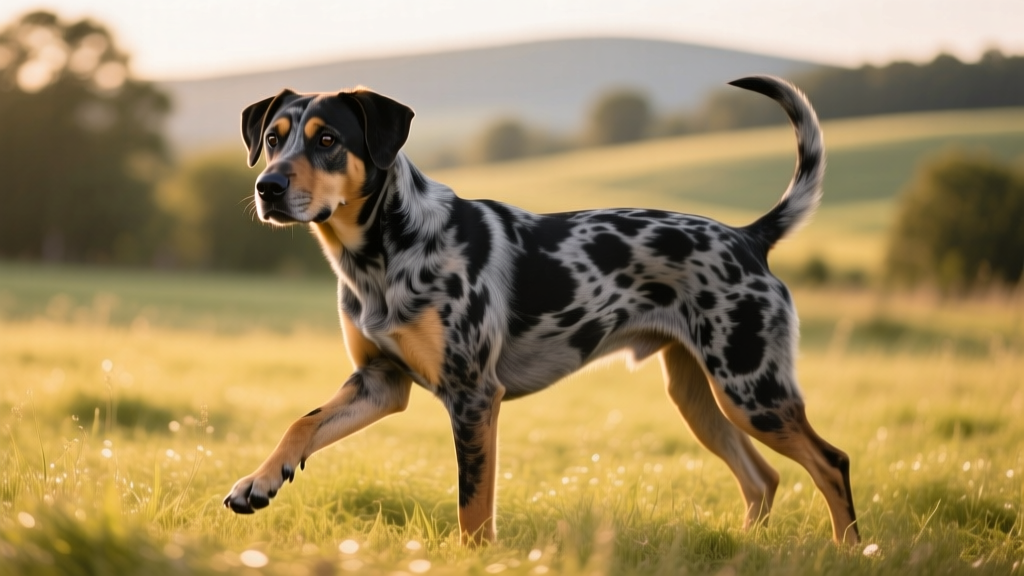
If you've never heard of the Catahoula Cur dog, you're not alone. Outside of the American South, this striking working breed remains one of the best-kept secrets in the canine world. Known officially as the Louisiana Catahoula Leopard Dog, this breed combines herding instinct, hunting drive, and fierce loyalty into a package that is absolutely not for the casual dog owner — but can be the most rewarding partnership imaginable for the right person.
This guide covers everything from the breed's murky colonial origins to what it actually costs to bring one home in 2026. Whether you spotted a Catahoula Cur dog at a shelter and are trying to figure out what you're looking at, or you're researching before contacting a breeder, this is your complete reference.
Origin Story: How the Catahoula Cur Dog Came to Be
The Catahoula Cur dog is believed to be the oldest registered dog breed in the United States — and its origin story reads like early American frontier history. The breed traces its roots to northern Louisiana, specifically the Catahoula Lake region in what is now Catahoula Parish.
Timeline of Catahoula Cur Origins
| Period | Event |
|---|---|
| Pre-1500s | Indigenous peoples of the Southeast keep "wolf-like" dogs used for hunting and camp protection. These dogs are believed to be descended from ancient Native American dog lines, possibly including the Carolina Dog type. |
| 1539–1542 | Hernando de Soto's Spanish expedition brings Mastiff-type war dogs and Greyhound-like sighthounds through the Southeast. Some of these dogs are reported to have been left behind or traded with indigenous groups. |
| Early 1700s | French settlers arrive in Louisiana with Beauceron-type herding dogs and other European working breeds. These dogs interbreed with existing Native American dogs, creating a versatile stock. |
| Late 1700s–1800s | Settlers in the Catahoula Lake region selectively breed dogs for hog-catching, cattle herding, and treeing game. The "Catahoula Cur" name becomes established locally. |
| 1951 | The National Association of Louisiana Catahoulas (NALC) is formed, establishing the first formal breed registry. |
| 1979 | Louisiana designates the Catahoula Leopard Dog as the official state dog. |
| 1995 | The United Kennel Club (UKC) officially recognizes the Louisiana Catahoula Leopard Dog. |
| 2024 | The breed remains in the AKC Foundation Stock Service (FSS) — not yet fully AKC-recognized but on the pathway. The American Kennel Club does not yet grant full recognition. |
The historical purpose of the Catahoula Cur dog was multi-functional: these dogs were expected to catch semi-feral hogs in the Louisiana swamps, herd cattle across rough terrain, tree raccoons and squirrels, and guard the homestead at night. That working versatility is still hardwired into the breed today, and it explains why a Catahoula without a job is a Catahoula who will invent one — usually involving destruction of your furniture or escape from your yard.
Physical Profile: What a Catahoula Cur Dog Actually Looks Like
One of the most common questions from people who encounter a Catahoula Cur dog is: "What breed is that?" The answer isn't always obvious because the breed has tremendous variety in coat pattern and color. Unlike breeds with a single "look," Catahoulas can range from solid black to wildly patched leopard merle, and no two look exactly alike.
| Attribute | Details |
|---|---|
| Weight (Males) | 55–95 lb / 25–43 kg |
| Weight (Females) | 40–70 lb / 18–32 kg |
| Height (Males) | 22–26 in / 56–66 cm at the shoulder |
| Height (Females) | 20–24 in / 51–61 cm at the shoulder |
| Lifespan | 10–14 years (median ~12 years) |
| Coat Type | Short to medium, single coat; slick and close-lying |
| Coat Colors/Patterns | Blue leopard, red leopard, black, brindle, solid red, chocolate, tri-color; merle patterning is signature but not universal |
| Eyes | Often heterochromia ("glass eyes") — one blue, one brown; or marbled/multicolored irises; also solid brown or green |
| Energy Level | Very high — bred for all-day swamp and field work |
| Grooming Needs | Low — weekly brushing, occasional baths |
| Family Fit | Experienced owners only; not recommended for first-time dog owners or homes with very young children without careful management |
Distinctive Physical Features
Three traits set the Catahoula Cur dog apart from similar-looking breeds:
- "Glass eyes" (heterochromia and marbled irises): While not universal, the pale blue-white or multi-colored "cracked" eye is a breed hallmark. This trait is linked to the merle gene and is prized in the breed standard. It does not typically affect vision.
- Webbed feet: Catahoulas have noticeably webbed toes — an adaptation for swimming in Louisiana's swampy terrain. This makes them powerful swimmers but also means they track more mud into your house than most short-coated breeds.
- Extreme coat variability: Unlike a Border Collie (predictable black-and-white) or an Australian Shepherd (predictable merle patterns), a single Catahoula litter can produce pups that look like completely different breeds. Solid black, red leopard, blue merle, brindle, and chocolate can all appear in the same litter.
Temperament: What Surprises New Catahoula Owners
The temperament section of most breed guides tells you a dog is "loyal and intelligent." That's technically true for the Catahoula Cur dog — but it doesn't prepare you for what living with one actually feels like. Here's what surprises people:
They Are Bossy, Not Biddable
A Golden Retriever asks, "What would you like me to do?" A Catahoula says, "I've assessed the situation, and here's what we're going to do." These dogs were bred to make independent decisions while working feral hogs in dense brush, far from their handler. That means they think for themselves — constantly. They are not disobedient; they simply don't see blind obedience as a priority. If your Catahoula doesn't understand why a command matters, they may decline to comply. This is not stubbornness — it's working intelligence applied to the wrong context.
Herding Instinct Applies to Everything
Catahoulas herd cattle with a confrontational style called "heeling" — they nip at heels and use body pressure to move stock. In a home environment, this instinct transfers to children, other pets, joggers, bicycles, and sometimes the mail carrier. Without structured outlets, a Catahoula Cur dog will attempt to herd your family through doorways, down stairs, and around the kitchen island.
Stranger-Wary, Not Stranger-Aggressive
Catahoulas are typically aloof with unfamiliar people. They are not the breed that runs up to every visitor with a wagging tail. They observe, assess, and decide whether the new person is acceptable. This makes them outstanding watchdogs — they will alert you to anything unusual — but it also means early and ongoing socialization is non-negotiable. A Catahoula that isn't exposed to diverse people, environments, and experiences before 16 weeks of age is at high risk for fear-based reactivity later.
Same-Sex Aggression Is Common
Many Catahoula Cur dogs do not get along with same-sex dogs, particularly intact males with other intact males. This is a documented breed tendency, not a training failure. If you already have a dog, consider opposite-sex pairing. Spaying and neutering can reduce but not eliminate this tendency.
How Rare Is the Catahoula Cur Dog Today?
The Catahoula Cur dog remains uncommon outside the southeastern United States. The UKC recognized the breed in 1995, and the AKC currently lists the Louisiana Catahoula Leopard Dog in its Foundation Stock Service, which is a stepping-stone toward full recognition but does not yet permit the breed to compete in AKC conformation shows.
The NALC (National Association of Louisiana Catahoulas) maintains the primary registry and estimates that roughly 3,000–5,000 Catahoulas are registered annually. For comparison, the Labrador Retriever sees over 100,000 AKC registrations per year. Catahoulas are concentrated in Louisiana, Texas, Arkansas, Mississippi, and Alabama. Finding one in the Pacific Northwest, Northeast, or upper Midwest typically requires either working with a breeder who ships or searching regional rescues that specialize in Southern working breeds.
Shelter availability is actually decent in Southern states. Catahoulas and Catahoula mixes frequently end up in shelters because owners underestimate the exercise and training demands. If you're open to an adult dog, breed-specific rescues like Catahoula Rescue and regional Humane Societies in Texas and Louisiana often have Catahoulas available for $150–$400 adoption fees.
Care Requirements: What This Breed Demands
Daily Care Checklist for a Catahoula Cur Dog
| Category | Requirement | Details |
|---|---|---|
| Exercise | 90–120+ minutes/day | Not just walks — structured work, agility, herding trials, lure coursing, fetch with a Chuckit! Ultra Ball launcher, or swimming. Mental stimulation is equally important. |
| Mental Stimulation | 30–60 minutes/day | Puzzle feeders (Kong Classic, Outward Hound Nina Ottosson puzzles), scent work, training sessions, or job-like tasks (carrying a backpack on hikes, finding hidden objects). |
| Grooming | Weekly brushing | Rubber curry brush (Kong ZoomGroom works well) to remove dead hair. Shedding is moderate year-round, heavier in spring. Baths only as needed — their short coat is low-maintenance. |
| Nail Trims | Every 2–4 weeks | Active dogs on rough terrain may wear nails down naturally; indoor/lifestyle dogs need regular trims. |
| Dental Care | Daily brushing or dental chews | Standard canine dental protocol — dental disease affects all breeds. |
| Fencing | Minimum 6-foot secure fence | Catahoulas are athletic climbers and diggers. A 4-foot fence is insufficient. Bury hardware cloth 12 inches along the fence line to prevent digging escapes. Underground electric fences are not reliable containment for this breed. |
| Climate Considerations | Moderate cold tolerance | Single coat means limited insulation. Below 32°F (0°C), a dog jacket is recommended for extended outdoor time. They handle heat well due to Southern origins but always provide shade and water. |
Nutrition
A typical adult Catahoula Cur dog (60–80 lb / 27–36 kg) requires approximately 1,300–1,800 calories per day depending on activity level. Working dogs doing herding or hunting may need 2,000+ calories. Feed a diet that meets AAFCO complete-and-balanced standards for adult maintenance or all life stages. High-quality kibble brands commonly fed by Catahoula owners include Purina Pro Plan Sport, Royal Canin, and Fromm. Raw feeding is popular in the working-dog community, but consult a veterinary nutritionist to ensure nutritional completeness if you go this route.
Training Approach
Catahoulas respond best to positive reinforcement and force-free methods. They are sensitive to harsh corrections and will shut down or become defensive if subjected to aversive techniques. Shock collars, prong collars, and alpha rolls are counterproductive with this breed and damage the trust required for a functional working partnership.
Key training principles for the Catahoula Cur dog:
- Keep sessions short (5–10 minutes) and end on a success. They bore easily with repetition.
- Give them a job. Even "find the treat hidden under the cup" counts as a job. Idle Catahoulas develop destructive behaviors rapidly.
- Socialize aggressively before 16 weeks. Puppy kindergarten, pet-friendly store visits, and controlled exposure to strangers, other dogs, traffic noise, and novel surfaces are critical.
- Enroll in structured activities. Agility, barn hunt, herding instinct tests, nose work, and dock diving are all excellent outlets. The UKC and NALC offer events Catahoulas excel at.
Breed-Specific Health Concerns
Catahoulas are generally a robust breed — hybrid origin and working-dog selection pressure have kept the gene pool relatively healthy. However, several conditions appear with notable frequency and every prospective owner should be aware of them.
| Condition | Description | Estimated Prevalence | Screening/Prevention |
|---|---|---|---|
| Hip Dysplasia | Malformation of the hip joint leading to arthritis, pain, and reduced mobility. Common in medium-to-large breeds. | ~12–18% of Catahoulas screened (based on OFA data) | Ask breeders for OFA or PennHIP certification on both parents. Maintain lean body condition to reduce joint stress. |
| Deafness (Congenital) | Unilateral or bilateral deafness, strongly linked to the merle gene and white coat/eye pigmentation. Dogs with predominantly white heads and blue eyes are at highest risk. | Estimated 5–10% in merle-patterned dogs; higher in double-merle breedings | BAER (Brainstem Auditory Evoked Response) testing on puppies before placement. Reputable breeders will not breed merle-to-merle. |
| Eye Conditions | Includes colobomas (structural defects in the iris or retina), cataracts, and progressive retinal atrophy (PRA). Merle gene is associated with increased ocular anomalies. | Colobomas estimated 3–5% in merle Catahoulas | Annual CERF (Canine Eye Registration Foundation) exams for breeding stock. Ask for documentation. |
| Elbow Dysplasia | Abnormal development of the elbow joint, causing lameness in the front legs. Often appears between 4–10 months of age. | Lower prevalence than hip dysplasia; ~5% in screened populations | OFA elbow certification for breeding dogs. |
| Bloat (GDV) | Gastric dilatation-volvulus — the stomach fills with gas and can twist. Life-threatening emergency. Deep-chested breeds like Catahoulas are at elevated risk. | Lifetime risk estimated 5–10% in deep-chested large breeds | Feed 2–3 smaller meals daily (not one large meal). Avoid vigorous exercise 1 hour before and after eating. Know the signs: unproductive retching, distended abdomen, restlessness. Emergency vet immediately. |
Emergency Red Flags — Call Your Vet or Emergency Clinic Immediately If:
- Your Catahoula is unproductively retching (trying to vomit but nothing comes up) with a distended or tight abdomen — possible bloat/GDV
- Sudden lameness in a young dog (under 12 months) that doesn't resolve in 24 hours
- Your puppy doesn't respond to sound — schedule BAER testing
- Any signs of pain when rising, jumping, or climbing stairs in a dog over 5 years old
Always consult your veterinarian for diagnosis and treatment of any health condition. This article is informational and does not replace professional veterinary care.
Catahoula Cur Dog vs. Similar Breeds: How Do They Compare?
If you're considering a Catahoula, you've likely also encountered Australian Shepherds, Blue Heelers (Australian Cattle Dogs), or Mountain Curs. Here's how they stack up:
| Trait | Catahoula Cur Dog | Australian Shepherd | Australian Cattle Dog (Blue Heeler) |
|---|---|---|---|
| Origin | Louisiana, USA | Western USA (despite the name) | Australia |
| AKC Recognition | FSS only (not fully recognized) | Fully recognized (Herding Group) | Fully recognized (Herding Group) |
| Weight Range | 40–95 lb / 18–43 kg | 40–65 lb / 18–29 kg | 35–50 lb / 16–23 kg |
| Exercise Needs | 90–120+ min/day | 60–90 min/day | 90–120 min/day |
| Coat Maintenance | Low (short coat) | High (long double coat, heavy shedding) | Low-Medium (short double coat) |
| Stranger Friendliness | Low — aloof, watchful | Medium — can be reserved but generally warmer | Low — very loyal to family, suspicious of strangers |
| Same-Sex Dog Tolerance | Low — frequent same-sex aggression | Medium | Low-Medium |
| First-Time Owner Suitability | Not recommended | Possible with commitment | Not recommended |
| Herding Style | Confrontational (heeling, body pressure) | Eye-stalk and body pressure | Heeling (biting at heels) |
| Typical Puppy Price (2026) | $600–$1,500 | $1,000–$2,500 | $800–$2,000 |
The key differentiator: the Catahoula Cur dog is generally more independent, more physically powerful, and less biddable than an Australian Shepherd. Compared to a Blue Heeler, the Catahoula is larger and more versatile (hunting + herding + guarding vs. primarily herding), but also more challenging to manage in a suburban environment.
Cost Breakdown: Budgeting for a Catahoula Cur Dog
Here's a realistic cost picture for bringing home and maintaining a Catahoula Cur dog in 2026:
Purchase or Adoption
- Responsible breeder (NALC-registered, health-tested parents): $600–$1,500. Working-line puppies from proven hog-catching or herding lines may command $1,500–$2,500.
- Shelter/rescue adoption: $150–$400 (typically includes spay/neuter, initial vaccines, microchip).
- Red flag pricing: Any breeder charging under $400 for "purebred" Catahoula puppies without health testing documentation, or advertising "rare colors" at premium prices, should be avoided. These are often backyard breeders or puppy mills.
First-Year Estimated Costs
| Expense | Estimated Cost Range |
|---|---|
| Puppy purchase/adoption | $150–$1,500 |
| Initial vet visits (vaccines, deworming, spay/neuter) | $400–$800 |
| BAER hearing test (recommended for merle pups) | $80–$150 |
| Crate (42-inch, heavy-duty — Catahoulas can destroy flimsy crates) | $80–$180 |
| 6-foot fencing (if not already present, per 100 linear feet) | $1,500–$4,000 installed |
| Food (premium kibble, annual) | $500–$900 |
| Training classes (puppy kindergarten + basic obedience) | $200–$500 |
| Heartworm/flea/tick prevention (annual) | $200–$400 |
| Toys, puzzle feeders, gear | $100–$300 |
| Total first year (excluding fencing) | $1,710–$4,730 |
Ongoing annual costs after the first year typically range from $1,200 to $2,500, depending on food quality, activity level, and veterinary needs. Pet insurance for a Catahoula Cur dog averages $40–$75/month from providers like Trupanion, Healthy Paws, or Nationwide.
Finding a Catahoula Cur Dog: Breeder Guidance and Red Flags
Because the breed is uncommon, you'll likely need to search beyond your immediate area. Here's how to find a responsible source:
Where to Look
- NALC Breeder Directory: The National Association of Louisiana Catahoulas maintains a list of member breeders who agree to a code of ethics.
- UKC Registered Breeders: Search the UKC breeder directory for Louisiana Catahoula Leopard Dog litters.
- Rescue Organizations: Catahoula Rescue (catahoulas.org), Louisiana Catahoula Leopard Dog Rescue, and Southern breed-specific rescues on Petfinder.
- Working dog communities: If you're interested in a working-line Catahoula for hunting or herding, connect with hog-dog trial communities in Texas and Louisiana.
Green Flags (Signs of a Responsible Breeder)
- OFA or PennHIP hip scores available for both parents (ask to see the certificates)
- BAER hearing test results for puppies before placement
- CERF eye exam documentation for breeding adults
- Take-back clause in the contract (breeder will take the dog back at any point if you cannot keep it)
- Breeder asks YOU questions about your lifestyle, experience, fencing, and plans
- Puppies are raised in the home with early neurological stimulation (ENS) and socialization protocols
- NALC or UKC registration paperwork provided
Red Flags (Walk Away If)
- "Rare color" premium pricing (blue eyes, all-white, "panther" pattern marketed as exotic)
- No health testing documentation available or willingness to provide it
- Breeder has multiple litters available year-round with different breeds
- Puppies are sold before 8 weeks of age
- No contract, no questions asked, payment via Venmo with no paperwork
- Merle-to-merle breedings (this produces "double merle" puppies with high rates of deafness and blindness)
Real Owner Insights: Living with a Catahoula Cur Dog
I've spoken with dozens of Catahoula owners over the years, and a consistent picture emerges. Here are the themes that come up again and again:
"They're smarter than me, and it's annoying." Catahoula owners frequently describe their dogs figuring out door latches, gate latches, and food storage. One owner in Arkansas told me her Catahoula learned to open the refrigerator — not by accident, but by watching her do it. If you're not mentally engaged with your Catahoula, they will find their own entertainment, and you won't like it.
"The recall is a lifelong project." Catahoulas have strong prey drive. A squirrel, deer, or neighbor's cat can override years of recall training in an instant. Most experienced Catahoula owners keep their dogs on leash or in fenced areas unless they've invested hundreds of hours in reliable off-leash recall — and even then, many won't trust it in high-distraction environments.
"They're velcro dogs at home." Despite their tough working-dog exterior, Catahoulas tend to bond intensely with their primary person and follow them room to room. They are not outdoor-only dogs and do not do well kennelled for 10+ hours a day. Separation anxiety is a real concern if left alone excessively.
"They age into calmness — eventually." Most Catahoula owners report that the breed begins to mellow around age 4–5, though "mellow" for a Catahoula still means a solid 60-minute daily exercise requirement. Senior Catahoulas (8+ years) tend to be couch companions — assuming their joints hold up.
Frequently Asked Questions
Is a Catahoula Cur dog good with children?
Catahoulas can be good with children they are raised with, but they are not naturally gentle or patient with toddlers the way a Labrador or Golden Retriever tends to be. The herding instinct means they may nip at running children or try to body-block them. Families with children under 8 should carefully supervise all interactions and invest heavily in training both the dog and the children. Never leave a Catahoula unsupervised with young children.
Can a Catahoula Cur dog live in an apartment?
Technically possible but strongly discouraged. A Catahoula in an apartment requires a minimum of 2 hours of intense daily exercise, rain or shine, plus mental stimulation. Without a yard, meeting these needs is exhausting and unsustainable for most people. A house with a securely fenced yard is strongly recommended.
Do Catahoulas shed a lot?
Moderately. Their short single coat sheds year-round at a manageable level, with heavier seasonal sheds in spring. A rubber curry brush once or twice a week keeps it under control. Compared to an Australian Shepherd or Husky, the shedding is minimal — you'll find hair on dark clothing but not tumbleweeds across the floor.
Are Catahoula Cur dogs good with cats?
It depends heavily on individual prey drive and early socialization. Catahoulas raised with cats from puppyhood often coexist peacefully. Adult Catahoulas introduced to cats for the first time may view them as prey. If cat compatibility is essential, adopt a Catahoula from a foster home where cat exposure has been tested.
What's the difference between a Catahoula Cur and a Mountain Cur?
Both are American working cur breeds, but they developed in different regions for slightly different purposes. The Catahoula Cur dog originated in Louisiana with more herding and swamp-work influence. The Mountain Cur developed in the Appalachian region and is more of a treeing and hunting dog. Mountain Curs tend to be slightly smaller (30–60 lb) and have a more uniform appearance. Both breeds share the independent, driven temperament of working curs.
How long do Catahoula Cur dogs live?
The typical lifespan is 10–14 years, with a median around 12 years. Keeping your Catahoula at a lean, healthy weight (body condition score of 4–5 out of 9) and providing regular veterinary care are the two biggest factors in maximizing longevity.
Is the Catahoula Cur dog recognized by the AKC?
Not fully. As of 2026, the Louisiana Catahoula Leopard Dog is listed in the AKC Foundation Stock Service (FSS), which is a preliminary registry for breeds working toward full recognition. The breed is fully recognized by the UKC (since 1995) and the NALC maintains its own registry.
Is the Catahoula Cur Dog Right for You?
The honest answer: probably not, unless you're an experienced dog owner with an active outdoor lifestyle, secure fencing, and a willingness to invest serious time in training and socialization. This is not a breed you can casually own. They demand engagement, exercise, and leadership — and they will test you on all three, daily.
But for the right person — someone who hikes, hunts, runs, or works outdoors; someone who enjoys training challenges; someone who wants a dog that thinks alongside them rather than just obeying — the Catahoula Cur dog is one of the most capable, loyal, and rewarding breeds on the planet. They don't give their trust easily, but once they do, the bond is extraordinary.
If you're ready for the commitment, start by connecting with the NALC, attending a working dog event if one is in your area, and talking to experienced owners. And if you're not quite ready — there's no shame in that. The right breed is the one that fits your life, not the one that looks the most impressive.
Beth Carrasco
All our authors care for dogs every day — read more of their work on the authors page.


