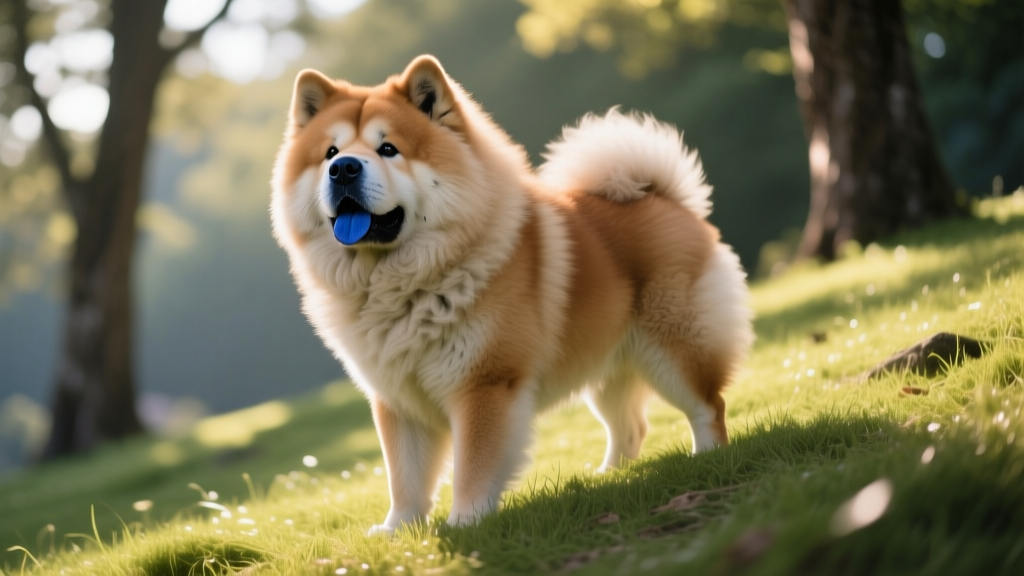
The Shikoku: A Rare Japanese Dog Breed Guide for Dedicated Owners
Discover the Shikoku, a rare Japanese dog breed originally bred for boar hunting. Learn about temperament, health, cost, care, and whether this...

Meet the Shikoku: Japan's Hidden Mountain Hunter
When most people think of a Japanese dog, the Shiba Inu or Akita comes to mind. But tucked away in the rugged mountains of Kōchi Prefecture on Shikoku Island lives a breed that most Western dog owners have never encountered: the Shikoku (四国犬, Shikoku-ken). Known historically as the Tosa Inu (not to be confused with the Tosa Mastiff fighting breed), this medium-sized spitz-type dog was shaped by centuries of boar hunting in steep, subtropical terrain — and it retains every bit of that athletic, independent spirit today.
The Shikoku remains exceptionally rare outside Japan. Even within Japan, the breed's population hovers around an estimated 6,000–8,000 registered individuals, according to the Nihon Ken Hozonkai (NIPPO), the organization responsible for preserving Japan's native breeds. For the dedicated owner willing to understand primitive breed psychology, the Shikoku offers a partnership unlike any mainstream companion dog — but this is absolutely not a breed for casual or first-time owners.
Origin and History: Bred to Chase Boar Through Cliff-Side Forests
Ancient roots (pre-1600s): The Shikoku descends from medium-sized hunting dogs that accompanied early Japanese settlers, likely arriving via the Korean peninsula. These dogs were selected over centuries for their ability to track and hold wild boar (inoshishi) in the mountainous interior of Shikoku Island.
Edo period (1603–1868): Geographic isolation on Shikoku Island — separated from mainland Honshu by the Seto Inland Sea — allowed distinct regional strains to develop. Three main bloodlines emerged: the Awa, Hongawa, and Hata lines, named after the valleys and districts where they were kept. The Hongawa line, from the most remote and mountainous region, is believed to have retained the purest primitive type.
1937 — Designated Natural Monument: NIPPO successfully petitioned the Japanese government to designate the Shikoku as a Tennen Kinenbutsu (Natural Monument), granting it legal protection and establishing formal breed preservation standards.
1982 — FCI Recognition: The Fédération Cynologique Internationale (FCI) recognized the Shikoku as breed #319 in the Asian Spitz and related breeds group.
2010s–present — Slow Western expansion: A handful of dedicated importers began establishing Shikoku populations in North America and Europe. The breed remains unrecognized by the AKC as a fully registered breed but is listed in the AKC's Foundation Stock Service (FSS), a stepping stone toward full recognition.
Physical Characteristics: Built for Endurance, Not Speed
The Shikoku is a compact, muscular spitz-type dog that sits between the Shiba Inu and the Akita in size. Every aspect of its build reflects selection for all-day stamina over treacherous terrain rather than short-burst speed.
| Attribute | Specification |
|---|---|
| Weight (Male) | 44–55 lb / 20–25 kg |
| Weight (Female) | 35–44 lb / 16–20 kg |
| Height at Withers (Male) | 19–21.5 in / 48–55 cm |
| Height at Withers (Female) | 17–19 in / 43–48 cm |
| Lifespan | 12–15 years (some lines reach 16+) |
| Coat Type | Double coat — harsh, straight outer guard hairs (approximately 1.5–2 in / 4–5 cm) over a dense, soft undercoat |
| Accepted Colors | Sesame (most common and preferred), red sesame, black sesame, red, black and tan (rare and sometimes faulted in Japanese show rings) |
| Energy Level | High — minimum 60–90 minutes of vigorous daily exercise |
| Grooming Needs | Moderate weekly brushing; heavy seasonal shedding ("blowing coat") twice yearly |
| Family Fit | Experienced owners only; not recommended for homes with small pets |
What sets the Shikoku apart visually from the more familiar Shiba Inu is its slightly longer body proportion, more pronounced musculature in the hindquarters, and a noticeably more intense, almost wolf-like expression. The ears are erect and slightly forward-tilting, and the tail is thick and curled over the back in typical spitz fashion. The feet are compact with well-arched toes — an adaptation for gripping rocky, uneven mountain trails.
Temperament: What Surprises New Owners
The single most common reaction from new Shikoku owners, based on community reports from the Shikoku Ken Club of North America, is surprise at the breed's emotional complexity. This is not a dog that wears its heart on its sleeve.
The Loyalty Paradox
Shikoku form extraordinarily deep bonds with their primary handler — often following that person from room to room, sleeping pressed against them, and showing visible distress during separations. Yet they are typically aloof or indifferent with other family members and openly suspicious of strangers. They are not aggressive toward people, but they will not perform friendliness on command. A Shikoku that tolerates a guest is showing acceptance, not warmth.
The Prey Drive Reality
This breed was selected for hundreds of years to chase, corner, and hold wild boar. That instinct does not evaporate in a suburban backyard. Off-leash reliability is extremely difficult to achieve and should never be fully trusted. A Shikoku that catches a scent will run — and unlike many breeds, it has the stamina and navigational intelligence to cover miles before it considers returning. Underground or invisible fences are entirely ineffective; a determined Shikoku will push through the shock barrier without hesitation.
Independence and Trainability
The Shikoku scores low on biddability — the willingness to obey simply because a human asked. This is not stubbornness in the traditional sense; it is a primitive breed's decision-making autonomy. Training succeeds when you align exercises with the dog's natural drives (scent work, agility, lure coursing) rather than demanding repetitive obedience drills. Positive reinforcement methods — food rewards, play rewards, and access to sniffing privileges — work far better than any correction-based approach. Force-free training isn't just an ethical preference with this breed; it's a practical necessity, as harsh methods will shut a Shikoku down completely.
Breed-Specific Health Concerns
The Shikoku benefits from a relatively small but carefully managed gene pool in Japan, where NIPPO maintains breeding records and discourages practices that narrow genetic diversity. However, prospective owners should be aware of several conditions with documented prevalence in the breed.
Always consult your veterinarian for health assessments specific to your individual dog. The information below is educational and does not replace professional veterinary diagnosis or treatment.
| Condition | Description | Estimated Prevalence | Screening Recommendation |
|---|---|---|---|
| Hip Dysplasia | Malformation of the hip joint causing progressive arthritis | Low-to-moderate; estimated 8–12% based on limited OFA data | OFA or PennHIP radiographic screening of both parents before breeding |
| Patellar Luxation | Kneecap slipping out of alignment, ranging from mild to surgical | Reported in approximately 5–8% of screened individuals | Veterinary orthopedic exam; OFA patella evaluation |
| Progressive Retinal Atrophy (PRA) | Hereditary degeneration of the retina leading to blindness | Rare but documented; specific gene mutation not yet identified for this breed | Annual CERF/OFA ophthalmologist exam |
| Allergic Dermatitis | Environmental or food-based allergies causing chronic itching and skin inflammation | Moderate; appears increasingly in Western-bred lines, possibly due to environmental differences | Elimination diet trials; allergy panel testing if symptoms persist |
| Hypothyroidism | Underactive thyroid gland causing weight gain, lethargy, and coat changes | Low; isolated reports in North American lines | Annual thyroid panel (T4, free T4, TSH) starting at age 4 |
One advantage of the Shikoku's rarity is that responsible breeders tend to be deeply involved in health testing. However, this also means that the available health screening data is limited compared to popular breeds with thousands of OFA submissions. Buyers should request documentation of parental health clearances and be prepared to work with a veterinarian who has experience with primitive or spitz-type breeds.
Special Care Requirements: What Makes the Shikoku Different
Exercise Protocol
- Minimum daily exercise: 60–90 minutes of vigorous activity — not just a leash walk around the block. Hiking, structured free-running in fenced areas, and scent-work games are ideal.
- Mental stimulation: 20–30 minutes of nose work, puzzle feeders, or training sessions daily. A bored Shikoku will find its own entertainment, which typically involves destruction or escape attempts.
- Leash skills: Invest in a well-fitted front-clip harness (the Ruffwear Front Range or similar) from puppyhood. Leash reactivity toward other dogs is common and should be addressed with counter-conditioning and desensitization protocols, not punishment.
Coat and Grooming
- Weekly brushing: Use a slicker brush and undercoat rake to manage the dense double coat. During shedding seasons (typically spring and fall), daily brushing for 15–20 minutes is necessary to manage the sheer volume of undercoat.
- Bathing: Every 8–12 weeks unless the dog has rolled in something offensive. Over-bathing strips the natural oils from the guard coat, reducing its weather-resistant properties.
- Never shave a Shikoku. The double coat provides insulation against both heat and cold. Shaving disrupts the coat's structure and can cause permanent textural changes that compromise temperature regulation.
Nutrition
- Caloric needs: An active adult Shikoku weighing 45 lb (20 kg) typically requires 900–1,200 kcal/day, depending on activity level. Use the Pet Nutrition Alliance calorie calculator for a more precise estimate.
- Diet type: Any AAFCO-complete commercial diet formulated for active breeds is appropriate. Some owners report improvement in allergic dermatitis symptoms on limited-ingredient or novel-protein diets (venison, rabbit, or duck-based formulas).
Containment
- Fencing: Minimum 6-foot (1.8 m) physical fence, ideally with a dig-proof barrier (concrete footer or buried hardware cloth extending 12 inches underground). Shikoku are capable climbers and diggers.
- Never rely on electronic/invisible fencing — the prey drive override makes these systems unreliable and potentially dangerous.
How the Shikoku Compares to Similar Breeds
Understanding how the Shikoku stacks up against more accessible Japanese breeds helps put its unique demands in perspective.
| Trait | Shikoku | Shiba Inu | Kishu Ken |
|---|---|---|---|
| Size | 35–55 lb / 16–25 kg | 17–23 lb / 8–10 kg | 30–60 lb / 14–27 kg |
| Prey Drive | Very high (boar-hunting heritage) | High (small game) | Very high (boar/deer) |
| Stranger Tolerance | Low — aloof, avoidant | Moderate — indifferent but not typically avoidant | Low — aloof, reserved |
| Off-Leash Reliability | Poor — high flight risk | Poor — high flight risk | Poor — high flight risk |
| Trainability (Biddability) | Low — requires creative motivation | Moderate — responds to consistent positive methods | Low — similar independence to Shikoku |
| Shedding Intensity | Heavy seasonal blow | Heavy seasonal blow | Heavy seasonal blow |
| Availability Outside Japan | Very limited — waitlists of 1–3 years | Widely available | Limited — small but growing population |
| AKC Status | FSS only (not fully recognized) | Fully recognized (Non-Sporting Group) | Not recognized |
The key takeaway: the Shikoku is essentially a larger, more intense, and less socially adaptable version of the Shiba Inu, with similar independence to the Kishu Ken but a somewhat more handler-focused temperament within its primary bond. If you've successfully lived with a Shiba Inu and found yourself wanting a more physically capable, more driven partner — and you have the time and environment to support it — the Shikoku may be a logical next step.
Availability, Cost, and Finding a Responsible Breeder
Acquiring a Shikoku requires patience, research, and realistic expectations about cost and wait times.
Where to Find a Shikoku
In North America, the primary resource is the Shikoku Ken Club of North America, which maintains a breeder directory and can connect prospective buyers with planned litters. In Europe, the Nihon Ken Hozonkai's European liaison and national spitz-breed clubs in countries like Finland, Sweden, and the Netherlands occasionally have litters. Direct import from Japan is possible but involves navigating NIPPO export paperwork, international shipping (typically $2,500–$5,000), and quarantine requirements that vary by destination country.
Typical Price Ranges (2026 Estimates)
| Source | Price Range (USD) | Notes |
|---|---|---|
| North American breeder (pet-quality) | $2,500–$4,000 | Spay/neuter contract typical; limited registration |
| North American breeder (show/breeding-quality) | $4,000–$6,000 | Full registration; health-tested parents with OFA clearances |
| Direct import from Japan | $5,000–$10,000+ | Includes puppy price ($2,000–$3,500 in Japan), shipping, import fees, and quarantine |
| Rescue/rehoming | $300–$800 | Extremely rare; occasionally available through breed-specific rescue networks |
Breeder Red Flags
- No health testing documentation: Reputable Shikoku breeders will provide OFA or equivalent hip, patella, and eye clearances for both parents. If a breeder says "our dogs are healthy" without documentation, walk away.
- Multiple litters available simultaneously: Ethical breeders of rare breeds typically produce 1–2 litters per year at most.
- No take-back clause: A responsible breeder will contractually require the dog be returned to them at any point in its life if you cannot keep it.
- Selling through third-party platforms: Shikoku puppies do not appear on PuppyFinder or in pet stores. Period.
- Unusually low price: A Shikoku puppy offered for under $1,500 in North America is almost certainly from an irresponsible source or is misrepresented.
Adoption as an Alternative
While Shikoku-specific rescues are virtually nonexistent in North America, Japanese spitz-breed rescue organizations (such as those focused on Shiba Inu) occasionally take in Shikoku or Shikoku mixes. The Japanese Chin and Shiba rescue network Shiba Inu Rescue Association of America (SIRAA) has historically facilitated placements of misidentified Nihon Ken breeds. Adoption is always worth exploring, though expect long wait times and geographic limitations.
Real Owner Insights: Life With a Shikoku
Based on owner reports from breed club forums, social media groups, and interviews with North American Shikoku owners, here's what daily life actually looks like:
"The Shikoku doesn't ask for permission — it makes decisions."
Owners consistently report that their Shikoku will assess a situation and act on its own judgment. One owner described her Shikoku independently deciding to patrol the fence line every evening at dusk, a behavior she never trained. Another reported his dog would refuse to enter the car if the destination was the vet — but would leap in eagerly for hiking trips, suggesting the dog had learned to associate specific contextual cues with outcomes.
Energy management is non-negotiable. Owners who fail to provide adequate physical and mental exercise report a predictable escalation: excessive vocalization (a distinctive, high-pitched bark howl), destructive chewing, and escape attempts. The Shikoku does not "settle down" from exhaustion the way some sporting breeds do — it tends to become dysregulated and harder to manage when overtired, similar to a sleep-deprived toddler.
Multi-dog households require careful management. Same-sex aggression is documented in the breed, particularly among intact males. Successful multi-dog Shikoku homes typically involve opposite-sex pairings, early socialization, and separate feeding areas to prevent resource guarding. Introducing a Shikoku to a household with cats or small dogs is possible with extensive counter-conditioning but carries ongoing management risk.
Veterinary visits can be challenging. The Shikoku's wariness of strangers extends to veterinary staff. Owners report better outcomes with Fear Free-certified veterinary practices that use low-stress handling techniques. Muzzle training from puppyhood is strongly recommended — not because the breed is inherently bite-prone, but because a fearful Shikoku in pain may react defensively during medical procedures.
Frequently Asked Questions
Is the Shikoku a good family dog for first-time owners?
No. The Shikoku requires an owner who understands primitive breed behavior, can provide consistent positive-reinforcement training, and has the physical environment (secure fencing, access to safe off-leash areas) to meet the breed's exercise needs. First-time owners should consider a Shiba Inu or a more biddable breed before committing to a Shikoku.
How rare is the Shikoku outside Japan?
Extremely rare. As of 2025, there are estimated to be fewer than 500 Shikoku in North America and a similar number across all of Europe. Litters are infrequent, and waitlists of 12–36 months are standard.
Can a Shikoku live in an apartment?
It is possible but not ideal. A Shikoku can adapt to apartment living if the owner commits to 90+ minutes of structured daily exercise, including hiking, running, or structured play in secure areas. Without this, apartment living will amplify the breed's vocalization and destructive tendencies. Access to a secure yard is strongly preferred.
Are Shikoku dogs good with children?
Shikoku can coexist with children they are raised alongside, but they are not naturally tolerant of rough handling, sudden movements, or loud noise. They tend to move away from uncomfortable interactions rather than snapping, but a child who pursues or corners the dog risks a defensive reaction. Homes with children under age 8 are generally not recommended.
What is the difference between a Shikoku and a Shiba Inu?
Beyond the significant size difference (Shikoku are roughly twice the weight of Shiba Inu), the Shikoku has a higher prey drive, lower stranger tolerance, and a more intense handler focus. Shiba Inu are generally more adaptable to varied living situations and slightly more biddable in training. Both breeds share the primitive spitz temperament traits of independence, cleanliness, and strong flight instinct.
How long do Shikoku dogs live?
The typical lifespan is 12–15 years, with some individuals living to 16 or 17. The breed's genetic diversity, maintained through careful NIPPO-managed breeding programs in Japan, is believed to contribute to its generally robust health and longevity compared to breeds with more restricted gene pools.
Final Considerations Before Committing
The Shikoku is not a breed you choose casually. It demands a lifestyle built around its needs: daily vigorous exercise in natural settings, patient force-free training, secure containment, and an owner who finds satisfaction in partnership with an independent thinker rather than obedience from a compliant follower. For the right person — someone drawn to the challenge and beauty of a truly primitive Japanese dog — the Shikoku is an extraordinary companion. For everyone else, a more adaptable breed will lead to a happier home for both human and dog.
If you're considering this breed, start by connecting with the Shikoku Ken Club of North America or your country's equivalent Nihon Ken organization. Attend breed meetups if available, foster a Shikoku through rescue if the opportunity arises, and spend time with adult dogs before committing to a puppy. The decision to bring a Shikoku into your life should be measured in months of research, not minutes of impulse.
Aaron Whyte
All our authors care for dogs every day — read more of their work on the authors page.